
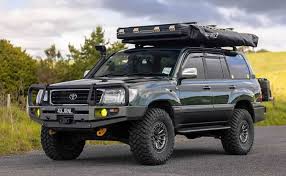
A Roof-top camping car rental Tanzania adventure gives independent travelers the freedom to experience East Africa beyond the boundaries of a conventional lodge safari. Rather than moving according to a fixed group schedule, you can travel in a fully equipped 4×4, carry your sleeping space above the vehicle and explore Tanzania at a pace that matches your interests. Consequently, the journey becomes more than transportation between national parks; the road itself becomes an important part of the safari.
Tanzania is especially suitable for adventurous road trips because its northern safari circuit connects some of Africa’s most celebrated wildlife destinations. From Arusha, travelers can continue toward Tarangire National Park, Lake Manyara, the Ngorongoro highlands and Serengeti National Park. Moreover, longer itineraries can extend toward Lake Natron, Lake Eyasi, southern Tanzania or neighboring East African countries when the rental agreement and border requirements allow.
Nevertheless, renting a 4×4 with a rooftop tent should not be approached like hiring an ordinary city car. Safari tracks can become rough, dusty, muddy or heavily corrugated, while distances between fuel stations and reliable services may be substantial. Therefore, vehicle condition, camping equipment, navigation, insurance, fuel capacity and emergency support deserve as much attention as the daily rental price.
This complete guide explains everything travelers should know before booking a Tanzania rooftop tent car. In addition to comparing Land Cruisers, Hiluxes and different tent configurations, it covers Serengeti self-drive planning, camping equipment, campsite selection, fuel, road conditions, insurance, family travel, cross-border routes and practical itineraries for 2026–2027.
Why Choose Roof-Top Camping Car Rental Tanzania?
Freedom remains the biggest attraction of a Tanzania self-drive safari. Instead of sitting in a vehicle while someone else manages every movement, independent travelers take responsibility for the journey and become more involved in the landscape around them.
For example, you might leave Arusha after breakfast, cross the open countryside toward Tarangire and spend the afternoon searching for elephants among giant baobab trees. Later, rather than returning to a distant hotel, you can reach your designated campsite, unfold the rooftop tent and prepare dinner beside your vehicle.
The following morning brings another advantage. Because your accommodation travels with you, packing does not involve moving suitcases through hotel receptions every day. Once the tent has been folded and the campsite checked, the vehicle is ready for another safari.
Furthermore, rooftop camping creates a different connection with Tanzania. At night, the sounds of the wilderness become more noticeable, while early mornings often begin with extraordinary skies and fresh air rather than hotel corridors.
However, freedom brings additional responsibility. Travelers need to navigate, manage fuel, respect park rules, monitor vehicle condition and reach appropriate campsites safely. For that reason, self-driving is best suited to visitors who enjoy independent travel rather than people who simply want to reduce safari costs.
What Makes a Tanzania Rooftop Camping Safari Different?
A conventional safari usually separates transportation and accommodation. During the day, guests travel in a safari vehicle; afterward, they sleep in a lodge, hotel or permanent tented camp.
A rooftop camping safari combines these elements.
Your 4×4 becomes the center of the journey. The vehicle carries the rooftop tent, cooking equipment, chairs, table, drinking water, luggage and often a refrigerator. As a result, travelers become considerably less dependent on conventional accommodation.
Even so, rooftop camping does not mean stopping wherever you want. Tanzania’s national parks and conservation areas have regulations, and overnight stays need to use appropriate authorized campsites or accommodation.
Therefore, the best self-drive itinerary combines independence with advance planning. Travelers know where they expect to sleep, yet they retain considerable freedom during the day’s journey.
Understanding Roof-Top Camping Car Rental Tanzania
A Tanzania rooftop camping vehicle is normally a capable 4×4 fitted with a folding or pop-up tent attached to a suitable roof rack. Once the vehicle reaches camp, the tent opens to create an elevated sleeping platform.
Most rooftop tents include a mattress, ventilation panels and mosquito-screened openings. Access is normally provided by a ladder.
Meanwhile, the vehicle carries the equipment required for everyday camping. Depending on the rental package, travelers may receive chairs, a table, stove, cooking utensils, refrigerator, water storage, bedding and lighting.
Some safari vehicles are equipped with one rooftop tent for two travelers. In contrast, family or group vehicles may carry a larger family tent or two separate rooftop tents.
Consequently, travelers should select the complete vehicle-and-tent configuration rather than choosing the vehicle first and worrying about sleeping arrangements later.
Best 4×4 for a Tanzania Rooftop Camping Safari
Choosing the right 4×4 can determine how comfortable the entire journey feels. Tanzania has good paved roads between many major towns; nevertheless, safari itineraries often include gravel tracks, potholes, corrugations, rocks, mud and steep sections.
For this reason, Toyota Land Cruisers remain among the most popular choices for independent safari travel.
Different models suit different travelers. A Land Cruiser Hardtop can provide excellent durability and storage for long expeditions, whereas a Prado may offer additional comfort for couples combining safari roads with longer paved sections.
Meanwhile, the Toyota Hilux double cab provides another strong option. Its separate load area can be particularly useful for camping equipment, while modern versions can provide comfortable passenger space.
Ultimately, vehicle condition matters more than the badge on the bonnet. A well-maintained Hilux with excellent tyres and proper recovery equipment is preferable to a poorly maintained Land Cruiser chosen only because of its reputation.
Toyota Land Cruiser Rooftop Tent Rental Tanzania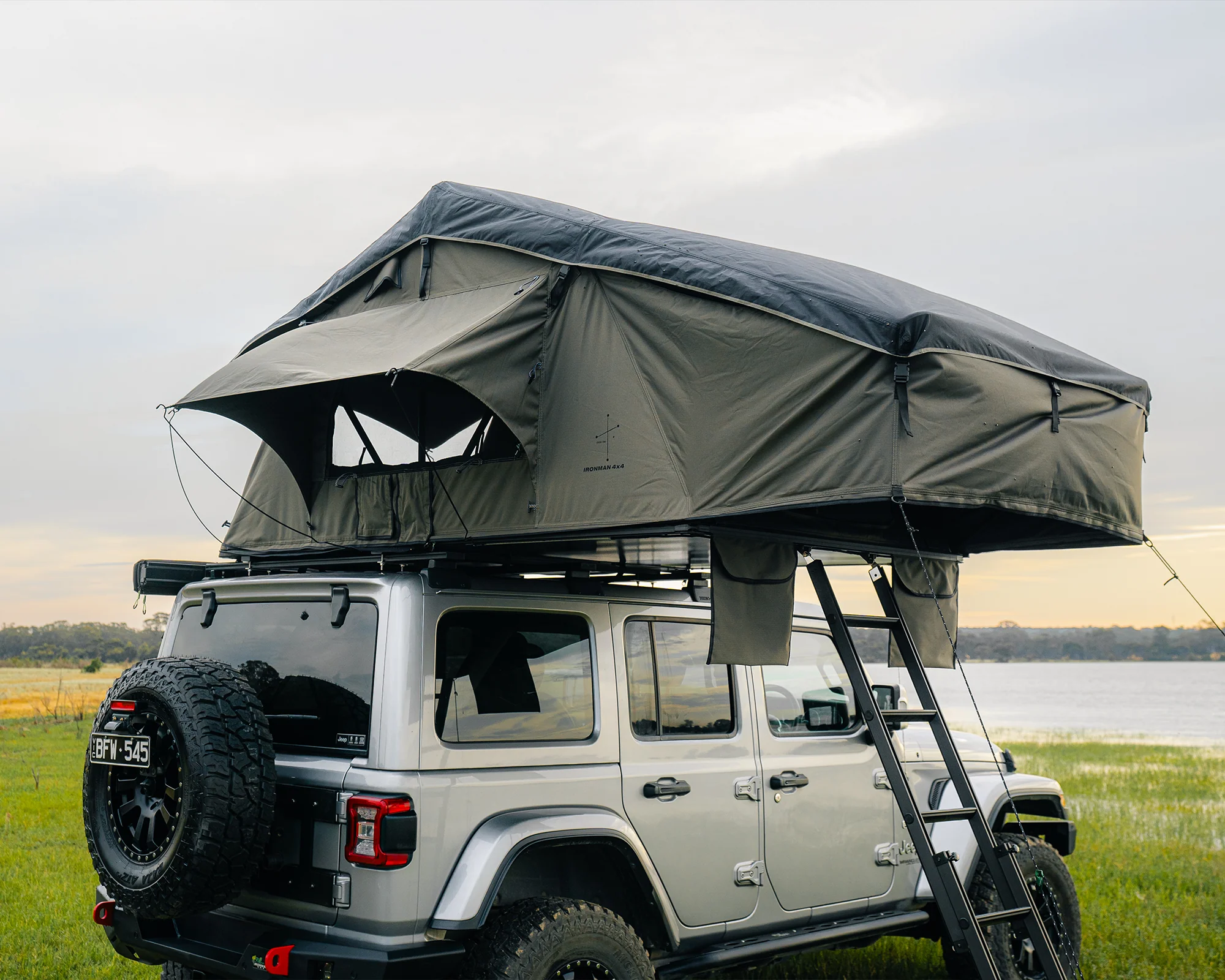
The Toyota Land Cruiser has become closely associated with African safari travel because it combines high ground clearance, strong four-wheel-drive capability and a platform familiar to mechanics across the region.
For couples, a Land Cruiser with one rooftop tent can provide an excellent balance between space and capability. Meanwhile, families or groups can consider vehicles carrying two tents or larger sleeping configurations.
A camping-ready Land Cruiser may also include useful expedition equipment such as a refrigerator, auxiliary battery, compressor and recovery kit.
Before booking, however, ask about the exact vehicle rather than accepting the general description “Land Cruiser.”
Find out which model is being supplied, how many passengers it accommodates comfortably, whether the transmission is manual or automatic and how much luggage space remains after camping equipment has been loaded.
Land Cruiser Hardtop Roof-Top Camping Car Rental Tanzania
Travelers planning longer expeditions frequently choose the Land Cruiser Hardtop because of its rugged design and practical interior.
The vehicle is particularly useful when carrying camping gear for several days. Furthermore, its interior can provide better organization than smaller SUVs when travelers need space for food, water, camera equipment and personal luggage.
For routes involving Serengeti, Ngorongoro and longer overland sections, a professionally maintained Hardtop can therefore be an excellent choice.
Still, no vehicle should be selected simply because it looks expedition-ready. Inspect tyre condition, spare tyres, suspension, battery systems and recovery equipment during handover.
In addition, ask how recently the vehicle was serviced. A reliable safari depends far more on maintenance than on impressive accessories.
Toyota Hilux with Rooftop Tent Tanzania
A Toyota Hilux can provide an excellent alternative to a Land Cruiser, especially for couples and small families.
Because a double-cab pickup separates passenger seating from the main load area, travelers can organize camping equipment without filling the cabin. Moreover, modern Hilux models can feel comfortable during longer paved-road transfers.
Fuel efficiency may also compare favorably with some larger Land Cruiser configurations.
Nevertheless, the suitability of any Hilux depends on its preparation. Good all-terrain tyres, appropriate suspension, proper roof-rack installation and emergency equipment remain essential.
Therefore, ask whether the vehicle was specifically prepared for safari travel rather than assuming every four-wheel-drive pickup is equally suitable.
Prado Rooftop Tent Rental Tanzania
Travelers prioritizing comfort sometimes prefer a Toyota Land Cruiser Prado.
Compared with more utilitarian expedition vehicles, a Prado can provide a quieter cabin and comfortable road manners. Consequently, couples combining national parks with longer highway journeys may appreciate the balance.
Storage deserves careful consideration, though.
Once a refrigerator, chairs, kitchen equipment, luggage and water have been loaded, available interior space can decrease quickly. As a result, a Prado that works perfectly for two travelers may feel crowded with four adults.
Choose the vehicle according to actual passenger and luggage requirements.
Single Rooftop Tent or Double Rooftop Tent?
Tent configuration should match group size.
A standard rooftop tent generally works best for one or two people. Couples therefore have the simplest setup because one tent usually provides enough sleeping space while leaving more roof capacity and vehicle storage available.
Groups of three or four need a different solution.
Depending on the vehicle, this could mean a larger family rooftop tent or two separate rooftop tents. Two tents provide more privacy, especially when two couples or several adult friends travel together.
However, additional tents increase weight and require more setup time. Consequently, travelers should avoid choosing a larger configuration unless they genuinely need the sleeping capacity.
Family Rooftop Tent Rental Tanzania
Families increasingly choose self-drive safaris because the journey can become an adventure rather than simply a sequence of hotel stays.
A larger rooftop tent can work well for two adults and children, provided the tent’s dimensions and weight limits are appropriate.
Before booking, ask for actual sleeping measurements. A tent advertised for four people may be comfortable for two adults and two younger children but considerably tighter for four adults.
Additionally, families should think beyond the tent itself.
Children require luggage, food, water and entertainment during longer drives. Therefore, sufficient vehicle storage becomes especially important.
Double Rooftop Tent Land Cruiser Tanzania
Two rooftop tents can turn one Land Cruiser into a practical mobile camp for three or four adults.
This arrangement is particularly useful for friends or two couples traveling together because each tent provides a separate sleeping space. At the same time, the group shares the vehicle, refrigerator, kitchen equipment and fuel costs.
Nevertheless, a four-person expedition places greater demands on storage.
Soft travel bags are usually preferable to large rigid suitcases because they fit more easily around camping equipment.
Furthermore, four travelers consume water and food more quickly. Consequently, supply planning needs to reflect the actual group size rather than the capacity of the vehicle alone.
What Should a Fully Equipped Camping Car Include?
A quality Roof-top camping car rental Tanzania package should provide more than a vehicle and a piece of canvas on the roof.
The sleeping setup normally includes the rooftop tent, mattress and ladder. Depending on the package, bedding or sleeping bags may also be supplied.
Meanwhile, the kitchen setup can include a gas stove, gas bottle, cooking pots, frying pan, kettle, plates, bowls, cups, cutlery and food-preparation utensils.
A folding table and chairs make evenings much more comfortable. Likewise, a refrigerator or quality cooler helps travelers store fresh food during longer journeys.
Water containers, camp lighting and basic cleaning equipment are also useful.
Because rental packages differ, request a complete written equipment inventory before paying.
Why a Safari Refrigerator Matters
A refrigerator may initially sound like a luxury, yet it becomes extremely useful during a long self-drive safari.
Fresh vegetables, dairy products, drinks and other food can be stored safely for longer periods. Consequently, travelers do not need to depend on restaurants every day.
More importantly, the refrigerator’s power source needs to be understood.
Well-prepared overland vehicles often use an auxiliary battery or dual-battery system so camping equipment does not drain the main starter battery.
Before leaving the rental base, ask the representative to demonstrate how the refrigerator and battery system operate.
Dual-Battery Systems for Tanzania Camping Cars
A dual-battery system separates essential camping power from the battery used to start the vehicle.
While the engine is running, the system can recharge the auxiliary battery. Later, when the engine is switched off, equipment such as the refrigerator can continue operating without placing the same demand on the starter battery.
For photographers, this setup becomes even more useful.
Camera batteries, phones and other electronics may need regular charging. Therefore, ask whether USB ports, 12-volt outlets or an inverter are available.
However, travelers should still manage electricity responsibly. Even a well-designed auxiliary system has limits.
Camping Kitchen Equipment
Cooking on safari does not need to be complicated.
Simple meals usually work best because travelers spend much of the day exploring rather than preparing food.
Breakfast can include fruit, cereal, bread, eggs and coffee. Meanwhile, lunch can remain simple enough to eat during an appropriate stop.
Dinner provides more opportunity to cook. Pasta, rice, vegetables and straightforward one-pot meals are practical because they require limited equipment.
In addition, simple cooking produces less washing and creates less food waste around wildlife campsites.
Chairs, Tables and Camp Comfort
Small pieces of equipment can have a surprisingly large impact on the experience.
After several hours of driving corrugated roads, a comfortable folding chair feels extremely valuable. Similarly, a stable table makes cooking and eating much easier.
Therefore, inspect camping furniture during vehicle collection.
Rental equipment experiences repeated use, and damaged chairs or unstable tables are far easier to replace in Arusha than after entering Serengeti.
Water Storage for Tanzania Self-Drive Safaris
Water planning should never be an afterthought.
Travelers need sufficient drinking water, while additional supplies may be required for cooking and basic washing.
Although some campsites have water facilities, quality and availability vary. Consequently, self-drivers should not depend entirely on finding water every evening.
Carry a sensible emergency reserve.
Moreover, refill when reliable opportunities appear rather than waiting until containers are nearly empty.
Recovery Equipment for a Tanzania 4×4
Good recovery equipment is important even when travelers have no intention of tackling extreme off-road routes.
At minimum, the vehicle should have a suitable jack, wheel tools and a usable spare tyre. More remote itineraries may justify additional equipment such as a compressor, tow strap and recovery tools.
Nevertheless, carrying equipment is not enough.
Travelers should understand how the essential items work.
During handover, ask where everything is stored and how to access it. If a tyre needs changing later, that short demonstration may save considerable time.
Why Spare Tyres Matter on Safari
Safari roads can be demanding on tyres because of sharp stones, potholes and repeated corrugations.
Consequently, a reliable spare tyre is essential.
For remote routes, some travelers prefer vehicles carrying two spares. Whether that is necessary depends on itinerary and current road conditions.
Most importantly, inspect the spare during vehicle collection. A worn or damaged spare provides little reassurance.
Vehicle Handover: Never Rush This Stage
The handover is one of the most important parts of the rental process.
Start by inspecting the vehicle exterior and recording existing damage. Next, check the tyres, spare wheel and camping equipment.
Afterward, open the rooftop tent yourself.
Do not simply watch the representative perform the process quickly. Instead, unfold it, position the ladder and then pack everything away again.
Similarly, learn how the refrigerator, auxiliary battery and any GPS equipment operate.
Finally, save emergency contact information offline.
A careful handover may take additional time in Arusha, yet it can prevent major frustration later.
Arusha Roof-Top Camping Car Rental Tanzania
Arusha remains the most practical starting point for many northern Tanzania self-drive safaris.
Its location provides convenient road access toward Tarangire, Lake Manyara, Ngorongoro and Serengeti. Furthermore, the city has supermarkets, fuel stations, accommodation and other services that make safari preparation easier.
Travelers arriving internationally can therefore spend the first night in or around Arusha before collecting the vehicle.
The following morning provides enough time for a detailed handover, food shopping and route preparation.
As a result, the first safari day begins calmly rather than with exhausted travelers rushing directly from an international flight toward a national park.
Kilimanjaro Airport to Arusha Self-Drive Safari
Kilimanjaro International Airport is a major gateway for northern Tanzania.
Depending on the rental company, travelers may arrange airport delivery or transfer to an Arusha rental base.
Even when vehicle collection is available immediately, consider your arrival time carefully.
After a long international journey, fatigue can make driving an unfamiliar 4×4 unnecessarily difficult. Therefore, an overnight stay before starting the safari is often the better choice.
Roof-Top Camping Car Rental Dar es Salaam
Dar es Salaam offers a different starting point for independent travel.
The city can work particularly well for travelers exploring southern Tanzania or undertaking a longer national road trip.
Routes may extend toward Mikumi, Nyerere, Udzungwa or other regions depending on the itinerary and current road conditions.
However, travelers planning to connect Dar es Salaam directly with northern Tanzania need enough time.
Distances are substantial. Consequently, a road trip from Dar es Salaam to Serengeti should be designed as a multi-day journey rather than treated as a simple transfer.
Mwanza Rooftop Tent Car Rental
Mwanza can provide a useful western gateway for certain Serengeti and Lake Victoria itineraries.
For travelers finishing a northern circuit in a different city, one-way vehicle arrangements may also reduce unnecessary backtracking.
However, one-way rental usually costs more because the vehicle needs to be repositioned.
Therefore, compare the relocation charge with the additional fuel, campsite fees and travel days required to return the car yourself.
One-Way Car Rental Tanzania
A one-way rental can make a self-drive itinerary considerably more efficient.
Instead of driving a large loop solely to return the vehicle, travelers may be able to collect in Arusha and return elsewhere, depending on the provider.
This flexibility is particularly valuable on longer expeditions.
Nevertheless, availability varies, and relocation charges can be significant.
Confirm the complete one-way cost before booking flights or accommodation.
Roof-Top Camping Car Rental Tanzania for Tarangire
Tarangire National Park is an excellent introduction to independent safari driving.
Large elephant populations and dramatic baobab landscapes make the park visually distinctive. Furthermore, its location allows it to fit naturally into a northern circuit from Arusha.
New self-drivers quickly discover that finding wildlife independently requires patience.
Rather than racing between locations, slow down and study the landscape. Watch where other vehicles are looking, scan beneath trees and pay attention to animal movement.
Over time, the search becomes part of the experience.
Lake Manyara Self-Drive Safari
Lake Manyara can add variety to a northern Tanzania road trip.
Because the destination sits conveniently between several major safari areas, travelers sometimes try to squeeze it into an already overloaded day.
Avoid that mistake.
A self-drive safari becomes more enjoyable when each day contains enough time for wildlife, lunch, photography and unexpected delays.
Therefore, build the itinerary around realistic driving hours rather than the number of attractions that can theoretically fit on a map.
Roof-Top Camping Car Rental Tanzania for Ngorongoro
Ngorongoro adds an entirely different landscape to a Tanzania road trip.
The highlands can feel cool and misty, while viewpoints reveal one of Africa’s most remarkable natural settings.
Self-drivers need to understand the current access procedures before arrival.
Protected areas have rules concerning vehicles, entry, routes and camping. Consequently, renting a capable 4×4 does not mean travelers can simply drive wherever they choose.
Weather also deserves attention.
Rain or fog can change highland driving conditions quickly. Therefore, reduce speed and follow current local guidance when visibility deteriorates.
Serengeti Roof-Top Camping Car Rental Tanzania
For many travelers, Serengeti is the highlight of a Roof-top camping car rental Tanzania itinerary.
The park’s scale creates a genuine sense of expedition. Roads stretch across open plains, while wildlife can appear almost anywhere along the journey.
However, those enormous distances require careful planning.
A destination that looks nearby on a map may take considerably longer to reach because rough safari tracks limit speed. In addition, wildlife sightings naturally slow progress.
Therefore, never build a Serengeti day around optimistic highway-style driving times.
Central Serengeti Self-Drive Safari
Central Serengeti is particularly useful for travelers who want productive wildlife viewing without relocating every day.
Spending two or more nights around the same general area allows a full day of exploration between camping nights.
Consequently, travelers can leave early without packing the entire camp for relocation.
Later, they can return to the same campsite and enjoy a relaxed evening.
This slower approach often produces a better safari because more time is spent watching wildlife and less time is spent moving luggage.
Northern Serengeti Road Trip
Northern Serengeti attracts travelers interested in remote landscapes and seasonal migration activity.
Because the region lies farther from the main central areas, fuel and driving time need careful consideration.
Furthermore, wildlife movement remains unpredictable.
Although seasonal patterns can guide planning, no itinerary can guarantee a dramatic river crossing on a particular date.
Therefore, allow enough time to enjoy the region even if the exact wildlife event you imagined does not occur.
Southern Serengeti and Ndutu
Southern Serengeti and the wider Ndutu ecosystem can become especially rewarding during certain seasonal wildlife movements.
Independent travelers need to understand the different protected areas and applicable regulations before arriving.
Although adjacent landscapes can appear seamless, management and fees may differ.
Consequently, research the complete route while reliable internet access is still available.
Can You Follow the Great Migration by Self-Drive?
Yes, a self-drive itinerary can be planned around the general seasonal movements associated with the Great Migration.
However, nature does not follow a fixed tourism timetable.
Rainfall, grazing conditions and other environmental factors influence where the herds move. Therefore, historical patterns should be used as guidance rather than a promise.
Moreover, Tanzania offers exceptional wildlife beyond the migrating wildebeest.
Lions, elephants, cheetahs, giraffes, buffaloes, zebras, hyenas and many other species can make a self-drive safari rewarding even when the largest herds are elsewhere.
Tanzania Campsites for Rooftop Tent Safaris
Camping is one of the defining experiences of a rooftop-tent road trip.
After daytime visitors leave, the environment becomes quieter and the wilderness atmosphere becomes stronger.
Nevertheless, campers need to use appropriate designated sites and follow local regulations.
Some campsites provide basic facilities, whereas others are considerably more remote.
For that reason, investigate each overnight stop rather than assuming every campsite offers showers, electricity, drinking water or cooking facilities.
Public Campsites in Tanzania
Public campsites are often practical for independent travelers.
Facilities vary, yet many provide enough basic infrastructure for a comfortable night.
Another advantage is social interaction.
Self-drivers can meet other travelers, discuss recent road conditions and exchange information about wildlife sightings.
For first-time overlanders, that community can be useful.
At the same time, remember that many camps remain within wildlife environments. Therefore, normal campground habits from home may not always be appropriate.
Special Campsites and Remote Camping
Special campsites can provide a more isolated experience.
Facilities may be minimal or nonexistent, so travelers need greater self-sufficiency.
In return, the atmosphere can be extraordinary.
However, remote does not mean unregulated.
Bookings and permissions may be required, while visitors still need to follow protected-area rules.
Consequently, never assume that an attractive clearing beside a safari track is automatically a legal campsite.
Wildlife Safety at Tanzania Campsites
Wildlife safety deserves serious attention.
Some safari campsites are unfenced, which means animals can potentially move through the area.
A rooftop tent provides an elevated sleeping platform; however, it should never encourage careless behavior.
Prepare everything needed before climbing into the tent at night.
Keep a headlamp accessible.
Store food appropriately.
Avoid unnecessary movement after dark.
Most importantly, follow instructions from rangers, campsite staff and local authorities.
Rooftop Tent Safety: What Travelers Should Understand
Marketing sometimes presents rooftop tents as if sleeping above ground automatically removes all wildlife risk.
That is an oversimplification.
Elevation can provide practical benefits, yet travelers are still camping inside or near natural wildlife habitat.
Therefore, responsible behavior remains essential.
Do not approach animals from camp, even when they appear calm. Likewise, never climb down solely to photograph wildlife passing nearby.
Respect creates safer encounters than confidence alone.
Food Storage Around Wildlife
Food needs careful management in wilderness camps.
After dinner, clean cooking equipment and remove scraps.
Store ingredients securely inside appropriate containers or the vehicle.
Additionally, manage rubbish according to campsite rules.
Leaving food accessible can encourage animals to associate people with meals. As a result, future encounters can become dangerous for both wildlife and travelers.
Never feed animals deliberately.
Fuel Planning for Tanzania Self-Drive Safaris
Fuel management becomes increasingly important as the route moves away from major towns.
A loaded 4×4 carrying tents, water, luggage and camping equipment can consume considerably more fuel than a small passenger car.
Furthermore, game driving involves repeated low-speed movement rather than efficient highway cruising.
Therefore, estimate consumption conservatively.
Refuel when sensible opportunities appear instead of waiting until the tank approaches empty.
For remote routes, ask whether the vehicle includes extended fuel capacity and discuss the safest way to manage additional range.
Why You Need a Fuel Reserve
Unexpected events can increase fuel consumption.
Road conditions may require detours. Wildlife sightings can encourage longer game drives. Meanwhile, rain may make the planned route unsuitable.
A sensible fuel reserve provides flexibility when these changes occur.
Nevertheless, carrying additional fuel requires appropriate containers and safe storage.
Follow the rental company’s guidance rather than improvising with unsuitable containers.
Offline Navigation for Tanzania
Digital navigation has made self-driving easier, but reliable mobile internet should never be assumed.
Download offline maps before leaving Arusha or another major city.
In addition, save campsite coordinates and important route information locally.
A separate GPS device can provide useful backup when available.
Furthermore, carry enough information to continue if a phone fails.
Independent travel becomes much less stressful when one damaged charging cable cannot disable the entire navigation system.
Mobile Coverage on Safari
Mobile coverage varies significantly across Tanzania.
Major towns may have good connectivity, whereas remote sections of national parks can have limited or no service.
Consequently, important documents should remain accessible offline.
Save rental agreements, insurance details, emergency numbers, campsite confirmations and route notes.
Screenshots can be surprisingly useful.
Do this before leaving reliable connectivity rather than hoping to search your email later.
Insurance for Tanzania Rooftop Tent Car Rental
Insurance terms need careful reading.
A rental described as comprehensively insured may still carry an excess or deductible.
Furthermore, certain types of damage can have exclusions. Tyres, windscreens, underbody damage, water damage or negligent driving may be treated differently depending on the contract.
Ask for written clarification.
Understand your financial responsibility before driving away.
Additionally, cross-border travelers need confirmation that coverage remains valid outside Tanzania.
Security Deposits and Vehicle Inspection
A refundable security deposit is common in vehicle rental.
Before accepting the car, photograph its exterior and interior.
Record scratches, dents or damaged equipment.
Likewise, inspect the rooftop tent before leaving.
Check the inventory of camping items and report missing pieces immediately.
This process protects both renter and supplier when the vehicle is returned.
Roadside Assistance
Field support can be more valuable than saving a few dollars on the daily rental rate.
Even professionally maintained vehicles can experience punctures or mechanical problems.
Therefore, understand how the rental company’s support system operates.
Ask whether assistance is available outside office hours.
Find out what happens if the vehicle cannot be driven.
Additionally, understand which costs are covered when a breakdown results from mechanical failure and which remain the renter’s responsibility.
Driving in Tanzania
Tanzania drives on the left.
Visitors accustomed to right-hand traffic need additional concentration, especially during the first days.
Busy urban roads can include motorcycles, pedestrians, buses, trucks and livestock.
Therefore, defensive driving is essential.
On safari tracks, different challenges appear.
Wildlife can enter the road unexpectedly, while dust from approaching vehicles can temporarily reduce visibility.
Slow down rather than treating every delay as lost safari time.
Why You Should Avoid Driving at Night
Most self-drive safari itineraries should be designed around daylight.
After dark, pedestrians and cyclists become harder to see. Animals may also cross roads, while potholes and road damage are less visible.
Furthermore, arriving at an unfamiliar campsite after sunset makes setup more difficult.
Therefore, calculate each day’s route with enough margin to arrive before dark.
If several consecutive days require racing sunset, the itinerary needs adjustment.
Rainy-Season Tanzania Self-Drive Safaris
Rain can transform safari roads quickly.
A track that was dry in the morning may become muddy after a heavy storm.
Black cotton soil can become particularly difficult, while standing water may hide holes or damaged surfaces.
Four-wheel drive improves traction; nevertheless, it cannot overcome every condition.
When uncertain, seek current local advice.
Waiting or changing route is often smarter than testing the limits of the vehicle.
Dry-Season Tanzania Road Trips
Drier periods can make many routes easier, which is one reason they appeal to first-time self-drivers.
However, dry conditions bring heavy dust and corrugations.
Repeated vibration can be tiring for passengers and hard on the vehicle.
Therefore, reduce speed when road conditions demand it.
In addition, protect cameras and electronics from fine dust.
Closed bags and cases become extremely useful.
Best Time for Roof-Top Camping Car Rental Tanzania
No single season is best for every traveler.
Those prioritizing relatively easier road conditions may prefer drier periods. Meanwhile, photographers might enjoy greener landscapes and dramatic skies during wetter months.
Travelers interested in the Great Migration need to consider seasonal movement when choosing their route.
Families may instead plan around school holidays.
Consequently, the best travel period depends on the experience you want rather than one universally perfect month.
How Much Does Roof-Top Camping Car Rental Tanzania Cost?
Rental prices depend on vehicle model, season, tent configuration, rental duration, insurance and included equipment.
A Land Cruiser carrying two rooftop tents normally costs more than a simpler vehicle with one tent.
Similarly, short rentals can have higher daily rates than longer bookings.
Instead of focusing only on the advertised daily rate, request a complete quotation.
The quote should clearly show the vehicle, rooftop tent, camping equipment, insurance, mileage conditions, pickup location and any additional fees.
Only then can different companies be compared fairly.
Why Longer Tanzania Car Rentals Can Offer Better Value
Longer rental periods often qualify for lower daily pricing.
This makes sense because vehicle collection, preparation and administration costs are spread across more rental days.
However, the complete safari still becomes more expensive as additional fuel, campsite and park costs accumulate.
Therefore, do not extend a journey simply to obtain a lower vehicle rate.
Choose the itinerary first and then negotiate the best rental arrangement for its actual duration.
Is Rooftop Camping Cheaper Than Lodges?
Camping can substantially reduce accommodation spending compared with high-end safari lodges.
Nevertheless, self-drive travel is not free accommodation.
Travelers still pay for the vehicle, campsite, fuel, park access, food and other expenses.
The financial advantage becomes more attractive when the vehicle was already necessary for transportation.
For example, two travelers sharing one equipped 4×4 can combine mobility and sleeping arrangements in a single rental.
Even so, choose rooftop camping because the adventure appeals to you, not simply because it appears cheaper on paper.
Hidden Costs of Tanzania Camping Car Rental
The headline rental price rarely represents the entire trip.
Fuel is an important expense. Additionally, national park fees, conservation charges and campsite costs can form a significant part of the safari budget.
One-way vehicle returns may add relocation fees.
Cross-border travel can require extra paperwork or charges.
Insurance upgrades and optional equipment may increase the rental price as well.
Consequently, build a complete trip budget before deciding whether one rental offer is genuinely cheaper than another.
Unlimited Mileage Tanzania 4×4 Rental
Unlimited mileage can be useful for long road trips.
However, travelers should confirm the exact conditions.
A contract might offer unlimited kilometers within Tanzania while restricting particular routes or cross-border use.
Therefore, never interpret unlimited mileage as unlimited permission.
Read the geographic restrictions in addition to the kilometer policy.
Roof-Top Camping Car Rental Tanzania for Couples
Couples have several advantages when renting a camping vehicle.
One rooftop tent is usually enough, while luggage and food occupy less space than they would for a larger group.
Moreover, two eligible drivers can share long road sections.
Vehicle and fuel costs are also divided between two travelers.
As a result, couples often achieve one of the best balances between affordability, comfort and independence.
Tanzania Self-Drive Safari for Families
Family self-driving can be extremely rewarding when the itinerary respects children’s needs.
Avoid excessive driving days.
Choose a vehicle with sufficient storage.
Confirm the rooftop tent is genuinely large enough.
Additionally, keep snacks, water and essential items easily accessible.
A successful family road trip includes time for breaks and relaxation rather than treating every day as a race between national parks.
Tanzania Self-Drive Safari for Photographers
Independent vehicles provide photographers with valuable flexibility.
Camera equipment can remain arranged according to personal preference, and travelers are not negotiating space with unrelated passengers.
Furthermore, a private vehicle can allow more patience at wildlife sightings within park regulations.
Power management becomes especially important.
Therefore, photographers should ask about dual batteries, inverters and charging outlets before choosing the vehicle.
Self-Drive Tanzania for First-Time Visitors
First-time visitors can enjoy self-driving, but experience and personality matter.
Someone comfortable with navigation, camping and basic vehicle procedures may adapt quickly.
Conversely, a traveler who dislikes uncertain roads or becomes stressed without mobile coverage may enjoy Tanzania more with a professional driver-guide.
There is no reason to choose self-drive merely to prove independence.
The best safari style is the one that allows you to enjoy the destination.
Self-Drive vs Driver-Guide Safari
Self-driving provides privacy and freedom.
A driver-guide provides experience, local knowledge and relief from navigation.
Professional guides also understand wildlife behavior and often notice animals that inexperienced visitors miss.
On the other hand, self-drivers gain satisfaction from discovering routes and sightings independently.
Some travelers choose a compromise by renting a camping-equipped vehicle with a driver-guide.
This allows them to enjoy rooftop camping without carrying full responsibility for the road.
Cross-Border Roof-Top Camping Car Rental Tanzania
Longer East African road trips can potentially extend into Kenya, Rwanda, Uganda or other neighboring countries.
However, rental-company authorization is essential.
Insurance needs to remain valid, while the vehicle requires appropriate documents for international borders.
Additional charges may apply.
Therefore, discuss the complete route before booking rather than requesting cross-border permission after collecting the car.
Tanzania to Kenya Self-Drive Safari
Combining Tanzania and Kenya creates an outstanding East African wildlife journey.
Travelers can connect the northern Tanzania circuit with destinations such as Amboseli, Nairobi and other Kenyan safari regions.
Nevertheless, border crossings and road routes need proper planning.
Although Serengeti and the Masai Mara belong to the same wider ecosystem, travelers cannot simply drive across any point on the international boundary.
Use legal routes and confirm vehicle authorization in advance.
Tanzania to Rwanda Self-Drive Safari
A longer overland journey can combine Tanzania’s savannah landscapes with Rwanda’s green highlands.
After exploring Serengeti and Ngorongoro, travelers with enough time can continue toward Rwanda and add experiences such as Akagera National Park, Lake Kivu or gorilla trekking in Volcanoes National Park.
However, this is a substantial journey.
Therefore, allow enough travel days rather than treating Rwanda as a quick side trip.
Tanzania to Uganda 4×4 Road Trip
Uganda provides another excellent extension for adventurous overlanders.
A longer itinerary can eventually connect Tanzania with Queen Elizabeth National Park, Kibale, Bwindi or other Ugandan destinations.
Once again, time is essential.
East Africa covers large distances.
Consequently, multi-country road trips work best when travelers have several weeks rather than trying to fit three countries into a short holiday.
Responsible Camping in Tanzania
Responsible camping protects both wildlife and future travelers.
Remove rubbish.
Store food securely.
Avoid unnecessary noise.
Never feed animals.
Use designated facilities whenever they are available.
Furthermore, do not remove plants, bones, feathers or other natural materials from protected areas.
A good campsite should look as though you were never there after the vehicle leaves.
Common Tanzania Self-Drive Mistakes
Overambitious itineraries cause many avoidable problems.
Travelers often underestimate how long safari roads take and consequently arrive late at campsites.
Another mistake is carrying too much luggage.
Poor fuel planning can also create unnecessary stress.
Similarly, relying entirely on online navigation becomes risky when mobile coverage disappears.
Finally, some travelers collect a rooftop-tent vehicle without practicing the setup.
Fortunately, every one of these problems can be reduced through preparation.
Packing for a Tanzania Rooftop Tent Safari
Pack lightly and use soft bags where possible.
Bring comfortable clothing that can be layered because temperatures vary considerably between lowland safari areas and the Ngorongoro highlands.
A lightweight rain jacket is useful throughout the year.
Additionally, carry sun protection, insect repellent, personal medication and a basic first-aid kit.
A headlamp is one of the most useful camping items.
Photographers should also bring dust-resistant storage for sensitive equipment.
Shopping for Food Before Safari
Major towns such as Arusha provide the easiest opportunity to buy food and water.
Plan simple meals before shopping.
Fresh vegetables, fruit, bread, eggs, pasta, rice and canned products can cover many camping meals.
Meanwhile, snacks are useful during long driving days.
Avoid buying more perishable food than the refrigerator can handle.
Additionally, restock when the route passes through suitable towns rather than carrying everything from the first day.
Sample 7-Day Roof-Top Camping Car Rental Tanzania Itinerary
Day 1 – Arusha Arrival and Vehicle Preparation
Begin in Arusha with a complete vehicle handover. After inspecting the 4×4, practice opening the rooftop tent and check the camping equipment. Next, buy food, water and other supplies. Instead of rushing directly toward a distant park, spend the first night around Arusha and start the safari rested.
Day 2 – Arusha to Tarangire National Park
After breakfast, drive toward Tarangire. Once inside the park, slow down and begin your first independent game drive. Elephants, giraffes, zebras, antelopes and numerous birds can make the afternoon rewarding. Later, reach the confirmed campsite with enough daylight to prepare the tent and cook dinner.
Day 3 – Tarangire to the Ngorongoro Highlands
Enjoy another morning game drive before leaving Tarangire. Afterward, continue toward the Ngorongoro region. Refuel and purchase any necessary supplies along the route. By arriving before dark, you will have enough time to organize camp and enjoy the cooler highland atmosphere.
Day 4 – Ngorongoro Experience
Begin early and follow the applicable Ngorongoro access arrangements. The landscape changes dramatically as the road crosses the highlands. After completing the day’s planned activities, continue toward the confirmed overnight location and prepare for the journey toward Serengeti.
Day 5 – Drive into Serengeti
Travel toward Serengeti National Park while allowing generous time for road conditions and wildlife stops. As the landscape opens, the journey itself becomes part of the safari. Eventually, reach your designated campsite and set up before sunset.
Day 6 – Full-Day Serengeti Self-Drive Safari
Because you are staying in the same region, there is no need to relocate camp immediately. Instead, spend the day exploring Serengeti. Begin early, return for a break if appropriate and continue wildlife viewing later in the afternoon. Finally, return to camp and enjoy another night in the wilderness.
Day 7 – Begin the Return Journey
Pack the rooftop tent carefully and begin traveling back toward Arusha according to the planned route. Depending on distance and road conditions, another overnight stop may be advisable. Avoid turning the final day into an exhausting race simply to return the vehicle.
Sample 10-Day Tanzania Rooftop Tent Safari
A ten-day itinerary creates a more comfortable rhythm.
Begin with vehicle collection and preparation in Arusha. Next, spend meaningful time in Tarangire rather than visiting for only a few hours.
Continue through the Lake Manyara region before reaching Ngorongoro.
Afterward, allocate several nights to Serengeti so the vehicle can remain parked at the same campsite while you explore.
Finally, begin a gradual return toward Arusha.
Because there is additional time, unexpected road conditions are easier to manage without destroying the entire schedule.
Sample 14-Day Tanzania Self-Drive Camping Safari
Two weeks allows the journey to become a genuine road trip.
Instead of constantly changing destinations, travelers can spend multiple nights in selected wildlife regions.
Depending on season, road conditions and interests, the route can include Tarangire, Lake Manyara, Ngorongoro and several parts of Serengeti.
Moreover, longer itineraries can include rest days.
Those quieter days matter because driving a heavily loaded 4×4 on rough roads can become tiring.
By slowing down, travelers often see more rather than less.
Frequently Asked Questions About Roof-Top Camping Car Rental Tanzania
Can tourists self-drive in Tanzania?
Self-drive rentals are available to international travelers who meet applicable driving, documentation and rental requirements. Nevertheless, visitors should confirm current rules before arrival.
Do I need a 4×4 for a Tanzania safari?
For serious independent travel involving national park tracks and remote camping routes, a suitable 4×4 is strongly recommended because road conditions can vary significantly.
What is the best vehicle for Serengeti self-drive?
Toyota Land Cruisers are among the most popular options. However, a professionally prepared Hilux or comparable 4×4 can also work well depending on route, season and group size.
Can I rent a Land Cruiser with a rooftop tent in Arusha?
Yes. Arusha is one of the main starting points for camping-equipped 4×4 rentals serving Tanzania’s northern safari circuit.
How many people can sleep in a rooftop tent?
Standard tents generally suit one or two travelers. Meanwhile, larger family tents and twin-tent vehicle configurations can accommodate bigger parties depending on the exact equipment.
Is camping equipment included with the vehicle?
It depends on the rental company and package. Therefore, request a complete written equipment list before booking.
Can I camp inside Serengeti?
Camping options exist within and around the Serengeti ecosystem. However, travelers must use appropriate authorized campsites and follow current park requirements.
Is rooftop camping safe around wildlife?
Rooftop tents provide an elevated sleeping space, but wildlife precautions remain essential. Consequently, campers should follow ranger and campsite guidance and never approach animals.
Can I drive from Tanzania to Kenya?
Cross-border travel may be possible when the rental provider authorizes it and the required vehicle documents, insurance and border arrangements are in place.
Can I drive a Tanzania rental vehicle to Rwanda?
Potentially, depending on the rental company and agreement. Nevertheless, authorization should be obtained before departure.
Is unlimited mileage available?
Some Tanzania 4×4 rental packages offer unlimited mileage, whereas others apply restrictions. Always verify the specific contract.
Is roadside assistance included?
Many professional rental providers offer some form of roadside support. However, coverage, geographic limits and renter responsibilities differ.
How to Choose the Best Roof-Top Camping Car Rental Tanzania Company
Do not select a company solely because it displays the lowest daily price.
First, examine vehicle quality.
Next, compare camping equipment and insurance.
Afterward, evaluate roadside support, mileage rules and communication.
A good rental company should also understand the route you intend to drive.
If your proposed itinerary is unrealistic, an experienced supplier should tell you before the journey begins.
Ultimately, reliability creates better value than a small saving on the rental rate.
Why Roof-Top Camping Car Rental Tanzania Is Worth Considering
A rooftop-tent safari offers something that even an excellent lodge safari cannot completely reproduce.
The vehicle becomes part of the journey.
Each morning, you fold your sleeping space away and continue exploring.
During the day, the 4×4 carries everything needed for the next stage.
Then, as evening arrives, the vehicle becomes the center of camp again.
Consequently, transportation, accommodation and adventure blend into one experience.
For travelers who enjoy independent road trips, this sense of mobility can become one of the most memorable parts of Tanzania.
Roof-Top Camping Car Rental Tanzania with Universal Ventures Rwanda
Universal Ventures Rwanda assists travelers planning customized East African safaris, self-drive journeys, safari vehicle hire and cross-border itineraries through Tanzania, Rwanda, Uganda and Kenya.
For travelers interested in Roof-top camping car rental Tanzania, arrangements can be planned according to group size, travel dates, pickup location and intended safari route.
Couples can request a suitable 4×4 with a single rooftop tent. Meanwhile, families and small groups can consider larger or double-tent configurations where available.
Travelers planning longer routes can also discuss cross-border requirements, one-way arrangements and itinerary logistics.
Furthermore, customized journeys can connect Arusha, Tarangire, Lake Manyara, Ngorongoro, Serengeti and other destinations according to available time and road conditions.
Final Thoughts on Roof-Top Camping Car Rental Tanzania
A successful Roof-top camping car rental Tanzania adventure begins with the right balance between freedom and preparation.
The freedom comes from having your own 4×4, your own camping setup and control over much of the daily journey.
Preparation, however, makes that freedom enjoyable.
Choose a properly maintained vehicle. In addition, inspect the tyres, understand the rooftop tent and confirm what camping equipment is included.
Plan fuel conservatively and download offline maps before leaving major towns. Similarly, confirm campsites and understand park regulations before entering remote areas.
Read the insurance agreement carefully. Moreover, save roadside-support information offline and avoid building unrealistic driving days.
Once those fundamentals are in place, the character of the journey changes.
Tarangire becomes more than a stop on a package itinerary. Ngorongoro becomes part of a road adventure through Tanzania’s highlands. Meanwhile, Serengeti becomes a landscape you gradually enter rather than somewhere a driver simply delivers you.
Ultimately, that is the attraction of a Tanzania rooftop-tent safari.
You carry your camp.
You follow the road.
You experience the landscape at ground level.
Most importantly, you become an active participant in the journey rather than simply a passenger.
Book Roof-Top Camping Car Rental Tanzania with Universal Ventures Rwanda
Universal Ventures Rwanda can assist with Tanzania rooftop tent car rental, Tanzania 4×4 hire, Toyota Land Cruiser rental Tanzania, self-drive safari Tanzania, camping-equipped safari vehicles, Arusha rooftop tent rental, Serengeti self-drive car hire, Tanzania cross-border 4×4 rental and customized East Africa road trips.
For a customized quotation, send your travel dates, number of travelers, preferred pickup point, vehicle requirements and planned safari route.
Universal Ventures Rwanda
Address: KN 15 Road, Opposite IPRC Entrance, 1st Floor – SANGWA PLAZA, Kigali, Rwanda
Phone / WhatsApp: +250 781 441 853
Email: info@universalventuresrwanda.com
Website: Universal Ventures Rwanda