
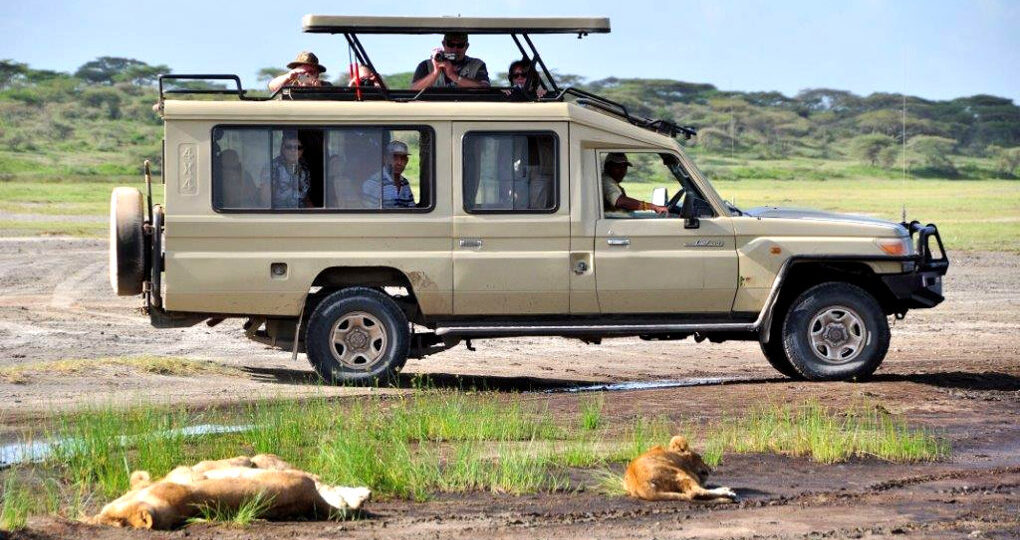
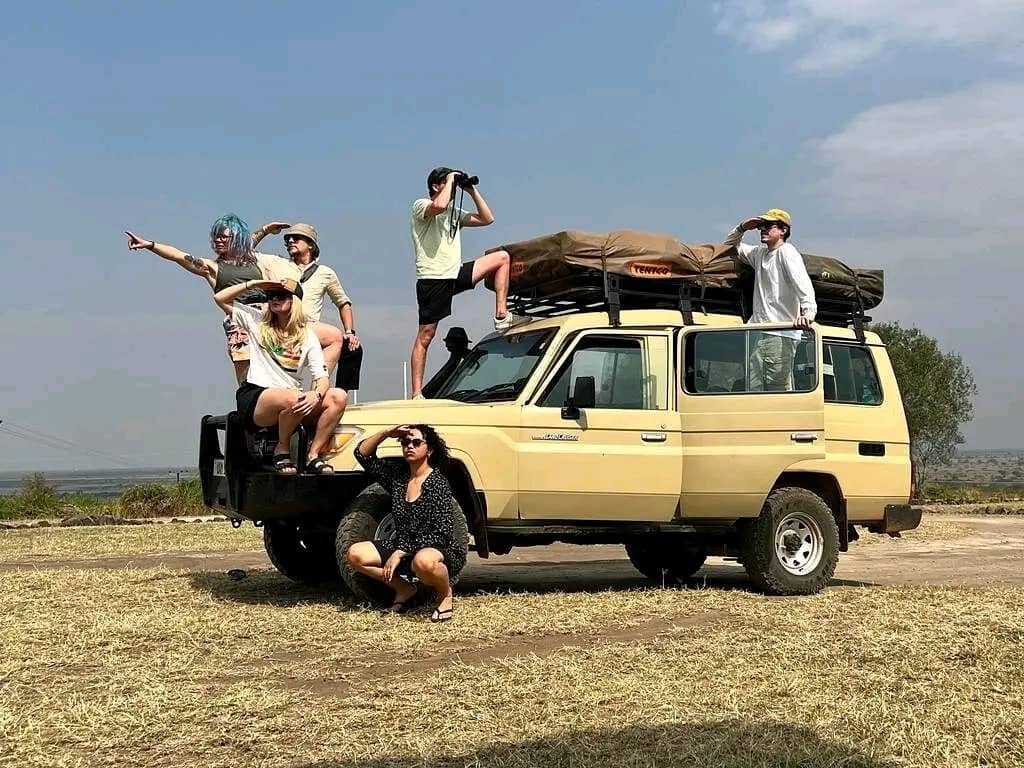
Exploring Kenya and Tanzania by road offers one of Africa’s most rewarding travel experiences. From the vast grasslands of the Maasai Mara to the endless plains of the Serengeti, these two countries provide extraordinary opportunities to encounter wildlife in its natural habitat. Choosing reliable 4×4 Safari Vehicle Hire is one of the most important decisions when planning a comfortable, flexible, and memorable African safari.
Whether you want a private Toyota Land Cruiser with an experienced driver-guide, an independent self-drive adventure, or a luxury wildlife photography safari, suitable transportation helps you explore remote national parks with confidence.
Why Choose 4×4 Safari Vehicle Hire in Kenya and Tanzania?
Kenya and Tanzania attract wildlife enthusiasts from around the world. Their national parks protect elephants, lions, leopards, buffaloes, rhinos, giraffes, zebras, wildebeest, and countless other species. However, reaching the best wildlife destinations often involves long road transfers, unpaved tracks, and changing weather conditions.
A dependable four-wheel-drive safari vehicle makes these journeys more manageable. High ground clearance helps drivers navigate uneven roads, while suitable tires and four-wheel-drive capability provide additional traction on challenging surfaces.
Comfort matters just as much as mechanical performance. Many safari itineraries involve several hours of driving each day, particularly when traveling between national parks. Spacious seating, adequate ventilation, reliable suspension, and room for luggage contribute to an enjoyable journey.
Private transportation also allows visitors to choose departure times, stop at scenic viewpoints, and spend more time observing wildlife when park regulations permit.
The right vehicle does more than carry passengers between destinations. It becomes an essential part of the wildlife experience.
Why Ordinary Cars Are Not Always Suitable for Safaris
Standard passenger cars work well on paved highways around Nairobi, Arusha, and other major towns. Nevertheless, conditions change significantly after entering certain wildlife reserves.
Game-viewing tracks may contain loose gravel, stones, deep ruts, sand, or muddy sections. During heavy rainfall, some routes become difficult even for experienced drivers.
A low-clearance vehicle can suffer damage when navigating uneven surfaces. In contrast, a suitable safari Land Cruiser offers additional ground clearance and stronger off-road capabilities.
Travelers should assess the actual route before renting a vehicle. A car that performs comfortably on the Nairobi–Arusha highway may not be appropriate for extensive driving in remote Serengeti areas.
How 4×4 Safari Vehicle Hire Improves Wildlife Viewing
Wildlife sightings rarely follow a fixed schedule. Lions may rest beneath trees during hot afternoons, while elephants move toward water sources as temperatures change.
A private safari vehicle allows guests to explore different areas and remain at interesting sightings for reasonable periods.
Many purpose-built safari Land Cruisers feature pop-up roofs. These openings provide elevated viewing positions and make wildlife photography easier.
Large side windows also help travelers observe animals without leaving the vehicle.
An experienced driver-guide contributes additional value by identifying animal tracks, interpreting wildlife behavior, and navigating appropriate game-viewing routes.
Together, a suitable vehicle and knowledgeable guide create a more rewarding safari experience.
Best Vehicles for 4×4 Safari Vehicle Hire
The best safari vehicle depends on your destination, budget, group size, and travel preferences.
Some travelers prioritize comfortable highway transfers, while others need a robust vehicle for remote wildlife areas. Photography enthusiasts may require special viewing arrangements, whereas families often value spacious seating and luggage capacity.
Choosing a vehicle should therefore involve more than selecting a recognizable model.
Toyota Land Cruiser Safari Vehicle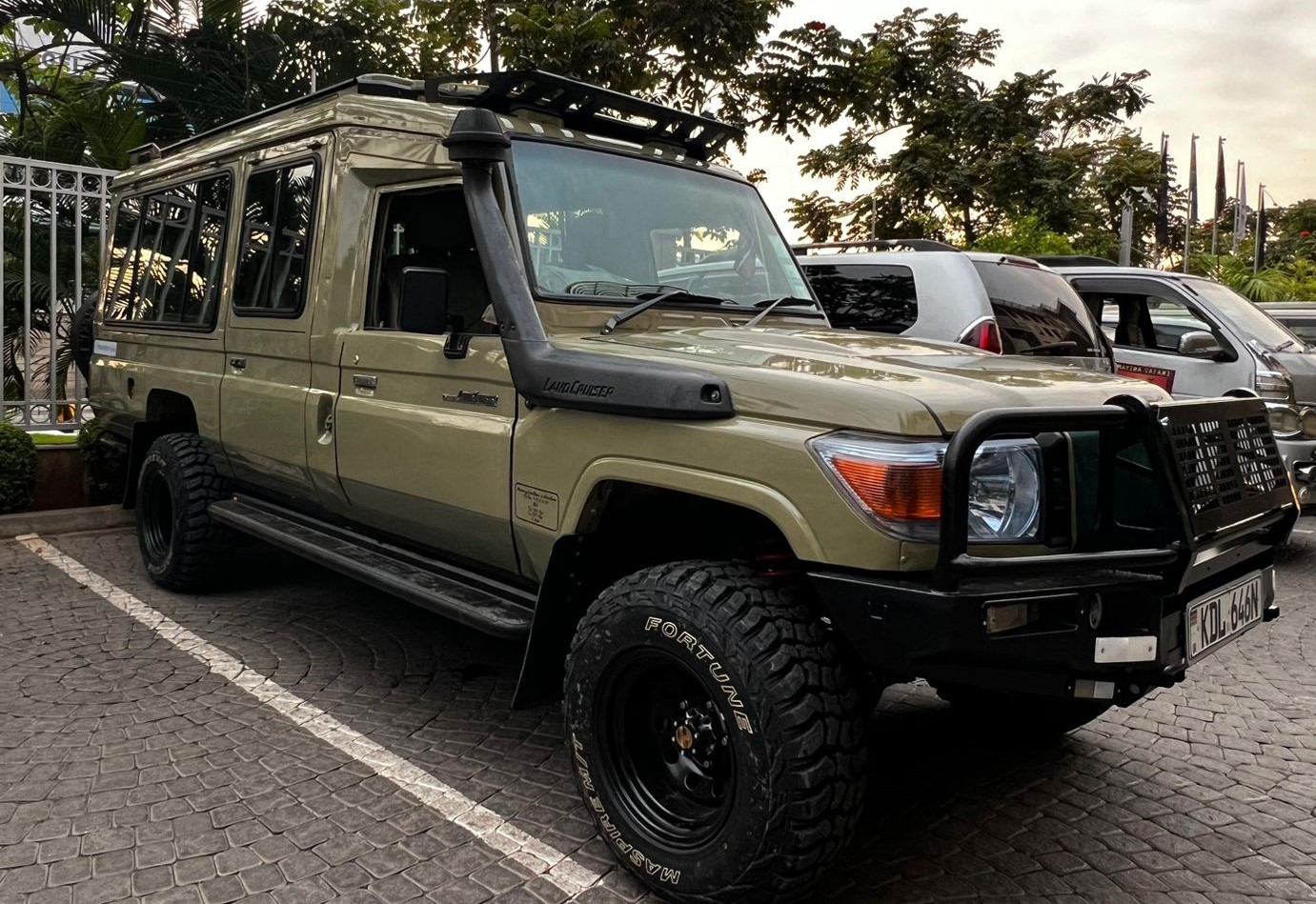
The Toyota Land Cruiser remains one of the most popular vehicles for East African wildlife safaris.
Its robust construction and four-wheel-drive capabilities make suitable models ideal for many demanding national park roads.
Safari operators frequently use adapted Land Cruiser 70 Series vehicles for game drives. These vehicles may include elevated roofs, spacious seating, large windows, charging points, and storage compartments.
For travelers exploring the Maasai Mara, Serengeti, or Ngorongoro, a safari Land Cruiser offers an appealing combination of practicality and comfort.
However, configurations vary significantly between operators. Some vehicles carry larger groups, while others prioritize space for private passengers.
Before booking, confirm the seating arrangement, luggage capacity, air conditioning, and roof configuration.
Toyota Land Cruiser Prado for Comfortable Road Trips
The Toyota Land Cruiser Prado appeals to travelers who want a comfortable SUV with useful off-road capability.
Its enclosed cabin makes it suitable for airport transfers, intercity journeys, and selected national park roads.
Couples and small families often appreciate the Prado’s comfortable seating and practical luggage space.
A suitable four-wheel-drive Prado can provide reliable transportation on many routes connecting Nairobi, Amboseli, Arusha, Tarangire, and other safari destinations.
Nevertheless, a standard Prado may not offer a pop-up roof. Visitors who prioritize elevated wildlife photography should check the vehicle specifications carefully.
For road journeys combining paved highways and manageable off-road sections, the Prado can provide excellent value.
Toyota Hilux Double Cabin
The Toyota Hilux is another capable option for adventure travel.
Suitable four-wheel-drive models offer practical performance on rough roads and provide a separate cargo area for equipment.
Travelers carrying camping supplies, photography equipment, or substantial luggage may appreciate this arrangement.
However, cargo protection requires attention. Operators should secure belongings against dust, rain, and theft.
Passenger comfort also varies between Hilux configurations. Some models provide firmer suspension than traditional passenger SUVs.
Before selecting a Hilux, consider how much time you will spend inside the vehicle and whether the available seating suits your group.
Toyota RAV4 for Budget Safari Transportation
Budget-conscious travelers sometimes choose the Toyota RAV4 for independent travel.
Compact SUVs generally cost less to operate than larger safari vehicles and can provide comfortable transportation on suitable roads.
However, not every RAV4 offers genuine four-wheel-drive capability.
Some models are better suited to highways and moderate gravel roads than challenging national park tracks.
A compact SUV may work for selected transfers around major towns, but travelers should not assume that it can handle every Serengeti or Maasai Mara route.
Always discuss the destination, expected weather, and vehicle specifications with the rental provider.
Extended Safari Land Cruiser for Groups
Larger groups may require an extended Land Cruiser with additional passenger space.
These vehicles can accommodate more travelers while offering practical luggage arrangements.
However, the number of advertised seats does not always reflect the most comfortable passenger capacity.
A vehicle carrying several adults with large suitcases may feel crowded on long journeys.
Photography groups often benefit from reserving additional space, particularly when carrying specialist equipment.
A professional safari operator should recommend the vehicle according to actual passenger and luggage requirements.
Safari Vans Compared With 4×4 Land Cruisers
Safari vans remain popular on some budget Kenya itineraries.
Operators may fit these vehicles with pop-up roofs to improve wildlife viewing.
They can provide economical transportation for small groups traveling on suitable roads.
However, conventional safari vans often lack the ground clearance and traction of dedicated four-wheel-drive Land Cruisers.
During the rainy season, difficult tracks may restrict their practical use.
Travelers comparing a safari van with a Land Cruiser should consider road conditions, luggage capacity, comfort, and the activities included in the itinerary.
4×4 Safari Vehicle Hire in Kenya: Best Wildlife Destinations
Kenya offers diverse safari landscapes, from open savannah and volcanic plains to lakes, forests, and remote northern reserves.
The country’s extensive tourism network allows visitors to combine several destinations within one journey.
However, driving distances and road conditions vary considerably.
Maasai Mara National Reserve
The Maasai Mara is one of Africa’s most celebrated wildlife destinations.
Its grasslands support lions, cheetahs, elephants, giraffes, zebras, buffaloes, and numerous antelope species.
The reserve also forms part of the wider Serengeti-Mara ecosystem, where immense herds of wildebeest move seasonally in search of fresh grazing.
Travelers commonly begin their journey in Nairobi and continue through the Great Rift Valley toward Narok.
Driving time depends on the reserve entrance, accommodation location, and prevailing road conditions. Some journeys require approximately five to seven hours, while others take longer.
A suitable Land Cruiser provides useful traction and ground clearance on rough approach roads.
Inside the reserve, guests can enjoy game drives along authorized tracks while searching for wildlife.
4×4 Safari Vehicle Hire for Maasai Mara Game Drives
Private safari transportation gives travelers greater freedom to organize game drives around personal interests.
Early morning excursions often provide attractive photography light and opportunities to observe active predators.
Afternoon drives reveal different animal behavior as temperatures begin to fall.
A pop-up roof can improve visibility, especially when wildlife moves through tall grass.
Visitors should also distinguish between the Maasai Mara National Reserve and surrounding private conservancies.
Many conservancies limit vehicle access to approved operators or guests staying at participating camps.
Consequently, a standard self-drive rental does not automatically permit entry into every wildlife area surrounding the reserve.
Amboseli National Park
Amboseli National Park is famous for its large elephant herds and impressive views of Mount Kilimanjaro.
The park features open plains, wetlands, seasonal water sources, and beautiful African landscapes.
Visitors frequently photograph elephants with the mountain rising in the background.
However, Kilimanjaro’s visibility changes with cloud cover and weather conditions.
Amboseli roads can become dusty during dry periods and muddy after heavy rain.
A suitable four-wheel-drive vehicle provides practical transportation between wildlife-viewing areas.
Many travelers combine Amboseli with Nairobi or continue toward Tanzania through the Namanga border region.
Tsavo East National Park
Tsavo East offers an expansive wilderness experience.
Its landscapes include dry plains, river systems, and open habitats that support elephants, lions, giraffes, buffaloes, and many other species.
The park is particularly famous for elephants that appear reddish because of the surrounding soil.
Some roads cover long distances through relatively remote areas.
Vehicle reliability and fuel planning are therefore important.
A safari Land Cruiser provides suitable ground clearance for many of the park’s tracks.
Visitors can combine Tsavo East with Tsavo West or a coastal holiday around Mombasa and Diani Beach.
Tsavo West National Park
Tsavo West presents a different landscape from Tsavo East.
Volcanic terrain, wooded hills, rocky formations, and scenic viewpoints create an attractive environment for wildlife enthusiasts.
Visitors can explore areas around Mzima Springs and other permitted attractions.
Certain routes involve uneven ground and changes in elevation.
For these conditions, a dependable four-wheel-drive vehicle offers practical advantages.
Travelers should allow enough time for game drives rather than attempting to cover every attraction in a single day.
Lake Nakuru National Park
Lake Nakuru is well known for its conservation importance and diverse wildlife.
Visitors may encounter rhinos, buffaloes, giraffes, baboons, waterbirds, and numerous other species.
Road conditions vary with rainfall and changing lake levels.
Some areas offer relatively straightforward driving, while others become more challenging after wet weather.
A suitable safari SUV or Land Cruiser can provide comfortable access.
Lake Nakuru fits well into itineraries combining Nairobi, Lake Naivasha, and the Maasai Mara.
Samburu National Reserve
Samburu National Reserve offers a distinctive northern Kenya safari experience.
Its dry landscapes and riverine habitats support elephants, Grevy’s zebras, reticulated giraffes, gerenuks, and other wildlife.
The reserve attracts travelers who want to explore beyond Kenya’s most visited southern parks.
Road journeys can involve long distances through warm, dusty environments.
A comfortable four-wheel-drive vehicle with adequate luggage space and dependable cooling is especially valuable.
Visitors should also plan fuel stops carefully when traveling through less populated regions.
Ol Pejeta Conservancy and Laikipia
The Laikipia region offers wildlife experiences through private conservancies and conservation-focused tourism properties.
Ol Pejeta Conservancy is particularly associated with rhino conservation and other wildlife activities.
Visitors may enjoy game drives, selected educational experiences, and guided activities according to local regulations.
Access policies vary between properties.
Some conservancies require approved vehicles, guides, or advance reservations.
Travelers should confirm these requirements before arranging independent transportation.
4×4 Safari Vehicle Hire in Tanzania: Best National Parks
Tanzania offers some of the world’s most impressive wildlife landscapes.
The northern safari circuit includes the Serengeti, Ngorongoro, Tarangire, Lake Manyara, and Arusha National Park.
Southern destinations provide additional opportunities for travelers seeking remote wilderness experiences.
Serengeti National Park
The Serengeti is famous for its vast plains, extraordinary predator populations, and the Great Migration.
Visitors may encounter lions, leopards, cheetahs, elephants, giraffes, zebras, buffaloes, and many other animals.
The park covers an enormous area, with different wildlife concentrations throughout the year.
Central Serengeti offers excellent general wildlife viewing, while northern and western regions attract visitors interested in seasonal migration movements.
Long distances separate some of these areas.
A properly equipped Land Cruiser provides practical transportation on rough roads and helps travelers explore the park comfortably.
Because wildlife movements change, visitors should select accommodation and game-drive locations according to their travel dates.
4×4 Safari Vehicle Hire for Serengeti Wildlife Photography
Serengeti photography safaris benefit from spacious vehicles and flexible schedules.
A pop-up roof can provide elevated views across open grassland.
Large windows also allow photographers to work from different positions.
For serious photography trips, limiting passenger numbers can improve access to viewing areas inside the vehicle.
An experienced driver-guide contributes valuable knowledge of animal behavior and seasonal wildlife locations.
However, wildlife photography must respect national park regulations.
Drivers should not leave authorized routes or disturb animals simply to obtain better pictures.
Ngorongoro Conservation Area
The Ngorongoro Conservation Area contains one of Africa’s most spectacular natural attractions: the Ngorongoro Crater.
This large volcanic caldera supports an exceptional concentration of wildlife.
Visitors may encounter lions, elephants, buffaloes, hippos, zebras, wildebeest, and other animals.
The crater also offers opportunities to search for black rhinos, although sightings remain unpredictable.
Reaching the crater floor involves steep access roads.
A suitable four-wheel-drive safari vehicle is essential for practical transportation.
Travelers should confirm the applicable conservation fees, vehicle charges, and crater access requirements before departure.
Tarangire National Park
Tarangire is famous for its impressive baobab trees and large elephant populations.
The park offers beautiful savannah scenery and varied wildlife-viewing opportunities.
During dry periods, animals often gather around dependable water sources.
Visitors may also encounter lions, giraffes, buffaloes, zebras, and numerous bird species.
Tarangire lies within reasonable road-travel distance of Arusha, making it an excellent destination for the beginning of a northern Tanzania safari.
A Land Cruiser provides suitable ground clearance for game drives along park tracks.
Travelers often combine Tarangire with Ngorongoro and the Serengeti.
Lake Manyara National Park
Lake Manyara National Park lies beneath the dramatic Great Rift Valley escarpment.
Its habitats include forest, wetlands, open areas, and lake environments.
Wildlife includes elephants, giraffes, hippos, primates, and diverse bird species.
The park is also associated with tree-climbing lions, although visitors should not expect guaranteed sightings.
Road access can change with rainfall and water levels.
A suitable 4×4 offers practical advantages when exploring different parts of the park.
Lake Manyara works well within a wider itinerary that includes Tarangire and Ngorongoro.
Arusha National Park
Arusha National Park offers an attractive introduction to Tanzania’s natural landscapes.
The park lies near Mount Meru and features forests, lakes, grasslands, and scenic viewpoints.
Visitors can enjoy wildlife viewing without traveling as far as the Serengeti.
A private vehicle provides convenient transportation from Arusha or nearby accommodation.
The park can also fit into itineraries that combine wildlife experiences with Mount Kilimanjaro excursions.
Ruaha National Park
Ruaha provides a remote and rewarding wildlife experience in southern Tanzania.
Its landscapes include woodland, open plains, river systems, and rocky hills.
Visitors may observe elephants, lions, antelopes, and numerous bird species.
Because Ruaha lies far from Tanzania’s main northern tourist circuit, transportation requires careful planning.
Long road distances and limited services make mechanical reliability essential.
A professionally maintained Land Cruiser with an experienced guide is a practical option for many visitors.
Nyerere National Park
Nyerere National Park offers extensive wilderness landscapes in southern Tanzania.
Its varied habitats include rivers, wetlands, woodland, and open wildlife areas.
Travelers can enjoy game drives and selected boat experiences through authorized providers.
Some visitors arrive by domestic flight, while others travel overland from Dar es Salaam.
A suitable safari vehicle provides practical access to game-viewing routes.
However, the best transportation plan depends on the exact lodge location and park entry arrangements.
Understanding 4×4 Safari Vehicle Hire Costs in Kenya and Tanzania
Safari rental prices vary considerably between operators.
Vehicle model, rental duration, season, fuel arrangements, and driver services all influence the final cost.
A basic self-drive quotation may appear much cheaper than a fully organized safari because it excludes important expenses.
Travelers should therefore compare complete transport packages rather than advertised daily rates alone.
Average Kenya Safari Car Rental Prices
For planning purposes, some standard self-drive SUVs are advertised at approximately USD 70–140 per day.
Specialized safari Land Cruisers may cost approximately USD 120–250 or more per day, depending on the model and rental conditions.
A fully serviced driver-guided vehicle can cost more, particularly when the quotation includes fuel and other operating expenses.
These figures represent broad market examples rather than guaranteed prices.
Travelers should request a current quotation based on the actual itinerary.
Average Tanzania Safari Vehicle Rental Prices
Tanzania offers a substantial safari vehicle rental market, particularly around Arusha.
Some basic Land Cruiser rental arrangements are advertised within approximately USD 100–220 per day.
Premium vehicles, additional equipment, fuel-inclusive packages, and professional driver services may increase the price.
Long-distance Serengeti journeys can involve substantial fuel consumption.
For this reason, a complete Tanzania safari quotation should explain whether fuel and driver expenses appear in the advertised rate.
What Affects the Cost of 4×4 Safari Vehicle Hire?
Rental duration influences the daily rate.
A longer booking may attract a discount, although the total cost increases with additional travel days.
Vehicle type also matters. Larger Land Cruisers usually cost more to operate than compact SUVs.
Other factors include peak-season demand, road conditions, pickup location, drop-off arrangements, and vehicle availability.
Specialized photography vehicles or camping-equipped rentals may attract additional charges.
The best way to compare prices is to request quotations for the same itinerary and inclusions.
Safari Vehicle Hire With Driver and Fuel
Driver-guided transportation can offer excellent convenience.
The operator may provide a professional guide, fuel, and agreed transportation services within one package.
However, inclusions vary.
Some companies charge separately for driver accommodation, meals, national park vehicle fees, or extended transfers.
Before confirming, request a clear explanation of what the price covers.
A transparent quotation should identify the daily services and any additional charges.
National Park Fees and Vehicle Charges
Safari visitors must distinguish vehicle rental costs from national park admission charges.
Kenya Wildlife Service administers entry charges for many Kenyan national parks. However, the Maasai Mara operates through separate county and conservancy arrangements.
Tanzania National Parks manages the applicable fees for its national parks, while Ngorongoro has its own conservation-area administration.
Some destinations charge separate vehicle entry, camping, concession, or crater-related fees.
These amounts may depend on nationality, residency, season, and vehicle category.
Consult the relevant authority’s current tariff before finalizing the safari budget.
Insurance, Deposits and Additional Charges
Rental agreements may include basic insurance, but the protection varies between companies.
Travelers should ask about third-party liability, damage cover, theft, insurance excess, and exclusions.
Additional expenses can include security deposits, mileage charges, fuel, cleaning, and late vehicle returns.
Cross-border journeys may involve further documentation and insurance costs.
A written agreement should explain these obligations clearly.
Self-Drive 4×4 Safari Vehicle Hire in Kenya
Independent road trips appeal to travelers who enjoy exploring at their own pace.
Kenya offers a range of routes that can suit experienced self-drive visitors, particularly when they select reliable vehicles and realistic daily distances.
However, safari driving differs significantly from ordinary city travel.
Advantages of Self-Drive Safaris
Self-driving allows travelers to choose departure times and enjoy scenic stops.
Visitors can explore suitable routes without following every detail of a scheduled group itinerary.
This independence often appeals to couples, photographers, and experienced road-trip enthusiasts.
A self-drive journey can also provide opportunities to visit smaller towns and enjoy local landscapes between national parks.
Nevertheless, independent travel requires preparation.
Drivers must manage navigation, fuel, parking, road conditions, and other practical arrangements.
Self-Drive Around Nairobi and the Great Rift Valley
Routes around Nairobi, Lake Naivasha, and Lake Nakuru provide attractive opportunities for independent travel.
Major roads are generally more straightforward than remote wildlife tracks.
Visitors should still verify the condition of access roads and accommodation entrances.
Traffic around Nairobi can be heavy, while rural roads may contain unexpected hazards.
Allowing sufficient driving time improves the experience.
Self-Drive in the Maasai Mara
The Maasai Mara requires more careful planning.
Although suitable self-drive vehicles may enter permitted areas of the main reserve under current rules, nearby conservancies often apply different access restrictions.
Some require guests to use approved camp vehicles and guides.
Road conditions also vary significantly between seasons.
Black cotton soil becomes slippery after rain and can create difficult driving conditions.
Before departure, confirm the correct gate, road access, and current entry arrangements.
Self-Drive 4×4 Safari Vehicle Hire in Tanzania
Tanzania offers rewarding independent travel opportunities, but distances and road conditions can make some routes demanding.
The northern safari circuit includes several destinations where travelers must plan fuel, accommodation, and national park access carefully.
Self-Drive Around Arusha and Tarangire
Arusha provides a convenient base for exploring northern Tanzania.
Visitors can arrange transportation to Tarangire, Lake Manyara, and nearby attractions.
However, rental companies may restrict where specific vehicles can travel.
Drivers should understand these conditions before departure.
For national park visits, confirm the latest regulations and whether the selected vehicle meets access requirements.
Self-Drive in the Serengeti
The Serengeti presents significant challenges for independent drivers.
Its size, remote tracks, changing weather, and limited services require careful preparation.
Navigation can become difficult outside well-traveled routes.
A suitable Land Cruiser, reliable maps, sufficient fuel, and emergency communication arrangements are important.
Travelers should also verify current permit and vehicle requirements.
First-time visitors may prefer a professional driver-guide because local knowledge can significantly improve the experience.
Self-Drive vs Guided Tanzania Safaris
Self-driving offers flexibility and independence.
A guided safari provides navigation support, wildlife knowledge, and professional driving services.
For a short trip involving accessible destinations, self-driving may suit confident travelers.
For longer Serengeti itineraries or complicated park arrangements, hiring a driver-guide often provides greater convenience.
The best option depends on driving experience, travel time, and personal preferences.
4×4 Safari Vehicle Hire With a Professional Driver-Guide
Many travelers prefer to enjoy the scenery rather than focus on unfamiliar roads.
A private driver-guide handles navigation and contributes practical knowledge of the destinations.
This arrangement works particularly well for first-time visitors to Kenya and Tanzania.
Benefits of a Professional Safari Guide
Experienced safari guides understand local road conditions and wildlife habitats.
They can recognize animal tracks, identify birds, and interpret animal behavior.
Guides also help organize game drives around practical travel schedules.
Their knowledge can make the difference between simply seeing an animal and understanding its behavior.
A good guide respects wildlife and follows park regulations.
Private Safari Transportation for Couples
Couples often appreciate the privacy of a dedicated safari vehicle.
The arrangement allows guests to enjoy wildlife viewing without sharing the journey with unfamiliar travelers.
Private transportation also supports flexible meal stops, scenic breaks, and personalized travel schedules.
For honeymooners, a comfortable safari vehicle can complement luxury lodges and special experiences.
Family Safaris With a Private Driver
Families benefit from flexible schedules and convenient transportation.
A professional driver can help manage rest stops and daily transfers.
Parents should consider children’s ages, luggage requirements, and the duration of game drives.
Some activities have age restrictions, so itinerary planning should account for every family member.
A private safari allows families to enjoy wildlife at a comfortable pace.
Guided Safaris for Wildlife Photographers
Photography enthusiasts often benefit from guides who understand lighting conditions and animal movements.
A private vehicle allows photographers to spend more time at suitable sightings.
The guide can help identify locations while respecting park boundaries and wildlife behavior.
For serious photography trips, guests should also consider vehicle seating arrangements and equipment storage.
Kenya and Tanzania Cross-Border 4×4 Safari Vehicle Hire
Combining Kenya and Tanzania offers the opportunity to explore two famous wildlife destinations during one holiday.
However, international travel requires additional planning.
Travelers should not assume that a vehicle rented in Kenya can automatically operate in Tanzania’s national parks.
Can You Drive the Same Rental Vehicle Across the Border?
Some rental companies permit cross-border travel after arranging appropriate documentation.
However, permission to cross the border does not necessarily authorize the vehicle to provide commercial safari services in both countries.
Vehicle registration, insurance, customs rules, and tourism operating requirements can all affect the arrangement.
For organized safaris, a vehicle and guide change may provide the most practical solution.
Travelers should confirm the approved arrangement before booking.
4×4 Safari Vehicle Hire Through the Namanga Border
Namanga connects southern Kenya with northern Tanzania.
It provides a convenient route for travelers moving between Nairobi, Amboseli, and Arusha.
Visitors must complete the applicable immigration procedures.
The vehicle may also require customs documentation and cross-border authorization.
For a privately guided safari, the operator should confirm whether a vehicle handover is necessary.
Allow enough time for the border crossing rather than planning a tightly scheduled game drive immediately afterward.
Maasai Mara to Serengeti Through Isebania–Sirari
The Isebania–Sirari crossing commonly features in combined Maasai Mara and Serengeti itineraries.
Although these wildlife areas belong to the same broader ecosystem, travelers cannot assume a direct drive through the national parks across the international border.
Road journeys generally require travel outside the protected wildlife areas to an authorized crossing.
The transfer can take much of a day, depending on lodge locations, road conditions, immigration procedures, and vehicle arrangements.
A realistic itinerary should allow enough time for this journey.
Why Safari Operators May Change Vehicles at the Border
Commercial safari operations follow national and local licensing requirements.
An operator authorized to conduct game drives in one country may not automatically have permission to offer the same service across the border.
Some itineraries therefore use a Kenyan vehicle and guide for the first section, followed by Tanzanian transport after crossing.
This arrangement can provide access to guides familiar with each country’s wildlife destinations.
The operator should coordinate luggage transfers and meeting arrangements carefully.
Cross-Border Vehicle Documents
An authorized cross-border rental may require vehicle registration papers, written owner permission, valid insurance, customs documentation, and other supporting documents.
The exact requirements depend on the vehicle’s registration country and current regulations.
Travelers should also verify personal immigration requirements.
Never assume that a tourist visa automatically authorizes a rental vehicle to enter another country.
Kenya and Tanzania Tourist Entry Requirements
Travelers entering Kenya may need an approved electronic travel authorization, depending on nationality and applicable exemptions.
Tanzania maintains a separate visa and immigration system.
Visitors should confirm whether they need a visa before departure.
The East African Tourist Visa arrangement involving Kenya, Rwanda, and Uganda does not serve as a substitute for Tanzania’s entry requirements.
Because immigration rules can change, travelers should consult official government sources.
Best Kenya Safari Routes With a 4×4 Land Cruiser
Route planning has a major influence on safari comfort.
An itinerary that includes too many destinations can create exhausting driving days.
Travelers should balance transfers with adequate wildlife-viewing time.
Nairobi to Maasai Mara
The road from Nairobi to the Maasai Mara offers scenic views across the Great Rift Valley.
Travelers usually continue through Narok toward their accommodation.
Driving time depends on the selected reserve gate and lodge.
A private vehicle allows guests to enjoy appropriate rest stops along the journey.
Nairobi to Amboseli
Amboseli lies south of Nairobi near the Tanzanian border.
The journey can often take approximately four to six hours, depending on traffic and accommodation location.
Travelers can enjoy views of the surrounding plains.
This route works well for visitors planning an extended journey toward Arusha.
Nairobi to Lake Nakuru and Maasai Mara
Lake Nakuru provides a useful stop between Nairobi and western Kenya’s safari destinations.
Visitors can enjoy wildlife viewing before continuing to the Maasai Mara.
This arrangement breaks the journey into manageable stages.
A comfortable safari vehicle makes the route particularly enjoyable for families.
Nairobi to Samburu
Samburu lies north of Nairobi and offers a different environment from Kenya’s southern wildlife reserves.
The journey passes through varied landscapes and can involve long road transfers.
Travelers should allow sufficient time and plan fuel stops carefully.
A dependable four-wheel-drive vehicle is recommended for longer regional itineraries.
Best Tanzania Safari Routes With a 4×4 Vehicle
Tanzania’s northern safari circuit follows a practical sequence through several celebrated wildlife areas.
Arusha serves as a common starting point.
The best route depends on travel duration, accommodation locations, and seasonal wildlife interests.
Arusha to Tarangire
Tarangire offers a convenient introduction to Tanzania’s wildlife.
The journey from Arusha is relatively manageable compared with the longer route toward the Serengeti.
Visitors can enjoy a game drive before continuing to a nearby lodge.
A safari Land Cruiser provides useful comfort on park tracks.
Tarangire to Lake Manyara
Travelers can combine Tarangire with Lake Manyara to experience contrasting habitats.
The journey passes through attractive countryside and small communities.
Depending on the itinerary, visitors may stay near Karatu or another suitable location.
This route works well for a gradual progression toward Ngorongoro.
Lake Manyara to Ngorongoro
The road climbs toward Tanzania’s beautiful northern highlands.
Guests encounter changing vegetation and scenic viewpoints.
Accommodation near the crater can provide convenient access for an early wildlife excursion.
Travelers should confirm the location of their lodge and the applicable conservation-area access arrangements.
Ngorongoro to Serengeti
The journey from Ngorongoro to the Serengeti passes through dramatic landscapes.
Road conditions can be rough, and the transfer may take several hours.
Driving time also depends on the location of the Serengeti accommodation.
A realistic itinerary should include enough time for travel and wildlife viewing.
Best Time to Book 4×4 Safari Vehicle Hire
Kenya and Tanzania offer wildlife experiences throughout the year.
However, seasonal conditions influence vegetation, animal movements, road accessibility, and visitor demand.
Choosing suitable travel dates can improve both the safari experience and transportation arrangements.
Dry Season Safaris
June through October is a popular travel period for many wildlife destinations.
During relatively dry conditions, vegetation may become less dense, and animals often gather near water sources.
These factors can improve wildlife-viewing opportunities in certain areas.
However, dry-season conditions vary between parks.
Travelers should also expect greater demand for accommodation and safari vehicles during popular travel periods.
Rainy Season Safaris
Rain brings green landscapes and beautiful photographic opportunities.
However, some park roads become muddy or difficult.
A capable 4×4 provides useful traction on slippery surfaces.
Travelers should allow additional driving time and avoid unnecessary risks.
A professional driver familiar with local conditions can help adjust the itinerary when necessary.
Great Migration Travel Planning
The Great Migration follows seasonal rainfall and grazing conditions across the Serengeti-Mara ecosystem.
Different regions offer migration experiences at different times of the year.
Travelers interested in river crossings often consider northern Serengeti or Maasai Mara itineraries during parts of July through October.
However, crossings remain unpredictable.
The best safari plan should account for the broader wildlife experience rather than promising one particular event.
Booking Early During Peak Season
Specialized safari Land Cruisers and experienced driver-guides can become difficult to secure during busy travel periods.
Advance booking improves your choice of vehicles and accommodation.
Travelers planning photography safaris or requiring larger vehicles should arrange transportation especially early.
Choosing Accommodation for a Road Safari
Accommodation location affects driving time and the overall safari experience.
A lodge may appear close to a national park on a map but require a lengthy transfer to the desired wildlife area.
Travelers should consider accommodation and transportation together.
Lodges Inside and Outside National Parks
Accommodation inside a national park can reduce travel time to certain game-viewing areas.
However, park entry rules, concession charges, and accommodation prices may influence the budget.
Lodges outside park boundaries may offer different price categories.
The most suitable choice depends on your safari goals and daily schedule.
Luxury Safari Lodges
Luxury lodges often emphasize privacy, comfortable rooms, personalized service, and attractive locations.
For these guests, transportation should provide a comparable level of comfort.
A private Land Cruiser with spacious seating can complement a premium accommodation experience.
Midrange Safari Accommodation
Midrange lodges and tented camps can offer a comfortable safari experience without the expense of premium luxury properties.
Travelers should prioritize good location, reliable service, and convenient access.
A well-positioned midrange lodge can sometimes provide better safari logistics than a distant luxury property.
Budget Safari Camping
Camping can reduce accommodation costs and create a closer connection with the natural environment.
However, travelers must use authorized campsites and follow wildlife safety rules.
Camping arrangements may require additional equipment and vehicle storage.
Confirm campsite access, facilities, and booking procedures before departure.
4×4 Safari Vehicle Hire for Photography Safaris
Wildlife photography requires patience and suitable vehicle arrangements.
Photographers often spend long periods waiting for good light or interesting animal behavior.
The right transportation helps make these moments more productive.
Pop-Up Roof Photography
A pop-up roof provides a raised viewing position.
This can improve visibility across open savannah and tall grass.
However, photographers should confirm that the roof opening offers enough space for their group.
A vehicle carrying fewer passengers may provide greater flexibility.
Side-Window Photography
Side windows can provide excellent perspectives for animals close to the vehicle.
Photographers may prefer lower viewing angles for certain compositions.
The ideal vehicle should offer practical access to different viewing positions.
Guests should also consider how the operator protects camera equipment from dust.
Choosing a Private Photography Vehicle
A private vehicle allows photographers to spend more time at promising sightings.
The driver can adapt the schedule around suitable lighting conditions and wildlife activity.
However, national park regulations and animal welfare must always take priority.
A responsible safari never justifies disturbing wildlife for photographs.
Family and Group 4×4 Safari Vehicle Hire
Safari transportation should accommodate the needs of every traveler.
Families, larger groups, and guests with mobility considerations may require different vehicle arrangements.
Family-Friendly Safari Vehicles
Families should choose vehicles with appropriate seating and sufficient luggage space.
Long driving days can become tiring for younger children.
Private transportation allows parents to organize suitable breaks.
Travelers should also discuss any child safety seat requirements before booking.
Group Safari Land Cruisers
Groups should compare vehicle capacity with passenger comfort.
A larger vehicle may reduce per-person transportation costs, but overcrowding affects the experience.
Some groups benefit from using two vehicles instead of one.
This arrangement may also provide better wildlife-viewing opportunities.
Accessible Safari Transportation
Visitors with mobility considerations should discuss their requirements before travel.
High-clearance Land Cruisers may have relatively high steps.
Some guests may prefer vehicles that offer easier entry and exit.
Accommodation accessibility and transfer duration also deserve attention.
A carefully planned itinerary can reduce unnecessary travel stress.
Safety Tips for 4×4 Safari Vehicle Hire
Safari transportation involves unique driving conditions.
Visitors should prioritize vehicle reliability and responsible driving throughout the journey.
Check the Vehicle Before Departure
Inspect tires, lights, windows, seat belts, and general vehicle condition.
Ask the rental company about maintenance and breakdown support.
Self-drive travelers should confirm the spare tire and necessary tools.
Report concerns before beginning a long journey.
Avoid Unnecessary Night Driving
Rural roads may contain pedestrians, livestock, wildlife, and poorly illuminated obstacles.
Visibility becomes more difficult after sunset.
Whenever possible, complete long road transfers during daylight hours.
Travelers should also respect national park gate schedules.
Respect Wildlife and Park Rules
Wild animals can behave unpredictably.
Drivers should maintain appropriate distances and avoid blocking animal movements.
Never leave the vehicle in unauthorized areas.
Follow posted speed limits and instructions from park authorities.
Prepare for Emergencies
Remote safari areas may have limited mobile coverage.
Travelers should carry emergency contact information and understand the rental company’s roadside assistance arrangements.
A reliable operator should explain how to obtain support if the vehicle develops mechanical problems.
Protect Your Luggage
Rough roads can cause unsecured equipment to move inside the vehicle.
Keep heavy items safely stored.
Photography equipment should have suitable protective cases.
Travelers should also keep passports and essential documents accessible during international transfers.
Sample 7-Day Kenya Safari With Private 4×4 Transportation
A seven-day Kenya safari can combine different wildlife environments while maintaining a comfortable travel schedule.
Day 1: Arrival in Nairobi
Arrive at Jomo Kenyatta International Airport and meet your driver.
Transfer to your hotel and enjoy time to relax.
Depending on arrival time, explore selected Nairobi attractions.
Day 2: Nairobi to Amboseli
Travel south toward Amboseli National Park.
Enjoy the scenery along the route.
After checking into your accommodation, take an afternoon game drive if time permits.
Day 3: Amboseli Wildlife Safari
Spend the day exploring Amboseli’s wildlife habitats.
Look for elephants, giraffes, zebras, and other animals.
Mount Kilimanjaro may provide an impressive backdrop when weather conditions allow.
Day 4: Amboseli to Lake Naivasha
Depart Amboseli and travel toward the Great Rift Valley.
Arrive near Lake Naivasha for an afternoon of relaxation.
Depending on your interests, enjoy a suitable lakeside activity.
Day 5: Lake Naivasha to Maasai Mara
Continue toward the Maasai Mara.
Arrive at your accommodation and enjoy wildlife viewing according to the day’s timing.
Day 6: Full-Day Maasai Mara Game Drive
Explore the reserve with your safari guide.
Look for lions, elephants, giraffes, buffaloes, and other wildlife.
Take time to appreciate the landscapes rather than rushing between sightings.
Day 7: Return to Nairobi
After breakfast, travel back to Nairobi.
Your driver will transfer you to the agreed hotel or airport.
Sample 7-Day Tanzania Safari With a Land Cruiser
Tanzania’s northern safari circuit offers a memorable combination of wildlife destinations.
Day 1: Arrival in Arusha
Arrive at Kilimanjaro International Airport.
Meet your driver and transfer to your accommodation.
Relax before the safari begins.
Day 2: Tarangire National Park
Travel to Tarangire for a wildlife game drive.
Explore the park’s baobab landscapes and search for elephants and other animals.
Continue to your lodge afterward.
Day 3: Lake Manyara and Karatu
Enjoy a game drive or selected sightseeing experience around Lake Manyara.
Travel toward Karatu for overnight accommodation.
Day 4: Ngorongoro Crater
Depart early for the Ngorongoro Conservation Area.
Descend into the crater using the authorized route and enjoy wildlife viewing.
Return to your accommodation afterward.
Day 5: Transfer to Serengeti
Travel toward Serengeti National Park.
Enjoy game viewing along permitted tracks after entering the park.
Continue to your lodge or tented camp.
Day 6: Full-Day Serengeti Safari
Spend the day exploring the Serengeti.
Search for predators, grazing animals, and other wildlife.
Your driver-guide can adapt the route according to seasonal conditions.
Day 7: Departure Arrangements
Depending on the lodge and onward travel plans, transfer to a suitable airstrip or organize a road journey toward Arusha.
Long road transfers should allow realistic travel time and should not be combined with tightly scheduled international flights.
Sample 10-Day Kenya and Tanzania Combined Safari
A combined journey allows travelers to experience famous national parks in both countries.
However, border procedures and driving distances require careful coordination.
Day 1: Arrival in Nairobi
Arrive in Kenya and transfer to your hotel.
Enjoy time to rest after the international journey.
Day 2: Nairobi to Maasai Mara
Depart Nairobi for the Maasai Mara.
Enjoy scenic views during the journey.
Arrive at your accommodation and prepare for wildlife viewing.
Day 3: Maasai Mara Safari
Spend the day exploring the reserve.
Look for lions, elephants, giraffes, and other wildlife.
Your guide can recommend suitable viewing areas.
Day 4: Additional Maasai Mara Game Drives
Enjoy another full day of wildlife viewing.
Additional time allows you to explore different landscapes without rushing.
Day 5: Kenya to Tanzania Border Transfer
Depart for the Isebania–Sirari border crossing.
Complete immigration procedures and any necessary vehicle handover.
Continue toward a suitable overnight destination in Tanzania.
Day 6: Transfer to Serengeti
Travel toward Serengeti National Park.
Enjoy wildlife viewing after entering the park.
Continue to your chosen accommodation.
Day 7: Full-Day Serengeti Safari
Explore the Serengeti with your driver-guide.
Observe wildlife across the park’s open landscapes.
Day 8: Serengeti to Ngorongoro
Enjoy morning wildlife viewing before traveling toward Ngorongoro.
Arrive at your accommodation and relax.
Day 9: Ngorongoro Crater Experience
Travel to the crater for a scheduled wildlife excursion.
Explore the authorized game-viewing routes.
Return to your accommodation afterward.
Day 10: Transfer to Arusha
Travel toward Arusha after breakfast.
Continue to your hotel or airport according to your confirmed departure schedule.
How to Save Money on 4×4 Safari Vehicle Hire
Safari transportation can represent a significant part of the travel budget.
However, careful planning can help reduce unnecessary costs without compromising comfort.
Choose an Efficient Safari Route
Unnecessary backtracking increases fuel consumption and driving time.
An itinerary that follows a logical sequence between national parks may provide better value.
For a two-country safari, travelers can consider arriving in one country and departing from the other.
However, flight prices and cross-border transport arrangements also influence the decision.
Match the Vehicle to Your Group
A couple may not need an extended safari Land Cruiser designed for a larger group.
Conversely, five travelers carrying substantial luggage may require more space than a compact SUV can provide.
Choose a vehicle according to actual requirements.
Compare Complete Packages
A low daily rental rate can appear attractive until additional costs emerge.
Compare fuel arrangements, insurance, driver expenses, vehicle fees, and other inclusions.
A complete quotation offers a more reliable basis for selecting a provider.
Book Early for Popular Travel Dates
Vehicle availability may become limited during peak safari periods.
Booking early improves your choice of suitable transportation.
However, travelers should review cancellation conditions before making payments.
Consider Midrange Lodges
Midrange accommodation can provide excellent value.
Choose properties with convenient locations and reliable service.
A well-positioned lodge may reduce unnecessary transportation expenses.
Responsible Wildlife Tourism in Kenya and Tanzania
Kenya and Tanzania protect remarkable ecosystems that support wildlife and surrounding communities.
Tourism contributes to conservation efforts, employment, and local economic opportunities.
Responsible safari transportation forms part of this wider commitment.
Protect Wildlife Habitats
Stay on authorized tracks and avoid damaging sensitive vegetation.
Drivers should never chase animals or force them to move for photographs.
Respecting wildlife creates safer and more meaningful encounters.
Support Local Communities
Visitors can support local guides, accommodation providers, cultural experiences, and community businesses.
Respectful tourism helps create economic opportunities beyond the national parks.
When visiting communities, travelers should follow local customs and request permission before photographing individuals.
Reduce Unnecessary Environmental Impact
Efficient route planning helps limit avoidable driving.
Travelers should also reduce waste and dispose of rubbish responsibly.
Well-maintained vehicles generally operate more efficiently and reliably than poorly maintained alternatives.
Frequently Asked Questions About 4×4 Safari Vehicle Hire
What Is the Best Vehicle for a Kenya Safari?
A safari-configured Toyota Land Cruiser is an excellent option for many Kenya wildlife itineraries.
It provides useful ground clearance, durable construction, and practical wildlife-viewing features.
A suitable Prado or other 4×4 may also work for selected routes.
Which Vehicle Is Best for Tanzania’s Serengeti?
A properly equipped Land Cruiser is one of the most practical choices.
The Serengeti contains long, rough tracks where suitable off-road capability matters.
Travelers should also consider passenger comfort and luggage requirements.
How Much Does 4×4 Safari Vehicle Hire Cost?
Prices depend on the vehicle, season, duration, and included services.
Some SUVs cost approximately USD 70–140 per day, while specialized safari Land Cruisers may cost substantially more.
A complete driver-guided package may include additional operating expenses.
Request a current quotation for accurate pricing.
Is Self-Drive Safari Possible in Kenya?
Yes, certain routes and national park areas allow appropriate self-drive arrangements.
However, some conservancies restrict access to approved vehicles and guides.
Travelers should confirm local rules before departure.
Can I Self-Drive in Tanzania?
Self-drive travel is possible on suitable routes under applicable regulations.
However, remote national parks require preparation and suitable vehicles.
First-time visitors may prefer professional guiding.
Can I Rent a Vehicle in Nairobi and Drive to Arusha?
Some rental providers offer authorized cross-border arrangements.
However, travelers must verify insurance, customs, and vehicle permissions.
A vehicle and guide change may be necessary for commercial safari operations.
Which Border Is Best for Nairobi to Arusha?
Namanga provides a major road connection between Nairobi and Arusha.
The crossing is convenient for many combined Kenya and Tanzania itineraries.
How Do Travelers Move Between Maasai Mara and Serengeti?
Road itineraries commonly use the Isebania–Sirari crossing.
Travelers must use approved roads outside the protected areas rather than assuming a direct international crossing within the parks.
Do Safari Land Cruisers Have Air Conditioning?
Some safari Land Cruisers include air conditioning, while others rely more heavily on natural ventilation.
Vehicle specifications vary.
Confirm the feature before booking.
Are Pop-Up Roofs Necessary?
A pop-up roof is useful for wildlife viewing but not essential for every road transfer.
Travelers interested in photography may appreciate elevated viewing positions.
Does Safari Car Hire Include National Park Fees?
Not necessarily.
Some operators include park fees in complete safari packages, while basic rental quotations exclude them.
Ask for a clear breakdown.
Can Families Rent Private Safari Vehicles?
Yes, private vehicles can provide suitable transportation for families.
Choose a vehicle with adequate seating, luggage space, and appropriate safety equipment.
What Is the Best Season for Kenya and Tanzania Safaris?
The best period depends on the wildlife experiences you want.
Relatively dry months often provide favorable game-viewing conditions.
Migration-focused itineraries should consider the seasonal movement of wildlife.
Can I Combine Kenya and Tanzania With Rwanda Gorilla Trekking?
Yes, travelers can combine traditional wildlife safaris with mountain gorilla trekking in Rwanda.
A multi-country itinerary may involve regional flights and separate transport arrangements.
Careful planning helps create an efficient journey.
How Early Should I Book Safari Transportation?
Booking several months ahead is advisable for popular periods.
Travelers requiring specialized photography vehicles or larger group transportation may benefit from planning earlier.
Can I Hire a Safari Land Cruiser With a Driver?
Yes, private driver-guided safari vehicles are available through many safari operators.
The quotation should explain whether fuel, driver expenses, and other services are included.
Are Kenya and Tanzania Safari Roads Difficult?
Some highways provide relatively comfortable driving.
National park tracks can be rough, sandy, rocky, or muddy.
A suitable vehicle and responsible driving improve safety and comfort.
Can I Rent a Rooftop Tent Safari Vehicle?
Some rental companies offer camping-equipped 4×4 vehicles.
Travelers should confirm equipment, permitted campsites, and insurance arrangements.
Is a Luxury Safari Vehicle Worth the Cost?
A premium vehicle may provide additional space, comfort, and photography features.
However, value depends on the actual specification and travel requirements.
A suitable, reliable vehicle is more important than luxury branding alone.
Why Choose Universal Ventures Rwanda for East African Safari Planning?
Universal Ventures Rwanda organizes customized safari experiences across East Africa, with particular expertise in Rwanda and Uganda and opportunities to coordinate travel extensions to Kenya and Tanzania.
Travelers exploring Kenya and Tanzania can request assistance with safari itineraries, suitable transportation arrangements, accommodation planning, and regional travel coordination.
Different visitors have different travel expectations. Couples may prefer private transportation and comfortable lodges, while families often require spacious vehicles and flexible schedules.
Photography enthusiasts may prioritize pop-up roofs, specialist guiding, and additional space for equipment.
For longer journeys, the company can help discuss practical route options, including combined wildlife safaris and Rwanda or Uganda primate experiences.
Customized 4×4 Safari Vehicle Hire Arrangements
Travelers can request transportation options according to their group size, destinations, and travel dates.
Possible arrangements may include appropriate Land Cruisers, comfortable SUVs, and professional driver-guided safari services, subject to availability and the requirements of local operating partners.
For Kenya–Tanzania journeys, arrangements may include separate authorized vehicles or guides in each country.
The quotation should explain the confirmed services clearly.
Personalized Safari Itineraries
A successful itinerary balances wildlife activities, comfortable accommodation, and realistic driving time.
Universal Ventures Rwanda can help travelers explore different options based on their interests.
Some guests want a short Maasai Mara safari, while others prefer an extended itinerary covering the Serengeti, Ngorongoro, Tarangire, and Amboseli.
Travelers can also combine traditional wildlife viewing with gorilla trekking in Rwanda or Uganda.
Comfortable Transportation and Professional Planning
Reliable transportation plays an essential role in safari quality.
Choosing appropriate vehicles, allowing sufficient transfer time, and confirming destination requirements help prevent unnecessary complications.
For travelers seeking private safari arrangements, professional planning provides additional convenience.
The aim is to create a memorable journey that reflects each guest’s interests and budget.
Final Thoughts: Choosing the Right 4×4 Safari Vehicle Hire in Kenya and Tanzania
Kenya and Tanzania offer extraordinary wildlife experiences across some of Africa’s most beautiful landscapes.
From the Maasai Mara and Amboseli to the Serengeti and Ngorongoro, each destination provides opportunities to encounter wildlife and explore remarkable environments.
However, successful safari travel requires more than choosing the right national parks.
Dependable transportation, realistic driving schedules, comfortable accommodation, and knowledgeable guiding all contribute to the experience.
A Toyota Land Cruiser often provides an excellent combination of durability, ground clearance, and wildlife-viewing features.
Other vehicles may offer practical alternatives depending on the itinerary and passenger requirements.
Self-drive safaris appeal to experienced independent travelers, while private driver-guided arrangements offer additional convenience.
For international itineraries, travelers must pay particular attention to vehicle permissions, insurance, and border procedures.
The best 4×4 Safari Vehicle Hire arrangement combines a suitable vehicle, clear pricing, dependable service, and thoughtful travel planning.
With proper preparation, the journey between destinations becomes part of the adventure, providing opportunities to enjoy scenic landscapes, wildlife encounters, and memorable experiences across East Africa.
Book Your 4×4 Safari Vehicle Hire With Universal Ventures Rwanda
Planning a safari in Kenya, Tanzania, Rwanda, or Uganda?
Universal Ventures Rwanda can assist with customized East African safari planning, private transportation arrangements, professional driver-guided experiences, and wildlife itineraries.
Whether you want to explore the Maasai Mara, Serengeti, Ngorongoro Crater, Tarangire, Amboseli, or several destinations in one journey, our team can help you discuss suitable travel options.
Share your preferred departure dates, group size, destinations, accommodation requirements, and vehicle preferences.
We can prepare a personalized proposal based on available services and the practical requirements of your itinerary.
Universal Ventures Rwanda
Office Address: KK 15 Road, Opposite IPRC Main Entrance, BGRD Building, Kigali, Rwanda
Phone / WhatsApp: +250 781 441 853
Email: info@universalventuresrwanda.com
Website: https://universalventuresrwanda.com
Explore East Africa with personalized safari planning, comfortable 4×4 transportation, and unforgettable wildlife experiences.