
Self-Drive Roof-Tent Car Hire Uganda: The Complete Camping Safari Guide
A self-drive roof-tent car hire Uganda adventure is one of the most flexible ways to explore the Pearl of Africa. It combines private transportation, camping equipment, and mobile accommodation in one practical package. Instead of following a fixed group schedule, you can design your own route, travel at a comfortable pace, and spend more time in the places that interest you.
Uganda is an excellent destination for an African road trip. The country offers mountain gorillas, chimpanzees, Big Five wildlife, tropical forests, volcanic landscapes, lakes, waterfalls, and welcoming communities. Furthermore, its major attractions can be connected through an exciting self-drive circuit.
However, road conditions differ across the country. Main highways are generally easier to navigate, while rural roads and national park tracks can be rough, muddy, steep, or narrow. Therefore, choosing a reliable four-wheel-drive vehicle is essential.
This guide explains everything you need to know about self-drive car rental with a rooftop tent in Uganda. It covers vehicle selection, camping equipment, costs, insurance, driving rules, popular routes, national parks, border crossings, gorilla trekking, campsite safety, and responsible travel.
What Is Self-Drive Roof-Tent Car Hire in Uganda?
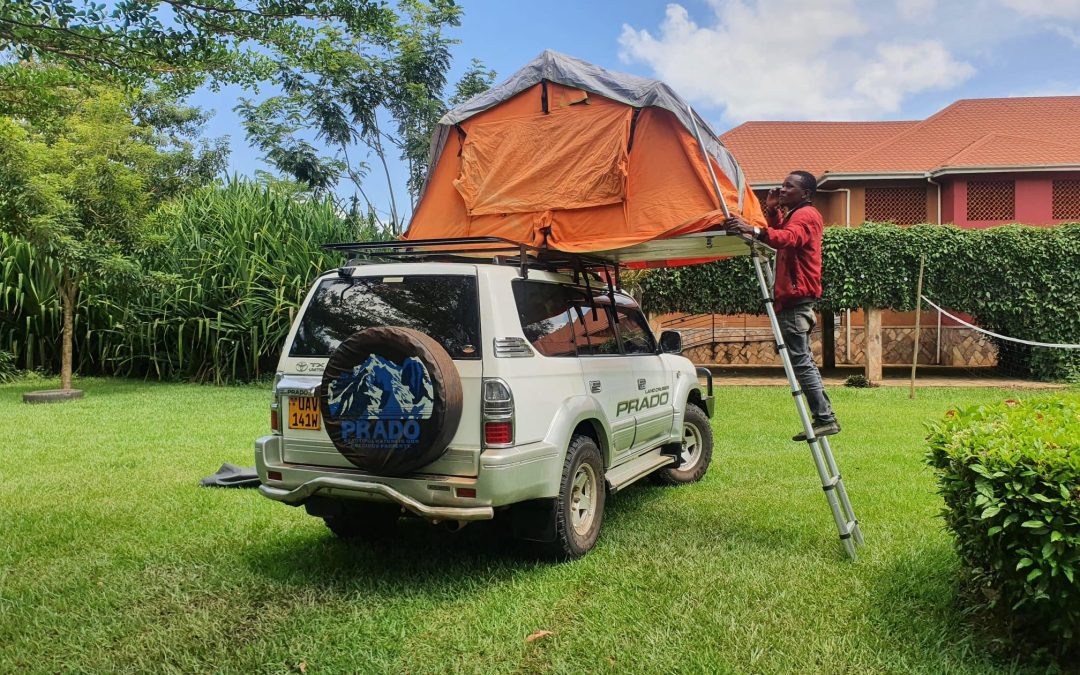
A self-drive roof-tent vehicle is a four-wheel-drive car fitted with a folding tent above the vehicle. You drive the car yourself and use the rooftop tent as your accommodation at approved campsites.
The tent normally includes a mattress, ladder, mosquito screens, windows, ventilation panels, and a waterproof outer cover. Once you reach your campsite, you park on level ground and unfold the tent.
Depending on the design, two people can normally set up a rooftop tent within a few minutes. This makes it more convenient than assembling a traditional ground tent every evening.
A fully equipped Uganda camping vehicle may also include:
- Gas cooker and gas cylinder
- Refrigerator or electric cooler
- Camping chairs and table
- Cooking pots and frying pan
- Plates, cups, bowls, and cutlery
- Sleeping bags, sheets, pillows, and blankets
- Water containers
- Interior and exterior lights
- Power inverter or USB charging points
- Spare tyre and tyre-changing tools
- Recovery rope and basic tool kit
- First-aid kit
- Fire extinguisher
- Road map or GPS navigation device
Equipment differs between rental companies. For this reason, you should request a complete written inventory before paying your deposit.
Why Choose Self-Drive Roof-Tent Car Hire Uganda?
Renting a roof-tent vehicle gives you greater independence than a traditional organised safari. You control the route, schedule, meal stops, and overnight locations.
Freedom to explore Uganda at your own pace
A private road trip allows you to spend more time at wildlife viewpoints, crater lakes, community projects, or scenic locations. You can also add rest days when you need them.
However, some activities operate at fixed times. Gorilla trekking, chimpanzee tracking, boat safaris, and guided nature walks may require advance reservations. Therefore, your itinerary should remain flexible while respecting confirmed activities.
Transport and accommodation combined
Your rental vehicle serves as both transportation and accommodation. As a result, you do not need to reserve a hotel for every night.
You must still use authorised campsites and pay the required camping fees. Nevertheless, camping is often more affordable than staying in safari lodges throughout a long journey.
Access to remote destinations
Uganda’s attractions are spread across different regions. A strong 4×4 can take you to Bwindi Impenetrable National Park, Kidepo Valley, Queen Elizabeth National Park, Murchison Falls, Lake Bunyonyi, Kibale Forest, and many other destinations.
Road conditions can change after heavy rain. Consequently, you should ask your rental provider and campsite managers for recent information before entering remote areas.
A private safari experience
Self-driving gives couples, families, and small groups more privacy. You are not sharing the vehicle with travellers who have different interests or schedules.
Moreover, you can choose where to stop for photographs, meals, and short breaks.
Close contact with nature
Camping allows you to wake up near Uganda’s forests, lakes, and savannahs. You may hear birds, insects, hippos, or distant wildlife during the night.
Nevertheless, you must respect campsite regulations. Never approach animals or walk around an unfenced campsite after dark without advice from the staff.
Good value for longer safaris
A rooftop camper can reduce accommodation and restaurant expenses. The financial benefit becomes more noticeable on trips lasting two weeks or longer.
However, your total budget must still cover fuel, campsites, park fees, vehicle entrance charges, food, permits, and optional activities.
Is a Self-Drive Safari in Uganda Right for You?
A Uganda self-drive camping safari is ideal for travellers who enjoy independence and outdoor experiences. It is particularly suitable for:
- Couples seeking a private adventure
- Experienced solo travellers
- Families with older children
- Wildlife photographers
- Birdwatchers
- Overland travellers
- Long-term visitors
- Travellers combining Uganda and Rwanda
- Visitors comfortable with basic campsite facilities
However, self-driving requires confidence and patience. You may have to navigate busy towns, rough roads, animals, motorcycles, pedestrians, and changing weather.
Consider hiring a driver-guide if you have limited driving experience, a short holiday, or an itinerary that includes remote destinations. A guide can also help you find wildlife and understand local culture.
Choosing the Best Roof-Tent Vehicle in Uganda
The right vehicle depends on your route, group size, rental period, and travel season. Do not choose a vehicle based only on the lowest rate.
Consider ground clearance, tyre condition, storage, fuel consumption, transmission type, camping equipment, and roadside support.
Toyota Land Cruiser Roof-Tent Rental Uganda
A Toyota Land Cruiser is one of the best options for a serious Uganda road trip. It offers high ground clearance, dependable four-wheel-drive performance, and enough strength for challenging roads.
Popular models may include:
- Toyota Land Cruiser Prado
- Land Cruiser 70 Series
- Land Cruiser 76
- Land Cruiser Troop Carrier
- Extended safari Land Cruiser
A Land Cruiser is suitable for national parks, gorilla trekking routes, remote regions, and cross-border journeys.
However, Land Cruisers normally cost more to rent and use more fuel than smaller vehicles. You should include fuel consumption in your total budget.
Toyota Hilux With a Rooftop Tent
The Toyota Hilux is another practical camping vehicle. A double-cab model provides passenger seating and a separate rear area for luggage and equipment.
A Hilux can be suitable for couples, families, and small groups. Nevertheless, storage may become limited when several passengers carry large suitcases.
Soft travel bags are generally easier to store than large hard-shell cases.
Toyota RAV4 Roof-Tent Rental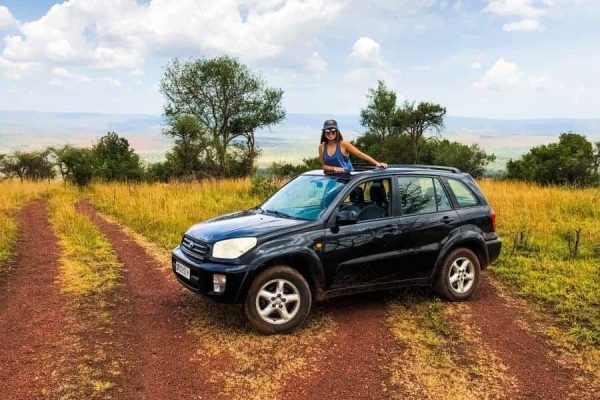
A four-wheel-drive Toyota RAV4 may suit two people following established tourism routes during favourable weather. It is often more fuel-efficient and affordable than a Land Cruiser.
However, not every RAV4 is designed for difficult off-road conditions. It may have lower ground clearance, smaller tyres, and less luggage space.
A RAV4 should not be selected for a remote journey without confirming that it can safely manage the planned roads.
Land Rover Defender and Other 4×4 Campers
Other possible rental vehicles include Land Rover Defenders, Nissan Patrols, Mitsubishi Pajeros, and specially converted safari campers.
The brand is important, but maintenance is even more important. A well-maintained vehicle with good tyres is safer than an older premium model with mechanical problems.
Ask the provider when the vehicle was last serviced and whether it has completed a recent inspection.
Manual or Automatic Transmission?
Manual vehicles are widely available and may cost less. However, international visitors who are not comfortable using a manual transmission should request an automatic vehicle.
An automatic 4×4 can make it easier to manage Kampala traffic and steep roads. Yet automatic roof-tent vehicles may be limited, especially during popular travel months.
Confirm the transmission type in writing before booking.
One or Two Rooftop Tents?
A standard rooftop tent normally accommodates two adults. Some larger models may fit two adults and a small child, but you should verify the mattress dimensions.
Families and groups may require two rooftop tents. Alternatively, the package may combine a rooftop tent with a ground tent.
Before confirming, ask about:
- Number of tents
- Mattress dimensions
- Tent weight limit
- Ladder design
- Bedding
- Waterproof cover
- Windows and ventilation
- Mosquito screens
- Awning or shade
- Setup procedure
Equipment Included With Self-Drive Roof-Tent Car Hire Uganda
A fully equipped car should provide the basic items needed for sleeping, cooking, food storage, lighting, and vehicle recovery.
Sleeping Equipment
The sleeping package may include a mattress, sheets, pillows, sleeping bags, and blankets. Request clean bedding for every traveller.
Although Uganda has a warm climate, nights can become cold in highland regions. Bwindi, Kisoro, Kabale, Mgahinga, and the Rwenzori area can feel cool after sunset.
Therefore, ask for warmer blankets if your route includes southwestern Uganda or mountain destinations.
Camping Kitchen
A standard camping kitchen may include:
- One- or two-burner stove
- Gas cylinder
- Cooking pots
- Frying pan
- Plates and bowls
- Cups
- Cutlery
- Kitchen knife
- Chopping board
- Serving utensils
- Washing basin
- Dishwashing liquid
- Cleaning cloth
- Rubbish bags
Check that the gas bottle is full during vehicle collection. If you are travelling for several weeks, ask where you can refill it.
Refrigerator and Electrical System
A refrigerator helps keep drinks, vegetables, dairy products, and other food cool. Ideally, it should operate through a dual-battery system.
A dual-battery system allows the camping refrigerator to use a separate battery from the one that starts the engine. As a result, you reduce the risk of waking up with a flat starting battery.
Ask the rental company to demonstrate the refrigerator and charging system before departure.
Water Storage
Carry enough drinking water for every driving day, plus an emergency reserve. Large water containers are useful in national parks and remote areas.
However, secure the containers properly. Loose water containers can move or leak while driving on rough roads.
Recovery and Safety Equipment
A suitable safari vehicle should carry:
- Spare tyre
- Jack
- Wheel spanner
- Warning triangle
- Tow rope or recovery strap
- Jumper cables
- Basic tool kit
- First-aid kit
- Fire extinguisher
- Tyre-pressure gauge
For remote journeys, you may also need an air compressor, traction boards, shovel, and second spare tyre.
Do not attempt a difficult vehicle recovery without proper knowledge. Incorrect techniques can cause injuries or serious vehicle damage.
Navigation and Communication
Mobile coverage is available in many parts of Uganda. However, some national parks and remote roads have limited service.
Download offline maps before leaving Kampala or Entebbe. In addition, carry a charging cable, power bank, and written emergency numbers.
For isolated journeys, ask whether a satellite communication device is available.
Self-Drive Roof-Tent Car Hire Uganda Costs
Rental prices vary according to the vehicle, season, rental duration, equipment, and insurance. Therefore, request a detailed quotation based on your actual travel plan.
A quotation should clearly explain what is included and excluded.
Factors that affect the price
The daily rental cost may depend on:
- Vehicle model
- Vehicle age
- Manual or automatic transmission
- One or two rooftop tents
- Number of travellers
- Rental duration
- Travel season
- Camping equipment
- Refrigerator
- Insurance cover
- Mileage allowance
- Airport delivery
- Additional driver
- Cross-border paperwork
- One-way drop-off
- Driver-guide services
Long rentals may qualify for a reduced daily rate. Nevertheless, longer bookings can require a larger deposit.
Additional safari costs
In addition to the rental price, budget for:
- Fuel
- Campsite fees
- National park entrance
- Vehicle entry charges
- Gorilla permits
- Chimpanzee permits
- Boat cruises
- Guided walks
- Food and drinking water
- Parking
- Border charges
- Visa expenses
- Laundry
- Tips
- Emergency accommodation
- Tyre repairs
Always keep an emergency reserve. Weather, road closures, vehicle problems, or itinerary changes may create unexpected expenses.
Insurance and Security Deposits
Insurance terms should be examined before confirming a self-drive roof-tent car hire Uganda booking.
Do not accept “fully insured” as a complete explanation. Ask the company to describe the coverage, exclusions, excess, and accident-reporting process.
Common exclusions can include:
- Tyre damage
- Windscreen damage
- Undercarriage damage
- Water damage
- Interior damage
- Rooftop-tent damage
- Negligent driving
- Unauthorised drivers
- Driving while impaired
- Unapproved roads
- Night driving
- Cross-border travel without permission
- Recovery and towing
A refundable security deposit may also be required. Ask when it will be returned and what charges can be deducted.
Photograph the complete vehicle during collection. Record existing scratches, dents, damaged equipment, or missing items on the inspection document.
Uganda Driving Requirements
International visitors generally need a valid driving licence from their country of residence. Depending on the licence and rental terms, an International Driving Permit may also be required.
Carry the following documents:
- Original driving licence
- International Driving Permit when applicable
- Passport
- Visa or entry record
- Rental agreement
- Insurance documents
- Vehicle registration papers
- Emergency contacts
- Cross-border authorisation when applicable
Only registered drivers should operate the rental car. Allowing an unauthorised person to drive may invalidate the insurance.
Important Uganda Driving Tips
Ugandans drive on the left side of the road. Vehicles normally have the steering wheel on the right.
Avoid driving at night
Roads outside major towns may have limited lighting. Pedestrians, bicycles, motorcycles, animals, and stopped vehicles can be difficult to see.
Plan to arrive at your campsite before sunset. You will also need daylight to park safely and open the rooftop tent.
Prepare for Kampala traffic
Kampala can experience heavy traffic. Motorcycles frequently move between vehicles, while pedestrians may cross unexpectedly.
If you do not feel confident driving through Kampala, request vehicle delivery to your hotel or Entebbe accommodation. Some providers may also help you leave the busiest area.
Drive defensively
Reduce speed near villages, markets, schools, pedestrians, livestock, and parked vehicles. In addition, maintain enough distance from the car ahead.
Never assume another road user will follow the expected lane or give you priority.
Respect speed limits
Follow posted speed limits on highways, inside towns, and within national parks. Speeding increases the risk of accidents and wildlife collisions.
Park authorities may also issue penalties for breaking park regulations.
Plan fuel stops
Fuel is easy to find in Kampala and regional towns. However, stations become less common in remote areas.
Fill your tank before entering Kidepo, Murchison Falls, Bwindi, or other isolated regions. Ask the rental company about fuel type, tank size, and estimated range.
Best Time for a Uganda Roof-Tent Safari
Uganda is open throughout the year. However, the drier periods are generally easier for self-drive camping.
During dry weather, tracks are less muddy and campsites are easier to use. Wildlife may also gather near permanent water sources.
Wet-season travel offers green landscapes, fewer visitors, and excellent birdwatching. On the other hand, heavy rain can make rural roads and park tracks difficult.
Weather is never completely predictable. Pack a waterproof jacket, dry bags, suitable footwear, and warm layers during every season.
Best Self-Drive Safari Destinations in Uganda
Murchison Falls National Park
Murchison Falls combines powerful Nile scenery with classic savannah wildlife. Visitors can enjoy game drives, boat safaris, birdwatching, and waterfall viewpoints.
Possible wildlife sightings include elephants, giraffes, buffaloes, lions, hippos, crocodiles, and several antelope species.
A 4×4 is valuable inside the park, particularly after rain. Always remain on authorised tracks.
Ziwa Rhino Sanctuary
Ziwa can be visited while travelling between Kampala and Murchison Falls. It is known for guided rhino tracking and conservation work.
All wildlife walks must follow the sanctuary’s procedures. Do not attempt to explore wildlife areas without an authorised guide.
Kidepo Valley National Park
Kidepo offers dramatic mountains, open plains, wildlife, and a powerful sense of wilderness. However, it is one of Uganda’s most remote national parks.
Choose a reliable Land Cruiser or similar 4×4. Carry enough fuel, water, food, cash, and emergency supplies.
Moreover, check current road conditions before departure.
Kibale National Park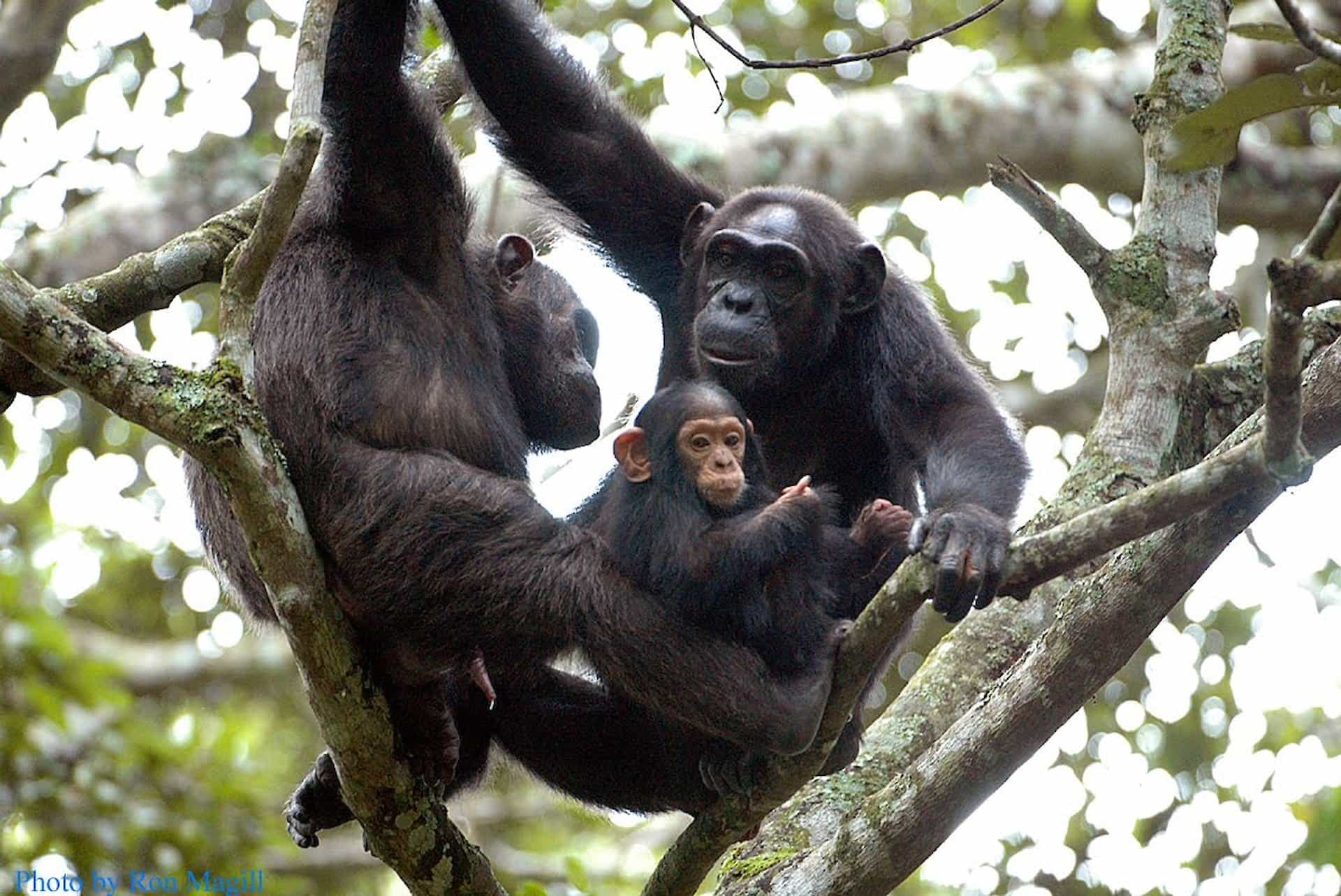
Kibale is one of Africa’s best-known chimpanzee-tracking destinations. The surrounding region also offers crater lakes, wetlands, forests, and community activities.
Chimpanzee permits should be reserved in advance. Campsites and simple accommodation are available around Kibale and Fort Portal.
Queen Elizabeth National Park
Queen Elizabeth National Park offers game drives, crater scenery, birdwatching, and boat safaris along the Kazinga Channel.
Wildlife may include elephants, buffaloes, lions, hippos, antelopes, warthogs, and many bird species.
Some park tracks become muddy during wet weather. Therefore, speak to park staff before entering less-used areas.
Ishasha Sector
Ishasha forms the southern part of Queen Elizabeth National Park. It is famous for lions that sometimes rest in fig trees.
However, wildlife sightings are never guaranteed. The sector remains worthwhile for its quiet tracks and attractive landscapes.
Ishasha can be included between Queen Elizabeth and Bwindi.
Bwindi Impenetrable National Park
Bwindi is Uganda’s leading mountain gorilla destination. The forest has several trekking sectors, including Buhoma, Ruhija, Rushaga, and Nkuringo.
Your permit is valid for a specific sector and date. Therefore, confirm the sector before booking a campsite.
Driving between Bwindi sectors can take several hours. Roads are winding, steep, and sometimes slippery.
Mgahinga Gorilla National Park
Mgahinga offers mountain gorilla trekking, golden monkey tracking, volcano hiking, birdwatching, and cultural activities.
The park can be combined with Kisoro, Lake Mutanda, Lake Bunyonyi, Bwindi, or Rwanda.
Because Mgahinga lies in a highland region, evenings can be cold.
Lake Bunyonyi
Lake Bunyonyi is an attractive place to relax after gorilla trekking. Visitors can enjoy lake views, canoeing, boat trips, birdwatching, and community experiences.
Several campsites and lodges are available. However, some approach roads are steep, so request accurate directions before driving.
Lake Mburo National Park
Lake Mburo is conveniently located between Kampala and southwestern Uganda. It offers game drives, boat trips, birdwatching, and guided activities.
Wildlife may include zebras, impalas, buffaloes, warthogs, and many birds.
The park is a good first or final stop on a longer self-drive circuit.
Jinja and the Nile
Jinja is suitable for a short journey from Kampala or Entebbe. Travellers can take boat trips, visit the Nile, explore local communities, and stay at riverside campsites.
Although the main road does not require a 4×4, Jinja can form part of a longer camping safari.
Sipi Falls
Sipi Falls offers guided hikes, waterfalls, coffee experiences, and views across eastern Uganda.
Use a local guide for hiking because the trails cross community land and may be difficult to follow independently.
Rwenzori and Semuliki
Western Uganda offers mountain landscapes, forests, hot springs, birdwatching, and cultural activities.
Long Rwenzori treks require professional organisation. However, shorter hikes and community visits can be included in a self-drive itinerary.
Gorilla Trekking on a Self-Drive Safari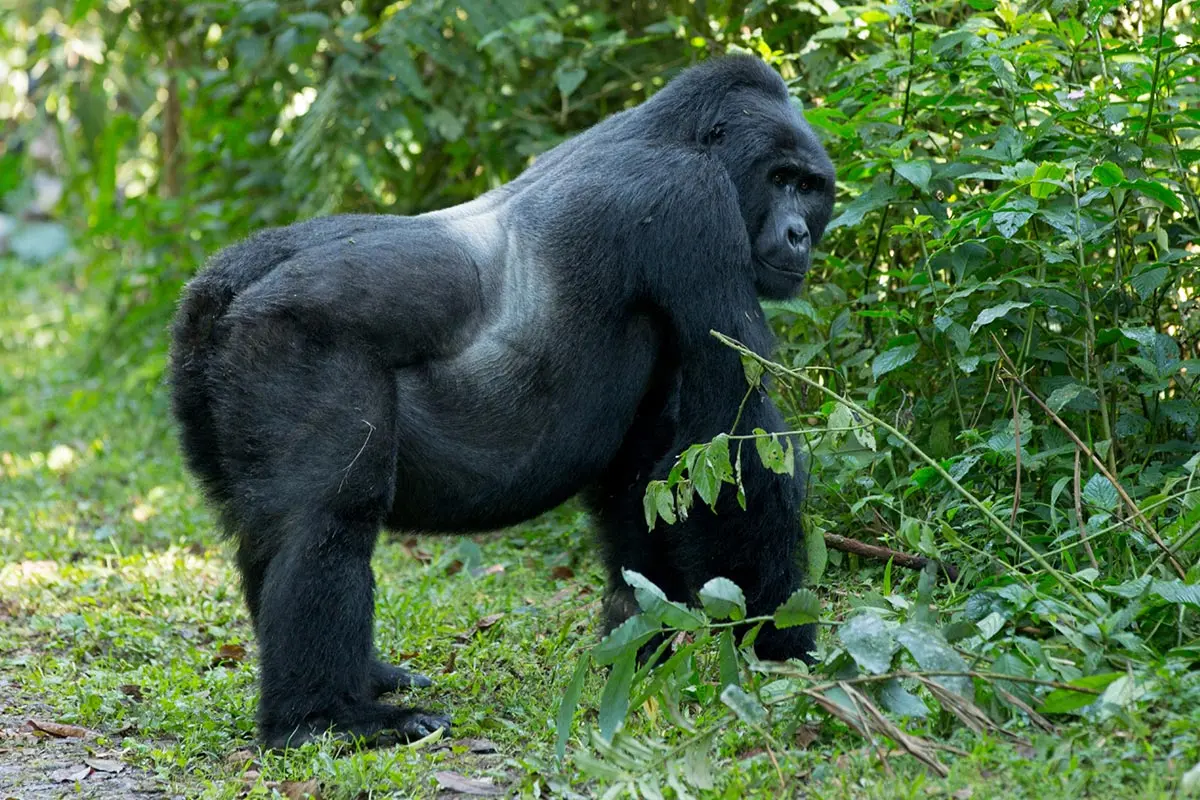
Gorilla trekking can be the highlight of a Uganda road trip. Nevertheless, it must be planned carefully.
Book your permit before finalising the rental itinerary. Gorilla permits are limited and may sell out during popular travel periods.
Confirm your trekking sector
Your permit specifies where you must report. A permit for Rushaga cannot be used in Buhoma, Ruhija, or Nkuringo.
Reserve a campsite close to the correct briefing point.
Arrive the day before
Do not attempt to drive from Kampala and complete the gorilla trek on the same day. The journey is too long and delays are possible.
Arrive near your trekking sector one day earlier and report for the briefing the following morning.
Protect your belongings
Lock luggage and valuables inside the vehicle while trekking. Better still, ask your campsite whether secure storage is available for passports and expensive electronics.
Camping Safely in Uganda
Always use authorised campsites. Wild camping can cause problems with wildlife, landowners, communities, and local authorities.
Store food securely
Never keep food inside the roof tent. Store it in sealed containers inside the vehicle or in the campsite’s approved food-storage area.
Wash cooking utensils soon after eating and remove food scraps.
Do not walk alone after dark
Wild animals may pass through unfenced campsites. Use a torch and follow the instructions provided by campsite staff.
Ask for an escort when necessary.
Never feed wildlife
Feeding animals changes their behaviour and can make them aggressive around people. Keep food out of sight and maintain a safe distance.
Use fires responsibly
Only light a fire in a designated place. Extinguish it completely before going to sleep.
Do not collect firewood unless the campsite clearly permits it.
Sample 7-Day Uganda Self-Drive Roof-Tent Itinerary
Day 1: Entebbe or Kampala to Lake Mburo
Complete the vehicle handover and drive toward Lake Mburo National Park. Enter the park for an afternoon game drive if time allows.
Stay at an authorised campsite.
Day 2: Lake Mburo to Bwindi
Continue to the Bwindi sector listed on your gorilla permit. Stop for fuel and supplies in a major town.
Arrive before dark and prepare for the following morning.
Day 3: Gorilla trekking
Report to the park office for briefing. After your trek, return to the campsite and rest.
Do not plan a long drive because the trekking duration cannot be predicted.
Day 4: Bwindi to Queen Elizabeth National Park
Travel toward Queen Elizabeth National Park. Depending on your sector and road conditions, the route may pass through Ishasha.
Day 5: Queen Elizabeth National Park
Enjoy an early game drive and an afternoon Kazinga Channel boat trip.
Return to your campsite before dark.
Day 6: Queen Elizabeth to Kibale
Drive toward Kibale and explore the crater-lake region or a community wetland.
Day 7: Return to Kampala or Entebbe
Travel back to Kampala or Entebbe. Allow extra time for traffic and the final vehicle inspection.
Sample 14-Day Self-Drive Camping Safari Uganda
A two-week itinerary gives you more time to explore without rushing.
- Days 1–2: Jinja and the Nile
- Days 3–4: Sipi Falls
- Days 5–7: Murchison Falls National Park
- Day 8: Fort Portal
- Day 9: Kibale chimpanzee tracking
- Days 10–11: Queen Elizabeth National Park
- Days 12–13: Bwindi and gorilla trekking
- Day 14: Lake Mburo or return to Kampala
Driving times should be confirmed before departure. Adding an extra night between Bwindi and Kampala can make the itinerary more comfortable.
Uganda and Rwanda Cross-Border Car Hire
A cross-border journey can connect Uganda’s gorilla parks with Kigali, Volcanoes National Park, Lake Kivu, Nyungwe Forest, and Akagera National Park.
However, not every rental vehicle may leave Uganda. Written approval and additional documents are normally required.
Ask about:
- Cross-border permission
- Insurance valid in Rwanda
- COMESA or regional insurance
- Vehicle registration documents
- Temporary export authorisation
- Additional fees
- Emergency support outside Uganda
- One-way rental charges
- Permitted countries
- Border procedures
Never take a rental vehicle across an international border without written authorisation.
What to Pack for a Roof-Tent Safari
Useful clothing and equipment include:
- Lightweight shirts
- Comfortable trousers
- Warm sweater or fleece
- Waterproof jacket
- Walking shoes
- Campsite sandals
- Sun hat
- Head torch
- Insect repellent
- Sunscreen
- Binoculars
- Camera
- Power bank
- Universal adapter
- Dry bags
- Reusable water bottle
- Small backpack
- Personal medicine
- Travel documents
- Ugandan shillings for smaller expenses
Use soft bags when possible because they are easier to fit into vehicle storage areas.
Food Planning for a Camping Safari
Kampala and Entebbe have supermarkets where you can buy food, drinking water, toiletries, and cooking supplies.
Regional towns also have local shops and fresh markets. However, options may be limited near remote parks.
Choose meals that are simple to cook. Breakfast can include eggs, bread, fruit, tea, and coffee. Lunch can be prepared as sandwiches or salads. Pasta, rice, vegetables, and beans are practical evening meals.
Some campsites have restaurants. Contact them early if you want dinner because remote kitchens may require advance notice.
Responsible Self-Drive Travel in Uganda
Responsible travel protects wildlife and supports local communities.
Stay on recognised roads and national park tracks. Never drive across vegetation to approach an animal.
Take all rubbish to a proper disposal point. Reusable water bottles, shopping bags, and food containers can reduce waste.
Ask permission before photographing people. Furthermore, support community guides, locally owned campsites, craft makers, markets, and restaurants.
Use water carefully because some remote campsites have limited supplies.
Finally, keep a safe distance from wildlife. Never chase animals, block their path, or use the vehicle to pressure them for photographs.
Common Self-Drive Mistakes to Avoid
Planning excessive driving distances
Uganda journeys often take longer than online maps suggest. Traffic, roadworks, rain, and rough sections can add several hours.
Selecting a vehicle based only on price
The cheapest rental may have worn tyres, limited insurance, basic equipment, or weak emergency support.
Booking the wrong Bwindi campsite
Always match the campsite with the gorilla sector shown on your permit.
Skipping the vehicle inspection
Test the tent, refrigerator, stove, lights, locks, charging points, tools, and spare tyre before leaving.
Driving after dark
Night travel carries greater risks and makes campsite setup difficult.
Following unsuitable online shortcuts
Navigation applications may recommend poor rural tracks. Confirm routes with the rental company, campsite staff, or park authorities.
Leaving valuables visible
Keep passports, money, cameras, and electronics locked away.
Frequently Asked Questions
Do I need a 4×4 for a Uganda self-drive safari?
A 4×4 is strongly recommended for national parks, gorilla destinations, rural roads, remote regions, and wet-season travel.
Can I collect the vehicle at Entebbe Airport?
Many rental providers offer vehicle delivery to Entebbe Airport or a nearby hotel. Additional charges may apply.
Can I camp anywhere in Uganda?
No. Use authorised campsites or locations where you have clear permission to camp.
Are campsites available inside national parks?
Several parks have campsites inside or close to their boundaries. Facilities range from basic wilderness sites to organised camps with showers, toilets, and restaurants.
Is a rooftop tent waterproof?
A well-maintained tent should resist normal rain when correctly opened and secured. Inspect its fabric, seams, zips, and outer cover during handover.
Can I rent a rooftop vehicle without camping equipment?
Some companies offer separate packages. Confirm whether cooking equipment, bedding, chairs, a table, and a refrigerator are included.
Is self-driving safe in Uganda?
It can be safe when you use a reliable vehicle, plan realistic routes, avoid night driving, follow traffic rules, and stay at recognised campsites.
Can I drive from Kampala to Bwindi in one day?
The journey is possible but long. Leave early, use the correct route, and plan to arrive before dark.
Can the roof tent accommodate children?
Tent capacity varies. Families may need two tents or an additional ground tent.
Are toilets and showers built into the car?
Most roof-tent vehicles do not contain permanent bathrooms. Travellers use campsite facilities.
Can I hire a driver?
Some companies provide a driver or safari guide. Their meals, accommodation, and daily allowance should be included in the quotation or clearly listed separately.
Are gorilla permits included?
Permits are normally separate unless your package states that they are included.
Can I combine camping and lodges?
Yes. Combining campsites with occasional lodge stays provides extra comfort during long journeys or bad weather.
Book Self-Drive Roof-Tent Car Hire Uganda
A self-drive roof-tent car hire Uganda package gives you the freedom to experience the country beyond a fixed safari schedule. You can explore wildlife parks, mountain forests, lakes, waterfalls, and community destinations while carrying your accommodation with you.
For the best experience, choose a well-maintained vehicle that matches your route. Check its insurance, camping equipment, tyres, emergency support, and cross-border permissions. In addition, reserve gorilla permits and popular campsites before arrival.
Universal Ventures Rwanda can help you organise self-drive and guided 4×4 adventures in Uganda and Rwanda. Services may include vehicle rental, personalised route planning, camping equipment, gorilla permit assistance, campsite reservations, cross-border support, and 24-hour local assistance.
Contact Universal Ventures Rwanda
Contact our team for a personalised self-drive roof-tent car hire Uganda quotation.
Universal Ventures Rwanda
Address: Kigali, Rwanda
Telephone/WhatsApp: +250 781 441 853
Email: info@universalventuresrwanda.com
Website: www.universalventuresrwanda.com