
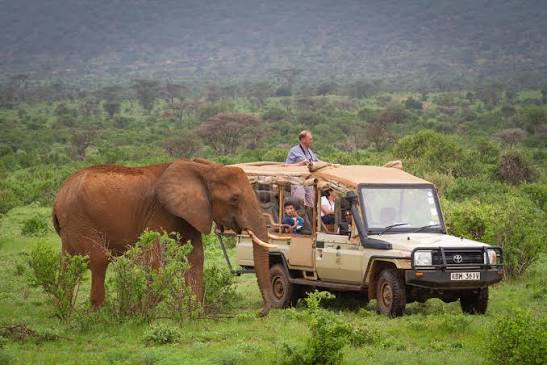
Choosing a self-drive roof-tent car hire Kenya package gives you transport, accommodation and camping equipment in one practical solution. Your rental vehicle carries a rooftop tent, mattress, cooking kit and essential camping gear. Therefore, you can drive between parks, stay at authorized campsites and enjoy Kenya’s wilderness without relying entirely on lodges.
Kenya offers some of Africa’s most exciting road-trip experiences. Open savannahs, dramatic escarpments, volcanic landscapes, tropical beaches and wildlife-rich national parks create endless opportunities for adventure. Instead of following a fixed group itinerary, independent travelers can explore these remarkable places at their own pace.
However, a successful self-drive safari requires more than renting the first available four-wheel-drive vehicle. You need a reliable 4×4, suitable insurance, complete camping equipment, a sensible route and accurate information about road conditions. Careful preparation also helps you manage fuel, park fees, food, water and possible mechanical problems.
This complete guide explains how to choose the right rooftop-tent vehicle, understand rental prices, plan a route and camp safely. It also covers driving regulations, wildlife etiquette, cross-border travel and the questions you should ask before paying a deposit.
Whether you plan a seven-day Kenya road trip or a longer East African expedition, this guide will help you travel confidently and responsibly.
What Is Self-Drive Roof-Tent Car Hire in Kenya?
Self-drive roof-tent car hire combines a rental vehicle with camping accommodation. You drive the vehicle without a permanent chauffeur and sleep in a tent mounted on its roof.
Most rooftop tents fold into a compact unit while you drive. Once you reach camp, you park on level ground, remove the protective cover and unfold or raise the tent. An attached ladder provides access, while a built-in mattress creates a comfortable sleeping surface.
A standard rooftop tent normally accommodates two adults. Family tents may sleep two adults and a child, depending on their dimensions. Groups of three or four travelers often choose a vehicle carrying two separate tents.
Rental companies may also supply bedding, cooking equipment, chairs, a table, water containers and a refrigerator. Some packages include recovery tools, additional spare tires, solar panels and a dual-battery system.
Because equipment packages vary, always request a written inventory. One company may describe a vehicle as “fully equipped” while excluding sleeping bags, pillows or refrigerator use. Another may include almost everything required for an extended camping safari.
Self-drive roof-tent car hire Kenya holidays suit travelers who enjoy independence and outdoor living. The setup creates more freedom than a scheduled safari while keeping essential accommodation and equipment close at hand.
Why Choose a Self-Drive Rooftop-Tent Safari in Kenya?
A self-drive camping safari allows you to control the pace of your holiday. You decide when to leave camp, where to stop and how long to remain at a wildlife sighting.
Although park opening times and campsite regulations still apply, you avoid the rigid schedule of a large tour group. This freedom proves particularly valuable for photographers, birdwatchers and travelers who prefer slow, immersive journeys.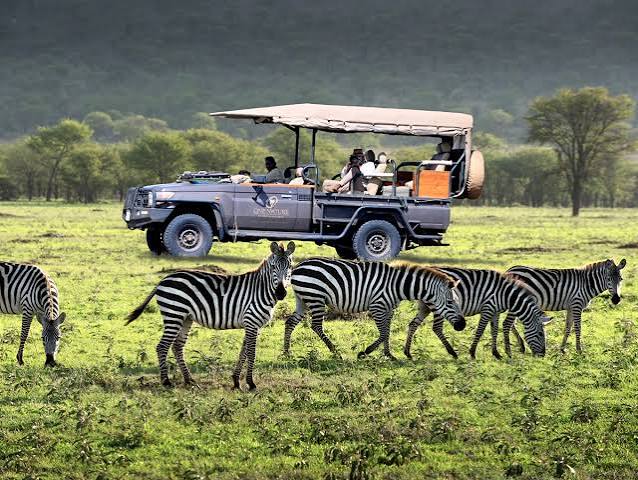
Camping also brings you closer to nature. At a wilderness campsite, you may hear lions calling across the plains, hyenas communicating after dark or hippos moving near a lake. Early the next morning, you can prepare coffee while watching the first light spread across the landscape.
A rooftop tent raises your bed above mud, surface water and many ground-level insects. Most models include a foam mattress, mosquito screens and ventilation windows. After some practice, travelers can often open or close the tent quickly.
Mounting the sleeping area above the vehicle also preserves interior storage space. You can use that room for food, water, luggage, cooking equipment and recovery tools.
Furthermore, camping helps many travelers control accommodation expenses. Nevertheless, you must calculate the total holiday cost rather than concentrating only on the daily rental rate. Fuel, park entrance fees, campsites, food and activities can contribute significantly to the final budget.
Most importantly, self-driving creates a personal sense of adventure. Navigating between destinations, preparing meals and managing camp turn the journey into an active experience rather than a simple transfer between lodges.
Who Should Consider Self-Drive Roof-Tent Car Hire Kenya?
Independent camping works well for couples, friends, solo travelers and adventurous families. The best candidates enjoy driving, accept basic outdoor routines and remain calm when plans change.
Previous camping experience helps, but first-time campers can also enjoy this travel style. A professional rental company should demonstrate how to operate the vehicle, four-wheel-drive system, refrigerator, camping equipment and rooftop tent.
Drivers should feel comfortable covering long distances and adapting to different road surfaces. Kenya drives on the left, and traffic around Nairobi can become demanding. Rural roads may include speed bumps, potholes, pedestrians, livestock and slow commercial vehicles.
Inside national parks, conditions can change quickly. Rain may turn a firm track into slippery mud, while dry weather creates deep dust and corrugations. Patience matters more than speed.
Travelers with limited mobility should consider the rooftop-tent ladder before booking. Entering and leaving the tent requires balance and moderate physical ability. Young children also need close supervision around ladders, cooking areas and wildlife camps.
Anyone seeking continuous luxury may prefer a lodge safari with a professional driver-guide. Similarly, visitors with only a few days in Kenya can often gain more from a guide who already understands park roads and wildlife behavior.
A hybrid itinerary provides another option. Travelers can camp for several nights and then book a lodge for showers, laundry and rest. They may also hire a local guide for specific wildlife areas while driving independently between destinations.
Advantages of Self-Drive Roof-Tent Car Hire Kenya
Freedom remains the main advantage. Instead of adapting to a group timetable, you shape each day around your interests and energy level.
Privacy adds another benefit. Couples, families and friends share the vehicle without traveling alongside strangers. They can discuss route changes freely and stop whenever conditions allow.
Rooftop tents also simplify mobile camping. Because the mattress usually stays inside, you do not need to assemble a bed from the beginning every evening. The vehicle carries everything between destinations.
Adventure travelers value the strong connection with the landscape. Cooking outdoors, observing stars and listening to wildlife create experiences that lodge walls cannot reproduce.
Longer trips may also provide good value. Although the rental vehicle can cost more than a standard car, it replaces both transport and some accommodation.
Finally, independent driving encourages deeper engagement with Kenya. Travelers buy food in local towns, ask residents for directions and discover places that fixed itineraries often overlook.
Possible Disadvantages of a Rooftop-Tent Safari
A self-drive holiday requires daily effort. Someone must navigate, manage fuel, open the tent, cook, wash dishes and pack the equipment.
Weather can make these tasks more demanding. Strong wind, rain or extreme heat may reduce camping comfort. Wet canvas also requires careful handling and proper drying.
Unlike a professional guide, first-time visitors may struggle to identify wildlife or locate productive game-viewing areas. They can overcome part of this challenge by hiring park guides, joining guided activities or using reliable field guides.
Vehicle problems create another concern. Even a well-maintained 4×4 can suffer a puncture, damaged suspension or electrical fault. Strong roadside support therefore matters when selecting a rental provider.
Space can also become limited, particularly when several travelers carry hard-shell suitcases. Soft travel bags work better because they fit around storage boxes and camping equipment.
Finally, self-driving demands concentration. Long transfers followed by game drives may cause fatigue. A realistic itinerary should include rest periods and limit unnecessary one-night stops.
Choosing the Best 4×4 for a Kenya Camping Safari
The best rental vehicle matches your group size, planned route, luggage and driving experience. Bigger does not automatically mean better.
A genuine four-wheel-drive vehicle suits most Kenya camping circuits. Higher ground clearance helps on rocky tracks, deep ruts and rough campsite entrances. Four-wheel drive also improves traction on mud, sand and loose gravel.
However, the driver still needs good judgment. No vehicle can compensate for excessive speed, poor route selection or careless water crossings.
Toyota Land Cruiser Prado with a Rooftop Tent
A Toyota Land Cruiser Prado offers a practical balance between comfort and off-road performance. Couples frequently choose this model for routes through Amboseli, Lake Naivasha, Lake Nakuru, Samburu and the Maasai Mara.
The Prado usually feels comfortable on paved highways and manageable in urban traffic. Depending on the model, it may have a diesel or petrol engine and a manual or automatic transmission.
One rooftop tent normally suits two adults. Before booking, check the sleeping dimensions and total roof-load capacity.
Interior storage can become limited once you add food, water, luggage and cooking equipment. Bring soft bags and avoid oversized suitcases.
Toyota Land Cruiser 70 Series
Overland travelers often choose the Land Cruiser 70 Series for its durability and simple mechanical design. Hardtop and Troop Carrier models can handle demanding routes while carrying substantial equipment.
Their high ground clearance and rugged construction suit northern Kenya, remote campsites and longer cross-border expeditions.
Comfort levels vary. Some models have basic interiors, firm suspension and manual transmissions. Consequently, they may feel less refined than a Prado during long highway journeys.
Despite that trade-off, serious adventurers value the 70 Series for its load capacity and off-road strength.
Toyota Land Cruiser 78 Series with Two Rooftop Tents
Groups of three or four people may need a long-wheelbase Land Cruiser with two rooftop tents. This arrangement provides separate sleeping areas and enough room for camping supplies.
Extra height and weight affect vehicle handling. Drivers should reduce speed around corners, on uneven tracks and during strong crosswinds.
Watch for low branches, covered parking areas and height barriers. Before driving away each morning, confirm that both tents, ladders and protective covers sit securely.
Opening two tents naturally takes longer than preparing one. However, the extra sleeping space improves comfort for families and small groups.
Toyota Hilux or Double-Cab Pickup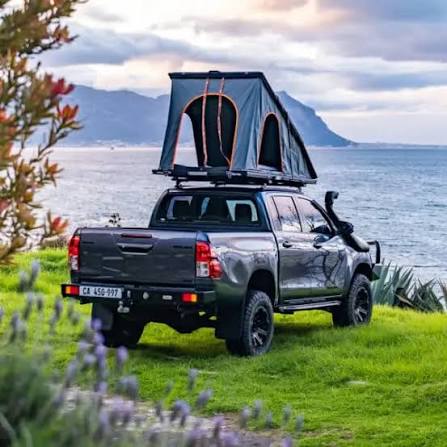
A Toyota Hilux combines strong off-road performance with useful equipment storage. Rental companies can mount the rooftop tent over the pickup bed and secure cooking supplies underneath.
Separating dusty gear from the passenger cabin makes this configuration attractive. Nevertheless, the storage compartment must resist dust and water.
Four adults should inspect the rear-seat space before booking. Some double-cab pickups feel comfortable for short transfers but cramped during long safari days.
Land Cruiser V8 with Rooftop Tent
Travelers seeking extra comfort may consider a Land Cruiser V8. Its powerful engine, spacious interior and smooth highway performance support longer journeys.
Higher fuel consumption creates the main disadvantage. Petrol versions can use considerably more fuel than smaller diesel models, especially when carrying a rooftop tent.
Rental rates may also exceed those of a Prado or traditional hardtop. Choose a V8 when comfort, space and power justify the added cost.
Can You Use a Toyota RAV4?
A Toyota RAV4 can handle paved roads and selected dry-season destinations. However, it lacks the ground clearance, low-range capability and load capacity of a full Land Cruiser.
Roof-load limits also require careful attention. A vehicle may support luggage while moving but not necessarily the combined weight of a tent and sleeping occupants when stationary.
For a complete Kenya camping circuit, choose a Land Cruiser, Hilux or another appropriately equipped 4×4.
Manual or Automatic Transmission?
Automatic vehicles reduce driver workload in traffic and during slow game drives. Many international visitors also feel more confident using an automatic rental.
Manual vehicles offer experienced drivers direct control. Rugged expedition models frequently come with manual transmissions, particularly older Land Cruiser hardtops.
Familiarity matters more than the transmission type. A driver who rarely uses a manual gearbox should not choose one simply to reduce the rental price.
Confirm the transmission in writing before paying a deposit. Website photographs may show a different vehicle from the one the company assigns to your booking.
Hard-Shell Versus Soft-Shell Rooftop Tents
Hard-shell rooftop tents open quickly and usually create a solid, streamlined profile when closed. Their rigid covers may handle wind and rain better than some soft-shell designs.
Soft-shell tents remain common across East Africa. They unfold to create a wider sleeping platform and come in single, double or family configurations.
A soft-shell model may require more effort when packing. Canvas, bedding and window covers must fit correctly before the protective cover closes.
Regardless of the design, inspect the mattress, hinges, ladder, mosquito screens, ventilation panels, zips and rain cover.
During the vehicle handover, open and close the exact tent yourself. Do not rely only on a staff demonstration. Both travelers should understand the process in case one person becomes tired or unwell.
What Should a Fully Equipped Rental Include?
Rental companies use the phrase “fully equipped” in different ways. Therefore, request a written inventory before confirming your self-drive roof-tent car hire Kenya package.
The sleeping setup should include a rooftop tent, mattress, ladder and waterproof travel cover. Confirm whether the company also provides pillows, sheets, blankets or sleeping bags.
Kenya’s highlands can become cold at night. Warm bedding matters around Mount Kenya, the Aberdares, Laikipia and other elevated regions.
A practical cooking kit normally contains a gas stove, fuel bottle, kettle, saucepan, frying pan, plates, cups, bowls, cutlery, knives and cooking utensils. A chopping board, lighter and washing-up kit also prove useful.
Camp furniture should include a table and one stable chair per traveler. Test the chairs and check their condition during collection.
Water containers must provide enough capacity for drinking, cooking and washing between supply points. Ask whether the containers arrive clean and whether they have secure taps or lids.
Many travelers consider a refrigerator essential. It keeps food fresh and drinking water cool during hot safari days. A dependable dual-battery system should power it without draining the vehicle’s starter battery.
Additional equipment may include an awning, storage boxes, solar panel, rechargeable lantern, extension cable, shovel, axe, fire extinguisher and first-aid kit.
Compare every item inside the vehicle with the inventory before departure. Photograph the equipment and report missing or damaged pieces immediately.
Essential Recovery and Safety Equipment
Safari vehicles need reliable recovery equipment as well as camping supplies.
Make sure the vehicle carries at least one properly inflated spare tire. Two spare tires provide better protection on remote routes.
The wheel-changing kit should contain a functional jack, wheel brace and strong base for soft ground. Ask the rental representative to show you the correct jacking points.
Essential recovery equipment includes a tow rope or recovery strap, warning triangles, a shovel, a tire-pressure gauge and basic tools. A portable air compressor also helps drivers adjust tire pressure or manage a slow puncture.
Advanced recovery tools require proper knowledge. Incorrect use can damage the vehicle or cause serious injury. Request a demonstration before attempting to use unfamiliar equipment.
Inspect every tire carefully. Look for adequate tread, sidewall cracks, exposed cords and uneven wear. Remember to examine the spare tires as well.
Next, test the lights, indicators, horn, windscreen wipers, air-conditioning, door locks and seat belts. Check engine-fluid levels and look underneath the vehicle for leaks.
Finally, locate the battery, fuse box, recovery points and emergency contact information. Save the support number in two phones and keep a written copy in the glove compartment.
Self-Drive Roof-Tent Car Hire Kenya Prices
Rental prices depend on the vehicle model, travel season, rental duration, equipment package and tent configuration.
A basic 4×4 without camping equipment normally costs less than a fully equipped Land Cruiser with two rooftop tents and a refrigerator. Automatic vehicles and newer models may also attract higher rates.
Market advertisements often show daily prices from around USD 70 for basic vehicles. Fully equipped Land Cruisers can start around USD 140 and rise beyond USD 250 per day. Treat these figures only as general estimates because rental prices change with demand, season and availability.
A low advertised rate may exclude insurance upgrades, bedding, refrigerator use, airport delivery, additional drivers or unlimited mileage.
Longer rentals sometimes receive reduced daily rates. Meanwhile, peak travel periods create stronger demand and limited vehicle availability.
When comparing quotations, check the following details:
- Exact vehicle model and year
- Manual or automatic transmission
- Petrol or diesel engine
- Number and size of rooftop tents
- Camping-equipment inventory
- Mileage policy
- Insurance and rental excess
- Roadside assistance
- Delivery and collection charges
- Taxes and cross-border fees
Comparing the complete package helps you avoid unexpected charges.
Additional Safari Costs
The rental rate covers only part of your holiday.
Fuel can become a major expense, especially when you choose a petrol V8 or plan a long route. Ask the rental company for realistic fuel-consumption estimates and calculate extra usage for rough tracks.
National parks and reserves charge entrance fees separately. You may also pay vehicle charges, campsite fees and conservancy fees.
Because rates can change, check current prices directly with the responsible park, reserve or conservancy before traveling.
Food costs depend on your cooking plans. Shopping in Nairobi or another large town usually saves money and provides more choice than relying on small shops near remote parks.
Other expenses may include guided game drives, boat trips, firewood, laundry, drinking water, mobile data, road tolls and parking.
Some rental companies also apply fees for airport delivery, one-way journeys, border paperwork or excessive cleaning.
Keep a contingency fund for unplanned lodge nights, route changes or vehicle expenses that insurance does not cover.
Insurance, Rental Excess and Security Deposits
Insurance deserves careful attention. Never accept a vague statement that the rental vehicle has “full coverage.”
Request the written policy conditions and read every exclusion. Many companies include collision damage protection but retain a rental excess. The renter may have to pay this amount before the insurer covers eligible damage.
The rental company may also hold a security deposit. Ask when it will release the funds and which conditions could delay the refund.
Common exclusions include damage to tires, windscreens, roofs, underbody components and vehicle interiors. Policies may also reject claims involving unauthorized drivers, speeding, intoxication, prohibited roads or careless water crossings.
Insurance will probably not cover damage caused by driving with an open rooftop tent. Low branches and covered parking structures can also damage the tent or roof rack.
Some policies handle single-vehicle accidents differently from collisions with another identified vehicle. Additionally, the insurer may exclude towing and remote recovery costs.
Before booking, ask direct questions. What is your maximum liability? Does the policy cover gravel roads? Who pays for recovery? Do tire and windscreen protections cost extra? Does coverage continue across international borders?
Contact the rental company immediately after an accident or mechanical problem. It may require photographs, witness information, a police report or documentation from park authorities.
Driving Licence and Entry Requirements
Every driver must hold a valid driving licence that meets Kenyan law and the rental company’s insurance requirements.
International visitors should ask whether they also need an International Driving Permit. Requirements can depend on the licence language, issuing country and rental provider.
Only drivers named in the rental contract should operate the vehicle. Allowing an unauthorized person to drive can invalidate insurance.
Travelers must also check Kenya’s current entry requirements before departure. Eligible foreign visitors may need an approved electronic travel authorization.
Use Kenya’s official eTA website rather than an unofficial application service. Prepare a valid passport, travel details, accommodation information, photograph and approved payment method.
Entry rules and fees can change. Therefore, verify current requirements before booking flights and again shortly before departure.
Driving Rules and Road Conditions in Kenya
Kenya drives on the left side of the road. Drivers normally overtake on the right.
Paved highways connect many towns, although road quality varies. Expect potholes, speed bumps, construction zones, motorcycles and slow commercial traffic.
Pedestrians and livestock frequently use road edges. Reduce speed near villages, markets, schools and bus stops.
Traffic around Nairobi can become heavy during morning and evening rush hours. Mapping applications may underestimate travel time, so avoid scheduling a long safari transfer immediately after collecting the vehicle.
Night driving carries additional risks. Unlit vehicles, pedestrians, livestock and wildlife become difficult to see. Bright headlights from approaching traffic can also reduce visibility.
Many rental contracts prohibit night driving outside emergencies. Plan each day so that you reach your destination before sunset.
Always obey posted speed limits and traffic signs. Reduce speed further when rain, dust, wildlife or road damage affects visibility.
Carry your driving licence, rental agreement, insurance documents and vehicle papers. During official checks, remain calm and communicate respectfully.
Driving Inside Kenya’s National Parks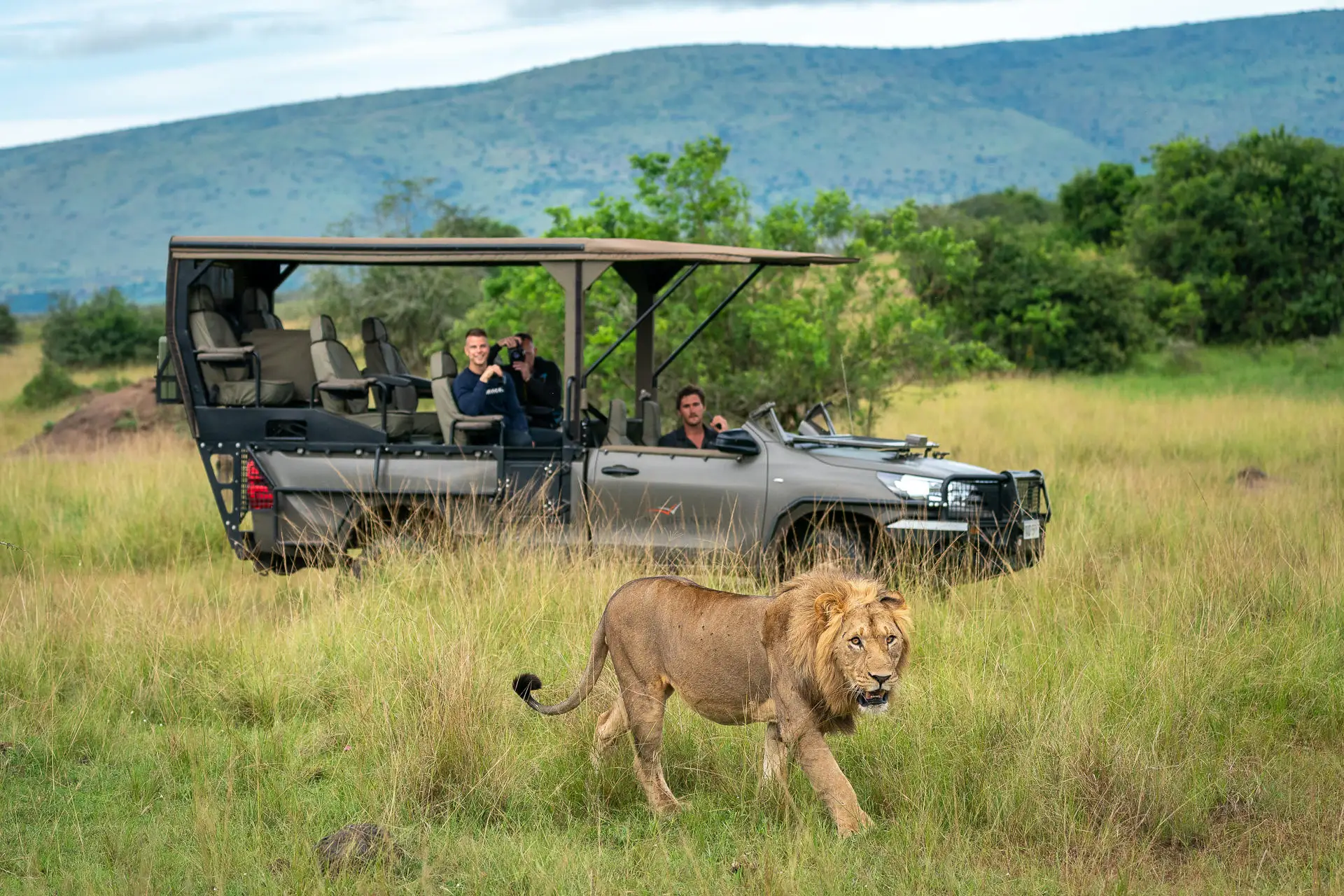
Park roads require patience and awareness. Gravel, rocks, loose sand, deep ruts and mud can slow progress significantly.
Wildlife always has priority. Give animals enough room to cross, feed or change direction without pressure.
Remain on authorized tracks. Off-road driving damages vegetation, disturbs wildlife and may lead to fines. It can also place the vehicle in difficult terrain.
Never block an animal’s path for a photograph. If an elephant, buffalo or other large animal appears uncomfortable, reverse slowly and create more space.
Leave the vehicle only at clearly designated places. Predators and other dangerous animals may enter picnic sites without warning.
Follow the opening and closing times displayed at the gate. Plan your afternoon drive carefully so that you reach camp or exit before the deadline.
Rain can change road conditions quickly. Ask rangers or gate staff which tracks remain open. Turning around early often makes more sense than risking a difficult recovery.
Basic Four-Wheel-Drive Skills
Four-wheel drive improves traction but does not make a vehicle unstoppable.
A 4×4 still needs more braking distance on wet, loose or muddy surfaces. Its higher center of gravity also increases rollover risk during fast cornering.
Many vehicles offer high-range and low-range four-wheel drive. High range suits moderate gravel, loose surfaces and some sandy tracks. Low range provides greater control on steep, rocky or deeply rutted terrain.
Each model uses a different engagement procedure. The rental representative should demonstrate how and when to select every mode.
Apply power smoothly. Excessive acceleration spins the wheels and digs the vehicle deeper into sand or mud.
Maintain controlled momentum where conditions require it, but never charge into an obstacle that you cannot assess.
Avoid water crossings unless you know the depth, surface, current and safe exit point. Rental contracts often prohibit deep-water driving because it can destroy the engine and electrical systems.
After passing through shallow water or mud, test the brakes gently at low speed.
Fuel Planning
Refuel before entering remote regions, even when the gauge still shows plenty of fuel.
Reliable fuel stations operate in major towns, but smaller stations may close early or run out of a particular fuel. Carry enough Kenyan shillings in case card or mobile-payment systems fail.
Confirm whether the vehicle uses petrol or diesel. Misfuelling can cause expensive mechanical damage.
Rough roads, low-range driving, strong headwinds and rooftop equipment increase fuel consumption. Calculate your driving range conservatively.
For northern Kenya or cross-border expeditions, discuss auxiliary fuel tanks and approved jerry cans with the rental company.
Never store fuel in an unsuitable container. Keep approved containers away from cooking flames and direct heat.
Monitor fuel consumption throughout the journey. A sudden increase may indicate a leak, mechanical fault or inaccurate gauge.
Navigation and Mobile Communication
Download offline maps before leaving Nairobi or another area with reliable internet.
A dashboard phone mount allows the driver to follow directions safely. Carry charging cables, power banks and 12-volt adapters.
Digital maps sometimes show closed gates, private roads or abandoned tracks. Compare electronic directions with a paper map and recent local advice.
Write down campsite contacts, gate names and emergency telephone numbers. Keep this information available offline.
Mobile coverage may disappear in national parks and remote conservancies. Using SIM cards from two different networks can improve your chances of finding a signal.
For isolated expeditions, consider carrying a satellite communicator or emergency beacon.
Share your itinerary with a trusted contact. Update that person whenever you change the route or destination.
Setting Up a Rooftop Tent Safely
Reach camp before sunset whenever possible. Daylight makes it easier to assess the ground and organize the equipment.
Choose firm, level ground. Avoid dry riverbeds, unstable slopes, animal paths and areas beneath damaged branches.
Apply the handbrake and place the transmission in park or gear. Use wheel chocks or leveling blocks when necessary.
Look above the vehicle before opening the tent. Branches may damage the canvas or prevent the tent from unfolding fully.
Remove the protective cover, release the straps and open the tent according to the rental company’s instructions. Position the ladder at the correct angle because it may support part of the sleeping platform.
Keep food out of the rooftop tent. Store it inside the vehicle, refrigerator or secure containers.
Never use a gas stove inside the tent. Open flames and carbon monoxide create serious risks.
In the morning, allow condensation to dry when conditions permit. Remove leaves and dust before folding the fabric.
Complete a final walk around the vehicle before departure. Check the tent cover, straps, ladder, chairs, table, doors and tires.
Wildlife Safety at Campsites
Authorized wildlife campsites may remain unfenced. Lions, elephants, buffaloes, hippos, hyenas and other animals can move through them.
Never feed wildlife. Feeding alters animal behavior and encourages dangerous encounters.
Store every food item securely. Clean cooking surfaces and remove scraps immediately.
After dark, use a flashlight and inspect the surroundings before leaving the tent or vehicle. Walk only where campsite rules allow.
Keep children beside an adult. Do not let them run around camp, approach animals or walk between bushes alone.
Hippos often leave the water after dark to graze. Avoid camping or walking on obvious paths between water and grassland.
If elephants enter camp, remain calm and give them room. Avoid shouting, revving the engine or shining bright lights directly into their eyes.
Ask campsite staff about recent wildlife activity. Their local knowledge should guide your behavior.
Food and Drinking Water
Buy major supplies in Nairobi, Nakuru, Naivasha, Nanyuki or another large town. Supermarkets in these areas offer a wider selection than remote shops.
Plan meals around refrigerator size and available cooking equipment. Rice, pasta, oats, lentils and canned vegetables store easily.
Fresh meat and dairy products need reliable refrigeration. Avoid packing the refrigerator so tightly that cold air cannot circulate.
Carry enough drinking water for every traveler. Heat, dust and physical activity increase daily water needs.
Do not assume that every campsite tap provides safe drinking water. Ask the campsite manager or treat the water before use.
Keep an emergency reserve of water and non-perishable food. Replace anything you use from that reserve at the next supply point.
Simple meals work best on long driving days. Elaborate cooking becomes difficult when travelers reach camp tired or late.
Electricity and Refrigeration
A camping refrigerator helps preserve food and keeps drinks cool. However, it needs a dependable power source.
A dual-battery system allows the refrigerator to draw electricity from an auxiliary battery rather than the starter battery.
Ask the rental company to explain the battery monitor, charging process and low-voltage protection.
Solar panels can support the auxiliary system during longer campsite stays. Their performance still depends on sunshine, shade and equipment condition.
Charge cameras, phones and power banks while driving. Avoid connecting high-consumption appliances to a small inverter.
If the refrigerator stops working, check its plug, fuse, temperature setting and battery voltage. Contact roadside support before changing any wiring.
Best Time for Self-Drive Roof-Tent Car Hire Kenya
Travelers can enjoy Kenya throughout the year, although each season creates different conditions.
The drier period from approximately June to October attracts many safari visitors. Wildlife often gathers around dependable water sources, while shorter vegetation can improve visibility.
The Maasai Mara often receives migrating wildebeest between July and September. Rainfall influences the movement, so nobody can guarantee exact river-crossing dates.
January and February frequently bring warm, relatively dry weather to many regions. These months suit camping, wildlife viewing and photography.
The long rains generally occur around March, April and May. Heavy rain can turn black cotton soil into slippery mud and make some tracks unsuitable for inexperienced drivers.
Short rains may arrive around October, November and December. Conditions vary by region and year.
Wet-season travel offers green landscapes, fewer visitors, less dust and excellent birdwatching. Travelers simply need flexible routes and a capable vehicle.
Pack warm bedding for highland camps regardless of the season. Temperatures near Mount Kenya and the Aberdares can drop considerably after sunset.
Best Destinations for a Kenya Rooftop-Tent Safari
Kenya offers many rewarding camping destinations. A well-designed itinerary combines nearby regions instead of rushing across the entire country.
Nairobi National Park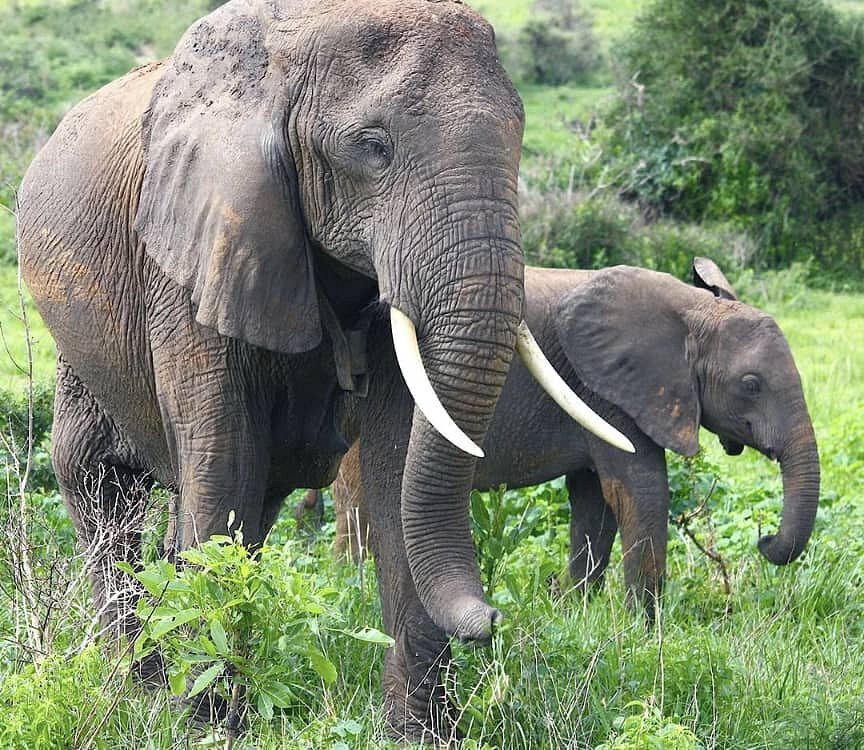
Nairobi provides the most convenient location for vehicle collection, food shopping and equipment checks.
Nearby Nairobi National Park offers lions, rhinos, giraffes and many other animals against an unusual city skyline.
Spend the first night near Nairobi if your flight arrives late. Driving a new vehicle after a long international journey creates unnecessary risk.
Amboseli National Park
Amboseli attracts visitors with large elephant herds and views of Mount Kilimanjaro.
Morning often provides the clearest mountain views. Later, clouds may gather around the summit.
Dust enters poorly sealed storage areas during dry periods. Protect cameras, clothing and food inside secure bags or boxes.
Stay for at least two nights to enjoy morning and afternoon game drives without rushing.
Tsavo East and Tsavo West
Tsavo East features expansive plains, red soil and impressive elephant country. Tsavo West offers hills, lava formations, springs and varied landscapes.
Together, the parks cover a vast area. Driving times can exceed expectations, so plan fuel and campsite arrivals carefully.
A Tsavo itinerary works particularly well for travelers continuing toward Mombasa, Watamu or Diani Beach.
Lake Naivasha and Hell’s Gate
Lake Naivasha provides a convenient Rift Valley stop. Visitors can enjoy boat trips, birdwatching and comfortable commercial campsites.
Nearby Hell’s Gate offers cliffs, geothermal scenery and outdoor activities. Check current access conditions before hiking or cycling because weather and park management can affect routes.
Remain alert for hippos around the lake, especially after dark.
Lake Nakuru National Park
Lake Nakuru supports rhinos, birds and diverse woodland wildlife. Its relatively compact road network suits independent visitors.
Water levels affect road access and animal distribution. Ask gate staff which loops remain open.
The park combines easily with Lake Naivasha, the Maasai Mara or central Kenya.
Maasai Mara National Reserve
The Maasai Mara ranks among Africa’s finest wildlife destinations. Lions, cheetahs, elephants and large herbivore herds inhabit its open grasslands.
Access roads can become difficult after rain. Black cotton soil turns extremely slippery, even for capable vehicles.
Confirm whether your campsite lies inside the reserve, in a private conservancy or outside the protected area. Fees and driving rules differ.
Some private conservancies restrict independent game drives. Ask about access before finalizing the itinerary.
Samburu and Buffalo Springs
Samburu and Buffalo Springs offer dry landscapes, riverine forests and species adapted to northern Kenya.
Visitors may encounter Grevy’s zebra, reticulated giraffe, gerenuk and Somali ostrich.
Carry extra water and refuel before entering remote sections. A two- or three-night stay allows enough time for unhurried game viewing.
Ol Pejeta and Laikipia
Ol Pejeta and the wider Laikipia region combine conservation, wildlife and scenic highlands.
Nanyuki offers a useful base for food, fuel and supplies. From there, travelers can visit conservancies or continue toward Mount Kenya and Samburu.
Each conservancy applies its own access rules. Confirm campsite reservations and self-drive permissions before arrival.
Mount Kenya and the Aberdares
The central highlands provide forests, walking opportunities and cooler temperatures.
Warm bedding and waterproof clothing remain essential. Rain can occur even during generally dry periods.
The Aberdares contain steep, rough roads. Check current conditions at the gate and avoid difficult routes unless you feel confident using low-range four-wheel drive.
Meru National Park
Meru attracts fewer visitors than Kenya’s most famous parks. Rivers, woodland and open plains support diverse wildlife.
Limited traffic creates a strong wilderness atmosphere. However, travelers must carry sufficient fuel, food and water.
Confirm campsite availability before departure.
Northern Kenya and Lake Turkana
Northern Kenya rewards experienced overland travelers with dramatic deserts, mountains and remote communities.
Long distances, extreme heat, difficult roads and limited mobile coverage make the region challenging.
Choose an expedition-ready vehicle with two spare tires, extra fuel, additional water and reliable communication equipment.
Obtain current route and security advice. Some locations require a guide, convoy or special permission.
Kenya’s Indian Ocean Coast
A road trip can finish beside the Indian Ocean. Mombasa, Diani, Watamu and Malindi offer beaches, marine activities and Swahili culture.
Coastal heat and humidity may make rooftop-tent camping less comfortable. Consider booking a guesthouse or beach hotel for the final nights.
One-way vehicle returns may attract relocation charges. Agree on the cost and inspection process before beginning the journey.
Seven-Day Kenya Self-Drive Itinerary
Start with vehicle collection and shopping in Nairobi. Spend the first night nearby so that you can test the equipment without pressure.
Drive to Amboseli on the second day and enjoy an afternoon game drive. Use day three for a full exploration of the park.
On day four, travel toward Lake Naivasha. Plan a boat trip or relaxing campsite evening.
Visit Hell’s Gate or another local attraction on day five before continuing toward Lake Nakuru.
Spend day six exploring Lake Nakuru National Park. Return to Nairobi on day seven with enough time for refueling and vehicle inspection.
This route offers wildlife, scenery and manageable driving distances.
Ten-Day Kenya Rooftop-Tent Itinerary
Collect the vehicle in Nairobi and travel to Lake Naivasha for two nights.
Next, continue toward the Maasai Mara and spend three nights near the reserve. Two full days allow time for extensive game viewing.
Return through the Rift Valley and stay near Lake Nakuru. After a morning game drive, travel toward Nanyuki.
Spend two nights near Ol Pejeta or Mount Kenya before returning to Nairobi.
This itinerary combines major wildlife areas with regular opportunities to refuel and buy supplies.
Fourteen-Day Kenya Camping Circuit
Begin in Nairobi and drive to Amboseli for two or three nights.
Return north toward Lake Naivasha and Lake Nakuru. Continue to the Maasai Mara for three nights.
After leaving the Mara, use a transit night to reduce fatigue. Then travel toward Ol Pejeta or Mount Kenya.
Finish with two or three nights around Samburu before returning through Nanyuki.
Alternatively, connect Amboseli with Tsavo East, Tsavo West and the coast. That route reduces backtracking and combines safari with beach time.
Avoid squeezing every famous park into two weeks. Fewer destinations create more time for wildlife, rest and unexpected discoveries.
Campsite Types in Kenya
Public campsites offer basic facilities and may host several groups. They often provide the most affordable option inside protected areas.
Special campsites create a more private wilderness experience. Travelers frequently need to reserve them in advance, and some offer few facilities.
Commercial camps outside parks may provide hot showers, toilets, electricity, restaurants, security and swimming pools. They work well for rest days and laundry.
Private conservancies follow individual policies. Some allow self-drive camping, while others require guests to use local guides or camp vehicles.
Confirm that the property accepts independent rooftop-tent travelers. Some businesses use the word “camp” only for permanent tented accommodation.
Responsible Camping in Kenya
Carry all rubbish out unless the campsite provides secure waste collection.
Never burn plastic. Separate recyclable items where facilities allow.
Light fires only in designated places and when campsite rules permit them. Use existing fireplaces and extinguish every flame completely.
Avoid cutting branches or damaging living vegetation. Purchase approved firewood when available.
Use biodegradable cleaning products sparingly and wash away from rivers, lakes and natural springs.
Keep music low and reduce unnecessary lighting. Other travelers may want to hear wildlife, while animals benefit from natural darkness.
Support nearby communities by buying local products, employing community guides and using locally managed campsites.
Always ask before photographing people, homes or cultural activities.
Common Self-Drive Mistakes
Planning too many destinations creates the most common problem. Long transfers leave little time for wildlife and make drivers tired.
Another mistake involves choosing a rental vehicle based only on price. Vehicle condition, tires, insurance and roadside support matter more than a small daily saving.
Some travelers rush through the vehicle handover. Every driver should understand the four-wheel-drive controls, tent, refrigerator and recovery equipment.
Arriving after dark also creates avoidable difficulties. Camp setup becomes harder, while wildlife can move through the area unnoticed.
Poor fuel and water planning causes additional stress. Refill early rather than waiting until supplies become dangerously low.
Excessive speed damages tires and suspension. Slow, smooth driving also improves passenger comfort and vehicle control.
Finally, never ignore insurance exclusions. Understanding your responsibilities before departure can prevent a costly disagreement later.
How to Choose a Reliable Rental Company
A dependable company should answer detailed questions clearly and provide written rental conditions.
Request current photographs of the vehicle class. Confirm its model, transmission, fuel type, seat capacity, tent arrangement and storage design.
Read independent reviews carefully. Pay particular attention to comments describing how the company handled a breakdown or emergency.
A professional provider should ask about your route. That discussion allows its team to identify prohibited roads, difficult areas and cross-border requirements.
Roadside assistance should remain available throughout the rental. Find out who answers calls outside office hours and how the company handles replacement vehicles.
The contract must identify the legal rental business, payment terms, deposit and cancellation policy.
Avoid sending money to an unverified personal account. Request an official invoice and payment confirmation.
Booking Self-Drive Roof-Tent Car Hire Kenya
Begin planning several months before peak-season travel.
First, decide on your dates, group size, route and preferred vehicle. Include every park, conservancy and border crossing in the inquiry.
Next, compare complete quotations rather than headline prices. Identify what each company includes and excludes.
Review the cancellation policy before paying a deposit. Ask whether the company offers refunds, date changes or travel credits.
Once you confirm the vehicle, reserve key campsites and activities. You can keep some secondary nights flexible if the season allows.
Arrange entry authorization, travel insurance and health requirements well before departure.
Two weeks before arrival, reconfirm the vehicle, collection time, flight details and first-night accommodation.
Vehicle Handover Checklist
Allow enough time for a thorough inspection.
Photograph every side of the vehicle, including the roof, wheels, windscreen and existing scratches. Record the mileage and fuel level.
Open and close the rooftop tent yourself. Count every chair, cooking item, water container and piece of bedding.
Test the refrigerator, lights, electrical outlets and auxiliary battery.
Start the engine and check the dashboard for warning lights. Test the brakes, steering, horn, indicators, windscreen wipers and air-conditioning.
Inspect the tires and spare wheels. Locate the jack, tools and recovery points.
Review the accident and breakdown procedures. Save all emergency numbers and keep a signed contract inside the vehicle.
Sign the inspection form only when it accurately records the vehicle’s condition.
Returning the Rental Vehicle
Return the vehicle during daylight whenever possible. Both parties can then complete a clear inspection.
Refuel according to the contract. Remove food, rubbish and personal belongings.
Report mechanical issues honestly, even when they appear minor. Early information helps the company protect the next traveler.
Compare the return inspection with your departure photographs. Request written confirmation of the vehicle’s condition.
Ask when the company will release the security deposit.
Leave enough time before an international flight. Traffic or an extended inspection may delay the process.
Cross-Border Rooftop-Tent Safaris
A Kenya self-drive safari can continue into Uganda, Rwanda or Tanzania. However, the rental company must approve every international journey.
Its team must also supply the correct registration documents, authorization letters and regional insurance.
Border taxes, road charges and entry rules differ between countries. Confirm current requirements shortly before departure.
One-way rentals between Nairobi, Arusha, Kampala and Kigali may attract substantial relocation fees.
Ask who will provide roadside assistance outside Kenya. A company may use partner mechanics or replacement vehicles in neighboring countries.
Tanzania applies specific rules to foreign-registered vehicles and tourism activities. Obtain written approval for your exact itinerary.
Never cross a border without the original required documents. Missing paperwork can cause delays, fines or refused entry.
Self-Drive Versus Hiring a Driver-Guide
Self-driving offers independence, privacy and flexibility. It suits experienced travelers who enjoy camping and active trip management.
A professional driver-guide contributes navigation skills, wildlife knowledge and local understanding. Guests can focus on photography and scenery instead of road conditions.
Guided travel often works better for short first-time visits. It also benefits serious wildlife photographers and travelers who feel uncomfortable driving on rough roads.
The final price difference may be smaller than expected after adding insurance, equipment and recovery risk to a self-drive package.
A hybrid itinerary combines both styles. Drive independently between regions, then hire a local guide for important wildlife areas.
Frequently Asked Questions About Self-Drive Roof-Tent Car Hire Kenya
Is self-drive roof-tent car hire Kenya safe?
Yes, it can provide a safe and rewarding adventure when travelers choose a reliable vehicle, avoid night driving and follow local advice. Good preparation and sensible decisions matter more than off-road confidence alone.
Do I need previous four-wheel-drive experience?
Not for every route. Beginners can manage many popular destinations during dry conditions after receiving a thorough vehicle demonstration. However, they should avoid remote, flooded or technically difficult roads.
Can I camp anywhere in Kenya?
No. Use authorized campsites or obtain clear permission from the landowner or responsible authority. Random bush camping may create legal, security and wildlife risks.
Does a rooftop tent protect travelers from wildlife?
The elevated tent provides a secure sleeping space when travelers use it correctly. Nevertheless, it cannot replace responsible campsite behavior. Store food securely and follow every instruction from campsite staff.
How many people can sleep in one rooftop tent?
A standard tent normally accommodates two adults. Larger family tents may sleep three people, depending on their dimensions. Four travelers usually need two rooftop tents.
Does the tent include a bathroom?
No. Travelers use campsite showers and toilets. Remote special campsites may offer basic facilities or none at all.
Does the rental include bedding?
Some companies include complete bedding, while others provide only a mattress. Confirm sheets, pillows, sleeping bags and blankets individually.
Can I drive into the Maasai Mara?
Many rental vehicles can enter the Maasai Mara, although rain can make access roads difficult. Confirm road conditions, insurance restrictions and campsite locations before departure.
Should I choose petrol or diesel?
Both can work well. Diesel vehicles often provide strong torque and good range, while petrol engines may feel smoother and more powerful. Vehicle condition matters more than fuel type.
Can I drive at night?
Avoid night driving. Reduced visibility, wildlife, livestock and unlit vehicles increase the danger. Your rental contract may also prohibit it.
Should I reserve campsites?
Reserve popular, private and special campsites in advance, particularly during peak season. Commercial camps may accept short-notice bookings outside busy periods.
Can children sleep in rooftop tents?
Yes, provided the tent offers enough space and an adult supervises the ladder. Parents must also manage wildlife and cooking risks carefully.
What luggage works best?
Use soft-sided travel bags. They fit into storage spaces more easily than hard-shell suitcases.
Can I combine camping with lodges?
Yes. Combining rooftop-tent nights with lodges adds comfort and creates opportunities for showers, laundry, charging and rest.
What is the best vehicle for two people?
A Land Cruiser Prado with one rooftop tent suits many couples. Remote routes may require a more rugged Land Cruiser 70 Series.
What is the best vehicle for four travelers?
A long-wheelbase Land Cruiser with two rooftop tents usually provides suitable sleeping capacity and storage.
Does the rental include unlimited mileage?
Policies vary. Some companies offer unlimited mileage, while others impose daily limits or prohibit certain routes.
What happens after a breakdown?
Contact the rental company immediately. Depending on the problem and location, it may send a mechanic, arrange towing or provide a replacement vehicle.
How early should I book?
Book several months ahead for travel between July and October or during Christmas and New Year. Vehicles with two rooftop tents often sell out first.
Can I drive from Kenya to Rwanda or Uganda?
Yes, if the rental company approves the itinerary and supplies the required border documents and insurance.
Final Thoughts
Self-drive roof-tent car hire Kenya offers much more than transport and budget accommodation. It creates an independent journey through one of Africa’s most diverse destinations.
The right vehicle gives you access to wildlife reserves, highland forests, Rift Valley lakes and coastal landscapes. Good planning then turns that access into a safe and enjoyable safari.
Choose a capable 4×4, inspect its tires, confirm the camping inventory and read the insurance conditions. Plan manageable daily distances and reserve authorized campsites. Carry enough water and fuel, follow park rules and remain flexible when weather affects the route.
Most importantly, travel slowly. A successful self-drive safari does not depend on visiting the highest possible number of parks. Memorable wildlife encounters, peaceful camps and safe journeys matter far more.
With careful preparation and dependable support, your Kenya rooftop-tent safari can become one of the most rewarding adventures in East Africa.
Plan Your East African Self-Drive Safari with Universal Ventures Rwanda
Universal Ventures Rwanda arranges customized self-drive car hire, rooftop-tent camping safaris, guided wildlife tours and cross-border East African itineraries.
Our team can help you select a suitable vehicle, design a realistic route and combine Kenya with Rwanda or Uganda. Contact us with your dates, group size, preferred destinations and budget.
Universal Ventures Rwanda
Email: info@universalventuresrwanda.com
Telephone and WhatsApp: +250 781 441 853
Address: KN 15 Road, opposite IPRC Entrance, 1st Floor, SANGWA Plaza, Kigali, Rwanda
Website: www.universalventuresrwanda.com