
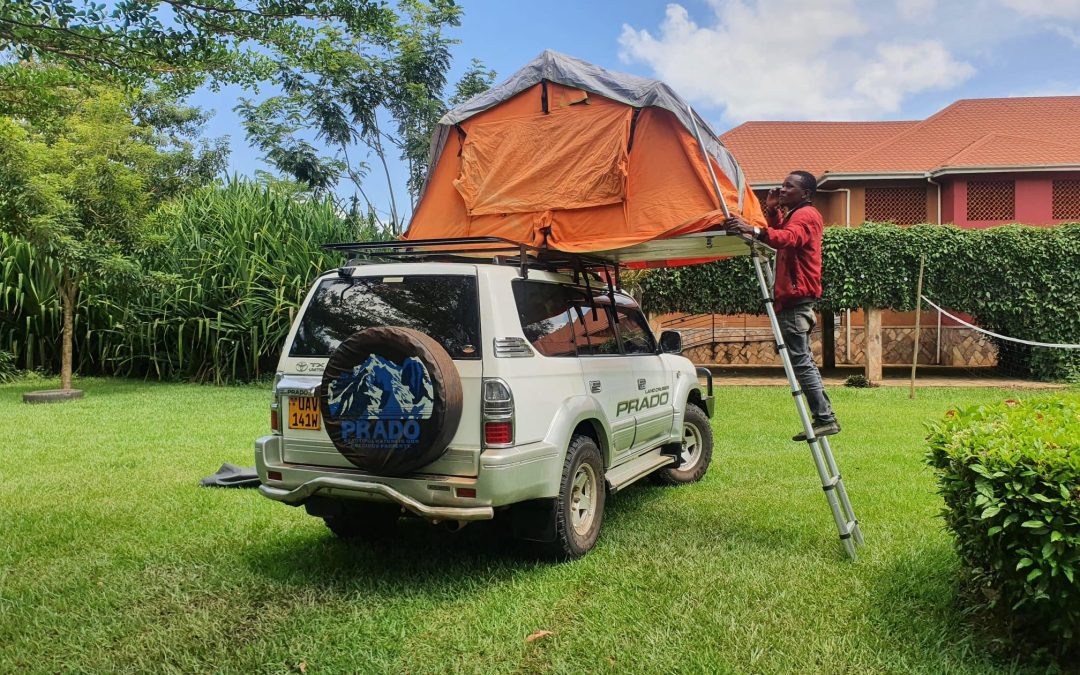
A Kenya camping car hire with roof-top tent package gives you the freedom to explore these places independently. Instead of following a group tour schedule, you choose your route, daily departure time and overnight stops. Your rental vehicle provides transportation, storage and a comfortable sleeping area.
Kenya offers everything an adventurous road-trip traveler could want. Wildlife-rich savannahs, dramatic mountain scenery, Rift Valley lakes, remote deserts and Indian Ocean beaches create an extraordinary range of experiences. A traveler can watch elephants beneath Mount Kilimanjaro, follow lions across the Maasai Mara, camp near a quiet lake and finish the holiday beside the warm ocean.
Most camping cars include a four-wheel-drive vehicle, one or two rooftop tents, mattresses and essential camping equipment. Depending on the package, you may also receive bedding, a refrigerator, cooking utensils, chairs, a table, water containers and recovery equipment.
However, independent travel requires thoughtful preparation. You need a dependable vehicle, suitable insurance, accurate route information and realistic driving times. Furthermore, you must understand national park rules, fuel availability, campsite procedures and wildlife safety.
This comprehensive guide explains how Kenya rooftop-tent car rental works. It covers vehicle selection, rental costs, camping equipment, road conditions, itineraries, insurance, cross-border travel and practical booking advice.
Whether you plan a short Kenya self-drive safari or a longer East African expedition, the following information will help you travel safely, comfortably and responsibly.
What Is Kenya Camping Car Hire with Roof-Top Tent?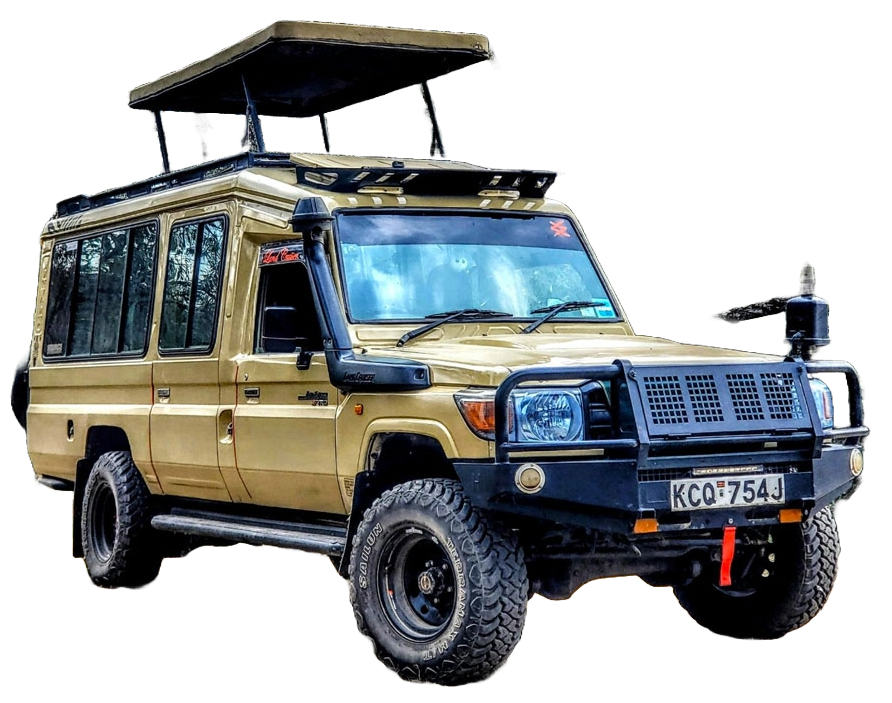
Kenya camping car hire with roof-top tent combines a rental vehicle and portable camping accommodation. The tent sits on a strong roof rack above the vehicle and folds into a compact unit during travel.
When you reach an authorized campsite, you park on firm, level ground and open the tent. A ladder provides access to the sleeping area, while a built-in mattress removes the need to prepare a bed from the beginning each evening.
Most standard rooftop tents accommodate two adults. A larger family model may sleep two adults and a child, although travelers should always check the exact dimensions. Groups of three or four people normally choose a longer vehicle with two separate tents.
A complete camping package may include everything required for preparing meals and sleeping outdoors. Nevertheless, companies interpret “fully equipped” differently. Always request a detailed inventory before you confirm the rental.
Some travelers confuse a rooftop-tent vehicle with a motorhome. These two options differ considerably. A conventional motorhome usually has an enclosed living area, fixed beds, kitchen and bathroom. In contrast, a Kenya camping car uses a rugged 4×4 as its base and carries outdoor equipment.
The 4×4 configuration suits Kenya’s park roads better than many large motorhomes. It offers higher ground clearance, stronger suspension and improved traction on gravel, mud or sand.
Why Choose Kenya Camping Car Hire with Roof-Top Tent?
Independent camping creates a strong sense of freedom. You can leave camp early, remain longer at a wildlife sighting or adjust the route according to weather and road conditions.
Privacy provides another advantage. Couples, friends and families travel in their own vehicle without sharing every transfer with a larger group.
A rooftop tent also brings you closer to the landscape. From an authorized wilderness campsite, you may hear lions roaring, hyenas calling or elephants moving nearby. At sunrise, you can prepare breakfast while watching the savannah change color.
Because the mattress remains inside most tents, setup becomes relatively quick after some practice. The elevated sleeping platform also keeps you away from wet ground and many crawling insects.
Interior storage remains available for food, luggage, water and camping supplies. A well-designed vehicle may include shelves, lockable compartments or pull-out kitchen drawers.
Longer journeys can also provide good value. The rental vehicle replaces both transportation and some accommodation expenses. However, travelers must include fuel, park entry, campsites and food when calculating the complete budget.
Most importantly, a camping car turns the journey into part of the safari. Scenic roads, local markets, roadside viewpoints and quiet camps become memorable experiences rather than simple connections between lodges.
Is a Kenya Self-Drive Camping Safari Right for You?
This style of travel suits adventurous people who enjoy independence and outdoor living. Couples and friends often find rooftop-tent camping especially convenient because they can share driving and camp responsibilities.
Solo travelers can also enjoy the experience, although one person must manage navigation, driving, cooking and tent setup. A realistic route and dependable roadside support become particularly important for solo adventures.
Families should examine the tent layout carefully. Children need constant supervision around ladders, gas stoves and unfenced campsites. Parents may prefer a larger tent, two tents or a combination of rooftop and ground accommodation.
Previous four-wheel-drive experience helps but does not remain essential for every itinerary. During dry conditions, beginners can manage many popular routes after receiving a thorough vehicle demonstration.
Nevertheless, first-time drivers should avoid technically difficult tracks, deep water, remote deserts and severely muddy areas. Turning around shows good judgment; it does not represent failure.
Travelers with limited mobility may find the ladder difficult. A ground tent or lodge-based safari could provide a more comfortable alternative.
Anyone seeking continuous luxury should consider combining camping with lodge stays. This hybrid approach provides regular opportunities for hot showers, laundry, restaurant meals and relaxation.
Kenya Camping Car Hire with Roof-Top Tent Versus a Guided Safari
Both travel styles offer valuable experiences, but they suit different priorities.
A self-drive safari gives you independence. You choose the route, control your schedule and spend private time with your travel companions. Experienced campers often enjoy handling daily logistics.
A guided safari removes much of that responsibility. A professional driver-guide manages the road, understands wildlife behavior and knows productive game-viewing areas. Guests can focus on photography and scenery.
First-time visitors with a short itinerary may gain more from a guide. Without local knowledge, independent travelers sometimes spend valuable time searching for park gates, campsites or animals.
Self-driving becomes particularly rewarding during longer holidays. Extra time allows travelers to drive slowly, rest between destinations and adapt when conditions change.
Cost also influences the decision. Camping may lower accommodation expenses, but vehicle rental, insurance, fuel, equipment and park fees still create a substantial budget.
A hybrid safari can deliver the best combination. Rent a camping vehicle for the overall journey, then hire a local guide for specific destinations such as the Maasai Mara, Samburu or a private conservancy.
Choosing the Best 4×4 Camping Car in Kenya
The right vehicle depends on group size, route, budget, luggage and driving ability. Avoid selecting a model simply because it looks impressive in photographs.
Kenya’s main highways connect major towns, but national park tracks may include rocks, mud, sand, corrugations and deep ruts. A genuine four-wheel-drive vehicle therefore makes sense for most camping circuits.
Ground clearance matters as much as engine power. A low vehicle can damage its exhaust, fuel tank or suspension on rough roads.
Reliability should guide the final choice. An older but carefully maintained Land Cruiser may prove more dependable than a newer vehicle with poor service history.
Toyota Land Cruiser Prado with Rooftop Tent
The Toyota Land Cruiser Prado remains a popular option for couples. It combines highway comfort with useful off-road capability.
A Prado feels easier to drive in Nairobi traffic than a long safari vehicle. Automatic models also reduce driver workload during extended transfers and game drives.
One rooftop tent normally provides enough room for two adults. Inside, the vehicle can carry food, camping equipment and soft luggage.
Space becomes the main limitation. Large hard-shell suitcases consume room and make daily organization difficult. Travelers should pack soft bags and keep unnecessary items at home.
A Prado works well for Amboseli, Lake Naivasha, Lake Nakuru, Ol Pejeta and many dry-season routes. Conditions around the Maasai Mara and remote northern regions require careful assessment.
Toyota Land Cruiser 70 Series
The Land Cruiser 70 Series offers exceptional durability. Its strong chassis, high ground clearance and simple mechanics suit demanding overland journeys.
Hardtop and Troop Carrier versions provide more equipment space than a compact SUV. Rental companies can mount one or two rooftop tents depending on the vehicle’s approved configuration.
The ride may feel firm, while older models often come with manual transmissions and basic interiors. Drivers who prioritize comfort may prefer a Prado or newer wagon.
For remote routes, the 70 Series offers a valuable combination of strength and load capacity.
Land Cruiser 78 Series with Two Rooftop Tents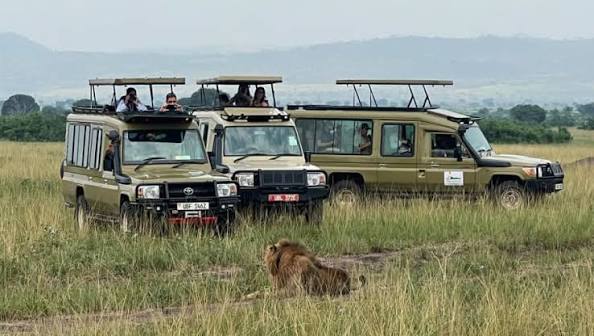
Groups of three or four travelers often choose a long-wheelbase Land Cruiser carrying two tents.
The arrangement provides separate sleeping areas while leaving room for cooking equipment, water and luggage. Families can place adults in one tent and older children in the second.
Extra weight on the roof changes the vehicle’s handling. Reduce speed on corners, avoid sudden steering and watch for crosswinds.
Low branches can damage tents and covers. Always check the vehicle’s full height before entering covered parking areas or driving beneath trees.
Toyota Hilux Double-Cab Camper
A Toyota Hilux offers good off-road performance and practical storage. The pickup bed can carry cooking supplies, a refrigerator, recovery tools and luggage.
Some rental companies add a canopy or drawer system to protect equipment from dust and rain. Inspect the seals carefully because fine safari dust enters small gaps.
Four adults should test the rear seats before choosing this model. Long transfers may become uncomfortable when passenger space remains limited.
Land Cruiser V8 Camping Car
A Land Cruiser V8 offers power, space and a smooth ride. It suits travelers who want greater comfort without abandoning the camping experience.
Fuel consumption creates a significant disadvantage. A petrol V8 may use considerably more fuel than a diesel Prado or traditional hardtop.
The rental price can also increase. Therefore, choose the V8 because you need its comfort or space rather than assuming it represents the only capable option.
Can You Rent a Small SUV with a Rooftop Tent?
Some companies offer Toyota RAV4 models or similar compact SUVs. These vehicles may suit paved roads, commercial campsites and selected dry-season routes.
However, compact SUVs rarely provide the ground clearance, low-range gearing or load capacity of a Land Cruiser.
Check the manufacturer’s roof-load limit before accepting any rooftop installation. The rack and tent must safely support both the equipment and sleeping occupants.
For a complete national park circuit, a full 4×4 usually provides a better choice.
Manual or Automatic Camping Car?
Automatic vehicles make urban traffic and slow game drives easier. Drivers can focus on road position, wildlife and navigation rather than clutch control.
A manual transmission gives experienced drivers direct control. Traditional expedition Land Cruisers frequently use manual gearboxes.
Choose the system you already understand. A long safari does not provide the ideal setting for learning an unfamiliar transmission.
Before paying a deposit, ask the company to confirm the gearbox in writing. Fleet photographs may not show the exact vehicle assigned to your trip.
Hard-Shell and Soft-Shell Rooftop Tents
Hard-shell tents use a rigid cover and often open in less than a minute. Their design can resist wind effectively and creates a compact shape during travel.
Soft-shell tents fold outward and create a wider sleeping platform. Rental companies commonly offer them in single, double or family sizes.
Packing a soft-shell model requires more care. Canvas, bedding and window covers must sit correctly before you close the protective cover.
Inspect the mattress, mosquito screens, seams, ladder, hinges and ventilation panels during collection. Broken zips or damaged canvas can cause serious inconvenience after you leave Nairobi.
Both travelers should practice opening and closing the tent. If one person becomes tired or unwell, the other person must understand the procedure.
What Does Kenya Camping Car Hire with Roof-Top Tent Include?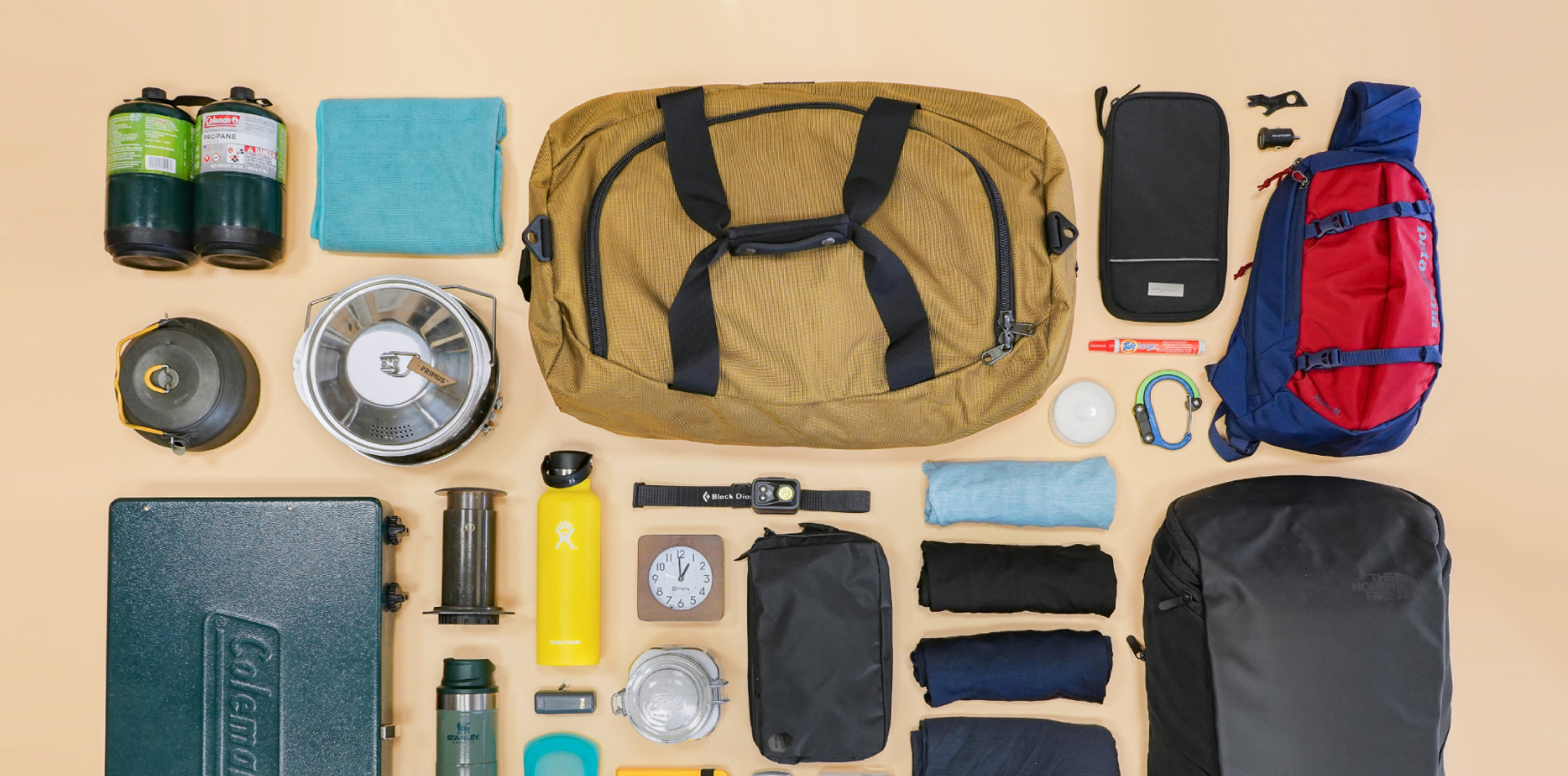
A quality camping package should contain much more than a vehicle and mattress.
The exact inclusions vary between rental companies. Request a written equipment list and compare it with the physical items during collection.
Sleeping Equipment
The rental should include the rooftop tent, ladder, mattress and weatherproof travel cover.
Ask whether the company provides pillows, sheets, duvets, sleeping bags or blankets. Some packages charge separately for bedding.
Warm equipment remains important even in equatorial Kenya. Temperatures can drop at Mount Kenya, the Aberdares, Laikipia and other elevated destinations.
Kitchen Equipment
A useful kitchen kit should contain a gas stove, fuel bottle, lighter, saucepan, frying pan, kettle and cooking utensils.
Travelers also need plates, bowls, cups, cutlery, knives, a chopping board and washing-up supplies.
Check the number of items. A package for four people should not provide only two plates or chairs.
Furniture and Shade
Camping chairs and a stable table make meals more comfortable.
An awning creates valuable protection from intense sun and light rain. Ask the rental representative to demonstrate its setup.
Strong wind can damage an awning quickly. Close it before leaving camp and never keep it open during a storm.
Refrigerator and Electrical System
A camping refrigerator preserves fresh food and cools drinking water.
The vehicle should use a dual-battery system that separates the refrigerator from the starter battery. Ask how the system charges and how long it can power the refrigerator when the engine remains off.
Solar panels can support longer campsite stays, but shade and cloudy weather reduce their performance.
Water Storage
Strong containers should carry enough water for drinking, cooking and basic washing.
Check every lid and tap for leaks. Secure the containers properly because rough roads can tip or damage them.
Never assume that campsite tap water remains safe for drinking. Ask locally or treat the water first.
Recovery and Emergency Equipment
At least one properly inflated spare tire remains essential. Two spares provide greater security in remote areas.
The vehicle should also carry a jack, wheel brace, warning triangles, recovery strap, shovel and basic tools.
A portable air compressor and tire-pressure gauge help drivers manage slow punctures and different road surfaces.
Emergency equipment should include a fire extinguisher and first-aid kit. Inspect the contents rather than assuming the box contains everything you need.
How Much Does Kenya Camping Car Hire with Roof-Top Tent Cost?
Daily rates vary according to vehicle type, travel season, rental length and equipment level.
Basic 4×4 models can appear online from around USD 70 per day. Fully equipped Land Cruisers often start closer to USD 140 and may exceed USD 250 per day.
Treat advertised amounts as approximate starting prices. Your final quotation may include airport delivery, insurance, bedding, refrigerator use or additional drivers.
A vehicle carrying two rooftop tents generally costs more than a couple’s Prado with one tent. Newer automatic models may also attract higher rates.
Peak demand occurs during popular safari periods and major holidays. Early reservations improve your choice of vehicles.
Longer bookings sometimes receive lower daily rates. However, saving a small amount means little if the company supplies worn tires, incomplete equipment or weak roadside support.
Request a quotation that clearly identifies the vehicle, tent configuration, taxes, mileage, insurance, equipment and security deposit.
Other Costs to Include in Your Budget
Fuel often represents the largest expense after the rental. A long route or powerful petrol engine can increase the total considerably.
National parks, reserves and conservancies charge entrance fees. Additional vehicle and camping charges may also apply.
Because authorities revise fees, check current amounts directly before travel.
Campsites outside parks set their own prices. Commercial properties may charge more when they provide hot showers, electricity, restaurants or swimming pools.
Food costs depend on your preferences. Self-catering saves money, while lodge restaurants add convenience during long driving days.
Activities such as boat trips, guided walks and conservancy game drives require separate payment.
Budget for mobile data, firewood, drinking water, laundry, parking and possible road tolls.
Finally, keep emergency funds for an unexpected lodge night, medical care or vehicle expense outside the insurance policy.
Rental Insurance and Security Deposits
Read the insurance conditions before booking any Kenya camping car hire with roof-top tent.
A promise of “full insurance” does not explain your actual protection. Ask for the policy document and rental agreement.
Many companies include collision damage protection but retain an excess. The renter may need to pay that amount when eligible damage occurs.
The company may hold a security deposit on a credit card or through another payment method. Confirm the amount, currency and release period.
Policies often exclude damage to tires, windscreens, roofs and underbody components. Careless water crossings, unauthorized drivers and prohibited roads can also invalidate protection.
Driving with an open rooftop tent can cause expensive damage that insurance will not cover.
Ask whether the policy covers gravel roads, animal damage, towing and single-vehicle accidents. Cross-border travel may require additional coverage.
After an accident, contact the rental company immediately. Follow its instructions and collect photographs, witness details or an official report when necessary.
Collecting Your Camping Car in Nairobi
Nairobi serves as the main collection point for most Kenya camping vehicles.
Schedule enough time for the handover. One or two hours may prove necessary when the company needs to explain the car, tent and equipment.
Start by inspecting the exterior. Photograph every scratch, dent and damaged area. Include the roof, windscreen, mirrors, wheels and bumpers.
Next, check the tires. Look for sufficient tread, sidewall damage and proper inflation. Inspect every spare tire as carefully as the four road tires.
Test the lights, indicators, horn, wipers, air-conditioning, brakes and door locks. Watch the dashboard for warning lights after starting the engine.
Open and close the rooftop tent yourself. Confirm that the ladder, hinges, straps, cover and mosquito screens work correctly.
Compare every camping item with the written inventory. Test the stove, refrigerator, charging outlets and water-container taps.
Ask the representative to demonstrate the four-wheel-drive controls, jack points and recovery equipment.
Save all emergency numbers before leaving the depot. Keep the rental contract and insurance papers within easy reach.
Driving in Kenya
Kenya drives on the left. Drivers overtake on the right when road markings and conditions allow.
Major highways vary in quality. Some provide smooth surfaces, while others contain potholes, roadworks and unmarked hazards.
Reduce speed near towns, schools and markets. Pedestrians, bicycles, motorcycles and livestock frequently use the roadside.
Speed bumps can appear with limited warning. Remain alert, particularly near populated areas.
Traffic around Nairobi may add hours to a transfer. Avoid morning and evening rush periods whenever possible.
Night driving creates unnecessary danger. Poor lighting, pedestrians, livestock, wildlife and stopped vehicles become difficult to see.
Many rental companies prohibit nighttime travel. Plan to reach camp before sunset.
Keep your driving licence, rental contract, insurance and vehicle documents inside the car. Follow instructions from traffic officers and park authorities politely.
Driving on Gravel and Corrugated Roads
Kenya’s safari routes include long gravel sections. Loose stones reduce traction and increase stopping distance.
Slow down before corners rather than braking sharply while turning. Sudden steering can make a tall, heavily loaded vehicle unstable.
Corrugated roads create vibration that damages tires, suspension and camping equipment. Reduce speed until the vehicle feels controlled.
Check tent straps and equipment after long rough sections. Persistent vibration may loosen fasteners or move storage boxes.
Leave enough distance between vehicles. Dust clouds can reduce visibility to almost nothing.
Avoid following large trucks closely. Flying stones may damage the windscreen.
Driving in Mud and Sand
Mud requires smooth steering and gentle power. Rapid acceleration spins the tires and digs the vehicle deeper.
Use four-wheel drive before entering a difficult section rather than waiting until the vehicle loses momentum.
Black cotton soil around the Maasai Mara becomes extremely slippery after rain. Even capable vehicles can slide toward ditches or become stranded.
Ask local drivers, rangers or campsite managers about current conditions. If they advise against a route, choose another option.
Sand also demands controlled momentum. Avoid sudden braking and sharp turns.
Never reduce tire pressure unless the rental company has explained safe limits. Remember to restore the correct pressure before returning to firm or paved roads.
Water Crossings
Avoid water crossings whenever you cannot determine the depth, current and surface.
Floodwater may hide holes, rocks or damaged bridges. A shallow-looking crossing can also carry enough current to move a heavy vehicle.
Rental contracts often exclude water damage. If water enters the engine, the repair costs can become extremely high.
Wait for another experienced driver or ask for local guidance. Turning back remains the safest choice when uncertainty continues.
After a safe, shallow crossing, test the brakes gently at low speed.
Driving Inside National Parks and Reserves
Wildlife always has priority.
Stay on authorized roads and tracks. Off-road driving damages vegetation and may attract fines.
Maintain a respectful distance from every animal. Do not surround wildlife or block its path.
Elephants need particular care. If an elephant raises its head, spreads its ears or approaches, increase the distance calmly.
Never leave the vehicle outside designated areas. Dangerous animals can hide in grass, bushes or dry riverbeds.
Observe park opening and closing times. Avoid racing toward the gate at sunset.
Ask rangers which tracks remain open after rain. Local information prevents unnecessary problems.
Setting Up Your Rooftop Tent
Reach camp with enough daylight to choose a safe position.
Select firm, level ground away from dry riverbeds, unstable slopes and obvious animal paths. Check the trees above the vehicle for weak branches.
Apply the handbrake and place the transmission in park or gear.
Remove the travel cover and release every strap. Open the tent according to the company’s demonstration.
Set the ladder at the correct angle. On some designs, the ladder supports part of the sleeping platform.
Keep food out of the tent. Strong smells may attract monkeys, baboons or larger animals.
Place the kitchen area a safe distance from the tent. Never operate a gas stove inside any enclosed sleeping space.
Before departure, close every window, arrange the bedding and fold the canvas carefully. Secure all straps and check the cover.
Walk around the vehicle one final time. Look for chairs, shoes, cooking equipment or tent accessories left on the ground.
Wildlife Safety at Kenya Campsites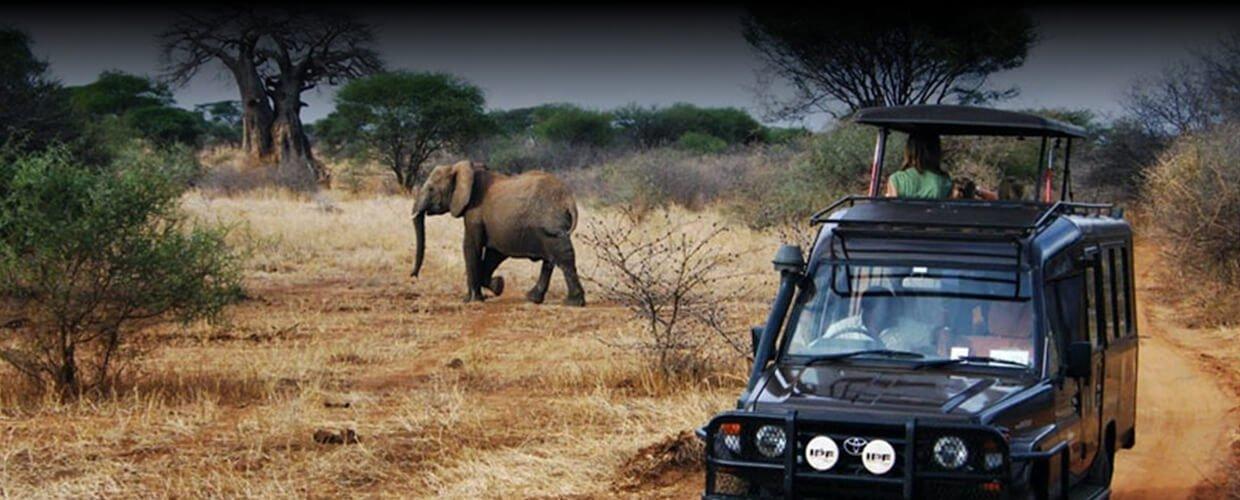
Many campsites inside protected areas have no fence. Wildlife can enter at any time.
Never feed animals. Feeding encourages aggressive behavior and creates danger for future visitors.
Store food and rubbish inside the vehicle or secure containers. Clean the cooking area immediately after eating.
Use a flashlight after dark. Scan the surroundings before leaving the tent or vehicle.
Children must remain close to an adult. Do not allow them to run between bushes or walk around camp alone.
Hippos leave water at night to graze. Avoid camping or walking along routes that connect lakes and rivers with grassland.
Elephants may enter camps in search of food or water. Remain quiet, keep your distance and wait for them to leave.
Follow instructions from campsite staff. They understand recent animal activity and local risks.
Food Planning for a Kenya Camping Safari
Buy major supplies in Nairobi or another large town.
Choose meals that match your refrigerator size, cooking equipment and itinerary. Simple food works best after long driving days.
Rice, pasta, oats, lentils and canned vegetables store well. Fresh produce can last several days when kept cool and dry.
Meat and dairy products need dependable refrigeration. Separate raw meat from other foods and use sealed containers.
Avoid filling the refrigerator too tightly because cold air needs room to circulate.
Carry snacks inside the cabin for long transfers. Nuts, fruit and energy bars reduce unnecessary roadside stops.
Store an emergency food supply separately. Replace any item you use from that reserve.
Drinking Water
Carry more drinking water than you expect to need.
Heat, dry air and physical activity increase fluid requirements. A breakdown or route change may also extend the time between supply points.
Strong water containers should remain securely fastened inside the vehicle.
Do not drink untreated water from rivers, lakes or uncertain campsite taps. Use sealed drinking water or an appropriate treatment method.
Keep a separate emergency reserve and avoid using it during normal meals.
Best Time for a Kenya Rooftop-Tent Safari
Kenya offers rewarding travel throughout the year.
June through October generally brings drier conditions to many safari regions. Wildlife often gathers near permanent water, while reduced vegetation can improve visibility.
The Maasai Mara may receive migrating wildebeest between July and September. Rainfall controls the timing, so river crossings never follow a guaranteed schedule.
January and February frequently offer warm, dry weather in many destinations.
March, April and May usually bring the long rains. Green landscapes and fewer visitors create advantages, but mud can make park roads difficult.
Short rains may occur around October, November and December. Their intensity varies between regions.
Highland destinations become cold at night during any season. Bring warm bedding and layered clothing.
Coastal regions remain warmer and more humid. A lodge night may feel more comfortable than a rooftop tent near the ocean.
Best Routes for Kenya Camping Car Hire with Roof-Top Tent
A good itinerary balances wildlife, scenery and manageable distances.
Avoid trying to visit every famous destination in one holiday. Kenya’s size and road conditions make slow travel more enjoyable.
Nairobi to Amboseli
The route from Nairobi to Amboseli suits first-time self-drivers.
Amboseli offers elephants, wetlands and excellent views of Mount Kilimanjaro. Spend at least two nights to improve your chances of seeing the mountain clearly.
Dry conditions create heavy dust, so protect cameras and food in sealed storage.
Amboseli to Tsavo and the Coast
From Amboseli, travelers can continue toward Tsavo West and Tsavo East.
The route reveals lava landscapes, open plains and classic red-soil scenery. After exploring the parks, continue toward Mombasa, Watamu or Diani.
This itinerary combines wildlife with beach relaxation and reduces unnecessary backtracking.
Nairobi to Lake Naivasha and Lake Nakuru
Lake Naivasha provides commercial campsites, boat trips and birdwatching.
Hell’s Gate National Park adds cliffs, geothermal scenery and outdoor activities. Check current trail conditions before entering restricted areas.
Lake Nakuru supports rhinos, woodland wildlife and numerous birds. Its compact road network works well for independent travelers.
Rift Valley to the Maasai Mara
The Maasai Mara offers some of Kenya’s most celebrated wildlife viewing.
Road conditions vary by gate and season. Heavy rain can make black cotton soil almost impossible to drive safely.
Confirm the best access route shortly before departure. Choose a campsite carefully because reserve, conservancy and community-land regulations differ.
Nairobi to Ol Pejeta and Samburu
Travel north through the central highlands toward Nanyuki and Ol Pejeta.
From there, continue to Samburu for arid scenery and northern wildlife species such as Grevy’s zebra and reticulated giraffe.
Carry sufficient water and refuel before entering less populated areas.
Mount Kenya and the Aberdares
Mount Kenya creates a refreshing contrast to the open savannah.
Travelers can enjoy forests, mountain views and cooler temperatures. Warm bedding remains essential.
Roads in the Aberdares may become steep, wet or deeply rutted. Ask gate staff about current conditions.
Northern Kenya and Lake Turkana
Far northern Kenya suits experienced overland travelers.
Long distances, rough tracks, heat and limited communication create serious challenges. Carry extra fuel, water and at least two spare tires.
Obtain current security and route advice. Some areas require local guides or convoy travel.
Do not choose this region for a first African self-drive journey.
Seven-Day Kenya Camping Car Itinerary
Use the first day for vehicle collection, inspection and shopping in Nairobi.
On day two, drive to Amboseli and enjoy an afternoon game drive.
Spend the third day exploring Amboseli’s wetlands and plains.
Travel toward Lake Naivasha on day four and arrive before sunset.
Use day five for a boat trip or Hell’s Gate excursion.
Continue to Lake Nakuru on day six for wildlife viewing and camping.
Return to Nairobi on day seven with sufficient time for refueling and vehicle inspection.
This compact route limits exhausting transfers.
Ten-Day Kenya Rooftop-Tent Route
Collect the vehicle in Nairobi and spend two nights around Lake Naivasha.
Continue to the Maasai Mara for three nights. Two full game-drive days provide enough time to explore without rushing.
Return through the Rift Valley and spend one night near Nakuru.
After a morning game drive, continue toward Nanyuki.
Use two nights for Ol Pejeta or Mount Kenya before returning to Nairobi.
Fourteen-Day Kenya Camping Safari
Begin in Nairobi and travel to Amboseli for two or three nights.
Continue toward the Rift Valley for Lake Naivasha and Lake Nakuru.
Spend three nights around the Maasai Mara.
Use a transit night after leaving the reserve, then travel toward Ol Pejeta or Mount Kenya.
Finish with two or three nights around Samburu before returning through Nanyuki.
An alternative fourteen-day itinerary can combine Amboseli, Tsavo East, Tsavo West and the Indian Ocean coast.
Campsite Options in Kenya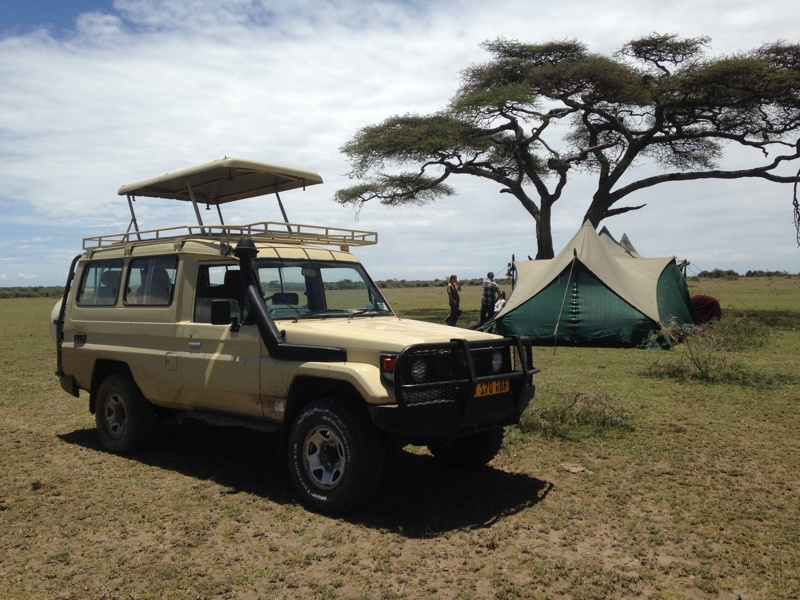
Public campsites usually offer simple facilities at affordable prices. Travelers may share them with other independent campers and safari groups.
Special campsites provide greater privacy. Facilities may remain limited, so visitors must carry water and remove all waste.
Commercial camps outside parks often provide showers, toilets, electricity, restaurants and security.
Private conservancies follow their own rules. Some prohibit independent game drives or require a local guide.
Reserve popular campsites during peak season. Confirm the location, facilities, access road and payment method before arrival.
Responsible Camping Practices
Leave every campsite as clean as you found it.
Carry rubbish out unless the property provides secure collection. Never burn plastic or leave food scraps behind.
Use established fireplaces when camp managers permit fires. Extinguish every flame completely before sleeping.
Avoid cutting trees or damaging vegetation. Buy approved firewood from the campsite or nearby community.
Use biodegradable products sparingly and wash dishes away from natural water sources.
Keep music and artificial lighting low. Other guests may want to enjoy natural sounds and dark skies.
Respect local communities and private land. Ask permission before photographing people or entering cultural sites.
Common Kenya Camping Car Mistakes
Overloading the itinerary causes fatigue and rushed game drives. Choose fewer destinations and stay longer in each place.
Selecting the cheapest vehicle can also create trouble. Reliable support, good tires and clear insurance provide more value than a low headline price.
Travelers sometimes skip the handover demonstration. Practice every important procedure before leaving Nairobi.
Late campsite arrivals increase wildlife and navigation risks. Plan to stop driving before sunset.
Poor fuel planning creates unnecessary stress. Refill whenever you enter a major town.
Excessive speed damages tires, suspension and rooftop equipment. Drive smoothly on gravel and corrugations.
Ignoring insurance exclusions may lead to expensive disputes. Read every condition before signing.
Finally, large suitcases occupy valuable storage space. Pack soft, flexible bags instead.
Choosing a Kenya Camping Car Rental Company
A professional company should provide clear vehicle information, written prices and transparent rental conditions.
Ask for recent photographs of the vehicle class. Confirm the transmission, fuel type, tent configuration and equipment inventory.
Read independent customer reviews. Focus on how the company responded when travelers faced mechanical problems.
Reliable providers should ask about your route. Their team needs to identify prohibited roads, difficult regions and cross-border paperwork.
Find out whether roadside support operates around the clock. Ask how the company handles towing and replacement vehicles.
Request an official contract and invoice. Avoid sending deposits to unverified personal accounts.
How to Book Kenya Camping Car Hire with Roof-Top Tent
Begin with your travel dates, group size and approximate route.
Tell the rental company about every park, conservancy and border crossing. Full route information allows the team to recommend the right vehicle.
Compare quotations carefully. Examine insurance, mileage, camping equipment, taxes and additional charges.
Read the deposit and cancellation policies before paying.
Once you secure the vehicle, reserve important campsites and activities.
Reconfirm everything two weeks before arrival. Include the vehicle, collection time, first campsite and emergency number.
Cross-Border Camping Car Hire
A Kenya road trip can continue into Tanzania, Uganda or Rwanda.
The rental company must authorize international travel and supply the required documents.
You may need original registration papers, an authorization letter, cross-border insurance and regional third-party coverage.
Border fees and road taxes vary. Confirm current requirements before departure.
One-way rentals between Nairobi, Arusha, Kampala and Kigali often carry relocation charges.
Ask who provides mechanical assistance outside Kenya. A local partner network can make cross-border travel much easier.
Never cross a border without written permission from the vehicle owner.
Frequently Asked Questions
Is Kenya camping car hire with roof-top tent safe?
Yes. Choose a reliable vehicle, follow park rules, avoid night driving and maintain a realistic itinerary. Current local advice also helps you avoid difficult roads.
Do I need four-wheel-drive experience?
Not for every route. Beginners can manage popular dry-season circuits after a thorough demonstration. Avoid remote and technically difficult areas until you gain experience.
Can I camp anywhere?
No. Stay at authorized campsites or obtain clear permission from the responsible landowner or authority.
How many people fit in a rooftop tent?
Most standard models accommodate two adults. Groups of four normally need two tents.
Does the tent include a bathroom?
No. Campers use campsite facilities or approved portable arrangements in remote areas.
Does the rental include bedding?
Inclusions vary. Confirm mattresses, sheets, pillows, blankets and sleeping bags separately.
Can children use rooftop tents?
Yes, with close adult supervision. Parents must manage ladder, cooking and wildlife risks carefully.
Can I enter the Maasai Mara with a rental 4×4?
Many rental vehicles can enter the reserve. However, access roads may become difficult after rain, and some private conservancies restrict self-driving.
Should I choose diesel or petrol?
Both options work. Diesel often provides good range and torque, while petrol engines may offer smoother power. Vehicle condition matters most.
Can I drive at night?
Avoid night driving. Wildlife, pedestrians, livestock and unlit vehicles increase accident risks. The rental contract may also prohibit it.
Do I need campsite reservations?
Reserve popular, special and conservancy campsites in advance. Commercial camps may offer more flexibility outside peak season.
What should I do after a breakdown?
Stop in a safe place and contact the rental company. Follow its instructions before arranging independent repairs.
Can I combine camping with lodge accommodation?
Yes. Lodge nights add comfort and provide opportunities for laundry, charging and rest.
What is the best vehicle for a couple?
A Land Cruiser Prado with one rooftop tent suits many couples.
Which vehicle works for four travelers?
A long-wheelbase Land Cruiser with two tents generally provides enough sleeping and storage space.
Does the rental include unlimited mileage?
Some packages include unlimited mileage, while others apply daily limits. Restricted roads may still apply.
Can I drive from Kenya to Rwanda?
Yes, when the rental company approves the journey and supplies the correct insurance and border documents.
How far ahead should I book?
Reserve several months ahead for July through October and the Christmas holiday period.
Final Thoughts on Kenya Camping Car Hire with Roof-Top Tent
A rooftop-tent safari offers one of the most personal ways to discover Kenya.
Your 4×4 becomes transport, storage, kitchen and accommodation. This flexibility allows you to experience national parks, highlands, lakes and beaches at your own pace.
However, freedom works best with preparation. Select a reliable vehicle, inspect the tires and camping equipment, understand the insurance and plan sensible daily distances.
Carry enough water and fuel. Reach campsites before sunset and follow every wildlife rule. When rain or road conditions create doubt, choose the safer route.
Avoid measuring your holiday by the number of destinations. Spending two or three nights in one region usually creates a richer experience than rushing between distant parks.
With a professional rental company and a carefully designed itinerary, Kenya camping car hire with roof-top tent can turn an ordinary safari into an unforgettable East African road trip.
Plan Your Kenya and East Africa Camping Safari
Universal Ventures Rwanda designs customized self-drive holidays, 4×4 camping safaris, guided wildlife tours and cross-border East African itineraries.
Our team can help you choose a suitable vehicle, build a realistic route and combine Kenya with Rwanda or Uganda. Send us your travel dates, group size, preferred destinations and estimated budget.
Universal Ventures Rwanda
Email: info@universalventuresrwanda.com
Telephone and WhatsApp: +250 781 441 853
Address: KN 15 Road, opposite IPRC Entrance, 1st Floor, SANGWA Plaza, Kigali, Rwanda
Website: www.universalventuresrwanda.com