

Choosing roof-tent vehicle hire for Masai Mara safaris gives independent travelers the freedom to design a personalized Kenya road trip. You can combine wildlife viewing with camping, stop at scenic destinations between Nairobi and the reserve and continue toward Lake Naivasha, Lake Nakuru, Amboseli, Samburu or Kenya’s Indian Ocean coast.
A safari in the Masai Mara becomes even more adventurous when your vehicle also serves as your accommodation. Instead of returning to a permanent lodge after each game drive, you can stay at an authorized campsite, prepare your own meals and sleep inside a comfortable tent mounted above your four-wheel-drive vehicle.
However, a successful self-drive camping safari requires more than simply renting a vehicle with a tent on top. The Masai Mara has rough roads, seasonal mud, river crossings, wildlife hazards, changing entrance regulations and limited support in remote areas. Travelers need a capable 4×4, reliable camping equipment, confirmed campsites, realistic driving plans and a clear understanding of reserve rules.
This comprehensive guide explains how roof-tent rentals work, which vehicles perform best, what equipment should be included, how to reach the Masai Mara and how to budget for park fees, fuel, food and camping. It also discusses guided and self-drive options, safety, wildlife etiquette, family travel, photography and multi-park itineraries.
Whether you are planning your first Kenya self-drive safari or an extended East African camping expedition, this pillar guide will help you choose the right vehicle and prepare for an unforgettable Masai Mara adventure.
Why Choose Roof-Tent Vehicle Hire for Masai Mara Safaris?
The strongest reason to hire a roof-tent vehicle is freedom. A conventional safari package normally follows a fixed schedule, while a privately rented 4×4 allows you to decide when to start driving, how long to remain in each destination and which attractions to combine.
A roof-tent vehicle also keeps accommodation and transportation together. The tent folds into a compact case mounted on the vehicle’s roof rack. At the campsite, you unfold it, extend the ladder and prepare the sleeping area. Most quality roof tents contain a built-in foam mattress, ventilation panels, insect screens and weather-resistant fabric.
Sleeping above the ground provides a practical advantage at campsites. It keeps the sleeping area away from damp soil, mud, crawling insects and minor ground-level disturbances. However, elevation does not make travelers invulnerable to wildlife. You must still camp only at approved locations and follow every instruction provided by campsite staff or rangers.
Roof-tent camping can also reduce accommodation expenses, especially on a longer Kenya safari. Nevertheless, it is important to calculate the complete cost. Vehicle rental, fuel, campsite charges, reserve entry fees, food, equipment and possible guide services can add up quickly. During peak periods, Masai Mara entry fees may form a much larger part of the total than the tent or vehicle.
Another benefit is the connection with the environment. At an established campsite, you may hear hyenas calling, lions roaring in the distance and birds beginning their morning chorus. Sunrise arrives directly outside your tent, and your first game drive can begin without a long transfer from a distant hotel.
Understanding the Masai Mara Safari Region
The Masai Mara lies in southwestern Kenya and forms part of the wider Mara–Serengeti ecosystem. It connects ecologically with Tanzania’s Serengeti National Park, creating one of the world’s most important wildlife landscapes.
The region includes the main Masai Mara National Reserve, the Mara Triangle and several surrounding private or community conservancies. These areas do not all use identical access rules, fees or camping policies.
Travelers often refer to the entire ecosystem as the Masai Mara, but your exact accommodation location matters. A campsite outside the reserve may provide convenient access through gates such as Sekenani or Talek. A campsite inside the reserve reduces morning travel but may involve additional camping and reserve charges.
Private conservancies operate separately from the main reserve. Some restrict self-drive access and accept only vehicles connected to authorized camps or operators. Therefore, never assume that renting a 4×4 gives you unrestricted access to every part of the greater Mara ecosystem.
The reserve contains grasslands, seasonal streams, riverine forest and areas of bush. Wildlife includes lions, leopards, cheetahs, elephants, buffaloes, giraffes, zebras, hippos, crocodiles, hyenas and many antelope species.
During the Great Migration season, large numbers of wildebeest and zebras may enter the ecosystem from the Serengeti. River crossings depend on rainfall and herd movement, so no operator can guarantee an exact crossing date or location.
Competitor Analysis for Roof-Tent Masai Mara Content
An analysis of leading search results shows that the strongest competitors focus on 4×4 vehicle models, rooftop-tent capacity, rental prices, self-drive flexibility and camping equipment. Commonly ranking pages promote Toyota Land Cruiser models, family tents, double tents, fridges and full camping kits.
Several competitors provide useful vehicle descriptions but limited guidance about campsites, park fees, road conditions and safe travel. Others discuss self-driving in the Masai Mara without explaining how rental insurance, vehicle recovery and camping reservations affect the journey.
Information about self-drive policies also differs between competing pages. Some state that independent self-driving remains possible, while others say visitors must enter with a ranger or qualified guide. These contradictions show why travelers should verify the current rules with the rental company, campsite and relevant reserve authority immediately before arrival.
The best opportunity for a comprehensive article is therefore to connect the entire planning process: vehicle selection, rental terms, route planning, reserve rules, campsite choice, food storage, wildlife safety, costs and itinerary design.
This guide addresses those subjects in one resource while using the focus keyphrase naturally and answering both informational and commercial search intent.
What Is a Roof-Tent Safari Vehicle?
A roof-tent safari vehicle is usually a high-clearance four-wheel-drive fitted with a reinforced roof rack and one or more folding tents. The tent stays closed while the vehicle moves and opens into a raised sleeping platform at the campsite.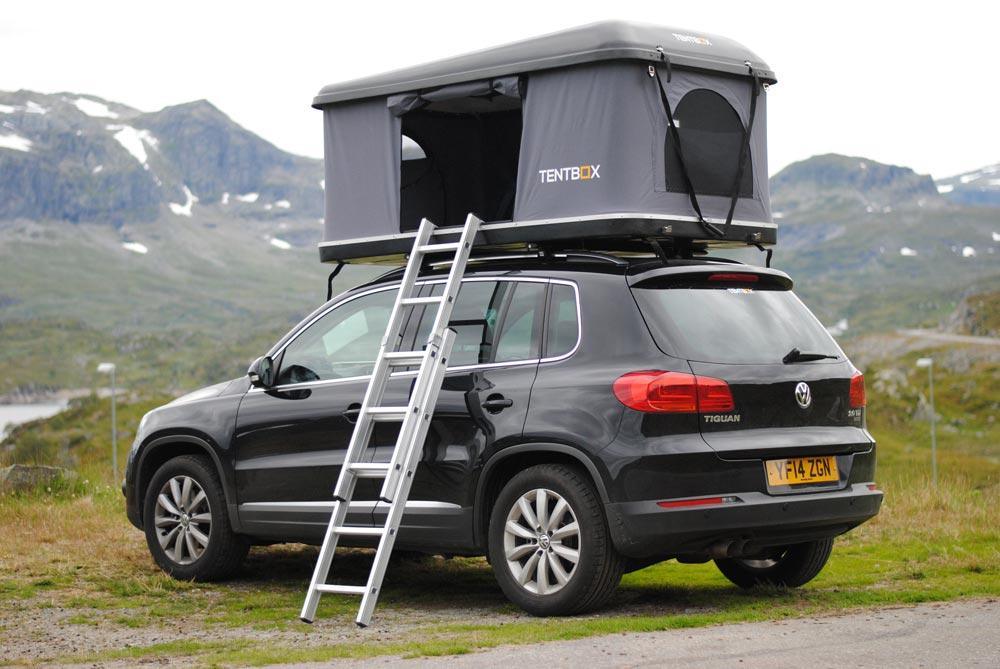
A single or double roof tent commonly accommodates one or two adults. A family tent may sleep two adults and one or two children, depending on its size and approved weight. Vehicles with two separate roof tents may provide more comfortable sleeping arrangements for families or groups of up to four.
The tent normally opens from the side or rear of the vehicle. A ladder supports access and sometimes helps support the extended floor. Strong canvas, mosquito screens and a fitted mattress create a more comfortable sleeping space than a basic ground tent.
The vehicle may carry a fridge, gas cylinder, stove, water containers, cooking equipment, chairs, a table, bedding and recovery tools. Equipment differs greatly between rental companies, so request a written inventory rather than relying on the phrase “fully equipped.”
Some 4×4 safari vehicles combine a roof tent with a pop-up viewing roof. However, the two systems require careful installation because the tent and roof mechanism share limited space. Ask the company to explain exactly how wildlife viewing works when the tent is mounted.
Best Vehicles for a Masai Mara Roof-Tent Safari
The right vehicle influences safety, comfort, fuel use and access. Masai Mara tracks may become corrugated, deeply rutted or muddy, particularly during the rainy seasons.
A true four-wheel-drive with low-range gearing, good ground clearance and suitable tires is the safest choice. Standard two-wheel-drive cars and low-clearance crossovers may struggle outside the main access roads.
Toyota Land Cruiser 70 Series
The Toyota Land Cruiser 70 Series is one of the strongest choices for roof-tent vehicle hire for Masai Mara safaris. Models such as the 76, 78 and 79 Series have a reputation for durability and off-road performance.
Their strong chassis can support a roof rack, tent, spare fuel, water and camping equipment. The relatively simple mechanical design also makes them familiar to many mechanics across East Africa.
A Land Cruiser 76 wagon provides enclosed luggage storage and comfortable seating for a small group. The longer 78 Series creates more interior space for equipment, while some 79 Series vehicles use modified bodies suited to overland travel.
These vehicles may use more fuel than lighter alternatives, especially when heavily loaded. However, their strength and ground clearance make them attractive for remote travel.
Toyota Land Cruiser Prado
A Land Cruiser Prado can provide a more comfortable and refined driving experience. Depending on the model, it may offer automatic transmission, air conditioning and good highway performance.
A properly maintained Prado with genuine four-wheel drive can handle many Masai Mara routes. Nevertheless, the rental company should equip it with appropriate tires, adequate clearance and recovery tools.
The Prado suits couples and small families who want a balance between road comfort and safari capability. Its interior may feel limited when carrying a large fridge, several bags and complete camping equipment.
Toyota Hilux
A double-cab Toyota Hilux can work well for a Kenya camping safari. The pickup bed provides useful equipment space, while the roof rack or pickup canopy can support a tent.
A sealed canopy protects food and equipment from dust, rain and curious animals. Open pickup beds require secure waterproof storage.
Check the rear-seat comfort before choosing a Hilux for four adults. Long transfers from Nairobi can become tiring if the back seats have limited legroom.
Safari Land Cruiser with Driver-Guide
An extended safari Land Cruiser with a pop-up roof provides excellent wildlife viewing. Some companies can also supply camping equipment or a roof-tent solution.
This option works best for travelers who want a guide to handle navigation, vehicle operation and animal tracking. The driver-guide can also assist with campsite procedures and emergency decisions.
A guided vehicle may cost more than bare self-drive rental, but the additional expertise often adds significant value inside the Masai Mara.
Roof-Tent Sizes and Sleeping Arrangements
Tent capacity deserves careful attention. Marketing descriptions such as “family roof tent” do not always reveal the exact mattress measurements.
Ask for the open dimensions, maximum weight, mattress thickness and recommended occupancy. Two adults may sleep comfortably in a standard double tent, while adding a child can make the space crowded.
For three or four adults, two separate tents usually provide better comfort and privacy. The vehicle must have a roof system rated to carry both tents safely.
Families should consider how children will use the ladder. Young children require close supervision, especially at night. A roof tent may not suit toddlers, travelers with serious mobility limitations or anyone uncomfortable with climbing.
Remember that every occupant may need to leave the tent during the night. Position shoes, a flashlight and warm clothing where they remain easy to reach.
Essential Equipment Included with a Roof-Tent Rental
A professional rental company should provide a detailed inventory before the journey. The package may include the tent and mattress but charge separately for bedding, cooking equipment or a fridge.
A complete camping setup should normally address sleeping, cooking, food storage, water, lighting, recovery and safety.
Important sleeping equipment includes a clean mattress, fitted sheet, pillows, sleeping bags or blankets and a waterproof tent cover. Confirm whether linen receives professional cleaning between rentals.
Cooking equipment may include a gas stove, gas cylinder, matches or lighter, cooking pots, frying pan, kettle, plates, bowls, cups, glasses, knives, forks, spoons and food-preparation utensils.
The vehicle should also carry camp chairs, a folding table, water containers, washing basin, rubbish bags and a basic cleaning kit.
A fridge or powered cooler greatly improves food storage. Ask whether it runs from a dual-battery system and whether using it can drain the starter battery.
Lighting should include a rechargeable lantern and vehicle flashlight. Travelers should still bring individual headlamps.
Recovery equipment may include a jack, wheel spanner, tow rope, shovel, traction boards, tire-pressure gauge, compressor and at least one strong spare tire. Two spare tires provide greater security on remote routes.
A first-aid kit and fire extinguisher should also remain inside the vehicle. Check their condition rather than simply confirming their presence.
Vehicle Inspection Before Leaving Nairobi
Never accept a safari vehicle without a proper handover. Allow enough time for inspection, tent training and a short test drive.
Walk around the vehicle and photograph existing scratches, dents and damaged equipment. Make sure the rental agreement records them.
Inspect the tires for adequate tread, sidewall damage and uneven wear. Confirm that the spare tire is inflated and that the jack can safely lift the fully loaded vehicle.
Test the headlights, indicators, brake lights, horn, windscreen wipers and air conditioning. Check that every seat belt works.
Look beneath the vehicle for obvious leaks. Ask about oil level, coolant, brake fluid and the service history.
Engage four-wheel drive and low range during the handover. The company representative should explain the correct procedure because systems differ between vehicles.
Open and close the roof tent yourself. Practice positioning the ladder, securing support poles and packing the canvas without trapping it in the frame.
Turn on the fridge and inspect all sockets, USB ports, battery monitors and charging systems.
Count every piece of camping equipment using the inventory. Missing items can create problems during the trip and disputes when returning the vehicle.
Self-Drive or Guided Roof-Tent Safari?
Both options can produce an excellent Masai Mara experience. The right choice depends on driving experience, budget, independence and wildlife knowledge.
Self-drive roof-tent safari
Self-driving provides privacy and flexibility. You decide when to stop, how to organize meals and how long to spend in each region.
However, the driver must manage navigation, difficult roads, campsite setup, reserve regulations and vehicle recovery. Searching for wildlife while watching the road also divides attention.
A self-drive trip suits travelers with previous four-wheel-drive experience, realistic route plans and confidence in remote environments.
Because published information about independent driving requirements in the reserve can conflict, confirm whether your intended gate or sector requires a ranger, approved guide or safari-standard vehicle. One established regional operator reports that self-driving visitors may need an accompanying ranger, while other current guides describe independent access under specific conditions. Verify the rule directly for your dates instead of relying on an old article. Roadtrip Africa
Roof-tent vehicle with a driver-guide
A driver-guide handles the road and knows how to search for wildlife. Experienced guides understand animal behavior, radio communication, park rules and safe distances.
The guide can plan fuel stops, help solve mechanical issues and advise about campsites. This support becomes particularly useful during muddy conditions or peak migration traffic.
Guided travel also allows every guest to concentrate on photography and wildlife rather than navigation.
The group must plan sleeping arrangements for the guide. Ask whether the guide carries a ground tent, uses separate staff accommodation or needs a booked campsite space.
Partially guided safari
Some travelers drive independently between Nairobi and the Masai Mara but hire a local guide or ranger at the gate. This arrangement preserves much of the road-trip freedom while adding expertise inside the reserve.
Confirm availability and costs before arrival. During busy periods, suitable guides may not remain available without advance booking.
Getting from Nairobi to the Masai Mara
Most roof-tent rentals begin in Nairobi. The drive to the Masai Mara passes through the Great Rift Valley and the town of Narok before continuing toward the reserve.
Travel time depends on the chosen gate, traffic, road conditions, weather and stops. Do not plan the journey using distance alone.
Leave Nairobi early to avoid heavy traffic and reach the Mara region before dark. Night driving creates avoidable risks due to limited lighting, animals, pedestrians, motorcycles and road hazards.
Narok provides an opportunity to buy food, water, fuel and last-minute supplies. Larger supermarkets in Nairobi usually offer a wider selection, so complete most shopping before departure.
The Sekenani approach is common for first-time visitors. Talek serves accommodation and campsites near the eastern side, while other routes lead toward the Mara Triangle and western areas.
Navigation applications can help, but they may suggest unsuitable shortcuts. Obtain current directions from the rental company and campsite. Download offline maps because mobile coverage can weaken near the reserve.
When to Visit the Masai Mara with a Roof Tent
The Masai Mara offers wildlife viewing throughout the year. Each season changes road conditions, campsite atmosphere and rental demand.
July to October
This period attracts visitors hoping to see the Great Migration. Wildebeest and zebra movements depend on rainfall, grazing and river conditions rather than a fixed calendar.
Rental vehicles, campsites and park services may reach high demand. Prices can increase, and popular wildlife sightings may attract many vehicles.
Reserve fees can also vary by season. Current published 2026 information lists higher non-resident adult charges from July onward than during the first half of the year. Because rates and payment systems can change, confirm the official total before booking. Masai Mara entry-fee guide
January to March
The beginning of the year often brings warm conditions and rewarding general wildlife viewing. Visitor numbers may be lower than during the migration season.
Dry tracks can become dusty, but driving conditions are often easier than after heavy rainfall.
April to May
Longer rains can transform the plains into vivid green landscapes. Visitor numbers usually decrease, creating a quieter safari atmosphere.
Roads may become muddy, slippery or temporarily difficult. Four-wheel-drive skill and proper recovery equipment become especially important.
Some campsites or tourism services may reduce operations during the wetter low season. Confirm availability before departure.
November and December
Short rains may occur, although patterns vary. The landscape can become green, and birding remains excellent.
Road conditions may change quickly after intense storms. Build flexibility into the itinerary and request current local advice.
Masai Mara Campsites for Roof-Tent Vehicles
Roof-tent travelers must use authorized campsites. Do not assume that an empty area beside a track is suitable for overnight camping.
Campsites generally fall into several categories: public campsites inside or near protected areas, private special campsites, community camps outside reserve boundaries and established commercial camps with facilities.
Public campsites
Public campsites may offer basic facilities and lower fees. Travelers share the site with other visitors and safari crews.
Facilities can include simple toilets, showers, water points or cooking areas, but standards vary. Ask what is currently working before arrival.
Public sites provide a social atmosphere and may suit budget travelers. However, they can become busy during peak season.
Private campsites
A private or special campsite offers greater exclusivity. Fees may be higher, and advance reservations can be essential.
Some sites provide minimal infrastructure, requiring travelers to carry sufficient water, food and sanitation supplies.
Private camping does not remove wildlife risks. Follow all ranger and campsite instructions.
Campsites outside the reserve
Camping outside a reserve gate can reduce accommodation costs and provide access to shops, restaurants or improved bathroom facilities.
The disadvantage is the morning drive to the gate and the need to comply with daily entry and exit times. During peak periods, queues may also affect the start of a game drive.
Conservancy campsites
Private conservancies use their own rules. Some do not permit independent self-drive visitors or casual camping.
Never enter a conservancy because a map shows an open road. Obtain written permission, confirm fees and follow the host camp’s access rules.
Reserving a Masai Mara Campsite
Book your campsite before leaving Nairobi, especially during migration season and public holidays.
Request written confirmation showing the campsite name, exact location, travel dates, number of guests, vehicle details, meals or equipment included and all payable fees.
Ask whether the campsite lies inside the reserve, outside a gate or within a conservancy. This distinction affects park fees and access.
Confirm whether you need to bring drinking water, cooking water, firewood, a toilet system or rubbish containers.
Check arrival deadlines. Campsites may not accept guests arriving after dark, and reserve gates operate within set hours.
Ask for GPS coordinates and a contact number. Coordinates alone may not reveal whether the approach road remains passable.
Wildlife Safety at Masai Mara Campsites
The Masai Mara contains free-moving wild animals. Campsites may not have fences, and wildlife can pass through at any time.
Never leave the tent at night without first checking the surroundings. Use a strong flashlight and follow campsite rules concerning escorts.
Do not walk beyond the designated camping area. Lions, elephants, buffaloes, hippos and hyenas may remain difficult to see in darkness.
Store all food securely inside the vehicle or an approved storage system. Never keep food, strongly scented items or rubbish inside the roof tent.
Clean cooking equipment immediately after meals. Food residue can attract animals.
Do not sleep outside the tent, even beside the vehicle. Keep the ladder secure and the tent fully closed.
If elephants enter the campsite, remain quiet and give them space. Do not start the engine, flash lights continuously or attempt to push them away unless trained staff instruct you.
Never run from a wild animal. Follow the guide, ranger or campsite manager’s safety directions.
Children require constant supervision. A campsite inside a wildlife ecosystem does not function like an ordinary family campground.
Cooking During a Roof-Tent Safari
Self-catering adds flexibility and can reduce meal costs. It also requires planning, safe food storage and disciplined cleanup.
Purchase dry foods, snacks and basic ingredients in Nairobi. Narok can provide additional supplies, but specific imported products may not always be available.
Simple meals work best. Pasta, rice, canned foods, eggs, vegetables, bread, fruit and pre-prepared sauces reduce cooking time.
A fridge allows travelers to carry fresh produce, dairy products and meat. Confirm that it maintains a safe temperature and does not drain the vehicle’s starter battery.
Prepare dinner before complete darkness whenever possible. Cooking becomes more difficult when you must watch for wildlife while handling equipment.
Use the stove only in an authorized location. Dry grass can catch fire quickly, especially during windy weather.
Never leave flames unattended. Close the gas cylinder after use and store it upright according to the rental company’s instructions.
Place rubbish in strong sealed bags and remove it according to campsite rules. Food waste should never be thrown into the bush.
Water and Fuel Planning
Carry enough drinking water for every traveler, plus an emergency reserve. Hot weather, dusty roads and active campsite work increase daily consumption.
Ask whether campsites provide potable water. Water from a tap may be suitable for washing but not drinking.
Use strong containers that cannot leak over luggage or food. Secure them carefully because rough tracks can move heavy objects.
Fill the fuel tank before leaving Narok or another reliable station. Fuel availability near the reserve can be limited, inconsistent or more expensive.
Understand the vehicle’s approximate fuel consumption and tank capacity. Roof tents, heavy equipment, rough roads and extended game drives increase consumption.
If the company supplies an auxiliary fuel container, learn how to carry and use it safely. Never store leaking fuel beside food, bedding or open flames.
Masai Mara Park Fees and Camping Costs
Park fees can form a significant part of a Masai Mara camping budget. Never estimate the total using only the vehicle-rental price.
Costs may include:
- Adult reserve entrance fees
- Child entrance fees
- Vehicle entry charges
- Public or private campsite fees
- Conservancy fees
- Ranger or guide charges
- Community or gate-related charges
- Booking or payment-processing fees
Published 2026 information indicates that non-resident adult entry fees differ between January–June and July–December. Camping fees also vary between public and private sites. Rates may change, so request a current written quotation from the responsible authority or campsite before confirming the safari. Current Masai Mara fee overview
Ask how the entry period is calculated. Do not assume that one payment automatically provides a full 24 hours. Gate systems and same-day validity rules can influence itinerary planning.
Travelers staying in a conservancy and visiting the main reserve may need to pay both conservancy and reserve fees. Some accommodation prices include these charges, while others list them separately. Maasai Mara visitor information
Cost of Roof-Tent Vehicle Hire for Masai Mara Safaris
Rental prices vary according to vehicle model, tent size, season, rental duration, equipment, insurance and whether a driver-guide is included.
An older Prado with one double tent may cost less than a newer Land Cruiser 76 with two tents, dual batteries and a fridge.
Long-term rentals often receive a lower daily rate. However, a cheaper vehicle may become expensive if it lacks essential equipment or has poor mechanical support.
A complete safari budget should include:
- Daily vehicle rental
- Roof-tent and camping equipment
- Insurance or excess reduction
- Additional driver fee
- Fuel
- Park and vehicle entrance fees
- Campsite charges
- Food and drinking water
- Guide or ranger services
- Nairobi airport transfers
- Optional one-way rental fee
- Cross-border authorization
- Emergency and recovery budget
- Tips and personal expenses
Some current Kenya rental listings advertise roof-tent Land Cruisers from roughly USD 150–170 per day, while other companies quote different prices according to vehicle age and equipment. Treat published figures as examples only. Request a personalized quotation for your dates and route.
Questions to Ask a Roof-Tent Rental Company
Before paying a deposit, ask for precise information about the vehicle and rental agreement.
Confirm the vehicle’s make, model, transmission, fuel type, approximate age and passenger capacity. Ask whether the company guarantees that exact vehicle or only a similar category.
Request recent photographs of the actual vehicle, tent and equipment whenever possible.
Ask about the number of spare tires, tire condition, recovery tools and breakdown support.
Confirm whether the vehicle carries comprehensive insurance and request the exclusions. Policies may not cover tire damage, underbody damage, water damage, reckless driving, unauthorized roads or nighttime travel.
Ask how much liability or excess you must pay after an accident.
Confirm whether travel inside the Masai Mara, private conservancies and other planned parks is permitted under the contract.
Request current information about guide or ranger requirements.
Ask whether the company provides 24-hour emergency assistance and how quickly support can reach remote areas.
Confirm the procedure after mechanical failure. A responsible company should explain communication, recovery, repairs and replacement-vehicle conditions.
Understanding Rental Insurance
Insurance language deserves careful reading. “Fully insured” does not necessarily mean the renter has no financial responsibility.
The policy may include a substantial excess. For example, the traveler may pay the first portion of repair costs before insurance contributes.
Common exclusions can include:
- Tire and wheel damage
- Windscreen damage
- Roof-tent damage
- Lost camping equipment
- Incorrect fuel
- Driving through deep water
- Damage below the vehicle
- Unauthorized off-road driving
- Driving after dark
- Speeding or reckless use
- Allowing an unauthorized driver to operate the vehicle
Ask whether excess-reduction coverage is available. Compare the additional cost with the remaining liability.
Take photographs at collection and return. Record the fuel level, mileage and all existing damage.
Report accidents or damage immediately. Delayed reporting may violate the rental agreement.
Driving Conditions in the Masai Mara
Road conditions change with rainfall and traffic. A dry track can become slippery after one heavy storm.
Keep a safe speed, even on open plains. Hidden holes, washouts and animals can appear without warning.
Use four-wheel drive before becoming stuck, not only afterward. Learn the vehicle’s system during the handover.
Avoid unnecessary river crossings. Water depth, soft ground and hidden obstacles can damage the vehicle or create a dangerous recovery situation.
Do not follow another vehicle blindly. A heavier safari truck may cross mud or water that your rental cannot handle safely.
Stay on permitted tracks. Off-road driving damages vegetation, disturbs animals and may lead to penalties.
Give elephants and buffaloes enough space. Never block an animal’s route.
If predators surround the vehicle, remain inside and wait patiently. Do not open doors or climb onto the roof.
Navigation Inside the Masai Mara
The reserve contains many tracks that can look similar. Maps and GPS help, but neither replaces local knowledge.
Download offline navigation before entering the region. Mobile coverage may weaken or disappear in some areas.
Mark your gate, campsite and important junctions. Record the campsite coordinates before beginning the game drive.
Keep a paper map as backup if available. Electronic devices can fail, overheat or lose power.
Avoid exploring unfamiliar tracks close to sunset. Return toward the campsite or gate with generous time.
A professional guide can dramatically improve wildlife sightings. Guides understand seasonal animal movement, river crossings, territorial behavior and the road network.
Ethical Wildlife Viewing
A roof-tent rental gives travelers independence, but it does not remove the responsibility to protect wildlife.
Maintain a respectful distance from every animal. If an animal changes its direction or behavior because of your vehicle, you may be too close.
Do not surround predators or block them from hunting. Leave space for animals and other safari vehicles.
Never use recorded sounds to attract wildlife. Do not shout, clap or make noises to force an animal to look toward the camera.
Follow established tracks and ranger instructions. Avoid creating new tire marks across grasslands.
Limit engine idling at quiet sightings when safe and appropriate. Reduce noise and allow other guests to enjoy the experience.
Never feed wildlife. Feeding causes dependence, aggression and conflict.
Drones require specific authorization and face strict aviation and conservation controls. Do not launch a drone in or near the reserve without written approval from every relevant authority.
Photography from a Roof-Tent Safari Vehicle
Wildlife photography becomes easier when the vehicle provides good visibility. Ask whether the rental includes a pop-up roof, large windows or another viewing system.
A telephoto zoom lens offers flexibility for mammals and birds. Bring spare batteries, memory cards, dust protection and a beanbag.
Do not stand on seats or roof panels that are not designed to support weight. This can damage the vehicle and create a safety hazard.
Early mornings and late afternoons provide warm light and active wildlife. Midday can work well for resting lions, elephants near water and landscape photography.
Keep the camera ready but secure it on rough tracks. Sudden braking can send heavy equipment across the cabin.
Protect electronics from dust. Use a blower and soft lens cloth rather than rubbing particles against glass.
Back up photographs whenever possible. A portable drive or laptop can protect the images from memory-card loss.
Roof-Tent Safaris for Couples
A roof-tent vehicle works particularly well for adventurous couples. One double tent provides a compact sleeping arrangement, while the vehicle can carry enough water, food and equipment for a comfortable journey.
Divide campsite tasks. One person can open the tent while the other arranges chairs, cooking equipment and lighting.
Discuss comfort expectations before booking. Roof-tent camping includes ladders, shared campsite facilities, limited space and the sounds of wildlife at night.
Couples celebrating a honeymoon may combine several camping nights with a lodge stay. This balance preserves the adventure while adding a comfortable shower, laundry service and special dinner.
Roof-Tent Safaris for Families
Families should choose a tent system that suits the children’s ages and sleeping needs. A family tent may work for two adults and younger children, while two tents provide better space for older children.
Check ladder safety and maximum tent weight. Children should never climb or leave the tent without adult supervision.
Plan shorter driving days and regular breaks. Long transfers combined with late campsite setup can exhaust young travelers.
Carry familiar snacks, games, warm layers and child-specific medication.
Confirm park and campsite child rates according to age. Some fee categories use precise age ranges.
Families with toddlers may find a ground-level camper arrangement or lodge-based safari more practical than a rooftop tent.
Roof-Tent Safaris for Solo Travelers
Solo roof-tent travel offers independence but creates additional responsibilities. One person must drive, navigate, prepare meals, set up camp and manage emergencies.
Choose a vehicle and tent that one person can operate easily. Practice opening and closing everything during the handover.
Share your route with the rental company and a trusted contact. Provide regular updates when connectivity allows.
Avoid highly remote tracks and never drive after dark. Consider hiring a guide inside the reserve.
Solo travelers should carry accessible communication tools and understand the company’s recovery procedure.
Hygiene and Campsite Facilities
Facilities differ considerably between campsites. Some provide hot showers, flush toilets and washing areas. Others offer only basic toilets and cold water.
Bring biodegradable soap, hand sanitizer, toilet paper, quick-drying towels and personal hygiene products.
Never wash dishes or bathe directly in rivers. Waterways may contain wildlife and environmentally sensitive habitats.
Dispose of wastewater according to campsite instructions. Do not spread food-contaminated water near the tent.
Women should bring enough preferred sanitary products because particular brands may not be available near the reserve.
Keep toiletries stored securely. Strong scents and unsecured items can attract monkeys or other animals.
Electricity and Communication
Remote campsites may have limited or no mains electricity. A dual-battery vehicle system should power the fridge and small devices without draining the starter battery.
Bring power banks, 12-volt chargers and suitable adapters. A small solar panel can support longer camping trips if included or approved by the rental company.
Do not overload vehicle sockets. Ask which sockets connect to the starter battery and which use the auxiliary system.
Mobile connectivity may work near some gates, villages and camps but weaken inside remote sections.
Save emergency numbers offline. Carry written contact information in case the phone fails.
A satellite communication device can provide additional security for extended remote itineraries, but make sure you understand how to use it.
Health and Medical Preparation
Consult a qualified travel-health professional before visiting Kenya. Discuss recommended vaccinations, malaria prevention, personal health conditions and any regional public-health advice.
Carry prescription medicine in original packaging. Bring enough for the entire safari plus a reserve for delays.
A first-aid kit should contain items appropriate to your medical needs. Consider blister treatment, adhesive dressings, antiseptic, oral rehydration supplies and pain relief recommended by a professional.
Use insect repellent, long evening clothing and a mosquito net where provided or needed.
Drink safe water and protect food from heat. A roof-tent safari depends on disciplined hydration and hygiene.
Travel insurance should cover medical treatment, evacuation, vehicle-related activities and every destination in the itinerary.
Three-Day Masai Mara Roof-Tent Itinerary
On the first day, leave Nairobi early and drive through the Great Rift Valley toward Narok. Refuel and purchase any final supplies before continuing to the campsite. If arrival time and access rules allow, enjoy a late-afternoon game drive before preparing dinner and opening the roof tent.
Begin the second day at sunrise. Early hours provide excellent opportunities for lions, elephants, giraffes, hyenas and other wildlife. Return to the campsite for breakfast or carry a prepared meal according to reserve rules. Continue exploring later in the afternoon, when temperatures fall and predators become more active.
On the third day, complete a final morning game drive if the entry permit, campsite position and exit regulations allow. Pack the tent carefully and return to Nairobi with enough time to avoid driving after dark.
Three days provide an introduction, but four or five days create a more relaxed experience.
Five-Day Masai Mara Roof-Tent Itinerary
Day one covers vehicle collection, a detailed handover, food shopping and travel from Nairobi to the Great Rift Valley or Narok region. Staying outside the Mara on the first night reduces pressure and avoids a late arrival.
On day two, drive to the confirmed campsite and complete an afternoon game drive.
Days three and four provide full wildlife-viewing opportunities. Divide the reserve into manageable areas instead of rushing across the entire ecosystem. A local guide can help locate animals and avoid unsuitable tracks.
Day five begins with campsite packing and the return journey. Travelers can continue to Lake Naivasha rather than driving directly to Nairobi.
Combining Masai Mara with Lake Naivasha
Lake Naivasha creates a natural addition to a Masai Mara road trip. The region offers boat excursions, birdwatching, cycling in Hell’s Gate National Park and a range of campsites.
A stop near Naivasha breaks the journey and adds a different landscape. Hippos inhabit the lake, so never camp or walk close to the shoreline without local guidance.
Hell’s Gate has dramatic cliffs, geothermal landscapes and opportunities for walking or cycling in designated areas. Check current park rules, route conditions and activity availability before arrival.
Stock up on food and fuel in the Naivasha area before continuing into more remote regions.
Combining Masai Mara with Lake Nakuru
Lake Nakuru National Park offers rhinos, giraffes, buffaloes, leopards and varied birdlife. It works well before or after the Masai Mara.
The journey introduces travelers to Rift Valley scenery and creates a more diverse wildlife itinerary.
Confirm campsite availability and Kenya Wildlife Service entrance procedures separately. Masai Mara fees and rules do not automatically apply to Lake Nakuru.
A five- to seven-day route can combine Nairobi, Lake Nakuru, Lake Naivasha and the Masai Mara.
Combining Masai Mara with Amboseli
Amboseli National Park is famous for elephants and views of Mount Kilimanjaro when weather conditions provide clear visibility.
Combining Amboseli and the Masai Mara requires significant driving. Allow enough days rather than attempting to move directly between the parks in one exhausting journey.
A longer route may include Nairobi or Naivasha between them. Travelers with limited time can consider domestic flights or a guided itinerary.
The same roof-tent vehicle can support both destinations, but confirm campsite reservations and park regulations independently.
Cross-Border Roof-Tent Safaris
Some travelers want to continue from Kenya into Tanzania, Uganda or Rwanda. Cross-border rentals require advance authorization.
The rental company must provide vehicle documents, insurance and permission valid for each destination. Additional taxes, road charges or border fees may apply.
One-way rental arrangements can be expensive because the company must recover the vehicle. Confirm the final destination, border crossing and return procedure in writing.
A rental vehicle permitted in Kenya may not automatically enter Tanzania. Likewise, cross-border access does not guarantee permission to enter every national park or conservancy.
Carry your passport, visas, yellow fever documentation where required, vehicle registration, insurance and authorization letter.
Never attempt to cross a border without informing the rental company. Unauthorized travel can invalidate insurance.
Common Mistakes to Avoid
Choosing the cheapest vehicle without checking its mechanical condition is a major mistake. Reliability matters more than cosmetic appearance.
Arriving at the Mara after dark creates unnecessary risk. Leave Nairobi early and plan a realistic route.
Failing to reserve a campsite can lead to confusion, additional costs or refusal of entry.
Travelers also underestimate park fees. The vehicle price may appear affordable, while entrance charges substantially increase the final budget.
Another mistake involves driving too far each day. A roof-tent safari should create time for wildlife and relaxation rather than become a race between parks.
Some renters fail to practice tent setup. Learning after sunset, surrounded by insects and possible wildlife, becomes frustrating.
Relying entirely on online maps can send travelers onto difficult or unauthorized tracks.
Food left outside attracts animals. Secure it immediately after cooking.
Finally, self-drivers sometimes follow safari vehicles off the authorized track. Always obey reserve rules, even when another driver ignores them.
Frequently Asked Questions
Is roof-tent vehicle hire for Masai Mara safaris available from Nairobi?
Yes. Nairobi is the main collection point for many Kenya 4×4 rental companies. Airport delivery or hotel collection may be available for an additional charge.
What is the best vehicle for a Masai Mara roof-tent safari?
A high-clearance Toyota Land Cruiser with genuine four-wheel drive is among the strongest options. A properly equipped Prado or Hilux may also work well.
Is self-driving allowed in the Masai Mara?
Published information varies regarding independent access and guide requirements. Confirm the current rule for your specific gate, reserve section and travel dates. Even when independent entry is permitted, hiring a guide can improve navigation and wildlife viewing.
Can I camp anywhere in the Masai Mara?
No. Travelers should use authorized campsites and follow reserve or conservancy regulations. Wild camping beside an arbitrary track is unsafe and may be prohibited.
Is sleeping in a roof tent safe?
A well-maintained tent at an authorized campsite can provide a secure sleeping platform. However, wildlife can still enter campsites. Follow ranger instructions, store food correctly and avoid walking at night.
How many people fit in a roof tent?
A standard double tent generally suits two adults. Family tents vary, while vehicles with two tents may accommodate up to four travelers. Confirm dimensions and weight limits.
Does the rental include bedding?
Some packages include bedding, while others charge separately. Request a written equipment inventory.
Do I need to bring cooking equipment?
A fully equipped rental may include a stove, gas, cookware, cutlery, chairs and a table. Verify every item before departure.
Can I use a normal car in the Masai Mara?
A genuine high-clearance 4×4 provides far better security, especially during rain. Access regulations may also require a safari-standard vehicle.
How much does a roof-tent vehicle cost?
Rates vary by model, season, equipment and rental duration. Some providers advertise equipped Land Cruisers around USD 150–170 per day, but current personalized quotations may be higher or lower.
Are Masai Mara park fees included in the rental?
Usually not. Reserve entrance, vehicle, campsite, conservancy and guide fees often remain separate unless the quotation clearly includes them.
Should I book a campsite before arriving?
Yes, especially during the migration season, public holidays and peak travel months.
Can I drive at night?
Avoid night driving. Rental agreements, reserve rules or insurance policies may also restrict it.
Can children sleep in a rooftop tent?
Older children may enjoy the experience, but families must consider ladder safety, tent capacity and nighttime supervision. Confirm weight and age suitability with the rental company.
Do I need previous four-wheel-drive experience?
Experience is strongly recommended, particularly during rainy conditions. First-time drivers should consider hiring a driver-guide or local guide.
Final Thoughts on Roof-Tent Vehicle Hire for Masai Mara Safaris
A roof-tent safari combines transportation, accommodation and outdoor adventure in one flexible package. Travelers can wake beside the savannah, begin game drives early and experience Kenya’s landscapes at a slower, more personal pace.
Success depends on preparation. Choose a genuine four-wheel-drive, inspect its mechanical condition, confirm insurance and practice using the roof tent. Reserve authorized campsites, calculate park fees carefully and carry sufficient water, fuel and food.
Self-driving offers independence, but professional guidance adds valuable knowledge and security. A driver-guide can manage difficult tracks, interpret wildlife behavior and help travelers use limited time effectively.
The best roof-tent vehicle hire for Masai Mara safaris should include more than a tent and keys. It should provide a reliable vehicle, appropriate camping equipment, transparent rental conditions, route support and a practical emergency plan.
With thoughtful preparation and respect for reserve regulations, a Masai Mara roof-tent safari can become one of the most memorable ways to explore East Africa.
Book Your East African Roof-Tent Safari
Universal Ventures Rwanda organizes customized East African safaris, private 4×4 transportation, guided road trips and cross-border travel through Rwanda, Uganda and Kenya. Our team can assist travelers with Masai Mara safari planning, vehicle arrangements, accommodation, camping logistics, professional driver-guides and personalized wildlife itineraries.
Universal Ventures Rwanda
Address: Kigali, Rwanda
Telephone/WhatsApp: +250 781 441 853
Email: info@universalventuresrwanda.com
Website: www.universalventuresrwanda.com
