

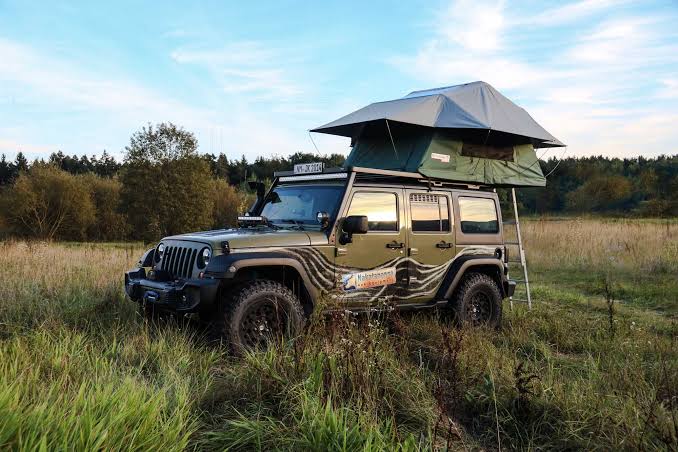
Kenya offers some of Africa’s most memorable road trips. From Nairobi, travellers can drive toward the wildlife-filled plains of the Masai Mara, watch elephants beneath Mount Kilimanjaro in Amboseli, explore the vast Tsavo ecosystem or continue to the white-sand beaches of the Indian Ocean. Choosing affordable roof-top tent car hire Kenya gives you the freedom to experience these destinations without depending entirely on expensive safari lodges or fixed group tours.
A roof-top tent vehicle combines transportation, accommodation and camping equipment in one practical package. During the day, it operates as a capable safari vehicle. In the evening, the roof-top tent transforms it into a comfortable mobile camp. Therefore, travellers can reduce accommodation expenses while enjoying a more personal connection with Kenya’s natural landscapes.
However, an affordable rental should still provide safety, reliability and proper support. Choosing the lowest advertised price without checking the vehicle, insurance and camping equipment can lead to unexpected expenses. A dependable rental company should offer a well-maintained 4×4, clear rental conditions, suitable tyres, essential recovery tools and responsive roadside assistance.
This complete guide explains how to find affordable roof-top tent car hire in Kenya, compare different vehicle models, understand rental prices and select a suitable camping setup. It also covers Kenya’s best self-drive destinations, road conditions, campsite planning, fuel management, insurance, family travel and practical ways to control your safari budget.
Why Choose Affordable Roof-Top Tent Car Hire in Kenya?
A traditional Kenya safari usually combines a private safari vehicle with permanent lodges or tented camps. Although this arrangement offers comfort, the total cost can become high, especially when travellers visit several national parks.
A roof-top tent rental creates a more flexible alternative. Instead of paying separately for a vehicle and hotel room every night, you carry your sleeping area above the car. You can stay at public campsites, community camps or privately managed camping grounds near Kenya’s leading wildlife destinations.
This style of travel gives you greater control over your daily schedule. You can leave camp early, stop at local markets, prepare your own meals and spend more time in places that interest you. Moreover, you avoid following the timetable of a large group safari.
Affordable roof-top tent car hire in Kenya works especially well for couples, friends, photographers, solo overlanders and adventurous families. Travellers who enjoy outdoor experiences often find that the journey itself becomes as memorable as the national parks.
Nevertheless, affordable does not mean choosing an unsuitable vehicle or compromising essential safety. The best budget rental delivers value through reliable performance, useful equipment and transparent pricing.
What the Top Competitors Reveal About Kenya Roof-Top Tent Rentals
Current search results show that leading rental companies promote Toyota Land Cruiser Prado, Land Cruiser V8, Land Cruiser GX, Land Cruiser LX, Land Cruiser 76 and 78 Series, Toyota Hilux, Nissan Patrol and several compact four-wheel-drive vehicles.
Most competitors emphasise single, double and family roof-top tents. They also promote full camping kits with mattresses, bedding, gas stoves, cooking utensils, tables, chairs, refrigerators and water containers.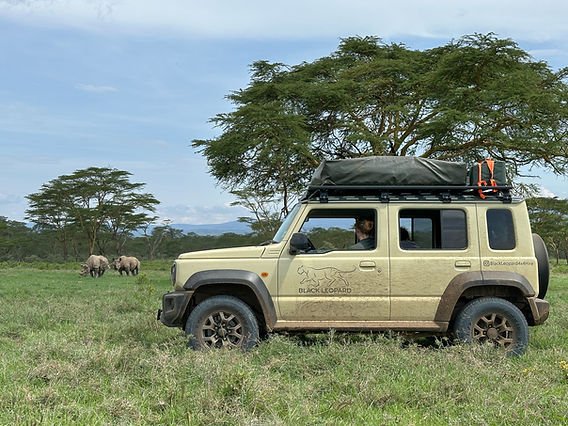
Advertised prices vary significantly. Some budget pages promote starting rates near USD 70 or USD 80 per day, while fully equipped Land Cruisers commonly appear between approximately USD 140 and USD 230 per day. Vehicle type, age, travel season, rental duration, insurance and camping equipment all influence the quotation. Current examples appear on Drive East Africa, Kenya 4×4 Offroad Safaris and 4×4 Road Trips.
The strongest competing pages use popular terms such as “self-drive Kenya,” “4×4 car hire Nairobi,” “Land Cruiser with roof-top tent,” “Kenya camping safari” and “budget safari vehicle rental.” However, many provide limited information about total trip costs, rental exclusions, campsite fees, realistic fuel expenses and ways to avoid hidden charges.
This pillar guide addresses those gaps. It focuses not only on the cheapest daily rate but also on the full cost of running a safe and enjoyable camping safari.
What Is a Roof-Top Tent Car?
A roof-top tent car is a vehicle fitted with a secure tent above its roof. The rental company mounts the tent on a strong roof rack designed to support the structure and its occupants.
At the campsite, travellers remove the protective cover, unfold or raise the tent and extend the ladder. Most models take between five and fifteen minutes to prepare. The tent generally includes a foam mattress, waterproof canvas, mosquito screens, windows and internal storage pockets.
Soft-shell tents fold outward to create a large sleeping platform. Hard-shell tents open vertically or at an angle and usually require less setup time. Both designs can provide comfortable accommodation when properly maintained.
During the day, the tent remains closed and protected by its travel cover. The vehicle then operates like a normal 4×4, although the extra roof weight affects fuel consumption and handling.
A roof-top tent separates sleepers from wet ground, insects and minor campsite disturbances. However, it does not eliminate normal wildlife risks. Campers must still follow park regulations, store food correctly and avoid walking around unfenced campsites at night.
How Roof-Top Tent Hire Can Reduce Safari Costs
The greatest potential saving comes from combining the rental car and accommodation. Instead of hiring a safari vehicle and paying for a lodge separately, travellers use the same vehicle for transport and sleeping.
Cooking your own meals can provide another major saving. Restaurants inside or near national parks often charge more than ordinary town restaurants because of transport and operating costs. A vehicle fitted with a gas stove, refrigerator and kitchen equipment allows you to prepare breakfast, packed lunches and simple dinners.
Self-driving also removes the daily cost of a professional driver-guide. Nevertheless, travellers should balance this saving against their experience. Hiring a guide may remain worthwhile for difficult routes, wildlife spotting or first-time travel in unfamiliar areas.
Longer rentals often attract reduced daily rates. Therefore, a fourteen-day rental may offer better value per day than a three-day booking. Travelling with two or four people also allows the group to divide the cost of the vehicle, fuel and campsite.
Camping does not remove every safari expense. National park fees, campsite charges, fuel, food and insurance still apply. Consequently, travellers should calculate the complete itinerary rather than focusing only on the vehicle rate.
Affordable Roof-Top Tent Car Hire Kenya Prices
The cost of affordable roof-top tent car hire in Kenya depends on several factors. The most important are the vehicle model, rental period, tent capacity, travel season, included camping equipment and insurance conditions. Budget compact 4×4 vehicles may occasionally appear from approximately USD 70 to USD 110 per day. Larger Land Cruiser Prado, GX, VX or V8 models fitted with one roof-top tent commonly cost more. Expedition vehicles with two tents, extra fuel tanks, refrigerators, water systems and recovery equipment may reach USD 150 to USD 230 per day or higher.
These prices represent general market examples rather than guaranteed rates. Rental companies can adjust their charges according to vehicle availability, demand and itinerary. Always request a current written quotation for your exact dates.
Peak-season travel normally costs more. Demand rises during the dry season and around the Great Migration period. Christmas and New Year dates may also fill quickly.
Long-term rentals often qualify for discounts. Some companies offer special rates after seven, fourteen or twenty-one days. Therefore, ask for the total rental cost instead of multiplying the advertised daily rate yourself.
What Usually Influences the Rental Price?
A newer automatic Land Cruiser generally costs more than an older manual model. Larger engines also command higher rental prices and consume more fuel.
Adding a second roof-top tent increases the cost because the vehicle needs a suitable rack, stronger suspension and additional bedding. Family tents may also carry a higher rate.
Comprehensive camping equipment can add value, but some operators charge separately for refrigerators, sleeping bags, child seats, extra drivers and recovery gear.
Airport delivery, one-way drop-off and cross-border documents may create additional charges. Furthermore, the insurance excess and refundable security deposit differ between companies.
Cheap Daily Rates Versus Genuine Value
A low daily rate can look attractive until the traveller discovers that it excludes camping equipment, mileage, insurance or tax. For this reason, comparing only the advertised headline price can be misleading.
One rental may cost USD 120 per day but include unlimited mileage, one roof-top tent, full camping equipment and roadside assistance. Another may advertise USD 90 but add separate charges for bedding, a refrigerator, airport delivery and additional kilometres.
Vehicle condition also influences real value. An older car may be perfectly suitable when it receives regular maintenance and has strong tyres. In contrast, a poorly maintained vehicle can create breakdowns, lost park days and unexpected accommodation expenses.
Ask every operator to provide a complete quotation showing all compulsory costs. Genuine affordability comes from predictable pricing and dependable service rather than the smallest number displayed on a website.
Best Affordable Vehicles for a Kenya Camping Safari
Different vehicles suit different budgets and routes. A couple staying mainly on paved roads and established park tracks may not require the largest Land Cruiser. Meanwhile, travellers heading into remote northern Kenya need stronger equipment and greater fuel capacity.
Toyota RAV4 with Roof-Top Tent
A four-wheel-drive Toyota RAV4 can provide an economical option for two travellers following straightforward routes in dry conditions. It normally consumes less fuel than a large Land Cruiser and costs less to rent.
However, not every RAV4 offers true off-road capability. Some models have limited ground clearance, smaller tyres and less luggage space. Adding camping equipment can make the interior crowded.
This option suits Nairobi, Naivasha, Nakuru and other accessible destinations when road conditions remain good. It may not suit deep mud, remote desert routes or heavily damaged park roads.
Always confirm that the rental agreement permits your planned destinations. A low-cost vehicle becomes poor value if the company prohibits it from entering the parks on your itinerary.
Toyota Land Cruiser Prado
The Land Cruiser Prado offers a good balance between comfort, strength and price. Many travellers choose it because it feels easier to drive than a large expedition vehicle.
A Prado can accommodate two people with one roof-top tent and essential camping gear. Some configurations support a family tent, although luggage space becomes limited.
Automatic transmission makes the Prado attractive to visitors who do not regularly drive manual vehicles. Air conditioning also improves comfort during long journeys.
The Prado can handle many Kenya safari routes, but travellers should remain cautious in deep mud, water crossings and extremely remote areas.
Toyota Land Cruiser GX, VX or LX
These traditional Land Cruiser models provide excellent ground clearance, durable mechanical systems and strong off-road performance. They remain popular for self-drive safaris across East Africa.
A single-tent configuration suits a couple, while some vehicles carry two tents for three or four travellers. Diesel versions may offer better fuel economy than large petrol engines, although actual consumption depends on the load and driving conditions.
The interior normally provides more equipment space than a compact SUV. Consequently, travellers can organise food, water, bedding and luggage more effectively.
Toyota Land Cruiser V8
A Land Cruiser V8 offers comfort, power and strong off-road ability. Automatic transmission, a spacious cabin and effective air conditioning make it attractive for longer journeys.
Nevertheless, its large engine can consume considerable fuel. A lower daily rental rate does not necessarily make it a budget vehicle once fuel costs enter the calculation.
Choose a V8 when comfort and power matter more than minimum operating costs. It works well for couples or families who want a refined vehicle without moving to a fully customised expedition truck.
Toyota Land Cruiser 76 or 78 Series
The 76 Series and 78 Series offer rugged performance and excellent storage. They suit longer overland journeys, remote roads and multi-country itineraries.
Many of these vehicles use manual diesel engines. They may feel less luxurious than a modern Prado, but their simple and durable design suits African road conditions.
A Troop Carrier with one or two roof-top tents can carry substantial camping equipment. However, its larger size and higher rental rate may not be necessary for a short, easy route.
Toyota Hilux Double Cab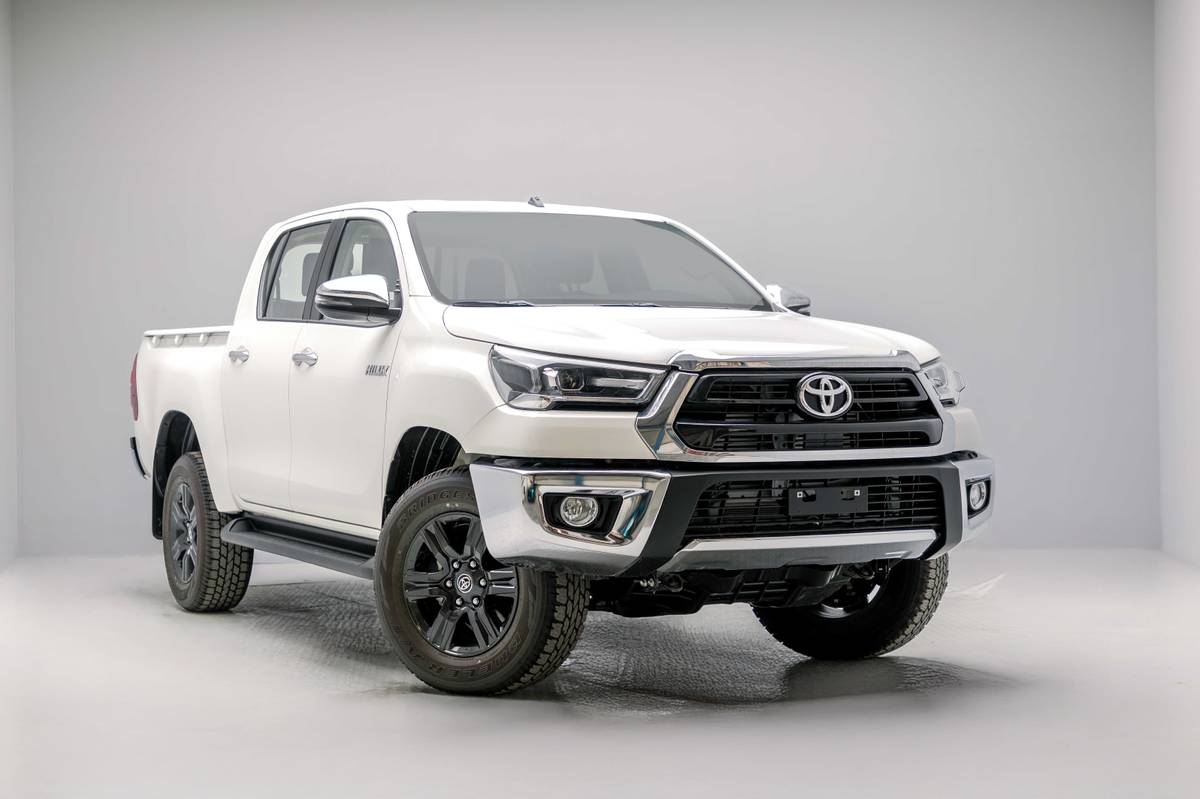
The Toyota Hilux combines a comfortable passenger cabin with a separate rear load area. A canopy protects food, luggage and camping equipment from dust and weather.
One or two roof-top tents may fit above the canopy. The Hilux works well for couples, friends and small families seeking a capable but practical camping vehicle.
Its long body requires care in tight parking areas and narrow tracks. Even so, it remains an excellent choice for a longer self-drive safari.
Choosing the Correct Roof-Top Tent
A standard roof-top tent normally accommodates two adults. Before booking, request the exact mattress measurements because the phrase “two-person tent” does not guarantee the same sleeping space across every model.
Families may choose a larger tent or two separate tents. Two tents provide better privacy and comfort for four adults, although they add weight and rental costs.
Soft-shell tents generally offer more internal space. They unfold over the side of the vehicle and use the ladder as part of the support structure. Hard-shell tents open more quickly and may handle wind better.
Travellers who change campsites every night may appreciate a fast-opening hard shell. Those staying several nights in each destination may prefer the additional space of a soft-shell tent.
Ask the operator to demonstrate the tent during handover. You should know how to open it, position the ladder, secure the rain cover and close everything properly.
Camping Equipment That Should Come with the Vehicle
A properly equipped camper saves money because travellers do not need to buy or transport bulky items. However, every rental company defines “full camping equipment” differently.
A practical package should include a roof-top tent, mattress, bedding, chairs, a table, cooking equipment, water storage and lighting. It should also supply the equipment required to change a tyre and handle minor roadside situations.
Common items include:
- Roof-top tent, mattress and ladder
- Sleeping bags, blankets or duvets
- Pillows and clean bed linen
- Camping table and chairs
- Gas stove and gas cylinder
- Cooking pots and frying pan
- Plates, bowls, cups and cutlery
- Kitchen knife and chopping board
- Refrigerator or cooler box
- Water containers
- Portable camp lights
- First-aid kit
- Fire extinguisher
- Spare tyre, jack and wheel spanner
- Tow rope and basic recovery tools
Request a written inventory before arrival. During vehicle collection, check every item and report missing or damaged equipment immediately.
Equipment Worth Paying Extra For
Some optional equipment can prevent much greater expenses later. A reliable refrigerator, for example, reduces food waste and allows travellers to buy supplies in larger supermarkets.
A second spare tyre offers valuable protection on remote routes. Sharp stones and rough tracks can damage more than one tyre before the vehicle reaches a repair centre.
A portable compressor and tyre-pressure gauge allow you to adjust tyre pressure according to road conditions. However, ask the operator to explain the recommended pressures for paved roads, gravel, mud and sand.
An auxiliary battery protects the main starter battery while powering the refrigerator and camping lights. Solar charging can improve independence during extended stays.
A satellite communicator may justify its cost on remote northern journeys. Mobile-phone coverage remains unreliable in some wilderness regions.
Hidden Costs to Check Before Booking
Unexpected charges can quickly undermine an affordable safari. Therefore, read the quotation and rental agreement carefully.
Ask whether the rate includes taxes, insurance and unlimited mileage. If mileage is limited, calculate the likely distance of your itinerary and the price of every additional kilometre.
Check whether the roof-top tent and all camping equipment appear in the quoted price. Refrigerators, bedding and second tents sometimes cost extra.
Airport delivery may be free within certain hours but expensive for late-night arrivals. One-way rentals between Nairobi and Mombasa also involve relocation charges.
Cross-border travel requires authorisation, documentation and additional insurance. Travellers planning Kenya, Uganda, Rwanda or Tanzania should disclose the complete route before booking.
The security deposit is normally refundable, but the company may place a temporary charge on your card. Confirm the amount, refund period and conditions under which deductions occur.
Insurance for a Kenya Self-Drive Rental
Never assume that the words “comprehensive insurance” mean complete protection. Most policies contain exclusions and an excess payable by the renter.
Tyres, wheels, windscreens, roof equipment and underbody damage may not receive full coverage. Insurance may also exclude river crossings, reckless driving, unauthorised roads, night driving and damage caused by negligence.
Ask whether the roof-top tent has separate coverage. Low branches can damage the tent or rack, particularly when travellers forget the increased vehicle height.
Only authorised drivers should operate the car. If two people plan to share the driving, include both names in the contract.
Your travel insurance may cover rental-car excess, but many policies exclude large 4×4 vehicles. Read the policy carefully and request written confirmation if necessary.
How to Save Money on Roof-Top Tent Car Hire
Book early when travelling during July, August, September or the Christmas season. The most affordable vehicles often sell out before premium models.
Travel during the shoulder season if your schedule allows. Rates may become more flexible, campsites may feel quieter and the landscape can appear greener. Nevertheless, prepare for more difficult road conditions during rainy periods.
Ask for a long-term rental discount. Companies may reduce the daily price for rentals longer than seven or fourteen days.
Select the smallest vehicle that safely handles your itinerary. A couple following established routes may not need a large 79 Series expedition vehicle with two tents and enormous water capacity.
Choose diesel when possible if the rental rate and route make it economical. Diesel Land Cruisers often use less fuel than large petrol V8 models.
Prepare your own meals instead of eating at lodges every day. Buy staple foods and drinking water in Nairobi, then restock in larger towns.
Combine nearby destinations rather than crossing the country repeatedly. An efficient route reduces fuel use, driving time and vehicle wear.
How Much Does a Budget Kenya Camping Safari Cost?
The total depends on travel style, group size, parks and rental length. Nevertheless, building a simple daily budget helps prevent surprises.
A couple might pay between approximately USD 120 and USD 200 per day for a fully equipped 4×4, depending on the vehicle and season. Fuel can add a substantial amount, especially for long transfers or a petrol V8.
Campsites may charge per person, per vehicle or per site. Facilities and location influence the rate. A simple public campsite usually costs less than a private camp with hot showers, electricity, security and a restaurant.
Park fees often represent the largest non-rental expense. Premium wildlife destinations can significantly increase the total. Travellers should check current official fees before confirming the itinerary.
Food costs remain flexible. Self-catering with supermarket supplies costs much less than eating every meal at a safari lodge.
As a result, a camping safari can save money, but it should not be described as free accommodation. The strongest budget combines an appropriate vehicle, efficient route, affordable campsites and carefully selected parks.
Finding Affordable Campsites in Kenya
Kenya offers campsites inside national parks, outside park gates, on private conservancies and near towns. Facilities range from basic wilderness areas to comfortable sites with bathrooms, hot water, electricity and food service.
Camping outside a park can reduce costs because travellers avoid remaining inside the protected area overnight. However, daily travel between the campsite and park gate uses extra fuel and reduces game-viewing time.
Public campsites inside parks provide convenient access but may have basic facilities. Special campsites offer greater privacy, although travellers may need to reserve the entire site.
Private and community campsites can create a good balance between affordability, safety and local economic support. Always confirm what the campsite fee includes.
Wild camping should never be assumed acceptable. Much of Kenya’s land belongs to communities, conservancies, private owners or government agencies. Use authorised sites or obtain clear permission.
Affordable Self-Drive Safari from Nairobi
Nairobi serves as the main starting point for Kenya roof-top tent rentals. It has international flight connections, supermarkets, camping shops, mechanics and a wide selection of rental companies.
A short and affordable itinerary can combine Nairobi, Lake Naivasha, Hell’s Gate and Lake Nakuru. These destinations involve more manageable driving than a route extending immediately to northern Kenya or the coast.
Travellers with additional time can continue to the Masai Mara. Although reserve and campsite fees raise the budget, the area offers exceptional wildlife viewing.
Another practical route connects Nairobi with Amboseli and Tsavo. Ending at the coast creates a rewarding combination of wildlife and beach experiences, although a one-way vehicle return can add costs.
Spend the first night near Nairobi if your flight arrives late. Beginning an unfamiliar self-drive journey while tired creates unnecessary risk.
Masai Mara on a Budget Camping Safari
The Masai Mara remains one of Kenya’s most desirable safari destinations. Lions, elephants, cheetahs, giraffes, buffaloes and large herds of antelope occupy its open landscapes.
Travellers can control costs by camping outside a convenient reserve gate. However, they must calculate daily entry procedures, gate opening times and fuel.
Campsites inside or beside private conservancies may offer a quieter experience. Conservancy packages and driving regulations differ, so compare the full price carefully.
During the migration season, vehicle and campsite demand increases. Booking early improves the chance of securing affordable options.
Road conditions can become difficult after rain. Black-cotton soil turns extremely slippery, and even capable Land Cruisers can become stuck. Follow local advice and avoid entering deep mud without assessing the route.
Affordable Camping in Amboseli National Park
Amboseli offers one of Kenya’s most iconic safari scenes: elephants crossing the plains beneath Mount Kilimanjaro.
Its location makes it suitable for a short self-drive trip from Nairobi. Travellers can spend two nights near or inside the park without creating an extremely long itinerary.
Several campsites serve the surrounding area. Compare sites according to distance from the gate, facilities and security. A cheaper camp far from the entrance may increase fuel costs and reduce game-viewing time.
Morning drives often provide cooler temperatures, active wildlife and clearer mountain views. Enter the park early, then return to camp before dark.
Tsavo East and Tsavo West Camping
Tsavo East and Tsavo West together create an enormous wilderness. Their size and location make them excellent additions to a Nairobi-to-coast road trip.
Tsavo East features broad plains, red soil and famous red elephants. Tsavo West offers volcanic landscapes, hills and varied habitats.
Distances inside Tsavo can become substantial. Choose campsites that fit the next day’s route and avoid crossing unnecessarily between distant gates.
Carry sufficient fuel, food and drinking water. Although a lower-priced rental helps the budget, an efficient driving plan produces additional savings.
Lake Naivasha and Hell’s Gate
Lake Naivasha and Hell’s Gate work well for travellers seeking an affordable escape near Nairobi. Campsites around the lake range from simple backpacker-style grounds to comfortable properties with restaurants and hot showers.
Hell’s Gate allows walking and cycling in designated areas, providing a different experience from vehicle-only wildlife parks. Check current access conditions before planning particular trails.
Hippos live around Lake Naivasha. Follow campsite instructions, especially after dark, and never approach the shoreline without understanding local safety conditions.
Because the area lies close to Nairobi, it provides an excellent first stop after vehicle collection.
Lake Nakuru National Park
Lake Nakuru offers rhinos, buffaloes, giraffes and diverse birdlife within a relatively compact park. It fits naturally into a route connecting Nairobi, Naivasha and the Masai Mara.
Travellers can camp inside or outside the park, depending on current availability and budget. Staying nearby may reduce accommodation expenses, while an internal campsite provides faster access to morning wildlife viewing.
Water levels and flamingo numbers vary. Treat the park as a complete wildlife destination rather than visiting only for one species.
Samburu and Northern Kenya
Samburu introduces arid scenery and distinctive northern wildlife, including Grevy’s zebra, gerenuk, reticulated giraffe and Beisa oryx.
The longer drive and increased fuel consumption make it more expensive than a simple Nairobi–Naivasha circuit. Nevertheless, travellers with enough time can include it efficiently alongside Mount Kenya or Laikipia.
Carry more water than you expect to use. Heat can become intense, while mechanical and fuel services grow less frequent beyond major towns.
A well-maintained Land Cruiser or Hilux provides greater confidence than a compact SUV. Saving money should never mean taking an unsuitable vehicle into remote terrain.
Kenya Coast Camping Safari
Diani, Watamu, Kilifi and other coastal destinations can add relaxation to a self-drive itinerary. Combining Tsavo with the coast prevents unnecessary backtracking.
Coastal campsites vary in price and facilities. Some offer shade, bathrooms, restaurants and secure parking. Others provide simple beachfront spaces.
Roof-top tents can become warm in humid conditions. Choose a shaded campsite and open screened windows for ventilation.
If you want to finish in Mombasa rather than Nairobi, ask about one-way drop-off charges. Sometimes returning the car to Nairobi costs less, even after accounting for fuel. In other cases, the one-way service saves enough time to justify the fee.
A Seven-Day Affordable Kenya Camping Itinerary
A realistic seven-day route begins with vehicle collection in Nairobi and a short drive to Lake Naivasha. Spend the first night learning how to use the tent and camping equipment.
On the second day, explore Hell’s Gate before continuing toward Lake Nakuru. A full morning in the national park provides good wildlife viewing without excessive driving.
Continue to the Masai Mara for three nights. This schedule allows two full days for game drives instead of arriving and leaving immediately.
Return toward Nairobi with one final night in the Rift Valley. The route remains focused, controls fuel expenses and avoids rushing between distant regions.
A Ten-Day Budget Kenya Self-Drive Itinerary
A ten-day southern circuit can begin in Nairobi before continuing to Amboseli for two nights. Spend a full day watching elephants and exploring the park.
Drive toward Tsavo West for two nights, then continue to Tsavo East for another two nights. Carefully select campsites that support the direction of travel.
Finish with two nights near the coast before returning the vehicle in Mombasa or driving back toward Nairobi.
This route combines several ecosystems while avoiding expensive domestic flights. However, compare the one-way drop-off cost with the time and fuel required for the return drive.
A Fourteen-Day Affordable Kenya Road Trip
Two weeks allow travellers to combine the Rift Valley, Masai Mara, Amboseli and Tsavo without driving every day.
Begin with Naivasha and Nakuru, then spend three nights in the Masai Mara. Return through Nairobi or a nearby campsite before continuing to Amboseli.
After two nights below Kilimanjaro, proceed toward Tsavo West and Tsavo East. End at the coast or return to Nairobi through a comfortable intermediate stop.
Include at least one rest day. Constant packing, driving and tent setup can become tiring. A relaxed schedule also provides time for laundry, shopping and vehicle checks.
Vehicle Collection Checklist
Inspect the rental vehicle in daylight whenever possible. Record existing scratches, dents, windscreen damage and interior wear with photographs or video.
Check every tyre, including the spare. Tyres should have sufficient tread and show no major cracks or sidewall damage.
Test the headlights, brake lights, indicators, windscreen washers, horn, air conditioning and charging points. Look for visible fluid leaks beneath the vehicle.
Open and close the roof-top tent yourself. Inspect its zips, mattress, ladder, mosquito screens and waterproof cover.
Test the refrigerator, stove and camping lights. Count all equipment against the inventory.
Ask the staff to demonstrate four-wheel drive, low range, differential locks, spare-wheel removal and correct jack placement.
Finally, save the roadside-assistance numbers and request written instructions for breakdowns, accidents and tyre repairs.
Fuel-Saving Tips for a Kenya 4×4 Safari
Large roof-top tent vehicles naturally consume more fuel than standard cars. However, careful driving can reduce unnecessary use.
Maintain a steady speed on highways and avoid aggressive acceleration. Roof-top tents increase wind resistance, so high speeds can sharply increase consumption.
Plan an efficient route that avoids repeated travel over the same roads. Group nearby parks together instead of crossing the country several times.
Remove unnecessary luggage and equipment. Excess weight increases fuel use and makes the vehicle harder to handle.
Refuel at reputable stations in larger towns. Avoid waiting until the tank becomes nearly empty, particularly before remote sections.
Ask the rental company for realistic fuel-consumption figures. Use conservative calculations and include a reserve in the budget.
Buying Food for a Kenya Camping Safari
Nairobi has large supermarkets where travellers can buy groceries, bottled water, toiletries and cooking supplies. Shopping before departure generally costs less than buying every item near a national park.
Choose meals that are simple to prepare. Rice, pasta, eggs, vegetables, fruit, bread, canned beans and breakfast cereals work well.
A refrigerator allows you to carry fresh food, but avoid overbuying. Limited internal space and changing temperatures can create waste.
Restock in larger towns whenever possible. Supporting local markets can also provide fresh produce and direct benefits to nearby communities.
Keep food in sealed containers. Baboons, monkeys, rodents and insects quickly discover unsecured supplies.
Water Planning
Carry enough safe drinking water for the planned route and an additional emergency reserve. Hot conditions can increase consumption considerably.
Some campsites provide water suitable for washing but not drinking. Ask before filling bottles or cooking containers.
Separate drinking water from general-use water. Clear labelling prevents confusion.
A fixed vehicle water tank offers convenience, although portable containers remain easier to refill and clean. Check every container for leaks before departure.
Roof-Top Tent Safety
Always park on firm, level ground before opening the tent. Soft soil can shift during rain, while a steep slope creates an uncomfortable and unstable sleeping position.
Check above the vehicle for dead branches. Strong wind can bring down damaged limbs without warning.
Extend the ladder fully and ensure that it sits securely. The ladder often supports part of a soft-shell tent’s weight.
Keep the tent closed whenever you leave the campsite. Sudden rain, dust or curious animals can enter an unattended open tent.
Never drive with the tent partly open or the protective cover unsecured. Stop immediately if you hear unusual movement from the roof.
Wildlife Safety at Campsites
Use authorised campsites and follow the instructions provided by rangers or camp staff. Some sites remain unfenced, allowing wildlife to move through freely.
Do not walk around after dark unless staff confirm it is safe. Use an escort where required.
Keep food and rubbish inside secure vehicle storage. Never leave cooking pots, scraps or food packages outside overnight.
Do not sleep with strongly scented food inside the tent. Animals may investigate unfamiliar smells.
Children need constant supervision. Elephants, buffaloes, hippos and predators can approach silently.
Remain calm if animals enter the campsite. Stay inside the vehicle or tent and wait for them to leave. Do not shout, shine powerful lights directly at them or attempt to chase them away.
Driving Safely in Kenya
Kenya drives on the left. International travellers should confirm licence requirements with the rental company before arrival.
Avoid driving after dark. Pedestrians, livestock, wildlife, motorcycles, unlit vehicles and road hazards become difficult to see.
Slow down near towns, schools and villages. Speed bumps can appear unexpectedly.
Inside parks, remain on designated tracks and respect speed limits. Fast driving reduces wildlife sightings and increases the risk of damage.
Rain can quickly transform dirt roads into mud. Seek local advice before entering difficult sections.
Never cross deep water without knowing its depth, surface and current. Insurance may exclude water damage.
Rainy-Season Budget Travel
The rainy season can offer lower rental prices, greener scenery and quieter campsites. However, travellers must prepare for muddy roads and possible delays.
Choose a capable 4×4 with suitable tyres. A compact vehicle that performs well during the dry season may struggle on wet black-cotton soil.
Allow additional travel time and avoid rigid schedules. Heavy rain can make some tracks temporarily impassable.
Carry waterproof bags for clothing and electronics. Pack the tent dry whenever possible. If you must close it wet, reopen it at the next suitable opportunity.
Rainy-season travel can provide excellent value, but the vehicle and itinerary must match the conditions.
Should You Hire a Driver-Guide?
Self-driving removes the daily guide fee and offers complete privacy. Experienced drivers may prefer this independence.
A driver-guide, however, contributes local road knowledge, wildlife-spotting skills and help during mechanical problems. First-time visitors often find this support valuable.
Some companies charge a separate daily guide fee. Travellers must also provide the guide’s accommodation and meals unless the quotation includes them.
A flexible alternative involves self-driving between destinations and hiring local guides for selected game drives. This arrangement controls costs while adding expertise where it matters most.
Cross-Border Roof-Top Tent Car Hire
Many travellers want to connect Kenya with Uganda, Rwanda or Tanzania. Cross-border rentals may be available, but they require advance permission.
The rental company must prepare vehicle authorisation, insurance and temporary export documents. Additional fees may apply for each country.
One-way drop-off in another country costs more because the operator must recover or reposition the vehicle.
Border requirements and park rules change. Confirm the entire itinerary before paying the rental deposit.
Never cross a border without written permission from the vehicle owner. Doing so can invalidate insurance and create serious legal complications.
Mistakes That Make an Affordable Safari Expensive
Booking the cheapest vehicle without checking its condition can create costly breakdowns. Always prioritise tyres, brakes, mechanical reliability and emergency support.
Planning unrealistic daily distances increases fuel consumption and may force travellers to drive after dark.
Ignoring park and campsite fees leads to an inaccurate budget. Check current charges for every destination.
Carrying too little water or fuel can create dangerous emergencies in remote areas.
Failing to understand insurance may leave the renter responsible for windscreen, tyre, roof or underbody damage.
Leaving food unsecured can attract wildlife and cause equipment damage.
Finally, rushing the vehicle handover may allow missing equipment or existing damage to go unnoticed.
How to Choose an Affordable and Reliable Rental Company
Look for clear communication, a detailed written quotation and transparent rental terms. A professional company should explain insurance, deposits, mileage and restricted roads without hesitation.
Request recent photographs of the vehicle category. Ask about the approximate model year, transmission, fuel type and maintenance programme.
Check independent reviews, especially comments about breakdown handling and customer support. A company’s response during a problem matters more than a polished marketing image.
Confirm whether the company has a physical office, recognised business identity and reachable emergency contacts.
Ask what happens when the assigned vehicle becomes unavailable. The replacement should provide an equal or better camping configuration.
A dependable operator may not offer the lowest rate, but strong support can protect the entire safari investment.
Frequently Asked Questions About Affordable Roof-Top Tent Car Hire Kenya
How much is affordable roof-top tent car hire in Kenya?
Budget rates may start near USD 70 to USD 110 per day for selected vehicles, while fully equipped Land Cruisers commonly range from around USD 140 to USD 230 per day. Prices depend on the season, vehicle, rental length and equipment.
Does the rental price include camping equipment?
Some packages include full equipment, while others charge separately for bedding, refrigerators, tables, chairs and cooking gear. Request an itemised inventory.
Can two adults sleep comfortably in one roof-top tent?
Yes. Most standard roof-top tents accommodate two adults. Ask for the mattress measurements if you want to confirm the available space.
Is a roof-top tent cheaper than staying in lodges?
It can reduce accommodation and meal costs, especially during longer journeys. Nevertheless, campsites, fuel and park fees remain additional expenses.
Can I rent a roof-top tent vehicle at Nairobi Airport?
Many operators provide airport or hotel delivery. Confirm whether delivery is free and whether late-night handovers cost extra.
Is unlimited mileage included?
It depends on the company. Some rentals include unlimited mileage, while others charge for kilometres beyond a daily limit.
Do I need a Land Cruiser?
Not for every route. A capable compact 4×4 may suit accessible destinations in dry weather. Remote routes and difficult park roads require stronger vehicles.
Can I camp anywhere?
No. Use authorised campsites or obtain permission from the relevant landowner or authority.
Are national park fees included?
Usually not. Travellers normally pay park entry, vehicle entry and campsite charges separately.
Can four people travel in one vehicle?
Yes, provided the car has four proper seats, enough luggage space and two suitable tents or a genuine family tent.
Is an automatic 4×4 available?
Many operators offer automatic Prado, V8 and Hilux models. Confirm availability early because automatic camping vehicles may be limited.
What should I do if the vehicle breaks down?
Contact the rental company immediately and follow its instructions. Do not authorise major repairs without approval unless an emergency requires immediate action.
Is roadside assistance included?
Reliable companies usually provide telephone support and coordinate assistance. However, response times depend on the location and road access.
Can I take the vehicle to Tanzania, Uganda or Rwanda?
Possibly, but you need written authorisation, cross-border insurance and the required vehicle documents.
What is the best rental period?
Seven to fourteen days provides enough time for a rewarding circuit without rushing. Longer rentals may also qualify for discounted rates.
Why Book Affordable Roof-Top Tent Car Hire in Kenya?
Affordable roof-top tent car hire in Kenya provides freedom, privacy and direct access to some of Africa’s most spectacular landscapes. Travellers can build their own itinerary, prepare meals beside the vehicle and sleep closer to nature.
The right rental combines a dependable 4×4, a clean waterproof tent, suitable camping equipment and responsive support. It should also provide clear insurance and transparent pricing.
Careful route planning creates the greatest savings. Choose nearby destinations, limit unnecessary driving and reserve reasonably priced campsites. Moreover, select a vehicle that matches your actual route instead of automatically paying for the largest model.
A Kenya self-drive camping safari is not only a budget alternative. It is a rewarding travel style that turns every transfer into part of the adventure. With preparation, responsible driving and a trustworthy rental partner, your roof-top tent vehicle becomes your transport, kitchen, viewing platform and wilderness home.
Book Affordable Roof-Top Tent Car Hire in Kenya
Universal Ventures Rwanda arranges customised East African self-drive safaris, roof-top tent vehicle rentals, guided tours and cross-border travel across Kenya, Rwanda and Uganda.
Contact the team with your travel dates, number of travellers, preferred vehicle, tent configuration and intended route. You will receive a personalised quotation based on your specific safari requirements.
Universal Ventures Rwanda
Telephone and WhatsApp: +250 781 441 853
Email: info@universalventuresrwanda.com
Address: KN 15 Road, opposite IPRC Entrance, 1st Floor, SANGWA Plaza, Kigali, Rwanda
Website: www.universalventuresrwanda.com
