


Tanzania is made for adventurous road trips. Wide savannahs, famous national parks, mountain scenery and remote landscapes give independent travelers countless opportunities to explore beyond a conventional safari itinerary.
Choosing Affordable roof-top tent car hire Tanzania combines your transport and accommodation in one practical setup. A capable 4×4 carries your rooftop tent, luggage and camping equipment while giving you the freedom to build a safari around your own schedule.
What Is Affordable Roof-Top Tent Car Hire Tanzania?
A rooftop-tent rental combines a four-wheel-drive vehicle with a folding tent mounted securely above the vehicle. During driving hours, the tent remains closed. Once you reach an authorized campsite, it unfolds into an elevated sleeping area.
Most setups include a mattress, ladder and protective tent cover. More complete Tanzania camping-car rentals can also provide bedding, chairs, tables, cooking equipment, water containers and a refrigerator.
Why Travelers Choose a Mobile Safari Camp
Transporting your accommodation with you creates valuable flexibility. Instead of moving between expensive lodges every night, you can use established campsites and prepare some of your own meals.
The experience is also more independent. You decide how quickly to travel, where to stop and how long to remain in each destination.
For couples, photographers, families and overland travelers, this combination of mobility and camping can provide excellent value.
Why Choose a Rooftop Tent Safari in Tanzania?
Tanzania offers an exceptional environment for self-drive exploration. The Northern Safari Circuit connects several major wildlife destinations within a route that can begin and end in Arusha.
Travelers can explore Tarangire, Lake Manyara, Ngorongoro and Serengeti while carrying their camping setup on one vehicle.
Longer trips can extend toward less visited parts of the country.
Freedom Without Depending on Safari Lodges
A traditional lodge safari revolves partly around accommodation reservations. Rooftop camping changes that rhythm.
You still need authorized campsites and park bookings where required, but your sleeping setup travels with you.
This creates an adventure where driving, wildlife viewing, cooking and camping become part of the overall safari rather than separate services.
Why a 4×4 Is Important in Tanzania
Major highways between Tanzanian towns can be paved and straightforward. Conditions change once a journey reaches national parks, remote areas and secondary roads.
Safari tracks may include gravel, corrugations, stones, potholes, mud and uneven surfaces. Heavy rain can make some roads considerably more difficult.
Ground Clearance Matters
Four-wheel drive is only part of the equation. Good ground clearance helps the vehicle negotiate ruts and uneven tracks without constantly risking contact underneath.
Proper tires are equally important.
A well-maintained Toyota Land Cruiser with suitable tires is generally more valuable on a safari than a newer-looking vehicle that has been poorly prepared.
Best Vehicles for Tanzania Rooftop Tent Safaris
Toyota Land Cruisers are widely associated with African safari travel because they combine durability, ground clearance and four-wheel-drive capability.
Different models serve different types of travelers.
Vehicle selection should consider group size, luggage, route, fuel consumption and preferred comfort level.
Toyota Land Cruiser Prado
A Prado can be a practical choice for couples. It provides comfortable seating and capable four-wheel-drive performance while remaining easier to handle than some larger safari vehicles.
With one double rooftop tent, it can create a compact mobile camping setup for two travelers.
For established Northern Circuit routes, a properly maintained Prado can provide an excellent balance between comfort and cost.
Toyota Land Cruiser 70 Series
Travelers planning more rugged journeys may prefer the 70 Series.
Its design emphasizes durability rather than luxury. Longer versions also provide useful interior space for camping equipment and luggage.
The driving experience can feel more utilitarian than a modern SUV, but experienced overlanders often appreciate its straightforward construction.
Toyota Land Cruiser V8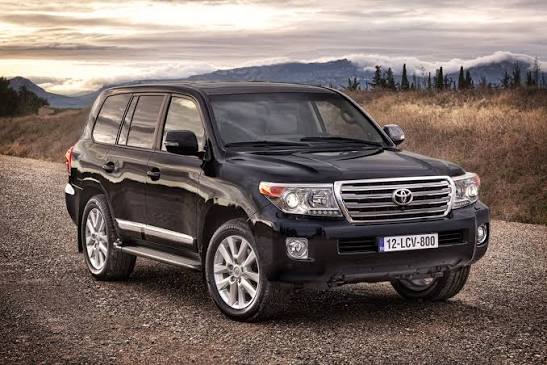
A V8 Land Cruiser provides additional comfort and strong performance.
The larger engine can make long journeys pleasant, particularly when the itinerary combines highways with safari tracks.
Fuel consumption deserves attention, however. Travelers covering substantial distances should calculate expected fuel expenses before deciding whether a V8 represents the best overall value.
Single Rooftop Tent for Couples
Two travelers can normally use one double rooftop tent.
This keeps the setup simple while preserving interior storage for luggage, food and camping supplies.
Before booking, request the actual sleeping dimensions rather than relying only on the description “double tent.”
Check the Mattress Before Departure
A comfortable mattress becomes increasingly important on longer safaris.
Inspect the sleeping surface during handover and establish whether bedding is provided.
Cooler nights can occur in higher-altitude locations, so blankets or suitable sleeping bags should match the season and itinerary.
Family Rooftop Tent Car Hire Tanzania
Families and groups require more space.
Depending on vehicle design, a larger family rooftop tent or two separate tents may be available.
Sleeping capacity should not be the only consideration.
Allow Enough Space for Luggage
Four people generate significantly more luggage, food, drinking water and camping equipment than a couple.
Choosing an undersized vehicle can make every driving day uncomfortable.
Ask how luggage is stored when all seats are occupied and request photographs of the actual camping configuration whenever possible.
What Should a Tanzania Rooftop Tent Rental Include?
Equipment varies considerably between rental companies.
Before comparing prices, request a complete written inventory. This makes it easier to understand whether two quotations genuinely provide similar packages.
The tent itself should be only the beginning.
Sleeping Equipment
A suitable package may provide a rooftop tent, mattress and bedding.
Confirm whether pillows, blankets, sheets or sleeping bags are supplied.
Nighttime temperatures can differ greatly between lower safari plains and highland areas, making suitable bedding essential.
Camping Furniture
Folding chairs and a table make campsite evenings considerably more comfortable.
Check that enough chairs are provided for every traveler.
A stable table is useful for both cooking and eating, particularly when staying several nights in remote areas.
Cooking Equipment for a Self-Drive Safari
Preparing your own food can help control the cost of a Tanzania camping safari.
A basic cooking kit normally needs pots, a frying pan, plates, mugs, cutlery, cooking utensils and a suitable stove.
Simple meals are often best.
Stock Up Before Remote Routes
Arusha and other major towns provide opportunities to buy food before entering safari areas.
Purchase supplies according to the number of days before your next reliable shopping stop.
Avoid carrying excessive quantities of perishable food unless the vehicle has dependable refrigeration.
Camping Fridge and Electrical System
A refrigerator is one of the most useful pieces of equipment for an extended Tanzania road trip.
It keeps drinks and selected foods cool while reducing the need for frequent shopping.
Before departure, learn how the fridge receives power.
Dual-Battery Systems
Some overland vehicles use an auxiliary battery to power camping equipment when the engine is switched off.
This arrangement protects the main starting battery.
If your rental has such a system, ask the company to explain it during handover. Never assume every camping Land Cruiser has the same electrical configuration.
Water Storage for Tanzania Camping
Water planning deserves serious attention.
Carry sufficient drinking water for everyone, then add an appropriate reserve.
Cooking and washing may require additional supplies.
Use Refillable Containers
Large reusable containers reduce the number of small plastic bottles carried inside the vehicle.
They also make it easier to monitor remaining supplies.
When heading into remote areas, refill whenever reliable clean water is available rather than waiting until containers are nearly empty.
Recovery Equipment and Spare Wheels
Rough roads increase the possibility of punctures.
Every safari vehicle should have at least one usable spare tire, a suitable jack and a wheel spanner.
Remote itineraries may justify additional equipment.
Know Where Everything Is Stored
Equipment provides little value if travelers cannot find or operate it.
During handover, locate the jack and spare wheel. Ask where the correct lifting points are positioned on the vehicle.
A short demonstration can save considerable frustration later.
How Much Does Affordable Roof-Top Tent Car Hire Tanzania Cost?
There is no single rental price that applies throughout the year.
Rates depend on vehicle model, rental duration, travel season, rooftop-tent configuration and camping equipment.
A Prado carrying one tent will usually be priced differently from a larger Land Cruiser equipped for four travelers.
Compare Complete Packages
Do not judge affordability from the advertised daily rate alone.
One company may include camping equipment, mileage and airport delivery. Another might charge separately for those services.
The most useful figure is the total amount required for the complete rental period.
Understanding the Real Tanzania Self-Drive Safari Cost
Vehicle rental is only one part of the budget.
Fuel can become a major expense, especially on longer itineraries.
Park entrance charges, vehicle fees and campsite costs should also be calculated separately.
Add Food and Travel Expenses
Self-catering can reduce restaurant expenses, but food still belongs in the budget.
Include drinking water, occasional restaurant meals and supermarket purchases.
Depending on your itinerary, additional costs may involve airport transfers, hotels before or after the rental and optional safari activities.
Why Cheap Car Hire Can Become Expensive
A very low daily price may appear attractive.
Problems arise when essential services are missing or the vehicle has been poorly maintained.
Mechanical delays can consume valuable safari days.
Reliability Has Financial Value
Consider the value of your flights, park bookings and holiday time.
Saving a small amount on an unreliable vehicle makes little sense if a breakdown causes you to miss an expensive national-park reservation.
Affordable travel means controlling the total trip cost without compromising essential reliability.
Hidden Rental Charges to Check
Transparent quotations make budgeting easier.
Before paying, determine whether taxes are included and whether mileage limits apply.
Airport delivery can also affect the final amount.
Additional Drivers and Equipment
Some companies include a second driver, while others charge an additional fee.
Camping equipment should be checked in the same way.
A refrigerator, GPS unit, child seat or second rooftop tent may carry separate charges.
One-Way Rental Fees
Returning the vehicle somewhere other than the original pickup location can create a relocation charge.
Compare that fee with the cost of driving back.
Sometimes a one-way rental saves enough time and fuel to justify the additional expense.
Insurance for Tanzania 4×4 Car Hire
Never treat insurance as an unimportant part of the rental agreement.
Read what is covered and understand the financial excess.
Certain types of damage may have separate conditions.
Tires, Windscreens and Underbody Damage
Ask specifically how tire damage, broken windscreens and underbody problems are handled.
Water damage and unauthorized road use may also be excluded.
Clear insurance information should be available before the rental begins.
Security Deposits
A security deposit may be required when collecting the vehicle.
Establish the amount, payment method and refund procedure before arrival.
Document the vehicle carefully during handover.
Photograph Existing Damage
Take clear photographs of scratches, dents, wheels, bumpers, mirrors and the windscreen.
Include the rooftop tent and camping equipment.
These images create a useful record of the vehicle’s condition before your safari begins.
Roadside Assistance
Even a well-maintained 4×4 can experience mechanical problems.
Rough roads, heat and long distances place significant demands on safari vehicles.
Strong roadside support therefore adds real value.
Understand the Breakdown Procedure
Keep the rental company’s emergency contact details available offline.
Find out whether support is available outside normal office hours.
For remote itineraries, establish what happens if the vehicle cannot be repaired locally.
Unlimited Mileage vs Limited Mileage
Long Tanzania itineraries can cover substantial distances.
Unlimited mileage simplifies budgeting because travelers do not need to monitor every kilometer.
However, geographic restrictions may still apply.
Read the Rental Agreement
Unlimited mileage does not necessarily mean unlimited road access.
Certain remote routes or international border crossings may require advance permission.
Discuss your complete itinerary with the rental company before signing the agreement.
Affordable Roof-Top Tent Car Hire Tanzania from Arusha
Arusha is one of the most practical starting points for a northern Tanzania self-drive safari.
The city provides access to supermarkets, fuel stations and safari services before travelers head toward the national parks.
Tarangire, Lake Manyara, Ngorongoro and Serengeti can all form part of an Arusha-based circuit.
Prepare the Vehicle in Arusha
Use the handover period carefully.
Test the rooftop tent, inspect the tires and confirm all camping equipment.
Stock food and drinking water before departure.
Offline navigation should also be downloaded while reliable internet is available.
Rooftop Tent Car Hire from Kilimanjaro Airport
International visitors arriving at Kilimanjaro International Airport may arrange airport vehicle delivery or transfer to a rental base.
Check whether delivery carries an additional charge.
Arrival time also matters.
Avoid Starting Tired
A late-night international arrival is not the ideal time to learn an unfamiliar Land Cruiser.
Consider staying nearby and completing the handover the following morning.
Beginning rested makes the first driving day considerably safer.
Roof-Top Tent Car Hire from Dar es Salaam
Dar es Salaam can be a practical starting point for travelers focusing on southern Tanzania.
Routes may extend toward Mikumi, Nyerere and other destinations depending on available time and current road conditions.
Distances can be substantial.
Plan Conservative Driving Days
Do not create the itinerary using distance alone.
Traffic, road surfaces, stops and weather can extend travel times.
Reaching the campsite before dark should take priority over squeezing another destination into the schedule.
One-Way 4×4 Rental Tanzania
A circular itinerary is often the cheapest arrangement because the vehicle returns to its original base.
One-way rentals provide an alternative when travelers need to finish elsewhere.
The rental company may charge for repositioning the vehicle.
When One-Way Hire Makes Sense
Calculate how much time and fuel would be required to return to the original location.
If backtracking consumes an entire day, a relocation charge may represent good value.
Time should be treated as part of the safari budget.
Best Tanzania Self-Drive Safari Routes
A successful road trip does not need to cover the entire country.
Choosing a compact region usually creates a better experience than constantly driving between distant attractions.
Northern Tanzania is particularly suitable for first-time visitors.
Build the Route Around Available Days
Seven days requires a focused itinerary.
Ten to fourteen days creates much more flexibility.
Travelers with three weeks can slow down further and consider less visited destinations without turning every day into a long-distance drive.
Arusha to Tarangire National Park
Tarangire makes an excellent first major safari stop from Arusha.
Its landscapes, baobab trees and wildlife provide a memorable introduction to northern Tanzania.
The route also fits naturally with Lake Manyara and Ngorongoro.
Take Time for Game Drives
Avoid treating Tarangire merely as a stop on the way to Serengeti.
Allow enough time to explore.
A self-drive safari becomes more rewarding when travelers spend time inside each destination rather than collecting park names.
Lake Manyara and Karatu
The Lake Manyara and Karatu region can provide a useful transition between Tarangire and Ngorongoro.
Karatu is particularly helpful for refueling and restocking supplies.
Travelers can also use the area for a comfortable overnight stop.
Restock Before Continuing
Check fuel levels, drinking water and food.
Small logistical stops prevent bigger problems later.
A well-planned self-drive safari uses towns strategically instead of waiting until supplies become urgent.
Ngorongoro Self-Drive Safari
Ngorongoro is one of Tanzania’s most celebrated wildlife destinations.
The highland environment differs significantly from lower safari plains.
Temperatures can become cool, particularly at night.
Prepare for Changing Conditions
Carry warm clothing and appropriate bedding.
Drivers should also be comfortable with gradients and variable road surfaces.
Current entry procedures, camping arrangements and applicable fees should be confirmed before travel.
Serengeti Self-Drive Safari
Serengeti is often the centerpiece of a Tanzania road trip.
Its enormous scale creates remarkable wildlife opportunities but also requires careful planning.
Distances inside the ecosystem should not be underestimated.
Allow Several Nights
One rushed night rarely does justice to Serengeti.
Spending several days reduces pressure and gives travelers more opportunities for wildlife viewing.
It also means you are less likely to race toward camp late in the afternoon.
Camping in Serengeti
Camping inside a wildlife ecosystem creates a powerful connection with the landscape.
It also carries responsibilities.
Animals may move close to unfenced campsites.
Respect Wildlife Around Camp
Keep food secured and follow all campsite instructions.
Avoid unnecessary walking after dark.
Never approach an animal for photographs.
A rooftop tent places your sleeping area above the ground, but wildlife safety rules still apply.
Lake Natron Road Trips
Lake Natron appeals to travelers looking beyond the most familiar safari routes.
The surrounding landscapes provide a very different experience from Serengeti and Ngorongoro.
Road conditions can be more demanding.
Prepare for Remote Driving
Check fuel and water before departure.
A capable 4×4 is important, but preparation matters equally.
Current road advice should be obtained locally because conditions can change with weather.
Southern Tanzania Self-Drive Safaris
Travelers with more time may consider the southern circuit.
Long distances and lower visitor numbers create a different style of adventure.
Mikumi, Nyerere and Ruaha can feature in carefully designed routes.
Allow More Time
Southern Tanzania should not be squeezed into an already crowded northern itinerary.
Build the trip around realistic driving distances.
Slow travel reduces fatigue and creates more opportunities to enjoy each destination.
Public Campsites in Tanzania
Public campsites can help keep a self-drive safari affordable.
Facilities vary according to location.
Some provide basic toilets and showers, while others are considerably simpler.
Check Facilities Before Arrival
Do not assume electricity, hot water, restaurants or drinking water will always be available.
Knowing what a campsite provides helps determine how much water, food and equipment you need to carry.
Preparation is especially important in remote national parks.
Special Campsites
Travelers seeking greater privacy may encounter special campsite options in some safari areas.
These can provide a more isolated wilderness atmosphere.
Costs and facilities may differ from public campsites.
Privacy Comes with Responsibility
Remote camping requires stronger self-sufficiency.
Travelers should understand wildlife rules, waste disposal and available facilities before arrival.
Greater isolation should never lead to careless behavior around animals.
Can You Camp Anywhere in Tanzania?
No. Carrying a rooftop tent does not create unrestricted camping rights.
Inside protected areas, travelers must follow official camping regulations.
Private land also requires appropriate permission.
Plan Overnight Stops
Knowing where you will sleep makes each driving day easier to manage.
It reduces the temptation to continue driving after dark.
Planned campsites also make it easier to calculate distances, park fees and food requirements.
Tanzania National Park Fees
Vehicle rental prices generally do not include national-park entrance fees unless explicitly stated.
Additional vehicle and camping charges may apply.
Conservation areas can operate under different fee systems.
Check Current Official Rates
Park charges can change.
Use current official information when calculating your budget rather than depending on old travel articles.
Accurate fee planning is particularly important for multi-park itineraries.
Driving in Tanzania
Tanzania drives on the left.
Visitors accustomed to right-hand traffic should give themselves time to adjust.
Road conditions range from paved highways to rough safari tracks.
Drive Defensively
Reduce speed in towns and villages.
Watch carefully for pedestrians, cyclists, livestock and changing road surfaces.
Inside parks, follow applicable speed limits and give wildlife priority.
A safari should never become a race.
Avoid Driving at Night
Night driving introduces unnecessary risks.
Visibility is reduced, while animals, pedestrians and unlit obstacles can be harder to see.
Mechanical problems are also more difficult to manage after dark.
Reach Camp Before Sunset
Plan conservative daily distances.
Arriving early gives you time to open the rooftop tent, prepare dinner and organize the campsite while daylight remains.
That routine makes camping significantly more enjoyable.
Driving During the Rainy Season
Rain can transform unpaved tracks.
Mud, standing water and slippery surfaces may appear quickly.
Certain roads can become considerably more difficult.
Four-Wheel Drive Has Limits
A Land Cruiser is capable, but it cannot overcome every condition.
Avoid unnecessary risks.
When park personnel or experienced local drivers advise against a route, take that information seriously.
Dry-Season Tanzania Road Trips
Dry periods generally provide easier road conditions across many safari areas.
Wildlife may also concentrate around water sources.
Dust can become a significant issue.
Protect Your Equipment
Keep cameras and electronics covered when not in use.
Close vehicle windows when passing through particularly dusty sections.
Regularly check rooftop-tent straps and exterior equipment after rough roads.
Navigation for Tanzania Self-Drive Safaris
Digital navigation is extremely useful.
Download offline maps before entering remote areas.
Mobile coverage cannot be guaranteed throughout national parks.
Carry Backup Navigation
A dedicated GPS or paper map can provide additional security.
Do not blindly follow digital shortcuts.
Inside protected areas, remain on authorized roads and tracks according to park regulations.
Fuel Planning
Fill the tank whenever appropriate opportunities arise.
Remote areas may have long distances between dependable fuel stations.
Avoid allowing the gauge to become dangerously low.
Keep a Safety Margin
Unexpected detours can increase distance.
Road closures may also require changes.
A sensible fuel reserve gives travelers flexibility when the itinerary does not go exactly according to plan.
Food Planning for a Camping Safari
Simple food works extremely well on self-drive trips.
Rice, pasta, vegetables, eggs, fruit, bread and other easy-to-prepare foods reduce cooking complexity.
Restock when passing through major towns.
Secure Food Around Wildlife
Never leave food outside overnight.
Clean cooking equipment after use and dispose of waste correctly.
Preventing animals from associating campsites with human food is important for both visitor safety and wildlife conservation.
Wildlife Safety at Campsites
Safari campsites can be located inside active wildlife habitats.
Elephants, buffaloes, hyenas and other animals may move through unfenced areas.
Remain aware of your surroundings.
Nighttime Safety
Use a headlamp after dark.
Avoid wandering away from the campsite.
Follow instructions from park or campsite personnel.
Wildlife should always be given sufficient space.
Rooftop Tent Safety
A properly installed rooftop tent can provide comfortable safari accommodation.
Check mounting points and straps periodically.
Never drive with the tent partly open.
Use the Ladder Correctly
Make sure the ladder is stable before climbing.
Keep the area below the entrance clear.
Travelers with significant mobility limitations should consider whether repeated ladder use is suitable for them.
Vehicle Inspection Before Departure
Do not rush the handover.
Walk around the vehicle with the rental representative and record existing damage.
Inspect tires, lights, mirrors and the windscreen.
Check the Spare Tire
Make sure the spare is properly inflated.
Confirm that wheel-changing equipment is present.
If a second spare is included for remote travel, inspect that tire as well.
Test the Rooftop Tent
Open the tent before leaving the rental location.
Climb inside and inspect the mattress.
Learn how support poles, straps and the ladder operate.
Practice Closing the Tent
Packing the tent correctly is just as important as opening it.
Practice once with assistance.
Doing this at the rental base is easier than learning the process during your first evening in the bush.
Understand the 4WD System
Ask how four-wheel drive operates on the exact vehicle.
Some systems differ significantly between Land Cruiser models.
Learn how high and low range work if both are available.
Do Not Experiment in Difficult Terrain
Understand the controls before reaching mud, sand or steep terrain.
Incorrect use can damage mechanical components.
Four-wheel-drive knowledge is part of responsible vehicle rental.
Manual vs Automatic Land Cruiser
Choose the transmission you already drive confidently.
Automatic vehicles can reduce workload during long journeys.
Experienced manual drivers may prefer greater direct control.
Comfort Improves Safety
Unfamiliar roads require concentration.
Using a transmission you understand allows more attention to remain on traffic, wildlife and road conditions.
Do not learn manual driving during a safari.
Self-Drive vs Driver-Guide
Self-driving offers maximum independence.
You control departure times, stops and daily pacing.
It also makes you responsible for navigation and vehicle care.
Consider Your Experience
A professional driver-guide can reduce stress for travelers unfamiliar with African road conditions.
Passengers can focus on wildlife rather than driving.
Choose according to confidence and travel style rather than assuming self-drive is automatically better.
Is Tanzania Suitable for First-Time Self-Drivers?
Confident travelers with road-trip and 4×4 experience can enjoy an exceptional adventure.
Preparation remains essential.
Those with little experience on rough roads should choose routes conservatively.
There Is No Shame in Hiring a Driver
A safari is supposed to be enjoyable.
If driving conditions create anxiety, a driver can transform the experience.
The right decision is the one that produces a safe and rewarding journey.
Cross-Border Car Hire from Tanzania
Longer overland trips may continue into neighboring countries.
Rental-company authorization is essential.
Do not assume a Tanzania rental vehicle can automatically cross an international border.
Vehicle Documents Matter
Additional insurance and paperwork may be required.
Provide the rental company with your complete route before booking.
Border arrangements should be confirmed in writing.
Tanzania to Kenya Self-Drive
Combining Tanzania and Kenya creates an outstanding East Africa safari.
Travelers can link different wildlife regions while enjoying a longer overland experience.
However, vehicle paperwork must be organized correctly.
Consider One-Way Logistics
Returning a Tanzania vehicle in Kenya may not always be possible.
Even when permitted, relocation costs can be substantial.
Confirm vehicle return arrangements before booking flights.
Tanzania to Rwanda Road Trip
Travelers with enough time can combine Tanzania’s savannah landscapes with Rwanda’s mountain scenery and gorilla trekking.
This creates an exceptional contrast between classic game drives and primate experiences.
Plan Enough Days
Distances are substantial.
Avoid building a route that requires constant long-distance driving.
A slower East Africa itinerary is far more rewarding than attempting to see several countries in a short period.
Tanzania to Uganda Overland Safari
Uganda adds gorilla trekking, chimpanzees and additional national parks to an East Africa journey.
A Tanzania–Uganda road trip can work particularly well for experienced overlanders.
Cross-border vehicle permission remains essential.
Combine Uganda and Rwanda
Travelers with sufficient time can incorporate both countries.
The resulting itinerary can include Serengeti wildlife, mountain gorillas and chimpanzees within one larger African adventure.
Careful route planning keeps driving days manageable.
Rooftop Tent Safaris for Couples
Couples are among the best candidates for this style of travel.
One double tent is normally sufficient.
Rental and fuel costs can also be divided between two travelers.
Share Driving Responsibilities
Alternating drivers reduces fatigue.
Both travelers should understand basic vehicle operation and camping equipment.
A self-drive safari works best when responsibilities are shared.
Family Self-Drive Safaris
Families can enjoy rooftop camping when the vehicle and sleeping arrangement are chosen carefully.
Children’s ages should be considered when evaluating ladder access and tent layout.
Vehicle storage also becomes important.
Keep the Itinerary Relaxed
Children may not enjoy extremely long driving days.
Build shorter distances into the schedule.
Allow time for meals, rest and campsite setup.
Solo Rooftop Tent Car Hire
Solo travel provides complete independence.
It also means one person carries the entire driving responsibility.
Vehicle and fuel expenses cannot be shared.
Avoid Driver Fatigue
Plan shorter days.
Take regular breaks and avoid unnecessary night driving.
For remote routes, keep another person informed about your planned movements.
Rooftop Tent Safari for Photographers
Photographers benefit greatly from independent travel.
A private vehicle allows you to wait for suitable light and spend longer around productive wildlife areas.
Equipment storage deserves careful planning.
Protect Cameras from Dust
Safari roads can become extremely dusty.
Keep lenses and camera bodies protected when not being used.
Charging equipment should also be planned before entering remote areas.
Tanzania Rooftop Tent Honeymoon
Adventurous couples can turn a camping safari into a memorable honeymoon.
Rooftop tents provide privacy and direct contact with nature.
The journey does not need to involve camping every night.
Mix Camping with Lodges
Several nights under the stars can be followed by a comfortable lodge stay.
This combination provides adventure without sacrificing every luxury.
It can also reduce the overall cost compared with using premium lodges throughout the safari.
Seven-Day Tanzania Self-Drive Safari
A week works best with a focused route.
Travelers can begin in Arusha and combine selected northern destinations without trying to see everything.
Tarangire, Ngorongoro and part of Serengeti can form the core.
Avoid Overloading the Schedule
Every additional destination creates more driving.
Prioritize quality wildlife time over the number of parks visited.
A relaxed seven-day safari is more enjoyable than an exhausting checklist.
Ten-Day Rooftop Tent Safari
Ten days provides more breathing room.
Travelers can spend additional nights in Serengeti and reduce pressure on transfer days.
Lake Manyara or another suitable stop can be included naturally.
Build in Flexibility
Road trips rarely unfold exactly as planned.
An additional night or shorter driving day creates room for weather, wildlife sightings and unexpected delays.
Flexibility is one of the greatest advantages of self-drive travel.
Two-Week Tanzania Camping Safari
Fourteen days provides an excellent timeframe for a substantial road trip.
Multiple-night stays become practical.
Restocking, laundry and rest days can be included without sacrificing major safari experiences.
Slow Travel Provides Better Value
More destinations do not automatically produce a better holiday.
Use extra days to reduce driving.
Spending longer in selected areas often creates stronger wildlife experiences and better memories.
Best Time for Affordable Roof-Top Tent Car Hire Tanzania
The best period depends on wildlife interests, budget and driving experience.
Drier conditions generally make many roads easier.
Green-season travel offers lush scenery and different photographic opportunities.
Consider Vehicle Availability
Popular safari periods can increase demand for well-equipped 4×4 rentals.
Book early when you require a particular vehicle or tent configuration.
Families especially benefit from advance reservations.
Great Migration Self-Drive Safari
The Great Migration attracts travelers from around the world.
Herd locations change according to rainfall, grazing and seasonal movement.
Do not treat migration maps as fixed guarantees.
Keep Your Itinerary Flexible
A self-drive vehicle provides useful freedom.
Current local information can help travelers identify productive wildlife areas.
Always remain within park regulations and authorized routes.
Ways to Save Money on Tanzania 4×4 Hire
Traveling with another person allows rental and fuel costs to be shared.
Choose a vehicle that fits your actual requirements rather than automatically booking the largest model.
Circular itineraries can reduce relocation expenses.
Cook Some Meals
Self-catering helps control food costs.
Public campsites may also reduce accommodation expenses.
Saving money through sensible planning is much better than compromising vehicle quality or insurance.
Mistakes to Avoid When Renting a Tanzania 4×4
Choosing purely according to the cheapest advertised rate is a common error.
Another is planning excessive daily distances.
Poor fuel management can also create unnecessary stress.
Do Not Skip the Handover
Inspect the vehicle carefully.
Test the rooftop tent.
Understand the insurance.
Check the camping inventory.
Those simple actions can prevent many problems later.
Responsible Self-Drive Travel
Independent travel comes with responsibility.
Use established roads.
Dispose of waste correctly.
Avoid disturbing wildlife.
Support local businesses where practical.
Respect Protected Areas
National-park regulations exist for conservation and visitor safety.
Do not create unofficial tracks or approach wildlife too closely.
A responsible self-drive safari protects the destinations travelers have come to experience.
Frequently Asked Questions About Tanzania Rooftop Tent Car Hire
The following answers address common questions travelers ask when planning a Tanzania 4×4 camping safari.
Is Rooftop Tent Car Hire Available in Arusha?
Yes. Arusha is a major gateway for Northern Circuit self-drive safaris and a practical location for collecting equipped 4×4 vehicles.
Can I Rent a Land Cruiser with a Rooftop Tent?
Yes. Land Cruisers are among the most popular vehicles used for Tanzania rooftop-tent safaris.
Is Camping Equipment Included?
It depends on the rental package. Always request a complete equipment inventory before confirming your reservation.
Are National Park Fees Included?
Normally, park fees are separate unless the rental package explicitly states otherwise.
Is Fuel Included?
Fuel is generally paid by the renter. Confirm the policy with the vehicle provider.
Can I Drive to Serengeti?
Self-drive travel is possible subject to current park rules, entrance procedures and rental-company conditions.
Do I Need a 4×4?
A capable 4×4 is strongly recommended for safari routes where road conditions can become rough or muddy.
Can I Camp Anywhere?
No. Travelers should use authorized campsites and comply with national-park, conservation-area and private-land regulations.
Is a Rooftop Tent Safe Around Wildlife?
Rooftop tents are commonly used in safari environments, but wildlife rules still apply. Food should be secured and animals must be given adequate space.
Can Families Use Rooftop Tents?
Yes. Family tents and vehicles carrying multiple tents may be available.
Can I Cross into Kenya?
Potentially, but written rental-company authorization and appropriate cross-border documentation are required.
Can I Drive to Rwanda or Uganda?
Some rental arrangements permit wider East Africa travel. Confirm the complete route before booking.
Is Unlimited Mileage Available?
Some companies offer unlimited mileage. Geographic restrictions may still apply.
Can I Rent an Automatic Land Cruiser?
Automatic models may be available. Request your preferred transmission when making the reservation.
Is Roadside Assistance Included?
Support varies between companies. Confirm the breakdown procedure and emergency contacts before departure.
How Many Days Do I Need?
Seven days works for a focused itinerary, while ten to fourteen days allows a more relaxed Northern Circuit safari.
Why Plan Tanzania Car Hire with Universal Ventures Rwanda?
A successful self-drive safari requires more than finding a vehicle. The route, camping equipment, driving distances, cross-border paperwork and safari activities need to work together.
Universal Ventures Rwanda can assist travelers planning customized East Africa journeys, including Tanzania road trips and safari combinations.
Tanzania and Rwanda Safari Combinations
Travelers can combine Tanzania’s famous savannah wildlife with mountain gorilla trekking in Rwanda.
Serengeti and Ngorongoro provide classic game-viewing experiences, while Volcanoes National Park introduces a completely different forest adventure.
The combination works particularly well for travelers seeking diverse wildlife within one East African holiday.
Tanzania, Uganda and Rwanda Overland Adventures
Longer itineraries can extend through several East African countries.
Uganda adds chimpanzee trekking and additional gorilla experiences, while Rwanda offers convenient primate and cultural extensions.
Vehicle permissions, border requirements and safari reservations should be arranged well in advance.
Final Advice for Affordable Roof-Top Tent Car Hire Tanzania
Finding Affordable roof-top tent car hire Tanzania is not simply about locating the lowest advertised daily rate. A successful rental combines a dependable 4×4, suitable rooftop tent, useful camping equipment, transparent insurance and reliable support.
Calculate the entire safari cost before booking. Include fuel, park charges, campsites, food, additional equipment and possible relocation fees.
Choose Value Over the Cheapest Advertisement
Vehicle condition matters enormously.
Good tires, proper maintenance and responsive roadside support can be worth much more than a small reduction in daily price.
A dependable Land Cruiser allows you to focus on Tanzania rather than worrying about the vehicle.
Build a Realistic Tanzania Safari Route
Avoid excessive driving.
Spend enough time in major destinations such as Serengeti, Ngorongoro and Tarangire.
Reach campsites during daylight and keep sufficient fuel and water reserves.
Make the Journey Part of the Safari
The greatest attraction of Affordable roof-top tent car hire Tanzania is independence.
Your 4×4 becomes transportation, luggage storage and mobile accommodation. Each road, campsite and wildlife encounter becomes part of the journey.
With sensible preparation, a rooftop-tent safari can provide one of the most flexible and memorable ways to explore Tanzania.
Contact Universal Ventures Rwanda
For customized Tanzania 4×4 rental arrangements, rooftop-tent safari planning and multi-country East Africa itineraries, contact Universal Ventures Rwanda.
Our team can assist with safari planning for Tanzania, Rwanda, Uganda and wider East Africa according to your travel dates, group size and preferred itinerary.
Universal Ventures Rwanda
Address: KK 15 Road, BRGD Building – Opposite IPRC Entrance, Kigali, Rwanda
Email: info@universalventuresrwanda.com
Call / WhatsApp: +250 781 441 853
