


Roof-Tent Vehicle Hire for Akagera National Park: The Complete Self-Drive Safari Guide
Akagera National Park offers one of the most exciting self-drive safari experiences in Rwanda. Its open savannah, rolling hills, acacia woodland, lakes and wetlands create the perfect setting for a road trip. Instead of returning to a hotel outside the park after every game drive, adventurous travelers can hire a properly equipped four-wheel-drive vehicle, sleep at an official campsite and wake up surrounded by the sounds of the African wilderness.
Choosing roof-tent vehicle hire for Akagera National Park combines transportation, accommodation and safari freedom in one practical package. A roof-tent vehicle allows you to explore the park during official opening hours, prepare simple meals at your campsite and enjoy a more direct connection with nature. It can also reduce the cost of a longer safari because the vehicle serves as both your means of transport and your sleeping space.
However, a successful camping safari requires more than attaching a tent to an ordinary car. Akagera has rough tracks, seasonal mud, loose stones and long distances between services. Therefore, travelers need a suitable safari vehicle, reliable camping equipment, enough drinking water and a realistic route plan. Park regulations, campsite availability and weather conditions must also be considered before departure.
This complete guide explains how to select the right roof-tent vehicle, plan an Akagera camping safari, reserve campsites, prepare for game drives and travel responsibly. It is suitable for couples, families, photographers, independent travelers and visitors combining Akagera with other destinations in Rwanda.
What Is Roof-Tent Vehicle Hire for Akagera National Park?
Roof-tent vehicle hire is a rental service that provides a safari-capable vehicle fitted with a foldable tent on its roof. The tent remains closed while the vehicle is moving. At the campsite, travelers unfold it, extend the supporting ladder and prepare the sleeping area. Most complete camping packages also include a mattress, bedding, chairs, a table, basic cooking utensils and other equipment required for an outdoor stay.
A roof tent offers several advantages over a traditional ground tent. It provides a flat sleeping platform even when the campsite surface is slightly uneven. In addition, it keeps the sleeping area above damp soil, mud and many crawling insects. Setting it up is usually faster than building a large ground tent, although the exact procedure depends on the tent model.
The vehicle and camping equipment should be treated as one integrated safari system. A strong tent is not enough if the car has poor ground clearance or worn tires. Likewise, a capable four-wheel-drive vehicle becomes inconvenient when essential camping items are missing. Consequently, travelers should review both the mechanical condition of the car and the equipment list before accepting a rental.
Akagera is officially promoted as a self-drive park, and visitors can explore in their own suitable vehicles during the park’s operating hours. The official park website currently states that self-drive exploration is available from 6:00 a.m. to 6:00 p.m. daily. Because schedules and access conditions may change, travelers should reconfirm them shortly before entering. Akagera National Park
Why Choose a Roof-Tent Safari in Akagera?
A roof-tent safari gives travelers greater control over their time. Instead of following a fixed lodge schedule, you can begin preparing before sunrise, enter the game-drive tracks when permitted and choose how long to remain at wildlife viewpoints. You can stop for photography, watch animals at a safe distance and adjust your route according to the weather and advice received at reception.
Camping also changes the atmosphere of the trip. During the day, you may drive through open plains filled with zebra, buffalo, giraffe and several antelope species. Later, you return to an official campsite, prepare dinner and watch the sky darken over the park. Once movement outside the campsite is restricted, you remain safely within the designated area and enjoy the natural sounds around you.
A roof-tent vehicle can also help travelers manage their safari budget. Rwanda has excellent lodges, yet accommodation inside a national park can represent a large part of the total trip cost. Camping offers a simpler alternative without removing the main wildlife experience. Nevertheless, travelers must still budget for vehicle rental, fuel, park entrance, camping fees, food, equipment and optional activities.
Most importantly, roof-tent vehicle hire for Akagera National Park supports a slower style of travel. A day trip from Kigali is possible, but an overnight stay provides more time for game viewing. With two or three days available, visitors can explore different habitats instead of rushing through the park.
Why Akagera Is Ideal for a Rwanda Camping Safari
Akagera lies along Rwanda’s eastern border and protects a remarkable mixture of savannah, woodland, wetland and lake environments. Its diversity makes the park different from Rwanda’s mountain and rainforest destinations. While Volcanoes National Park is famous for mountain gorillas and Nyungwe is known for primates and forest trails, Akagera provides the country’s classic savannah safari.
The park is home to lions, leopards, elephants, rhinoceroses and buffaloes, which together form the Big Five. Visitors may also see giraffes, zebras, topis, impalas, waterbucks, elands, warthogs, baboons, monkeys, hippos and crocodiles. Birdlife is another major attraction. African Parks reports that almost 500 bird species have been documented, making Akagera an important destination for birdwatchers. African Parks
Wildlife recovery has become one of Akagera’s most important stories. Lions were reintroduced in 2015, eastern black rhinoceroses returned in 2017 and 2019, and southern white rhinoceroses were introduced in 2021. In June 2025, a further 70 southern white rhinoceroses were moved into the park through the Rhino Rewild Initiative. These conservation achievements have strengthened Akagera’s position as Rwanda’s leading Big Five safari destination.
The park also provides one of the country’s most accessible road-trip adventures. The southern entrance is reachable from Kigali by road, so international visitors can arrive in Rwanda, collect a rental vehicle and begin their safari without taking a domestic flight. Still, travelers should avoid planning a rushed transfer immediately after a long overnight journey. A first night in Kigali may provide valuable time to rest, buy supplies and inspect the vehicle.
Is Self-Driving Allowed in Akagera National Park?
Yes. Akagera allows visitors to explore the park in their own vehicles, provided they follow park rules and use authorized roads. The official park describes Akagera as a self-drive destination where visitors can travel at their own pace during daily opening hours.
Self-driving does not mean unrestricted driving. Visitors must remain on approved tracks, observe speed limits and follow instructions provided by park staff. Off-road driving can damage vegetation, disturb wildlife and place passengers in danger. It may also lead to vehicle recovery expenses or penalties.
Before entering, visitors normally complete the required registration and payment procedures at reception. Staff can provide information about current track conditions, road closures and suggested routes. These updates are particularly useful during the rainy seasons, when some roads can become muddy or difficult.
Travelers who feel uncertain about navigation or animal tracking can hire a park guide. Visit Rwanda recommends using a guide, who can be booked through the park. A knowledgeable guide can identify tracks, explain animal behavior and help travelers choose productive game-viewing areas. Visit Rwanda
Choosing the Best Roof-Tent Vehicle for Akagera National Park
The best vehicle is not necessarily the largest or most expensive option. Instead, it should match the season, group size, planned route and driver’s experience. Ground clearance, tire quality, reliability and access to assistance matter more than luxury features.
Toyota Land Cruiser Roof-Tent Rental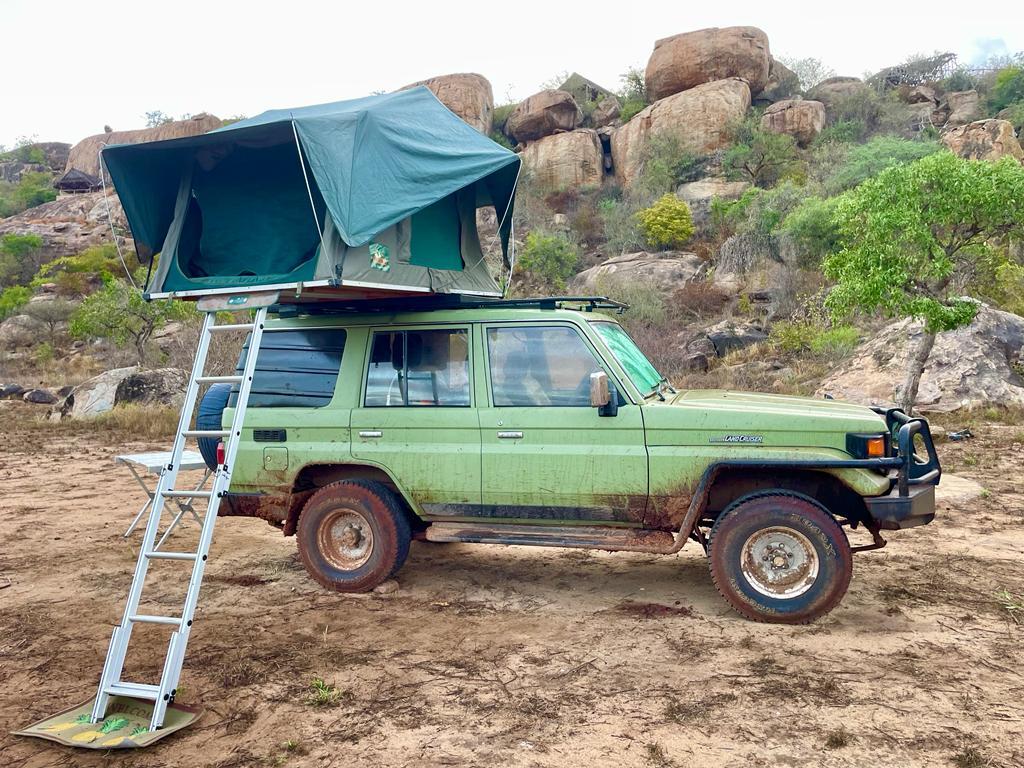
A Toyota Land Cruiser is an excellent choice for a demanding Akagera camping safari. Its strong suspension, high ground clearance and four-wheel-drive system make it suitable for rough park tracks. Land Cruisers are especially attractive during the wet season or for travelers planning to continue into Uganda.
A Land Cruiser roof-tent package may accommodate two people comfortably, while larger versions can carry additional passengers and more camping equipment. However, travelers should never assume that seating capacity equals comfortable camping capacity. Four passengers, four large bags, food containers, water and equipment can quickly fill the available space.
Land Cruisers normally consume more fuel than smaller vehicles. Therefore, their rental and operating costs may be higher. In exchange, travelers receive greater confidence on difficult tracks, more storage and a strong safari platform.
Toyota Hilux Double-Cab with Roof Tent
A Toyota Hilux combines passenger seating with a separate cargo bed. It works well for couples or small groups carrying considerable equipment. Camping boxes, water containers and luggage can be secured in the covered rear section, leaving the cabin less crowded.
The pickup design also separates dusty equipment from the passenger area. Nevertheless, all luggage must be protected from rain and dust. A lockable canopy is preferable to an open cargo bed, especially when traveling between destinations.
Toyota Prado with Roof Tent
The Toyota Prado provides a comfortable balance between city driving and safari performance. It is suitable for travelers combining Kigali, Akagera, Lake Kivu and other paved-road destinations. Its cabin often feels more refined than that of a utility pickup, while its four-wheel-drive capability remains useful inside the park.
Storage must be examined carefully when the roof tent and camping equipment are intended for several travelers. A Prado can work very well for two people, although space may become limited for a larger group.
Can a Toyota RAV4 Enter Akagera?
A four-wheel-drive Toyota RAV4 may be suitable on the park’s main tracks during dry conditions. It can also cost less and use less fuel than a Land Cruiser. However, not every RAV4 has the same drivetrain, tires, ground clearance or mechanical condition.
A RAV4 fitted with a roof tent must remain within its permitted roof-load limits. Furthermore, a compact vehicle offers less storage for food, water and camping equipment. During heavy rain, difficult roads may favor a stronger high-clearance vehicle.
Travelers considering an affordable RAV4 roof-tent rental should discuss the current conditions with both the rental company and park reception. The cheapest vehicle is not good value if it cannot safely complete the planned route.
Manual or Automatic Transmission
Both manual and automatic vehicles can work in Akagera. An automatic vehicle may feel easier for drivers who are unfamiliar with rough-road gear selection. Meanwhile, an experienced driver may prefer the control provided by a manual gearbox.
The most important rule is to select a transmission you already understand. A wildlife park is not the ideal place to learn unfamiliar driving techniques. Before departing, drivers should know how to engage four-wheel drive, use low range if available and operate any differential-locking system fitted to the vehicle.
Essential Features of an Akagera Roof-Tent Rental
A reliable rental package should include more than the tent. Before booking, ask the provider for a written inventory and confirm which items are included in the advertised price.
Important vehicle features include:
- High ground clearance
- Functional four-wheel drive where required
- Strong all-terrain tires
- A full-size spare tire
- A jack and wheel spanner
- Working seat belts for every passenger
- Reliable headlights and indicators
- Air conditioning or effective ventilation
- Secure luggage storage
- Charging points for phones and cameras
- A fire extinguisher
- Basic recovery equipment
- Valid insurance and vehicle documents
The roof tent should have a secure mounting system, comfortable mattress, rainproof cover, intact mosquito mesh and a stable ladder. Ask the rental company to demonstrate the complete setup and closing process. Practice it once before leaving the rental location.
Camping equipment may include bedding, pillows, chairs, a folding table, cooking pots, plates, cups, cutlery, a stove, a cooler box and a water container. Travelers should clarify whether cooking fuel is supplied. If it is not, ask what type of fuel the stove requires and where it can legally be obtained.
Roof Load and Vehicle Stability
A roof tent changes a vehicle’s center of gravity. Although the tent may feel stable at the campsite, its weight affects cornering and braking while the vehicle is moving. Drivers should reduce speed, avoid sudden steering and leave more stopping distance.
The rental provider should confirm that the roof rack, mounting points and vehicle roof are approved for the installed tent. A roof rack designed only for light luggage may not safely carry a roof tent and occupants. Travelers should never add extra fuel cans, heavy boxes or large suitcases to the roof without approval.
Remember that static and dynamic roof loads differ. The static load applies while the car is parked, whereas the dynamic load applies while it is moving. The rental company should have matched the tent and rack to the manufacturer’s limits.
Akagera Campsites and Overnight Camping
Camping is only permitted in designated areas. Visitors must reserve an official site and follow the instructions issued by park management. Visit Rwanda confirms that sleeping inside Akagera is possible at lodges, seasonal bush camps and specific campsites.
The official Akagera website maintains a dedicated section for Akagera campsites and should be checked for current names, availability and facilities. Campsite arrangements may change, so reservations should be made before arrival, especially during weekends, public holidays and the dry-season peak.
Akagera’s campsites provide a wilderness experience rather than a luxury hotel service. Facilities can be simple, and campers should arrive prepared. Depending on the site, travelers may need to carry their drinking water, food, lighting and personal toiletries. Always ask what is available instead of relying on old travel reports.
What to Expect at an Akagera Campsite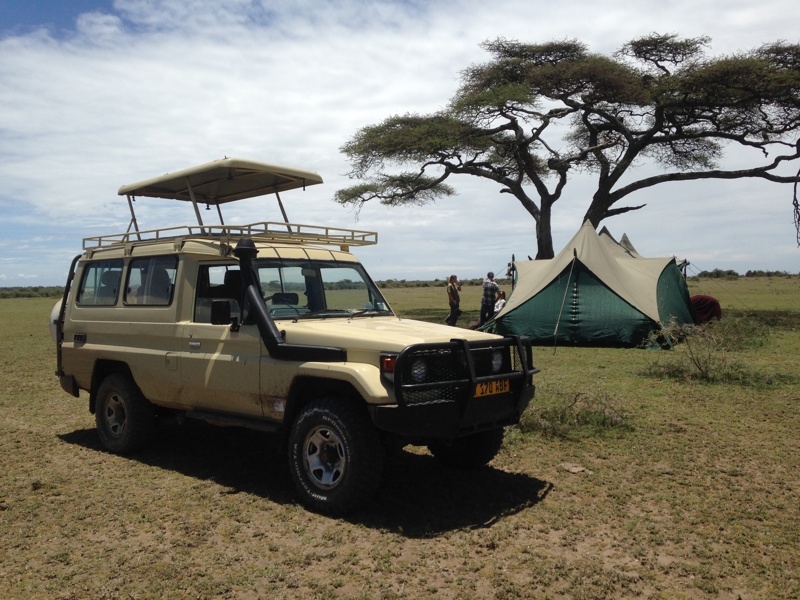
A designated campsite normally provides an approved area where visitors may park, set up their roof tent and remain overnight. Some sites may offer basic toilets, washing areas, shelters or fire facilities. However, the level of service differs by location and can change due to maintenance or environmental conditions.
Electricity and internet access should never be assumed. Charge phones, lamps, camera batteries and power banks before reaching the campsite. A mobile signal may be weak in some sections of the park.
After dark, remain within the approved camping area and follow the instructions of park staff. Akagera contains free-ranging wild animals, so walking away from camp is unsafe. Children must remain under close adult supervision, and no camper should approach animals for photographs.
Campsite Reservations
Campsites should be booked together with the safari plan. The reservation should clearly state:
- Travel dates
- Number of adults and children
- Number and type of vehicles
- Number of tents
- Preferred campsite
- Planned park entrance and exit gates
- Additional activities
- Dietary or accessibility requirements
- Emergency contact information
Ask for written confirmation and keep a copy available offline. It is also wise to reconfirm the reservation shortly before arrival.
South-to-North Self-Drive Route
One popular Akagera experience begins at the southern entrance and crosses the park toward the northern exit. This route reveals changing landscapes, from the lake region and woodland in the south to the more open plains in the north.
However, it should not be treated as a quick shortcut. Wildlife stops, rough sections and navigation can make the journey much longer than expected. Furthermore, travelers must reach the relevant gate before closing time. Starting late can lead to a rushed drive and unnecessary risk.
A two-night camping itinerary gives visitors more flexibility. On the first day, travelers can enter through the south, complete shorter game-drive loops and reach their campsite with enough daylight to set up. The second day can focus on deeper exploration. On the final morning, visitors can continue north or return according to track conditions and park advice.
Drivers must confirm whether the intended route is open and suitable for their vehicle. Heavy rain can alter the best route, even when a map suggests a direct connection.
Suggested Three-Day Roof-Tent Safari in Akagera
Day 1: Kigali to Akagera and Southern Game Drive
Leave Kigali after breakfast or earlier if the vehicle has already been inspected and packed. The road journey usually passes through Rwanda’s eastern countryside toward Kayonza and the park entrance. Allow additional time for traffic, supply stops and registration.
At reception, complete the required formalities and request an update on road conditions. If you have hired a park guide, meet the guide at the agreed point. Begin with a relaxed game drive through the southern section, watching for baboons, monkeys, antelopes, giraffes and elephants.
If a Lake Ihema boat safari has been reserved, arrive at the meeting point on time. The boat experience offers a different view of Akagera’s ecosystem and may reveal hippos, crocodiles and waterbirds. Visit Rwanda identifies a Lake Ihema boat trip as one of the park’s highlights.
Reach the campsite during daylight. Set up the roof tent, organize the cooking area and prepare a simple meal. Store all food securely and follow the campsite rules before settling in for the night.
Day 2: Full-Day Akagera Game Drive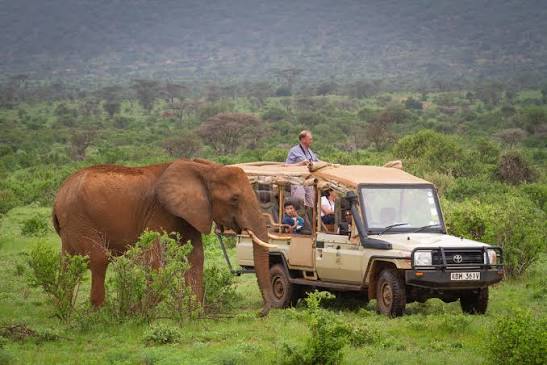
Wake early and prepare a quick breakfast. Pack away loose equipment before driving. Even when returning to the same campsite, avoid leaving food or valuables exposed.
Spend the day exploring a route recommended by park staff or your guide. Look for giraffes feeding among acacia trees, zebras on the plains, buffaloes near water and antelope herds in open areas. Lions and rhinoceroses may be seen, but no responsible operator should guarantee a specific sighting. Leopards are particularly elusive.
Carry lunch, drinking water and basic supplies. Stop only at approved locations, and never leave the vehicle where doing so is prohibited. Maintain a respectful distance from elephants, buffaloes and rhinoceroses. If an animal blocks the road, wait patiently and allow it to move away.
Return to the campsite before the required time. Check the vehicle after the day’s drive, especially the tires and roof-tent fastenings.
Day 3: Northern Plains and Return
Pack the roof tent carefully and check that every latch and strap is secure. Continue toward the northern plains if this matches the approved route. The open landscape often provides broad views and excellent wildlife photography opportunities.
Exit through the designated gate before closing time. From the northern side, continue according to the planned route or return to Kigali. Because driving times vary, avoid booking a tight international flight connection on the same evening.
Combining a Boat Safari with Roof-Tent Camping
A Lake Ihema boat safari complements a land-based game drive. From the water, visitors can observe wetland habitats that are difficult to appreciate from the road. Hippos, crocodiles, fish eagles, kingfishers and other waterbirds may be seen, while larger mammals sometimes approach the shoreline.
Boat trips should be reserved in advance. Confirm the departure time, meeting location and required arrival time. If the activity takes place late in the afternoon, ensure that you can still reach your campsite according to park rules.
A boat activity should not be added to an already rushed cross-park drive. It is better to spend more time in the southern region than to race toward the north after the trip.
Guided Versus Independent Roof-Tent Safaris
Independent self-driving appeals to experienced travelers who enjoy navigation and flexible game viewing. It can provide privacy and a strong sense of adventure. Nevertheless, wildlife tracking requires patience and local knowledge.
A park guide understands animal behavior, recent sighting patterns and the condition of different roads. The guide may notice tracks or calls that an independent visitor would miss. Therefore, hiring a guide for at least the first game drive can improve both safety and wildlife interpretation.
Another option is a fully guided roof-tent safari. In this arrangement, a professional driver-guide manages the vehicle while guests enjoy the scenery. This option is suitable for travelers who are not comfortable driving on rough tracks, visitors with limited African self-drive experience and photographers who prefer to concentrate on their cameras.
The best arrangement depends on experience rather than confidence alone. A traveler who drives daily in a city may still have little experience with mud, steep tracks or close wildlife encounters.
Best Time for a Roof-Tent Safari in Akagera
Akagera can be visited throughout the year, but each season creates different conditions.
June to September
The long dry season generally brings firmer tracks and easier camping conditions. Vegetation may become less dense, which can improve visibility. Animals often gather around reliable water sources.
Because this period is popular, vehicles and campsites should be reserved early. Dry roads can also become dusty, so keep cameras protected and close the tent properly before driving.
December to February
The shorter dry season can also suit roof-tent vehicle hire for Akagera National Park. Conditions may be warm, and some tracks remain relatively manageable. However, Rwanda’s weather does not always follow an exact calendar, so rain remains possible.
March to May
The long rainy season creates greener scenery and excellent conditions for some birding and photography. Meanwhile, mud can make certain tracks more difficult. A capable four-wheel-drive vehicle, suitable tires and current route information become especially important.
Campers should carry waterproof clothing and protect bedding from moisture. Never attempt a flooded or deeply muddy section simply because another vehicle crossed it earlier.
October and November
The shorter rains refresh the landscape and can reduce dust. Bird activity may be excellent, although showers can affect road conditions and roof-tent setup. Travelers should build flexibility into the itinerary.
What to Pack for an Akagera Camping Safari
Good packing makes the difference between a comfortable camping safari and a frustrating one. However, carrying too much creates a crowded vehicle and can exceed safe load limits.
Clothing
Choose lightweight, breathable clothes in neutral colors. Long sleeves and long trousers can provide protection from sun and insects during the evening. Pack a warm layer because early mornings may feel cool, especially when the vehicle windows or roof are open.
A waterproof jacket is useful in every season. Comfortable closed shoes are recommended around the campsite, while sandals may be used only where conditions are safe.
Sleeping Equipment
Confirm whether the rental includes sheets, blankets, sleeping bags and pillows. Even when bedding is supplied, some travelers prefer to bring a lightweight sleeping-bag liner.
Keep all bedding inside waterproof bags during travel. Dust or a sudden shower can enter storage areas when equipment is not protected.
Food and Water
Carry enough safe drinking water for every traveler, with an additional emergency supply. Water is needed not only for drinking but also for preparing food and basic washing.
Choose meals that are easy to prepare and create limited waste. Bread, fruit, vegetables, rice, pasta and sealed snacks are practical choices. Perishable food must remain properly chilled.
Do not feed wildlife. Food scraps can change animal behavior and attract animals to campsites. Pack out waste according to park instructions.
Navigation and Communication
Carry an offline map, a charged phone, power banks and the park’s emergency contact details. A paper map provides useful backup. GPS applications can help, but they should not overrule current instructions from park staff.
Health and Personal Items
Bring personal medication, sun protection, insect repellent and a compact first-aid kit. Travelers should seek current professional health advice before visiting Rwanda, particularly when combining the trip with other countries.
Food Storage and Campsite Cleanliness
Food smells can attract animals. Therefore, all supplies must remain in closed containers or secured vehicle storage. Never leave food inside an open tent or on a table overnight.
Clean cooking equipment soon after use. Remove crumbs, packaging and leftovers from the sleeping area. Waste should be placed in the correct containers or carried out if the campsite follows a pack-in, pack-out system.
Visitors should avoid strongly scented products and excessive outdoor lighting. A clean, quiet campsite is safer and preserves the wilderness atmosphere for other guests.
Responsible Wildlife Viewing
A self-drive safari creates freedom, but that freedom comes with responsibility. Visitors must respect wildlife and avoid actions that interfere with natural behavior.
Keep a safe distance from every animal. Elephants, buffaloes, rhinoceroses and hippos can be dangerous when they feel crowded. Never drive between a parent and its young, block an animal’s route or surround wildlife with other vehicles.
Switch off the engine when it is safe and practical to reduce noise. Avoid shouting, playing loud music or making sounds intended to attract animals. Flash photography may disturb wildlife, especially after dark.
Remain inside the vehicle unless park staff have clearly designated a place where exiting is allowed. Roof access should never be used while the vehicle is moving. Passengers must sit securely and follow instructions from their driver or guide.
Driving Safely on Akagera’s Roads
Park tracks demand slower speeds than paved roads. Loose stones, sharp bends, washouts and animals may appear with little warning. Drive at a speed that allows you to stop safely within the visible distance.
Before each drive:
- Inspect the tires.
- Confirm that the roof tent is closed and locked.
- Secure chairs, tables and cooking equipment.
- Check fuel and drinking-water levels.
- Review the planned route.
- Confirm gate and campsite times.
- Keep cameras and loose items secure.
Do not use a phone while driving. If navigation needs attention, stop at a safe approved place or ask a passenger to assist.
During wet conditions, avoid sharp acceleration and harsh braking. If a track appears unsafe, turn back when possible and contact park staff. A delayed sighting is better than a damaged vehicle.
Fuel Planning
Fill the vehicle before entering the park. Fuel may not be available along game-drive routes, and a detour outside the park could disrupt the itinerary.
Ask the rental company about normal fuel consumption. A loaded four-wheel-drive vehicle with a roof tent may consume more fuel than expected, especially on rough roads. Maintain a sensible reserve without carrying unapproved fuel containers.
Check whether fuel is included in the rental quotation. Most self-drive rates exclude it, but policies vary.
What to Do If the Vehicle Breaks Down
A reputable rental company should provide emergency support instructions. Save the telephone numbers offline before leaving Kigali.
If the vehicle develops a problem inside Akagera, remain calm and stay with the vehicle unless park staff instruct otherwise. Do not walk along the road to search for help. Contact park management and the rental provider, then share your approximate location, route and vehicle details.
Basic tools can address a simple tire problem, but travelers should not attempt repairs they do not understand. The rental agreement should explain responsibility for recovery, tire damage, mechanical failure and driver negligence.
Roof-Tent Rental Insurance
Insurance terms require careful attention. Ask whether the rental price includes third-party insurance, collision coverage, theft protection and passenger liability. Find out the amount of the security deposit and insurance excess.
Some policies exclude damage caused by:
- Driving on prohibited roads
- Speeding
- Driving after permitted hours
- Unauthorized drivers
- Negligent use of four-wheel-drive systems
- Water crossings
- Damage to the roof tent
- Driving under the influence
- Failure to report an incident promptly
Read the agreement before paying. Take clear photographs or video of the vehicle, tires, windows, roof rack and camping equipment during handover. Record existing damage on the inspection form.
How Much Does Roof-Tent Vehicle Hire Cost?
The total cost depends on the vehicle, season, rental duration, equipment, insurance and whether a professional driver-guide is included. A compact four-wheel-drive may cost less than a Land Cruiser, while a fully equipped expedition vehicle will normally cost more.
Travelers should request an itemized quotation covering:
- Daily vehicle rental
- Roof tent and camping kit
- Insurance
- Security deposit
- Mileage policy
- Fuel
- Driver-guide, if required
- Park entrance fees
- Vehicle entrance fees
- Camping charges
- Guide services
- Boat safari
- Night drive
- Food and drinking water
- Delivery or collection charges
- Cross-border permission, if applicable
- Taxes and payment fees
Park tariffs can change. Therefore, avoid relying on an old blog post for the final budget. Confirm current entrance, camping, vehicle and activity fees directly with Akagera or through a licensed Rwanda tour operator.
Hidden Costs to Check Before Booking
A low advertised daily rate may exclude important items. Ask whether the quotation includes bedding, cooking equipment, gas, cleaning, airport delivery, additional drivers and tire coverage.
Mileage restrictions can also affect the final price. A package with unlimited kilometers may provide better value for a longer Rwanda road trip, while a limited package may be sufficient for a short Akagera visit.
Late return fees, roof-tent damage and excessive cleaning charges should appear in the rental conditions. Clear information before departure prevents disputes after the safari.
Roof-Tent Hire with or Without a Driver
A self-drive rental usually gives qualified travelers control of the vehicle. The rental company will check the driver’s license and may impose age or experience requirements.
A vehicle with a driver-guide costs more but removes much of the logistical pressure. The guide handles navigation, road conditions and game viewing, while the travelers concentrate on photography and wildlife.
International visitors should confirm Rwanda’s current licensing requirements before driving. They should also understand local traffic rules and drive on the correct side of the road. Never assume that an international driving permit replaces the original license; carry all required documents.
Roof-Tent Safari for Couples
Couples often find a single roof tent comfortable and efficient. A two-person setup leaves more room for food, water and luggage. It also requires less time to open and close than a multi-tent system.
Choose soft travel bags rather than rigid suitcases. Soft bags fit more easily into vehicle storage and can be rearranged as supplies are used.
Agree on campsite tasks before arrival. One traveler can prepare the tent while the other organizes food and chairs. This simple routine prevents important items from being left outside after dark.
Roof-Tent Safari for Families
Families need a vehicle and sleeping system specifically designed for their group size. Some vehicles have two tents, while others combine a large roof tent with an approved ground tent. Never exceed the stated capacity.
Children must remain supervised around the vehicle, ladder and cooking area. An adult should check that the ladder is stable before anyone enters the tent. Families should choose simple meals and carry familiar snacks, drinking water and necessary medication.
Parents should explain that the campsite remains part of a wildlife area. Children must not run into surrounding vegetation, feed animals or leave the designated area.
Photography Tips for Akagera
A roof-tent safari gives photographers access to early and late daylight within the permitted schedule. However, equipment must be protected from dust, moisture and vehicle vibration.
Carry a camera bag that can be closed quickly. Avoid changing lenses in dusty areas. A beanbag can provide support on a window edge without the complexity of a large tripod.
Morning light often creates soft colors across the plains. Meanwhile, wetlands can be excellent for birds, reflections and landscape photography. Do not pressure the driver to approach wildlife too closely for a photograph. A longer lens and patient positioning produce more responsible results.
Charge batteries before camping and carry power banks or an approved power station. Solar charging may help during longer trips, although panels must be secured while driving.
Birdwatching from a Roof-Tent Vehicle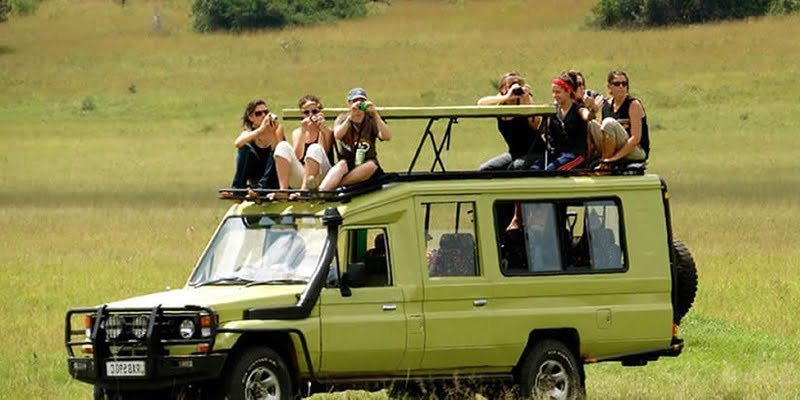
Akagera’s variety of wetlands, woodland and savannah supports exceptional bird diversity. Visitors may see fish eagles, kingfishers, herons, egrets, rollers, bee-eaters, raptors and numerous smaller species.
A vehicle provides a useful birdwatching hide because many birds tolerate a stationary car more readily than a person on foot. Stop without blocking the track, switch off the engine and observe quietly.
A park guide can greatly improve identification. Carry binoculars and a regional field guide or offline birding application. Nevertheless, avoid playing recorded calls repeatedly because this may disturb territorial birds.
Adding a Night Drive
Night drives offer a chance to experience Akagera after ordinary self-drive hours. These activities must be conducted under the park’s authorized arrangements and should not be attempted independently.
A night drive may reveal nocturnal animals that remain hidden during the day. Availability, departure points and age requirements should be confirmed when booking.
Campers must plan their evening meal and campsite setup around the activity. Set up the roof tent before darkness whenever possible, then follow the guide’s instructions for the night drive.
Combining Akagera with Other Rwanda Destinations
A rental vehicle can support a longer Rwanda safari, although roof-tent use may not be allowed or practical at every destination.
Kigali and Akagera
This is the simplest combination. Spend a night in Kigali, inspect the vehicle and buy supplies before driving east. After Akagera, return to Kigali or continue north according to the rental agreement.
Akagera and Lake Kivu
Travelers can combine savannah game viewing with the relaxed scenery of Lake Kivu. The route requires additional time, so avoid attempting it immediately after a full cross-park game drive.
Akagera, Nyungwe and Volcanoes
A longer circuit can include Akagera’s wildlife, Nyungwe’s rainforest and Volcanoes National Park’s mountain landscapes. Gorilla and chimpanzee activities require advance permits and separate arrangements. Camping opportunities also differ between destinations.
Rwanda and Uganda Road Trip
Some rental companies permit cross-border travel, but written authorization is essential. Insurance, temporary vehicle documents, border fees and roadside assistance must cover both countries. Never cross the border based only on a verbal agreement.
Common Roof-Tent Safari Mistakes
The first common mistake is choosing a vehicle only by price. Road suitability, mechanical condition and support are more important than a small daily saving.
Another mistake is entering the park too late. Registration, wildlife stops and slow tracks require time. Late arrival can turn a relaxed safari into a rushed drive.
Travelers also underestimate water and fuel needs. Carry safe reserves and refill before entering remote areas.
Other frequent mistakes include overpacking, ignoring roof-load limits, driving too quickly, leaving food outside, relying entirely on online maps and attempting closed or muddy tracks.
Finally, some visitors treat the Big Five as a checklist. Wildlife sightings cannot be guaranteed. A rewarding Akagera safari also includes landscapes, birds, wetlands and the quiet experience of camping inside a protected area.
How to Choose a Reliable Roof-Tent Rental Company
Choose a company that provides clear information, recent vehicle maintenance and responsive support. Reviews can be helpful, although written rental terms remain essential.
Ask the provider:
- What is the vehicle’s model and year?
- Is it full-time or selectable four-wheel drive?
- What tires are fitted?
- Are one or two spare tires supplied?
- When was the vehicle last serviced?
- What does the camping kit contain?
- Is bedding included?
- What insurance is included?
- How large is the security deposit?
- Is roadside assistance available inside Akagera?
- Are there mileage limits?
- May the vehicle leave Rwanda?
- What happens after tire or windscreen damage?
- Are park and camping reservations included?
- Is a replacement vehicle available after a mechanical failure?
A professional provider should answer these questions before accepting full payment.
Booking Roof-Tent Vehicle Hire for Akagera National Park
Begin by confirming your travel dates, number of travelers and preferred level of support. Decide whether you want self-drive freedom, a park guide or a professional driver-guide.
Next, select a suitable vehicle. A Land Cruiser may be preferable for wet-season travel, larger groups or extended routes. A smaller four-wheel-drive can suit a couple traveling during dry conditions, provided the vehicle is approved for the planned tracks.
Reserve the campsite and additional activities before finalizing the route. Then request one quotation showing every included and excluded service. Review payment, cancellation, insurance and deposit terms carefully.
A few days before departure, reconfirm:
- Vehicle collection time
- Campsite booking
- Park entrance plan
- Current road conditions
- Boat or night-drive times
- Emergency contacts
- Fuel and food shopping
- Weather forecast
- Required identification and licenses
Frequently Asked Questions
Is roof-tent vehicle hire for Akagera National Park safe?
It can be safe when travelers use a suitable vehicle, remain at official campsites, follow park rules and maintain a respectful distance from wildlife. Drivers should have appropriate experience or hire a professional guide.
Do I need a four-wheel-drive vehicle?
A high-clearance four-wheel-drive vehicle is the most dependable choice, particularly during rainy conditions or when exploring less predictable tracks. Ask park staff about current road conditions before starting.
Can I camp anywhere inside Akagera?
No. Camping is permitted only at designated sites and requires a reservation. Wild camping outside approved areas is not allowed.
Can I drive through Akagera without a guide?
Akagera supports self-drive visits. However, a park guide can improve navigation, wildlife tracking and interpretation.
Can I leave the vehicle during a game drive?
Only at places where park rules clearly permit it. Otherwise, remain inside the vehicle. Follow all instructions from park staff and guides.
Can I drive after dark?
Ordinary self-driving is limited to official park hours. After-dark wildlife drives must be booked through authorized park arrangements.
Is a roof tent comfortable in the rainy season?
A well-maintained roof tent can provide comfortable shelter, but campers need waterproof equipment and suitable bedding. The greater concern may be muddy driving conditions rather than the tent itself.
Are toilets available at the campsites?
Facilities vary. Confirm the current amenities at the exact campsite before arrival rather than assuming that every site has the same services.
Is Akagera suitable for first-time campers?
Yes, provided first-time campers receive a complete equipment demonstration, choose a straightforward itinerary and follow park guidance. Hiring a driver-guide offers additional support.
How many nights should I spend in Akagera?
Two nights provide a good balance for many travelers. They allow time for southern habitats, a full-day game drive, camping and the northern plains without excessive rushing.
Can I collect the vehicle at Kigali International Airport?
Some rental companies offer airport delivery, while others arrange collection from their Kigali office or hotel. Confirm delivery charges and inspection procedures.
Does the rental include park fees?
Usually, park fees and camping charges are separate unless the provider offers a complete safari package. Request an itemized quotation.
Why Book Through Universal Ventures Rwanda?
Planning roof-tent vehicle hire for Akagera National Park involves several connected reservations. Travelers need a reliable vehicle, suitable camping equipment, campsite confirmation, park information and a practical safari route. Coordinating these services through a local operator can reduce errors and save time.
Universal Ventures Rwanda can arrange self-drive roof-tent rental, airport or hotel vehicle delivery, Akagera campsite reservations, park guides, Lake Ihema boat safaris and complete guided camping packages. The itinerary can also include Kigali, Lake Kivu, Nyungwe National Park, Volcanoes National Park or cross-border travel into Uganda.
Each quotation should reflect the number of travelers, travel dates, vehicle type and desired activities. Because park charges and campsite availability may change, request a current personalized proposal before confirming the trip.
Plan Your Akagera Roof-Tent Adventure
A camping safari in Akagera offers more than an affordable place to sleep. It gives travelers time to experience Rwanda’s savannah at a natural pace. You can follow wildlife tracks across open plains, explore the lakeside region, photograph giraffes against the hills and spend the evening at an official wilderness campsite.
The experience is most rewarding when the practical details are handled carefully. Choose a well-maintained vehicle, inspect the roof tent, carry enough water, reserve the campsite and follow every park rule. Furthermore, listen to current advice from park staff because road and weather conditions can change.
With the right preparation, roof-tent vehicle hire for Akagera National Park becomes one of Rwanda’s most memorable road-trip experiences. It combines independence, wildlife viewing and outdoor accommodation while giving visitors the flexibility to explore beyond a short day safari.
For vehicle availability, campsite reservations and customized Rwanda safari planning, contact:
Universal Ventures Rwanda
Phone/WhatsApp: +250 781 441 853
Email: info@universalventuresrwanda.com
Website: www.universalventuresrwanda,com
