
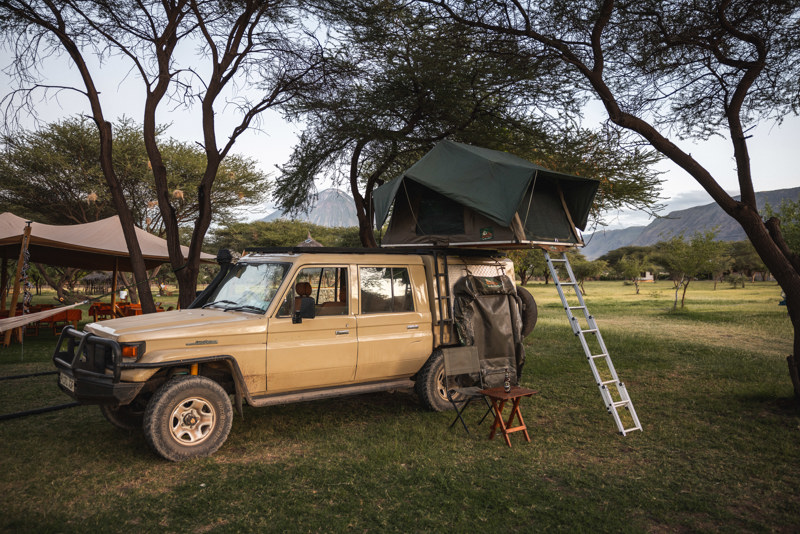
Rwanda Roof-Tent Car Hire for Self-Drive Safaris
Rwanda is one of Africa’s most rewarding road-trip destinations. Its main towns have good road links. Moreover, the country is compact. Therefore, visitors can explore several regions without spending every day on the road.
Rwanda roof-tent car hire for self-drive safaris gives travelers freedom and flexibility. You can drive through green hills, visit national parks, and stay at approved campsites. In addition, you can carry your sleeping equipment on the vehicle.
A roof-tent vehicle combines transport and accommodation. Therefore, it may reduce the need to book a hotel every night. It also gives travelers a closer connection with Rwanda’s landscapes.
However, a self-drive safari needs careful planning. Drivers must hold valid licences and meet the rental company’s age and experience rules. In addition, travelers must understand the vehicle, insurance, park rules, and emergency procedures.
This guide explains how roof-tent rental works in Rwanda. It also covers vehicle choices, camping equipment, safari routes, costs, safety, and cross-border travel.
What Is Rwanda Roof-Tent Car Hire?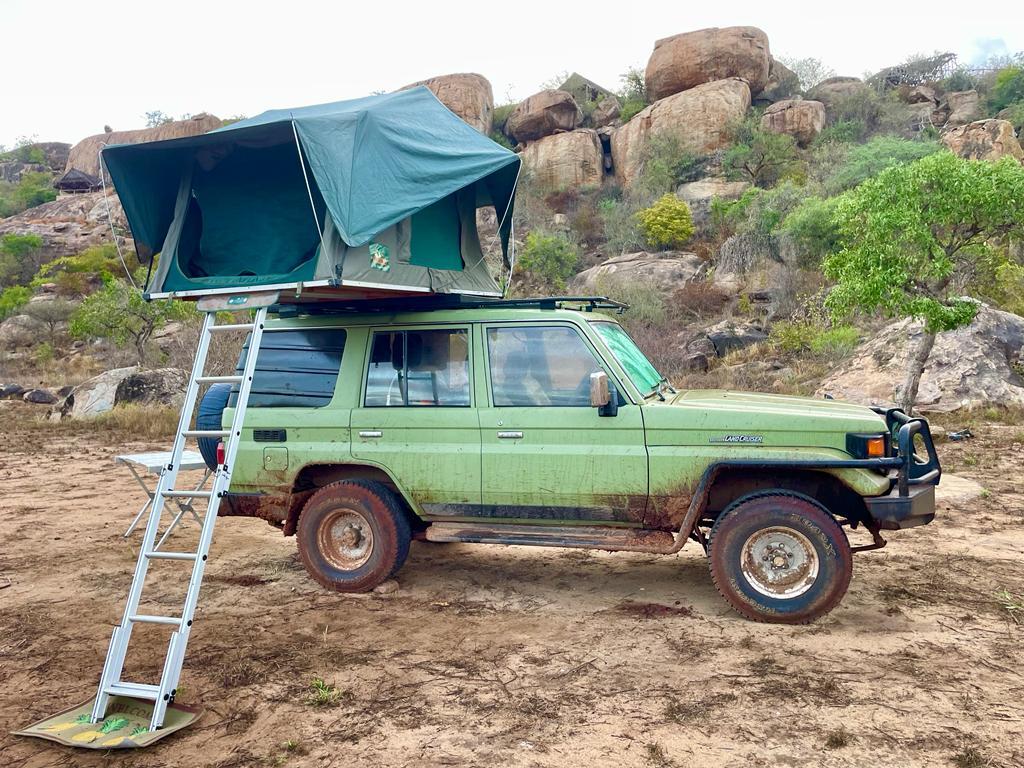
A roof-tent vehicle has a folding tent fixed to a strong rack above the car. At the campsite, approved adult renters can open the tent and use its ladder.
Most tents include a mattress and covered sleeping area. However, equipment differs between rental companies. Therefore, travelers should check the complete camping list before booking.
A roof tent keeps the sleeping area above the ground. As a result, it can feel cleaner than placing a tent on wet soil. It can also be quicker to prepare than a standard ground tent.
However, the vehicle must remain parked while the tent is open. Therefore, travelers should complete any shopping or evening activities before setting up camp.
Why Choose Rwanda Roof-Tent Car Hire for Self-Drive Safaris?
A self-drive camping safari offers more control over the journey.
First, travelers can select their preferred route. Next, they can stop at approved viewpoints and attractions. Finally, they can stay at campsites that match the itinerary.
In addition, the vehicle carries the main sleeping equipment. Therefore, travelers do not need to pack a separate large tent.
Greater Travel Freedom
A private self-drive vehicle gives travelers control over departure times. Moreover, there is no need to follow a large tour group.
However, drivers must still respect park hours, road signs, campsite rules, and rental conditions.
Flexible Safari Routes
Rwanda has several major tourism regions. Therefore, a roof-tent trip can combine Akagera, Lake Kivu, Nyungwe, Musanze, and Kigali.
Nevertheless, not every destination permits camping inside the protected area. As a result, travelers must confirm each campsite in advance.
A Closer Nature Experience
Camping allows visitors to hear birds and natural sounds around approved sites.
However, wildlife can move near campsites in some protected areas. Therefore, guests must follow every instruction from park and campsite staff.
Possible Accommodation Savings
A roof tent may reduce hotel costs. However, travelers still need to pay for the campsite, vehicle, fuel, insurance, food, and park fees.
Therefore, compare the complete trip cost rather than the vehicle rate alone.
Who Can Rent and Drive a Roof-Tent Vehicle?
The rental company sets its own requirements. In addition, national laws apply.
Drivers must have a valid licence that Rwanda recognizes. Moreover, the renter may need a passport, payment card, deposit, and international driving documentation.
Rental companies may also set a minimum age. In addition, they may ask for a minimum number of years of driving experience.
Therefore, confirm all requirements before paying.
Young travelers who are not legally eligible to drive should travel with a qualified adult driver or book a professional chauffeur. They should never operate a rental vehicle without the correct licence, age, experience, and permission.
Which Vehicles Work Best for a Rwanda Roof-Tent Safari?
The best vehicle depends on the route, season, number of travelers, and luggage.
Toyota Land Cruiser
A Toyota Land Cruiser is a popular choice for camping safaris. It offers good ground clearance and strong performance on varied roads.
Moreover, many Land Cruisers can carry one or two roof tents. Therefore, they suit couples, families, or small groups.
However, Land Cruisers often use more fuel than smaller vehicles. As a result, the daily travel budget may be higher.
Toyota Hilux
A Toyota Hilux can provide good ground clearance and space for equipment.
Some models carry camping gear in the rear area. However, travelers should confirm whether that section is secure and weather-protected.
Toyota RAV4
A four-wheel-drive Toyota RAV4 may suit paved roads and lighter routes.
However, it has less luggage space than a larger Land Cruiser. In addition, not every RAV4 should carry a roof tent.
Therefore, only use a vehicle and rack that the rental company has approved for the tent.
Land Cruiser Prado
A Prado can provide comfort, luggage space, and four-wheel-drive ability.
However, vehicle condition matters more than the model name alone. Therefore, inspect the tyres, brakes, lights, tools, and camping equipment.
Single and Double Roof-Tent Options
Roof tents come in several sizes.
Single Roof Tent
A single roof tent normally suits one or two adults. Therefore, it works well for couples or two friends.
However, travelers should confirm the mattress size and weight limit.
Two Roof Tents
Some larger vehicles carry two tents. This setup may suit three or four travelers.
However, extra weight changes the vehicle’s handling. Therefore, only use a professionally installed system.
Family Roof Tent
A wider family tent may provide more sleeping space. Nevertheless, travelers must check its size and maximum safe load.
The rental company should explain the approved capacity. Therefore, never exceed the vehicle or tent limits.
What Should a Roof-Tent Rental Include?
Equipment differs between suppliers. Consequently, travelers should request a written inventory.
A well-equipped camping vehicle may include: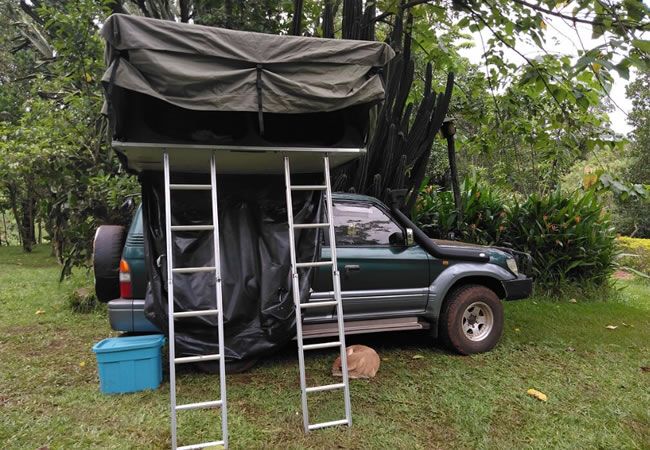
- Roof tent
- Mattress
- Ladder
- Sleeping bags or bedding
- Pillows
- Camping chairs
- Camping table
- Cooking stove
- Cooking gas
- Pots and pans
- Plates and cups
- Cutlery
- Food storage boxes
- Water containers
- Lighting
- Basic cleaning items
- Spare tyre
- Jack and wheel tools
- Warning triangle
- First-aid kit
- Fire extinguisher
- Recovery equipment
- Vehicle documents
However, do not assume that every item is included. For example, some companies charge separately for bedding, child seats, fridges, or extra tents.
Therefore, check the equipment before leaving Kigali.
How to Inspect the Vehicle Before Departure
A careful inspection can prevent later disputes.
First, walk around the vehicle with a rental representative. Next, record existing marks or damage. Finally, check that the inspection report matches the vehicle.
Drivers should confirm:
- Tyre condition
- Spare tyre
- Windscreen condition
- Lights and indicators
- Mirrors
- Seat belts
- Fuel level
- Brakes
- Air conditioning
- Battery
- Roof rack
- Tent fittings
- Ladder
- Locks
- Vehicle documents
- Emergency contacts
In addition, ask the company to demonstrate the tent and other supplied equipment. However, only a legally eligible adult renter should handle vehicle operations and driving.
Take clear photographs during collection. Likewise, repeat the inspection when returning the vehicle.
Insurance for Rwanda Self-Drive Car Hire
Insurance is one of the most important parts of the rental.
A low daily price may include only basic cover. Therefore, ask what the policy includes and excludes.
Check whether the insurance covers:
- Collision damage
- Vehicle theft
- Third-party liability
- Windscreen damage
- Tyre damage
- Roof-tent damage
- Theft of camping equipment
- Single-vehicle incidents
- Water damage
- Undercarriage damage
- Cross-border travel
- Towing
- Recovery costs
The agreement may also include an excess. This is the amount the renter may need to pay after a covered incident.
Therefore, ask for the exact excess amount in writing.
Insurance may become invalid if a driver breaks the rental terms. For example, cover may not apply to unauthorized drivers or prohibited roads.
As a result, every adult who may drive should appear on the rental agreement.
Road Safety in Rwanda
Rwanda takes road safety seriously. Traffic cameras may record speeding or red-light offences. Moreover, the registered vehicle owner may receive the ticket details by SMS. Rwanda National Police
Drivers must follow signs and current speed limits. In addition, everyone should wear a seat belt.
Rwanda National Police also advises drivers to avoid phone use, never drive while impaired, respect pedestrians, and keep vehicles in safe condition. Rwanda National Police road-safety guidance
Avoid Driving at Night
Night driving can be more difficult. Roads may have pedestrians, cyclists, animals, or limited lighting.
Therefore, plan to reach your campsite before dark.
Respect Weather Conditions
Heavy rain can reduce visibility and make unpaved roads slippery. Therefore, slow down, follow official advice, and change the plan when conditions are poor.
Take Regular Breaks
Long drives can cause tiredness. As a result, drivers should stop at safe places and rest.
However, never stop in an unsafe road position or outside an approved area within a national park.
Do Not Use a Phone While Driving
Set the route before moving. Alternatively, a passenger can help with navigation.
If the driver must check directions, stop in a safe and legal place first.
Driving in Akagera National Park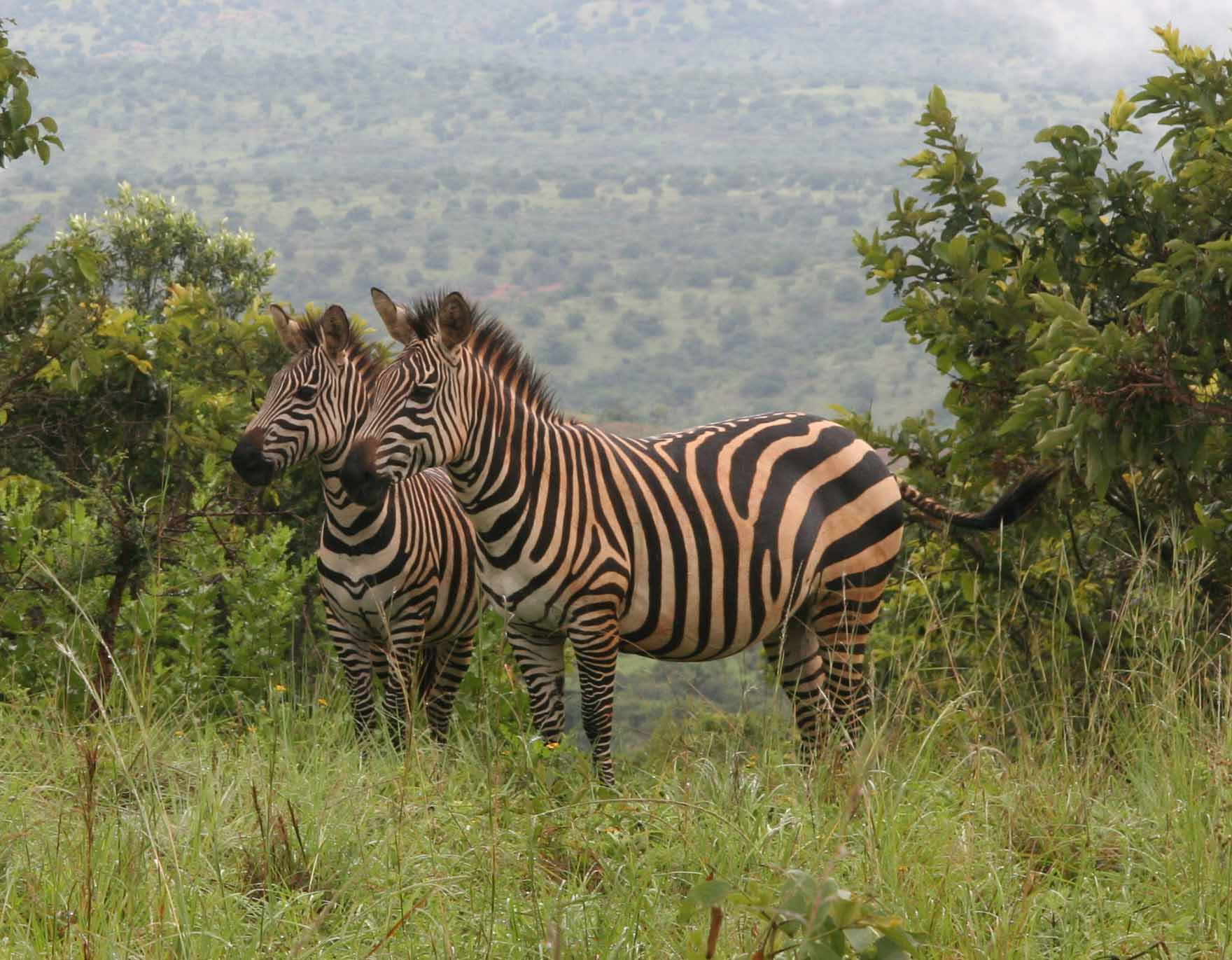
Akagera is Rwanda’s main savannah safari destination. It offers lakes, grasslands, woodland, and Big Five wildlife.
Visit Rwanda states that visitors can explore Akagera by tour-operator vehicle or self-drive vehicle. In addition, the park recommends hiring a guide for a richer experience. Visit Rwanda: Akagera National Park
A park guide may help with wildlife knowledge, routes, and recent sightings. Therefore, first-time visitors should consider adding one.
Follow Park Rules
Visitors must remain on permitted roads and follow all staff instructions.
Never leave the vehicle in an unauthorized area. Moreover, do not feed or disturb wildlife.
Animals always have priority. Therefore, drivers should remain patient and keep a safe distance.
Allow Enough Time
A full drive through Akagera can take most of the day. As a result, enter early and monitor the park’s current opening and exit times.
Do not rush to the gate. Instead, plan the route with enough time for wildlife stops and changing road conditions.
Use Suitable Ground Clearance
Some roads may become difficult after rain. Therefore, ask the park and rental company whether the vehicle suits current conditions.
A high-clearance 4×4 often provides better confidence. However, no vehicle removes the need for careful driving.
Camping in Akagera National Park
Approved camping is available inside Akagera. Visit Rwanda confirms that the park offers designated campsites alongside lodge options. Visit Rwanda
However, campsites are basic and may have limited facilities. Therefore, travelers should confirm what each location provides.
Possible campsite facilities may include:
- A designated camping space
- Basic toilets
- Simple washing areas
- A shelter or cooking area
- Fire arrangements where permitted
- Access to park staff or emergency contacts
Facilities can change. Therefore, confirm the current details when booking.
Book the Campsite Early
Camping spaces may be limited during busy periods. As a result, reserve the campsite when you confirm the vehicle.
Never assume that arrival without a reservation will be accepted.
Follow Wildlife Safety Instructions
Akagera contains large wild animals. Therefore, park rules are essential.
Keep food stored as directed. Moreover, do not walk away from the approved area.
Do not leave food scraps or rubbish. Instead, use the park’s waste system and carry out anything staff require you to remove.
Prepare Before Opening the Tent
Complete the day’s driving before preparing the roof tent.
Once the tent is open, the car cannot move until the setup is safely closed again. Therefore, make sure you have parked in the assigned position.
Can You Camp in Nyungwe National Park?
Nyungwe is a mountain rainforest in south-western Rwanda. The park is known for chimpanzees, monkeys, birds, waterfalls, and the canopy walkway.
However, camping options and permitted locations may differ from Akagera. Therefore, travelers must confirm approved accommodation and camping arrangements directly before the journey.
Do not camp informally beside forest roads or in protected areas.
Instead, use a recognized campsite or approved property near the park. This protects visitors, wildlife, and the forest.
Roof-Tent Travel Near Volcanoes National Park
Volcanoes National Park is Rwanda’s main mountain gorilla destination.
However, visitors cannot simply park and camp inside the gorilla habitat. Instead, they must use approved accommodation or legal campsites outside restricted areas.
Musanze and nearby communities offer several hotels, guesthouses, lodges, and camping-style properties.
Therefore, travelers can use a roof-tent vehicle for the wider road trip while staying at an approved location.
Gorilla trekking also requires a permit. The standard foreign visitor permit costs USD 1,500, while the minimum trekking age is 15. Visit Rwanda gorilla tracking
The park briefing starts early. Therefore, stay close enough to reach the headquarters on time.
Best Rwanda Roof-Tent Self-Drive Routes
Rwanda’s compact size allows several strong itineraries.
Three-Day Akagera Roof-Tent Safari
Day 1: Kigali to Akagera
Collect the vehicle after a full inspection. Then, travel from Kigali to Akagera.
After entering the park, drive to the confirmed campsite. Finally, prepare the tent before dark.
Day 2: Full-Day Game Drive
Start early and follow the approved game-viewing roads.
Take time for wildlife and scenery. However, keep track of distance and park times.
Later, return to the campsite or use a second confirmed campsite.
Day 3: Akagera to Kigali
Complete a shorter morning drive where permitted.
Afterward, leave the park and return to Kigali.
Seven-Day Rwanda Roof-Tent Adventure
Day 1: Kigali
Collect the vehicle and equipment. Then, buy approved supplies and prepare the route.
Day 2: Kigali to Akagera
Drive east to Akagera and enter the park.
Later, check into the confirmed campsite.
Day 3: Akagera National Park
Enjoy a full-day self-drive safari. Alternatively, hire a park guide.
Day 4: Akagera to Kigali or Huye
Leave early and continue toward the next confirmed stop.
Because the drive is longer, avoid adding too many activities.
Day 5: Nyungwe Region
Visit a pre-booked park activity.
Later, stay at approved accommodation or a confirmed campsite near the park.
Day 6: Nyungwe to Lake Kivu
Travel through western Rwanda toward Lake Kivu.
Afterward, enjoy the lakeside area and camp only at an approved property.
Day 7: Return to Kigali
Drive back to Kigali and complete the vehicle return inspection.
Ten-Day Rwanda Self-Drive Safari
A longer route can include:
- Kigali
- Akagera National Park
- Huye
- Nyungwe region
- Lake Kivu
- Musanze
- Volcanoes National Park
However, not every night must involve camping. Mixing roof-tent nights with hotel stays can improve comfort.
For example, travelers may camp in Akagera. Later, they can use a lodge before chimpanzee or gorilla trekking.
Cross-Border Roof-Tent Car Hire
Some travelers want to combine Rwanda with Uganda, Kenya, or Tanzania.
However, cross-border driving requires written permission from the rental company. In addition, the vehicle needs the correct documents and insurance.
Ask the supplier about:
- Countries allowed
- Cross-border fees
- Insurance extension
- Vehicle paperwork
- Temporary import requirements
- Roadside support
- Return location
- Mileage limits
- Border opening times
- Restricted routes
Never take the vehicle across a border without written approval.
Rwanda and Uganda Self-Drive Route
A Rwanda–Uganda journey may include Kigali, Musanze, Kisoro, Mgahinga, Bwindi, Queen Elizabeth National Park, and Lake Bunyonyi.
However, Uganda’s distances are longer. Therefore, plan fewer kilometers each day.
Gorilla permits also relate to a specific destination and date. In Bwindi, the trekking sector must match the lodge or campsite location.
Consequently, confirm all permits and accommodation before crossing the border.
How Much Does Rwanda Roof-Tent Car Hire Cost?
Rental prices depend on the vehicle, season, equipment, trip length, and insurance.
A larger Land Cruiser normally costs more than a small 4×4. Likewise, two roof tents cost more than one.
The total budget may include:
- Daily vehicle rate
- Roof-tent equipment
- Insurance
- Refundable security deposit
- Fuel
- Campsite fees
- Park entrance fees
- Vehicle park fees
- Permits
- Food
- Guide fees
- Boat activities
- Cross-border charges
- Extra driver fees
- Airport delivery
- One-way return fees
Therefore, request a complete quotation.
A low daily price may exclude important services. For example, insurance, camping equipment, taxes, or mileage may cost extra.
Questions to Ask Before Booking
Before paying, ask the rental company:
- Which exact vehicle will I receive?
- Is it automatic or manual?
- Is four-wheel drive included?
- How old is the vehicle?
- What camping equipment is included?
- How many people can the tent hold?
- Does the rate include insurance?
- What is the insurance excess?
- Is there a security deposit?
- Is mileage limited?
- Are cross-border trips allowed?
- Is roadside assistance available?
- Who pays for recovery?
- Are tyres and windscreens covered?
- Can I use the vehicle in Akagera?
- Are park fees included?
- Must I return the vehicle with a full fuel tank?
- What happens after a breakdown?
- Which roads are prohibited?
- What documents must I provide?
Clear answers reduce later problems.
What to Pack for a Rwanda Camping Safari
Even when the rental includes equipment, travelers should pack personal items.
Useful items include:
- Valid travel and driving documents
- Warm clothing
- Rain jacket
- Comfortable shoes
- Sun hat
- Sunscreen
- Insect repellent
- Personal medication
- Power bank
- Torch
- Reusable water bottle
- Small towel
- Toiletries
- Quick-drying clothes
- Offline maps
- Emergency contacts
- Camera protection
- Food storage bags
Rwanda’s higher areas can become cool at night. Therefore, pack a warm layer even during a generally dry period.
Best Time for a Rwanda Roof-Tent Safari
Rwanda welcomes visitors throughout the year. However, rainfall affects camping and unpaved roads.
June to September
These months are popular because conditions are often drier.
Therefore, camping may feel easier. However, campsites and vehicles can sell out early.
December to February
This period can also offer good road-trip conditions.
Nevertheless, rain remains possible. Therefore, always carry waterproof equipment.
March to May
Rain is often heavier during these months. As a result, some roads may become slippery.
However, the landscape looks green and beautiful. Travelers should use suitable vehicles and flexible plans.
October and November
Rain may increase again. Therefore, confirm road and campsite conditions before each journey.
Guided Self-Drive Support
Some travelers want freedom but still need local support.
Therefore, Universal Ventures Rwanda can help with:
- Vehicle reservations
- Roof-tent equipment
- Route planning
- Campsite bookings
- Park reservations
- Gorilla permits
- Chimpanzee permits
- Border planning
- Hotel nights
- Airport delivery
- Emergency coordination
A supported self-drive package leaves the daily driving to the legally eligible renter. However, the main bookings and route are prepared in advance.
Alternatively, travelers can book the same vehicle with a professional driver-guide.
This option suits visitors who do not meet rental rules or prefer not to drive. It also allows guests to focus on wildlife and scenery.
Common Self-Drive Safari Mistakes
Choosing the Cheapest Vehicle
A low rate may hide poor insurance or limited equipment. Therefore, compare value rather than price alone.
Booking the Car Before the Campsite
Park campsites may have limited space. As a result, confirm both services together.
Driving Too Far in One Day
Rwanda looks small on a map. However, hills, traffic, stops, and weather affect travel time.
Therefore, use realistic schedules.
Ignoring the Insurance Terms
Basic insurance may exclude tyres, glass, or undercarriage damage. Therefore, read the policy carefully.
Arriving at Camp After Dark
Late arrival makes campsite setup harder. Moreover, some parks have strict movement times.
Taking the Car Across a Border Without Permission
This can break the rental and insurance terms. Therefore, obtain written approval first.
Leaving Food Outside
Food may attract animals. Instead, store it as campsite staff direct.
Forgetting to Check the Tent
Inspect the canvas, mattress, ladder, zips, and fittings before departure.
Depending Only on Online Maps
Mobile coverage may weaken. Therefore, download offline maps and carry the company’s route notes.
Frequently Asked Questions
Is self-driving allowed in Akagera National Park?
Yes. Visit Rwanda states that visitors can explore Akagera by self-drive or tour-operator vehicle. However, all park rules apply.
Do I need a 4×4?
A 4×4 with good ground clearance is the safer choice for park roads and remote routes. However, ask about current road conditions.
Can I camp anywhere in Rwanda?
No. Use approved campsites and legal accommodation areas.
Can I sleep in the roof tent inside Akagera?
Yes, when you have booked an approved park campsite and follow its rules.
Can I hire a park guide?
Yes. In fact, Visit Rwanda recommends using a guide in Akagera for a richer experience.
Can I take the vehicle into Uganda?
Only when the rental company gives written approval and provides the required documents and insurance.
Is fuel included?
Usually, fuel is separate. However, confirm the rental terms.
Can a roof-tent vehicle carry four people?
Some vehicles carry two tents or a family tent. Nevertheless, confirm all weight and occupancy limits.
Can I drive at night?
Avoid night driving whenever possible. Instead, reach the campsite before dark.
Are camping tools included?
Some rentals include full camping kits. Others include only the tent and mattress. Therefore, request a written list.
Can Universal Ventures Rwanda plan the route?
Yes. Universal Ventures Rwanda can arrange the vehicle, campsites, permits, routes, accommodation, and optional guiding.
Book Rwanda Roof-Tent Car Hire With Universal Ventures Rwanda
Rwanda roof-tent car hire for self-drive safaris offers freedom, privacy, and a close connection with nature. Moreover, Rwanda’s compact size makes it suitable for well-planned road trips.
However, the vehicle must suit the route. In addition, all drivers must meet legal and rental requirements.
Universal Ventures Rwanda can arrange 4×4 roof-tent vehicles, camping equipment, campsite reservations, safari permits, and customized routes. Alternatively, travelers can request a professional driver-guide.
Contact Universal Ventures Rwanda:
Address: KK 15 Rd, Kigali, Rwanda
Phone/WhatsApp: +250 781 441 853
Email: info@universalventuresrwanda.com
Website: www.universalventuresrwanda.com