
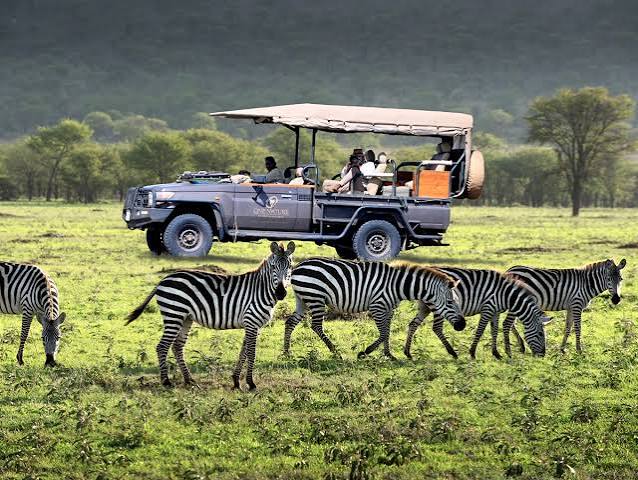
Choosing Kenya self-drive roof-tent safari car hire combines transportation, accommodation and outdoor adventure in one flexible package. Instead of following a fixed group itinerary, you can explore the country in a private four-wheel-drive equipped with a rooftop tent and essential camping gear.
Kenya offers one of Africa’s most exciting destinations for an independent road trip. Travelers can cross the Great Rift Valley, watch elephants beneath Mount Kilimanjaro, search for big cats in the Masai Mara and camp close to spectacular wilderness areas. Furthermore, a longer road trip can continue toward Samburu, Mount Kenya, Tsavo or the white-sand beaches of the Indian Ocean.
Above all, a roof-tent safari gives you control over your route, daily schedule and travel pace. You can begin game drives early, prepare meals at approved campsites and spend more time in destinations that match your interests. In addition, carrying your accommodation reduces your dependence on expensive safari lodges.
However, a successful self-drive safari requires careful preparation. Kenya has good highways between many major destinations, but roads inside national parks can become rough, dusty, muddy or difficult to navigate. Likewise, national parks, reserves and private conservancies use different entry systems, fees and camping regulations.
The best Kenya self-drive roof-tent safari car hire service should provide more than a vehicle and a tent. Ideally, the package should include a dependable 4×4, strong tires, recovery equipment, transparent insurance, clean camping gear and reliable emergency support.
This complete guide explains how to select a vehicle, understand rental conditions, prepare camping equipment and plan a safe Kenya safari route. Moreover, it covers the Masai Mara, Amboseli, Tsavo, Samburu, Lake Nakuru, Lake Naivasha, Ol Pejeta and several other destinations.
Why Choose Kenya Self-Drive Roof-Tent Safari Car Hire?
The greatest advantage of a self-drive safari is freedom. While organized group tours follow fixed departure times and predetermined accommodation, a private rental allows you to travel with your preferred companions and build an itinerary around your interests.
For example, wildlife photographers can spend more time at productive sightings where park regulations permit. Birdwatchers can explore forests and wetlands at a relaxed pace. Meanwhile, families can add rest stops whenever children need a break.
A roof tent also reduces the need to book a permanent room every night. During travel, the tent folds into a compact case mounted on a reinforced roof rack. Once you reach an authorized campsite, you open the tent, extend the ladder and prepare your sleeping area.
Most quality rooftop tents include a foam mattress, waterproof fabric, screened windows and ventilation panels. Consequently, they offer more comfort than basic ground tents and take less time to prepare.
Sleeping above the ground also helps keep your bedding away from damp soil, mud and crawling insects. Nevertheless, the elevated platform does not provide complete protection from wildlife. Travelers must still use recognized campsites and follow every instruction from rangers or campsite staff.
Another advantage involves luggage organization. Since the vehicle carries your accommodation, kitchen equipment, water and food, you avoid moving bags between different lodges every day.
Camping can also reduce accommodation expenses, especially during a longer road trip. However, park entrance fees, fuel, campsite charges, insurance and food still affect the final budget. Therefore, compare complete safari costs instead of looking only at the vehicle’s daily rate.
Kenya Self-Drive Roof-Tent Safari Car Hire Competitor Analysis
Leading competitors for Kenya rooftop-tent rentals focus primarily on vehicle models, tent capacity, rental prices and camping equipment. Toyota Land Cruisers dominate the market, although Toyota Hilux, Nissan Patrol, Ford Ranger and other four-wheel-drive vehicles also appear.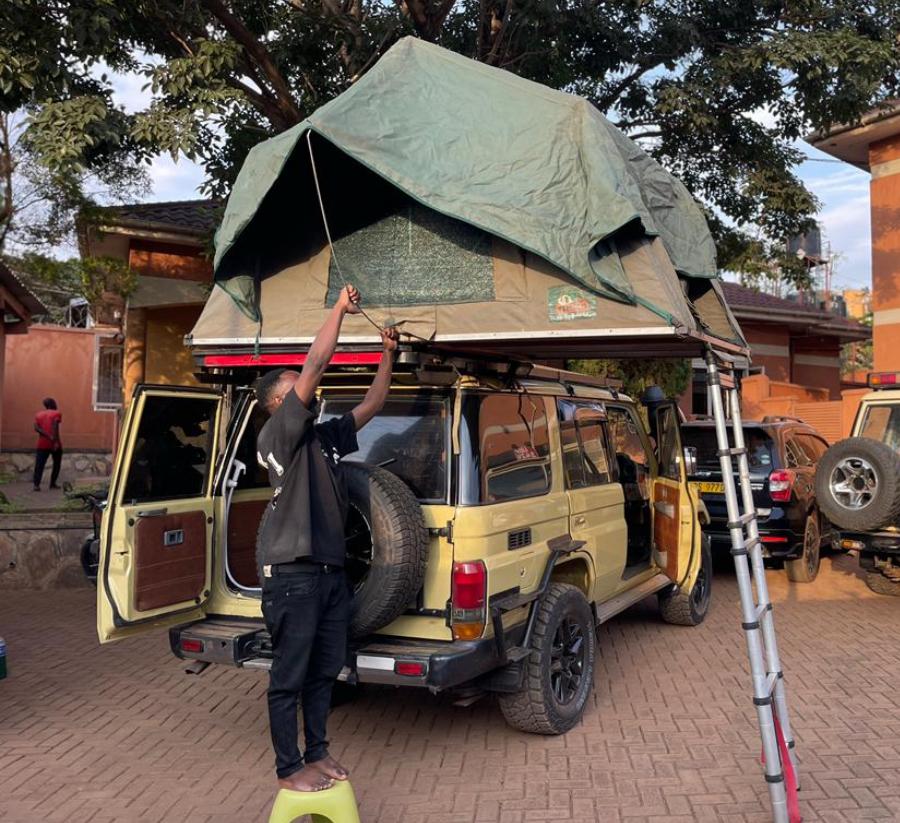
The strongest rental pages clearly state the transmission type, sleeping capacity and equipment included. Furthermore, some companies promote roadside assistance, vehicle replacement, route planning and cross-border documentation.
However, many competing pages provide limited information about the actual safari experience. For instance, they may describe a vehicle as “fully equipped” without listing the available cooking, recovery or safety equipment.
Other competitors advertise a low daily price but exclude the fridge, bedding, insurance reduction or second roof tent. As a result, the final cost can become much higher than the first quotation suggests.
Park information also becomes outdated quickly. Kenya Wildlife Service parks, county-managed reserves and private conservancies do not necessarily use the same payment platforms or rules. Therefore, visitors must verify current conditions before departure.
This guide addresses the most important information gaps. In particular, it connects vehicle selection with insurance, road conditions, camping reservations, safety and nationwide route planning.
What Is a Roof-Tent Safari Vehicle?
A roof-tent safari vehicle is usually a high-clearance four-wheel-drive fitted with a reinforced roof rack and a folding tent. While the vehicle moves, the tent remains closed beneath a strong travel cover.
At the campsite, travelers remove the cover and unfold the tent from the side or rear. Next, they extend a ladder that provides access and may also support part of the sleeping platform.
The opened tent creates a raised sleeping area with a fitted mattress. Canvas walls protect against wind and light rain, while screened windows provide ventilation and help keep insects outside.
A standard double tent usually accommodates two adults. By contrast, family tents provide a wider mattress for two adults and one or two children, depending on their size and weight rating.
Vehicles with two rooftop tents offer greater comfort for families or groups of three to four adults. Nevertheless, the roof rack and vehicle must have enough strength to carry both tents safely.
Most rentals also include camping equipment. Depending on the package, travelers may receive a fridge, stove, gas cylinder, cookware, chairs, table, water containers, lights and basic recovery tools.
Because packages vary, never assume that every advertised camper includes the same equipment. Instead, request a detailed written inventory before paying a deposit.
Why a Genuine 4×4 Matters in Kenya
Major Kenyan towns connect through paved highways, and many common tourist routes remain accessible under normal conditions. However, roads inside wildlife areas often include loose gravel, deep ruts, corrugations, rocks, mud and seasonal water crossings.
A genuine four-wheel-drive sends power to all four wheels. Additionally, many safari-ready models include low-range gearing, which improves control over difficult surfaces.
High ground clearance helps the vehicle cross uneven tracks without damaging the engine, exhaust or underbody. Likewise, all-terrain tires provide better traction than ordinary road tires.
A two-wheel-drive vehicle may reach some destinations during dry weather. Nevertheless, one heavy rainstorm can turn an easy track into a difficult route.
The weight of the rooftop tent, water, food, fuel and camping equipment also affects vehicle performance. Consequently, a strong suspension system and well-maintained brakes become essential.
When selecting Kenya self-drive roof-tent safari car hire, prioritize reliability and off-road capability over luxury appearance. A properly serviced Land Cruiser with good tires may offer more value than a newer urban SUV that lacks suitable ground clearance.
Best Vehicles for a Kenya Self-Drive Safari
Vehicle choice depends on group size, travel season, route, driving experience and comfort expectations. Although no single model suits everyone, several vehicles have proved reliable for East African road trips.
Toyota Land Cruiser 76 Series
The Land Cruiser 76 Series remains one of the best choices for Kenya safari travel. Its strong chassis, enclosed body and four-wheel-drive system suit rough tracks and long-distance journeys.
Furthermore, the vehicle usually provides enough interior space for a fridge, food, water and luggage. One or two rooftop tents can be fitted, depending on the approved roof system.
Diesel models often provide useful torque and range. However, actual fuel consumption depends on the engine, load, terrain and driving style.
The Land Cruiser 76 suits couples, families and small groups. Although it may cost more than a compact vehicle, its durability makes it valuable for remote routes.
Toyota Land Cruiser 78 Series
Often called a Troop Carrier, the Land Cruiser 78 provides additional interior space. As a result, rental companies frequently convert it into an overland camper with drawers, storage boxes, a fridge and rooftop tents.
The longer body works particularly well for extended journeys. Travelers can organize equipment efficiently and keep emergency supplies accessible.
On the other hand, the larger dimensions require careful driving in Nairobi traffic and on narrow bush tracks. The roof tent also increases the total height, so drivers must watch for low branches, car-park barriers and covered entrances.
The 78 Series makes a strong option for long-term rentals and cross-border travel through Kenya, Uganda, Tanzania or Rwanda.
Toyota Land Cruiser Prado
A Prado offers a comfortable driving experience and commonly includes automatic transmission, air conditioning and supportive seats. Therefore, it appeals to visitors who want to combine paved roads with moderate off-road travel.
A properly equipped Prado can handle many Kenya safari routes. However, it should have genuine four-wheel drive, adequate clearance, suitable tires and recovery equipment.
Interior space can become limited after adding luggage, food, water and a fridge. For this reason, the Prado works best for a couple or a small family traveling with soft-sided bags.
Before booking, check the exact model and equipment. Different Prado versions do not offer identical engines, clearance or off-road systems.
Toyota Land Cruiser V8
The Land Cruiser V8 combines power, comfort and strong off-road capability. Moreover, its spacious interior makes long transfers more enjoyable.
A rooftop tent transforms the V8 into a capable safari camper. Nevertheless, the large engine may consume more fuel than smaller alternatives.
Maintenance quality remains important because advanced mechanical and electronic systems require experienced support. Therefore, choose a rental company that understands the model and can arrange assistance if needed.
Toyota Hilux Double Cab
The Toyota Hilux offers four-wheel-drive capability and a separate pickup area for equipment. When fitted with a sealed canopy, the rear section can securely carry food, water, cooking gear and luggage.
A rooftop tent may sit above the canopy or on a reinforced rack. Some rental configurations also support two tents.
However, an open pickup bed exposes supplies to dust, rain and possible theft. Always select a lockable storage system for a safari journey.
Rear-seat comfort also deserves attention. Four adults may find the back seats restrictive during long transfers, depending on the model.
Other Suitable 4×4 Vehicles
Nissan Patrol, Isuzu D-Max and Ford Ranger models can also perform well when properly prepared. In addition, some companies offer Toyota Fortuner and Mitsubishi Pajero rentals.
Mechanical condition matters more than the badge on the vehicle. Consequently, inspect the tires, suspension, brakes, cooling system and recovery equipment before accepting any rental.
Choosing the Correct Roof-Tent Size
A roof tent should match the number, age and mobility of the travelers.
A standard double tent normally suits two adults. Before booking, however, request the exact mattress measurements because “double” can describe several different sizes.
Family tents provide additional width. They can accommodate parents and younger children, although comfort depends on the occupants’ height and sleeping preferences.
For three or four adults, two separate tents usually provide more privacy and space. In addition, separate tents make it easier for travelers to organize personal items.
Never exceed the manufacturer’s stated weight limit. The rental company should confirm both the tent’s capacity and the vehicle roof’s approved load.
Access also matters. Since guests must climb a ladder, roof tents may not suit toddlers, travelers with significant mobility limitations or people who feel uncomfortable with heights.
Before departure, every traveler should enter and leave the tent safely. This simple test can prevent problems at a remote campsite.
Equipment Included with Kenya Self-Drive Roof-Tent Safari Car Hire
A professional rental company should supply a written equipment list. Ideally, it should separate included items from optional extras.
Sleeping equipment
A complete sleeping setup should provide a clean mattress, fitted sheet, pillows, sleeping bags or blankets and weather-resistant tent fabric.
Ask whether the bedding is suitable for the expected temperatures. While coastal nights may feel warm, Mount Kenya and highland campsites can become surprisingly cold.
Also, inspect the tent for broken zippers, torn screens, mold and water damage.
Kitchen equipment
The cooking package may contain a gas stove, fuel cylinder, lighter, pots, frying pan, kettle, plates, bowls, cups and cutlery.
Additionally, you may need knives, a chopping board, bottle opener, washing basin, dishcloth and biodegradable cleaning products.
Test the stove before leaving the rental station. Furthermore, confirm that the gas cylinder is full and safely attached.
Camping furniture
Folding chairs and a table make meals more comfortable. They also reduce the temptation to place cooking equipment on unstable ground.
Check each chair for damaged fabric or weak joints. Likewise, confirm that the table opens and locks properly.
Food and water storage
A powered fridge allows travelers to carry vegetables, dairy products and fresh meat. It should operate through an auxiliary battery system rather than draining the starter battery.
Strong water containers are equally important. Secure them carefully because heavy containers can move during rough drives.
Food boxes should close tightly. Otherwise, dust, insects, monkeys or baboons may reach the supplies.
Lighting and electricity
A camping lantern provides light around the table, while a headlamp allows each traveler to keep both hands free.
The vehicle should offer functioning USB or 12-volt charging sockets. In addition, a dual-battery monitor helps travelers understand the available electrical power.
Vehicle recovery equipment
At minimum, the vehicle should carry a strong spare tire, jack, wheel spanner, tow rope, shovel and basic tools.
A tire compressor, pressure gauge and traction boards provide extra security. For remote northern routes, two spare tires can reduce risk.
Finally, a fire extinguisher and first-aid kit should remain accessible rather than buried beneath luggage.
Vehicle Inspection Before Departure
A careful inspection protects both the traveler and the rental company. Therefore, allow enough time for a complete handover.
First, photograph the exterior from every side. Record scratches, dents, damaged lights and cracked glass.
Next, inspect the tires. They should have suitable tread and show no serious cuts, bulges or uneven wear.
The spare tire must also be inflated. Furthermore, the jack should lift the fully loaded vehicle safely, and the wheel spanner must fit the nuts.
Test the headlights, indicators, brake lights, horn and windscreen wipers. Afterward, check the air conditioning, windows, doors and locks.
Start the engine and look for dashboard warnings. Unusual noises, smoke or visible leaks require explanation before departure.
Ask the rental representative to show you the engine oil, coolant, brake fluid and washer-fluid locations. On a long journey, you may need to monitor them.
Practice engaging four-wheel drive and low range. Depending on the model, the system may use a lever, electronic switch, manual locking hubs or differential locks.
Most importantly, open and close the rooftop tent yourself. Learn how to position the ladder, support the windows and secure the travel cover.
Finally, take a short test drive. Check the steering, brakes, gears and mirrors before joining Nairobi traffic.
Questions to Ask the Rental Company
Before making payment, confirm whether the company owns the vehicle or arranges it through another supplier. Direct ownership may simplify maintenance and emergency support.
Next, ask whether the quotation guarantees a particular model or only a vehicle category. If the company may substitute another vehicle, request equivalent specifications.
Recent photographs of the actual vehicle provide additional confidence. Furthermore, they allow you to see the tent configuration and storage system.
Insurance deserves careful attention. Request written information about the policy, security deposit, excess and exclusions.
If you plan to cross a border, verify that the agreement permits international travel. Likewise, ask which documents and additional fees apply.
Roadside support remains especially important in remote regions. Therefore, confirm how the company handles breakdowns, recovery and replacement vehicles.
Finally, establish whether the company provides route advice, campsite bookings, airport delivery or a professional driver-guide.
Understanding Rental Insurance
The phrase “fully insured” does not necessarily remove the renter’s financial responsibility. Most policies include an excess or deductible.
For example, the renter may need to pay the first portion of a covered repair. Excess-reduction insurance can lower this amount, although it may not remove every exclusion.
Tires, wheels and windscreens frequently require separate coverage. Similarly, underbody, water and roof-tent damage may fall outside the standard policy.
Driving after dark can invalidate insurance. Unauthorized border crossings, reckless driving and unapproved roads may have the same effect.
Never drive through deep water simply because the vehicle has four-wheel drive. Water damage can destroy an engine and may remain entirely the renter’s responsibility.
Every potential driver should appear on the agreement. Otherwise, an accident involving an unauthorized driver may not receive coverage.
Report damage immediately and follow the company’s required procedure. Delayed reporting could complicate the insurance claim.
Rental Agreement Checklist
Read the agreement carefully before signing it. In particular, check:
- Daily rental rate
- Included mileage
- Excess-mileage fee
- Fuel policy
- Security deposit
- Insurance excess
- Authorized drivers
- Minimum driver age
- Driving-licence requirements
- Cross-border permission
- Restricted roads
- Night-driving rules
- Breakdown assistance
- Replacement-vehicle conditions
- Cancellation policy
- Late-return fees
- Equipment-loss charges
- One-way rental fees
- Vehicle-cleaning rules
An International Driving Permit may be useful or required depending on your licence and current regulations. Therefore, confirm the requirement before leaving home.
Keep the rental agreement and emergency numbers accessible throughout the trip.
Self-Drive or Driver-Guided Roof-Tent Safari?
Both options can create an excellent Kenya safari. However, they suit different travelers.
Advantages of a self-drive safari
Self-driving provides privacy and flexibility. You control the departure times, meal stops, music and route.
Experienced overland travelers often enjoy managing their own camp and vehicle. In addition, the process creates a strong sense of adventure.
A self-drive journey may also reduce guide costs. Nevertheless, park fees, fuel and vehicle expenses remain the same.
Challenges of self-driving
The driver must concentrate on the road while searching for wildlife. Consequently, that person may miss brief sightings.
Navigation can also become challenging in large reserves. Mobile coverage may disappear, and many tracks can look similar.
Mechanical problems, muddy roads and wildlife encounters require calm decisions. For that reason, inexperienced drivers should avoid overly ambitious routes.
Advantages of hiring a driver-guide
A professional guide understands animal behavior, park roads and seasonal wildlife movements. Moreover, guides often communicate with other professionals to locate recent sightings.
Every guest can focus on photography because the guide handles the vehicle. Long transfers also become more relaxing.
A driver-guide helps manage park procedures, fuel stops and mechanical concerns. Therefore, guided travel can provide excellent value even when it costs more.
Combining self-drive travel with local guides
Some travelers drive independently between destinations and hire a guide at selected parks. This approach combines road-trip freedom with professional wildlife knowledge.
However, guide availability is not always guaranteed at the gate. Arrange the service in advance during busy seasons.
National Park Fees and Digital Payments
Kenya Wildlife Service manages many national parks through an official electronic system. Visitors can access park services and payments through the KWS eCitizen platform.
KWS destinations include Amboseli, Tsavo East, Tsavo West, Lake Nakuru, Meru, Mount Kenya and Nairobi National Park, among others.
The Masai Mara uses separate management and payment arrangements. Similarly, private conservancies establish their own fees and access policies.
Before departure, verify the following charges:
- Adult entrance fees
- Child entrance fees
- Vehicle charges
- Camping fees
- Conservancy fees
- Activity charges
- Guide or ranger fees
- Booking and payment fees
Park prices can change. Consequently, an old screenshot or blog post may provide incorrect information.
Download the ticket before traveling to a remote gate. Although a digital copy may work, carrying a printed backup provides additional security.
Choosing Campsites in Kenya
Kenya offers several types of campsites. Each category provides a different balance of cost, privacy and facilities.
Public campsites
Public campsites use shared areas and usually offer basic facilities. They may include toilets, showers, water points or simple cooking spaces.
Conditions vary considerably. Therefore, ask which facilities currently work instead of relying on an old description.
Public campsites suit budget-conscious and social travelers. During popular periods, however, they can become busy.
Special campsites
Special or private campsites provide more exclusivity. In many cases, they offer little infrastructure.
Travelers may need to carry all drinking water, cooking water and sanitation supplies. Furthermore, reservation and special-campsite fees can make them more expensive.
The advantage is privacy and deeper immersion in nature. Nevertheless, wildlife safety remains essential.
Commercial campsites
Commercial camps outside national parks may provide hot showers, electricity, restaurants and secure parking.
Although they offer more comfort, travelers must drive to the park gate each morning. Consequently, the location should remain close enough for early entry.
Conservancy campsites
Private conservancies operate independently. Some restrict access to guests staying at partner accommodation or traveling with approved guides.
Never enter a conservancy without permission. Instead, obtain written confirmation and pay the required fees.
Campsite Reservation Checklist
Book campsites before departure, particularly during migration season, Christmas, Easter and other busy periods.
Your confirmation should show:
- Campsite name
- Exact location
- Arrival and departure dates
- Number of travelers
- Vehicle registration or category
- Tent arrangement
- Included facilities
- Camping charges
- Park or conservancy fees
- Check-in deadline
- Emergency contact number
Request GPS coordinates as well as written directions. However, do not depend on coordinates alone because the recommended approach road may change after heavy rain.
Confirm whether the campsite supplies drinking water, firewood, electricity or food. If not, carry everything you require.
Wildlife Safety at Campsites
Wild animals may move freely through unfenced campsites. Therefore, visitors must behave carefully at all times.
Keep food in sealed containers inside the vehicle. Never store snacks, meat or strongly scented products inside the roof tent.
After cooking, clean the stove, plates and table immediately. Food residue can attract animals.
Seal rubbish inside strong bags. Then, dispose of it according to campsite instructions.
Avoid walking beyond the designated camping area. After dark, use a flashlight and request an escort where required.
Elephants, buffaloes, hippos, lions, leopards and hyenas can approach quietly. Consequently, campers should never explore the surroundings at night.
If wildlife enters the campsite, remain calm and quiet. Do not start the engine, flash lights repeatedly or chase the animal unless trained staff provide specific instructions.
Children require constant supervision. Above all, parents should explain campsite rules before arriving.
Cooking During a Kenya Roof-Tent Safari
Self-catering provides freedom and can reduce food expenses. However, meals should remain simple and easy to prepare.
Nairobi supermarkets offer the widest selection. Before leaving the city, purchase dry goods, snacks, drinking water and specialized products.
Narok, Naivasha, Nakuru, Nanyuki and other towns provide opportunities to restock. Nevertheless, they may not carry every international product.
Rice, pasta, bread, eggs, canned food, fruit and vegetables work well for camping. One-pot meals also reduce washing and gas use.
A powered fridge allows you to carry fresh food. However, it must maintain a safe temperature when the engine is off.
Prepare dinner before complete darkness whenever possible. This approach makes cooking easier and allows you to observe the surroundings.
Use the stove only in an authorized place. In dry conditions, grass can catch fire quickly.
Finally, close the gas cylinder after cooking and store it securely.
Food Storage and Wildlife
Food storage plays an important role in campsite safety. Monkeys, baboons and larger animals can detect unsecured supplies.
Keep every food container closed when not in use. Likewise, store fruit, snacks and rubbish away from sleeping areas.
Do not leave cooking pots outside overnight. Even a small amount of residue can attract wildlife.
Vehicle doors and windows should remain closed whenever you leave camp. Baboons can open weak containers and damage upholstery.
Never feed animals. Besides creating dependence, feeding wildlife can increase aggression and conflict.
Water Planning
Carry enough drinking water for the group, plus an emergency reserve.
Hot weather, dusty roads and campsite work increase consumption. As a result, every traveler should drink regularly.
Ask whether campsite water is safe for drinking. Some water points are intended only for washing.
Strong containers should remain securely tied down. Otherwise, they may leak or move across the vehicle on rough roads.
Reusable bottles help reduce disposable plastic. Nevertheless, fill them only from safe sources.
For remote destinations, carry water purification equipment as a backup after consulting suitable travel guidance.
Fuel Planning
Fuel consumption depends on the vehicle, terrain, speed and load. Roof tents and camping equipment increase aerodynamic resistance and weight.
Ask the rental company for a realistic consumption range. Then, calculate fuel using the less efficient figure.
Fill the tank in established towns before entering national parks or remote areas. Never wait until the warning light appears.
Northern Kenya and long Tsavo routes require especially careful planning. An auxiliary tank can provide useful additional range.
If the rental includes fuel cans, confirm that they are approved, sealed and secured. Keep them away from food and cooking flames.
Record the planned fuel stations. However, remain prepared for temporary shortages or closed stations.
Best Time for Kenya Self-Drive Roof-Tent Safari Car Hire
Kenya offers safari opportunities throughout the year. Still, weather affects wildlife distribution, road conditions and campsite demand.
June to October
This period often brings drier conditions to many safari areas. Consequently, game-viewing roads usually become easier to navigate.
July through October attracts visitors hoping to see Great Migration herds in the Masai Mara. However, animal movement depends on rain and grazing rather than fixed dates.
Book vehicles and campsites early because demand increases significantly.
January and February
The beginning of the year often provides warm and relatively dry conditions. Therefore, it can be an excellent time for general wildlife viewing.
Road conditions commonly remain manageable, although regional variation always exists.
March to May
The longer rainy season can create green landscapes and fewer visitors. On the other hand, unpaved roads may become muddy or temporarily impassable.
Experienced four-wheel-drive users may enjoy the challenge. First-time drivers should choose a simpler route or hire a guide.
November and December
Short rains may affect several regions. Nevertheless, weather patterns vary, and many safari activities continue.
The green scenery supports landscape photography and birdwatching. Meanwhile, travelers should remain flexible about road conditions.
Kenya Self-Drive Roof-Tent Safari Car Hire for Masai Mara
The Masai Mara remains Kenya’s best-known wildlife destination. Its grasslands support lions, leopards, cheetahs, elephants, buffaloes, giraffes and numerous antelopes.
The greater ecosystem includes the main reserve, the Mara Triangle and surrounding conservancies. However, each area may use different fees and access rules.
A genuine high-clearance 4×4 is strongly recommended. During rain, tracks can become slippery and deeply rutted.
Confirm whether your intended section permits independent self-driving or requires additional guidance. Because policies can change, verify current rules directly before arrival.
Use an authorized campsite inside or outside the reserve. Wild camping beside a random track is unsafe and may violate regulations.
A local guide can improve navigation and wildlife viewing. Furthermore, the guide understands recent animal movements and suitable routes.
Allow at least three nights in the Mara region. Otherwise, the long journey from Nairobi can make the safari feel rushed.
Amboseli National Park by Roof-Tent Vehicle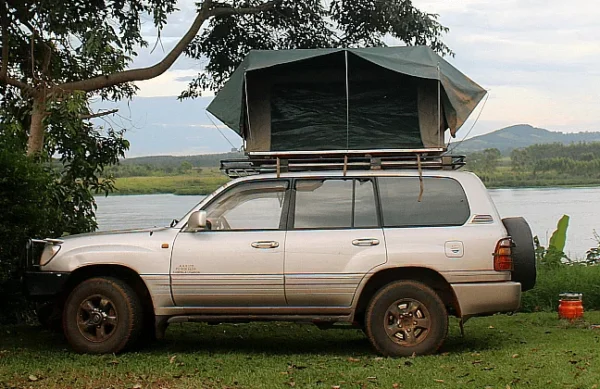
Amboseli offers large elephant herds, wetlands and views of Mount Kilimanjaro when weather conditions provide clear skies.
Early mornings often create the best chance of seeing the mountain. Therefore, camping near the park can provide a useful advantage.
During dry periods, dust becomes intense. Protect camera equipment and keep food containers closed.
Rain can transform some tracks into mud. Accordingly, obtain current advice before exploring less-used routes.
Amboseli combines naturally with Tsavo West, Tsavo East and the Kenyan coast.
Tsavo East Self-Drive Camping Safari
Tsavo East forms part of an enormous protected ecosystem. It is known for wide landscapes, red soil, elephants and the Galana River.
Distances inside the park can be substantial. Therefore, carry enough water, food and fuel.
Red dust enters vehicles easily. Sealed storage boxes protect clothing, cooking equipment and electronics.
Stay on authorized roads and check current conditions. Some routes may become difficult after heavy rainfall.
Several nights provide enough time to explore without rushing. In addition, Tsavo East works well on a road trip toward Mombasa, Watamu or Diani.
Tsavo West Roof-Tent Safari
Tsavo West features volcanic landscapes, hills, lava flows and natural springs. Its scenery differs noticeably from the open areas of Tsavo East.
Tracks can become rocky and uneven. Consequently, strong tires and adequate ground clearance are important.
Dense vegetation sometimes makes wildlife harder to locate. Nevertheless, patient travelers may enjoy rewarding encounters and beautiful landscapes.
Tsavo West combines well with Amboseli and Tsavo East. Before entering, confirm camping availability and internal travel times.
Lake Nakuru National Park
Lake Nakuru provides an accessible Rift Valley safari. Wildlife may include rhinos, buffaloes, giraffes, zebras, waterbucks, lions and leopards.
Because the park is relatively compact, navigation can feel easier for first-time self-drive visitors.
Lake and bird conditions change naturally. Therefore, travelers should appreciate the wider ecosystem instead of expecting one particular spectacle.
Lake Nakuru fits naturally between Nairobi, Naivasha and the Masai Mara. Use the official KWS payment system and confirm campsite availability.
Lake Naivasha and Hell’s Gate
Lake Naivasha offers birdwatching, boat excursions and commercial campsites. In addition, it provides an excellent place to restock food and fuel.
Hippos live around the lake. Consequently, never approach the shoreline at night without local guidance.
Nearby Hell’s Gate National Park features cliffs, geothermal landscapes and active experiences. Visitors may explore permitted areas by vehicle, bicycle or on foot, depending on current regulations.
The Naivasha region works well as the first stop after Nairobi. It also breaks the journey toward western Kenya.
Samburu Self-Drive Roof-Tent Safari
Samburu offers dry landscapes and distinctive northern wildlife. Visitors may encounter reticulated giraffes, Grevy’s zebras, gerenuks, Beisa oryx, elephants and big cats.
Temperatures can become high. Therefore, carry generous drinking water and check the vehicle’s cooling system.
Fuel planning also deserves attention. Fill the tank before entering remote areas.
Road conditions depend on rainfall and river levels. Accordingly, seek current local advice before departure.
Samburu combines well with Mount Kenya, Ol Pejeta and Meru National Park.
Ol Pejeta Conservancy
Ol Pejeta is known for rhino conservation and wildlife viewing beneath Mount Kenya.
The conservancy uses its own booking and payment procedures. Consequently, arrange entry, camping and special activities before arrival.
Current access rules may permit self-driving on specified routes. However, visitors should confirm all conditions directly.
Ol Pejeta creates a practical stop between Nairobi and northern Kenya. Furthermore, its conservation programs add an educational dimension to the safari.
Meru National Park
Meru offers a quieter experience than Kenya’s busiest parks. Rivers, grasslands and woodland create a varied landscape.
Lower visitor numbers provide a strong sense of wilderness. At the same time, travelers must prepare carefully for navigation and emergency support.
Carry enough food, water and fuel. During rainy periods, check road conditions before entering remote sections.
Meru suits experienced self-drive travelers who prefer less crowded parks.
Nairobi National Park
Nairobi National Park lies close to the capital and provides a useful introduction to wildlife driving.
Visitors may see rhinos, lions, giraffes, buffaloes and antelopes against the city skyline.
A first-day visit allows travelers to test the vehicle and learn how to use the viewing roof. However, avoid scheduling the activity too close to an international flight because Nairobi traffic can cause delays.
Pay the official entrance fee before arrival and keep the ticket accessible.
Mount Kenya and the Central Highlands
Mount Kenya and the surrounding highlands add hiking, forest scenery and cooler temperatures to a road trip.
Nights at elevation can become cold. Therefore, pack suitable sleeping bags, fleece clothing and waterproof protection.
Condensation may develop inside the rooftop tent. Ventilate it properly and allow the fabric to dry before closing.
Serious mountain treks require professional guides and specialized equipment. A camper vehicle supports the journey but does not replace hiking preparation.
Combining Safari and the Kenya Coast
A self-drive safari can continue toward Mombasa, Diani, Watamu or Malindi.
The coast provides beaches, marine activities and Swahili cultural experiences. After several camping nights, many travelers choose a hotel for comfort, laundry and secure storage.
Park the vehicle in a secure area. Never leave passports, cameras or electronics visible inside.
Sand and salt air can affect tent mechanisms. Therefore, clean and dry the equipment before packing it away.
Tsavo East and Tsavo West create the most natural safari connection with the coast.
Seven-Day Kenya Roof-Tent Itinerary
On day one, collect the vehicle in Nairobi, complete the inspection and purchase food. Afterward, travel to Lake Naivasha or stay near the city.
Day two includes Hell’s Gate, a Lake Naivasha activity or a relaxed campsite experience.
The third day continues through the Rift Valley toward the Masai Mara. Arrive before dark and prepare camp.
Days four and five provide game drives in the greater Mara ecosystem. For better wildlife interpretation, consider hiring a local guide.
On day six, complete a final morning activity before returning toward Naivasha or Nairobi.
Finally, day seven covers vehicle return and the final inspection.
This itinerary provides a useful introduction. Nevertheless, adding two or three days creates a more comfortable pace.
Ten-Day Kenya Self-Drive Safari Itinerary
Begin with vehicle collection and preparation in Nairobi.
Next, drive to Amboseli for two nights of wildlife viewing and views of Mount Kilimanjaro.
Continue toward Nairobi or the central highlands before traveling to Lake Nakuru or Lake Naivasha.
After exploring the Rift Valley, proceed to the Masai Mara for three nights.
Finally, return to Nairobi with enough time for the vehicle inspection.
Although the route is possible, it contains several long transfers. Therefore, travelers who prefer a slower experience should remove one destination or extend the trip.
Fourteen-Day Kenya Camping Road Trip
A two-week journey allows a broader safari circuit.
Start in Nairobi and continue north toward Mount Kenya, Ol Pejeta or Samburu. Spend several nights exploring the northern region.
Afterward, travel south toward Lake Nakuru and Lake Naivasha. These towns provide useful opportunities to restock.
Continue into the Masai Mara for at least three nights.
Next, return through Nairobi and drive toward Amboseli, Tsavo West and Tsavo East.
The final section can continue to the coast or return to Nairobi. If you finish in Mombasa, confirm one-way rental charges in advance.
Cross-Border Roof-Tent Car Hire
Some companies allow their vehicles to enter Tanzania, Uganda or Rwanda. However, written authorization remains essential.
Required documents may include vehicle registration, cross-border insurance, COMESA Yellow Card coverage and a letter from the owner.
Additional road taxes, border fees and temporary import procedures may apply. Consequently, include them in the budget.
Confirm the approved border crossing. The shortest route on a map may not suit the rental agreement or current conditions.
One-way rental fees can become substantial because the company must recover the vehicle.
Never cross a border without permission. Otherwise, you may invalidate the insurance and become responsible for the entire vehicle.
Packing for a Kenya Roof-Tent Safari
Choose lightweight, practical clothing. Neutral colors such as khaki, olive, beige and grey work well in wildlife areas.
Pack long trousers, short- and long-sleeved shirts, a fleece and a waterproof jacket.
Early game drives can feel cold. Likewise, highland campsites may become chilly at night.
Bring a sun hat, sunglasses, sunscreen and insect repellent.
Closed shoes protect the feet during campsite work, while sandals suit showers and relaxation.
Each traveler should carry a headlamp. In addition, pack spare batteries or rechargeable lighting.
Soft-sided duffel bags fit more easily around camping equipment than large hard suitcases.
Photography Equipment
A versatile telephoto lens works well for wildlife, while a wider lens captures landscapes and campsites.
Bring spare batteries, memory cards, cleaning equipment and dust protection.
A beanbag provides camera support on windows or roof openings. By contrast, a large tripod may feel inconvenient inside the vehicle.
Secure every camera before driving. Sudden braking on rough roads can send heavy equipment across the cabin.
Charge batteries whenever power becomes available. Remote campsites may have limited electricity.
Finally, back up valuable photographs during the trip whenever possible.
Electricity and Communication
Kenya generally uses British-style three-pin electrical outlets. Therefore, bring a suitable adapter for hotels and powered campsites.
The vehicle may provide USB and 12-volt connections. Ask whether these outlets use the starter or auxiliary battery.
A dual-battery system should power the fridge without preventing the engine from starting. Nevertheless, monitor the battery level.
Power banks provide extra security. A portable solar panel may also help on longer trips.
Mobile coverage becomes weaker in remote areas. Consequently, save maps, tickets and emergency numbers offline.
Health and Travel Insurance
Consult a qualified travel-health professional before visiting Kenya. Recommendations depend on your itinerary, personal health and current conditions.
Carry prescription medication in original packaging. Furthermore, bring enough for the journey and a small reserve for delays.
Discuss malaria prevention and routine vaccinations with the health professional.
Drink safe water, protect food from heat and maintain good hygiene.
Travel insurance should cover medical treatment, evacuation, cancellation and self-drive activities.
Check whether the policy covers remote areas and four-wheel-drive rental. Some policies exclude particular activities or destinations.
Sustainable Kenya Self-Drive Safaris
Responsible travel protects wildlife and supports local communities.
Stay on authorized roads. Off-road driving damages vegetation and can disturb animals.
Use recognized campsites and never leave rubbish behind.
Reusable bottles and shopping bags reduce plastic waste. Nevertheless, refill bottles only from safe water sources.
Avoid feeding wildlife. Moreover, keep food securely stored so animals cannot steal it.
Use water carefully, especially in dry northern areas.
Support local guides, community camps, craftspeople and conservation projects.
Finally, keep noise low and respect other visitors.
Common Kenya Self-Drive Safari Mistakes
To begin with, many travelers choose a vehicle based only on the lowest price. Mechanical reliability and emergency support provide greater value.
Likewise, some drivers underestimate travel times. Kenya is large, and game drives add considerable distance.
Driving after dark creates unnecessary risks from pedestrians, animals, motorcycles and poorly lit vehicles.
Another mistake involves entering a park without a confirmed campsite. During peak periods, available space may be limited.
Travelers also underestimate fuel consumption after adding rooftop tents and camping equipment.
Accepting “fully equipped” without checking the inventory creates further problems. A missing stove part or damaged chair can affect the trip.
Some campers close the tent while it is wet. As a result, mildew and unpleasant odors can develop.
Depending entirely on mobile navigation can lead to unsuitable roads. Therefore, carry offline maps and obtain route advice.
Finally, never enter restricted conservancies or leave authorized tracks.
Frequently Asked Questions
What does Kenya self-drive roof-tent safari car hire include?
A standard package includes a four-wheel-drive vehicle and rooftop tent. Depending on the company, it may also provide bedding, cookware, chairs, a table, fridge, water containers and recovery equipment.
Which 4×4 is best for a Kenya camping safari?
A Toyota Land Cruiser 70 Series is one of the strongest options. However, a properly equipped Prado, Hilux, V8 or other capable 4×4 can also work well.
How much does a roof-tent vehicle cost in Kenya?
Rates depend on the model, season, rental duration and equipment. Market prices often begin around USD 130 per day and can exceed USD 220 for larger or newer vehicles. Always request a personalized quotation.
Are national park fees included?
Usually, park entrance, vehicle, campsite and conservancy fees remain separate. Check the quotation carefully.
May travelers drive themselves inside Kenyan parks?
Many parks allow self-driving under current regulations. However, particular reserves and conservancies may require additional arrangements. Verify every destination before arrival.
Where can visitors camp?
Travelers should use authorized public, special, private or commercial campsites. Camping beside an arbitrary road or track is unsafe.
Is a rooftop tent safe around animals?
A roof tent provides an elevated sleeping platform, but wildlife may still enter the campsite. Secure food, remain inside after dark and follow ranger instructions.
Does the tent have a mattress?
Most rooftop tents include a foam mattress. Nevertheless, bedding may cost extra.
How many people can sleep in one tent?
A standard tent generally suits two adults. Family models vary, while groups of four adults usually need two tents.
Is previous four-wheel-drive experience necessary?
Experience is highly valuable, particularly during rainy conditions. First-time drivers should receive detailed training or consider hiring a guide.
Are automatic vehicles available?
Yes. Many Prado and Land Cruiser V8 rentals use automatic transmissions. Availability depends on the company’s fleet.
Can a Kenya rental vehicle cross into Tanzania or Uganda?
Cross-border travel is possible only when the rental company provides written permission and correct documents. Additional fees normally apply.
What happens after a breakdown?
A professional rental company should provide emergency assistance and explain its recovery or replacement process before departure.
Should the vehicle carry two spare tires?
Two spares provide greater protection on remote routes. At minimum, insist on one strong spare, a working jack and the correct wheel tools.
Is a roof-tent safari suitable for children?
Families can enjoy roof-tent camping when the children can use the ladder safely. Parents must also supervise them continuously in wildlife areas.
Final Thoughts on Kenya Self-Drive Roof-Tent Safari Car Hire
A Kenya roof-tent safari combines independence, wildlife and outdoor adventure. Your vehicle becomes transportation, accommodation, kitchen, storage space and wildlife-viewing platform.
However, preparation determines the quality of the journey. Choose a capable 4×4, inspect it carefully and understand every insurance condition.
In addition, reserve authorized campsites and calculate park fees before departure. Carry sufficient fuel, drinking water and food.
Avoid visiting too many destinations in a short period. Instead, spend more time in fewer parks and enjoy relaxed game drives.
Self-driving provides valuable freedom. Nevertheless, a professional local guide can improve navigation, wildlife sightings and safety.
Reliable Kenya self-drive roof-tent safari car hire should provide transparent terms, quality camping gear, route support and emergency assistance. Once these essentials are in place, travelers can concentrate on Kenya’s wildlife, dramatic landscapes and unforgettable open roads.
Book Your Kenya and East Africa Safari
Universal Ventures Rwanda organizes customized Kenya safaris, East African road trips, private transportation and cross-border wildlife tours. Our team can assist with 4×4 vehicle arrangements, professional driver-guides, camping logistics, accommodation and combined Kenya, Uganda and Rwanda safari itineraries.
Universal Ventures Rwanda
Address: Kigali, Rwanda
Telephone/WhatsApp: +250 781 441 853
Email: info@universalventuresrwanda.com
Website: www.universalventuresrwanda.com