
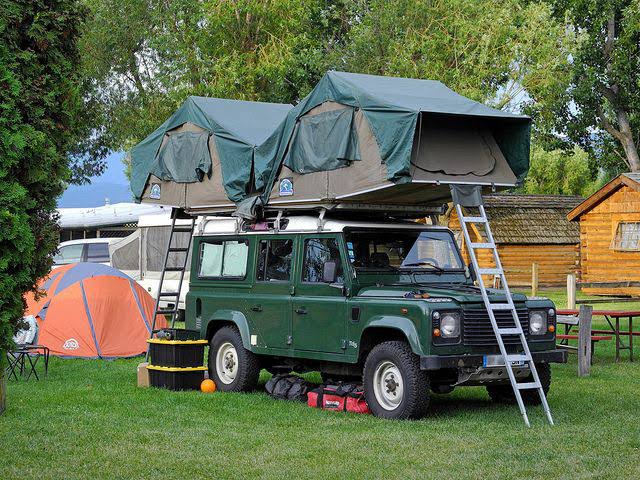
A roof-top tent car rental from Nairobi Airport gives independent travelers the freedom to begin exploring Kenya immediately after arrival. Instead of following a fixed group itinerary or changing hotels every night, you can travel in a fully equipped 4×4, choose your preferred campsites and experience Kenya at your own pace.
Kenya is ideal for a self-drive camping safari. Its landscapes range from the open plains of the Maasai Mara to the elephant country of Amboseli, the lakes of the Great Rift Valley, the rugged wilderness of Samburu and the beaches of the Indian Ocean.
A properly equipped vehicle combines transportation, accommodation and basic camping facilities. Most roof-top tents contain an integrated mattress and insect-screened windows. Camping packages may also include bedding, cooking equipment, a refrigerator or cooler, chairs, a table and water storage.
However, a successful self-drive safari requires preparation. Travelers must choose the right vehicle, understand the rental agreement, confirm insurance conditions and plan realistic daily distances. Campsites, park fees, fuel availability and road conditions also need careful consideration.
This complete guide explains how to book a roof-top tent car rental from Nairobi Airport, what equipment should be included, how much it may cost and which Kenya safari routes work best.
Why Rent a Roof-Top Tent Car from Nairobi Airport?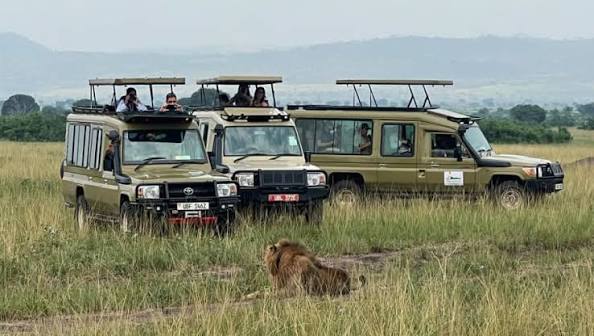
Jomo Kenyatta International Airport is the main entry point for many international visitors to Kenya. Collecting your camping vehicle at or near the airport can simplify your arrival and remove the need to arrange separate transportation into Nairobi.
Some rental companies deliver vehicles directly to the airport. Others provide a representative who meets arriving travelers and transfers them to a nearby office for the vehicle inspection and safari briefing.
Airport delivery saves time, especially for travelers who want to leave Nairobi the following morning. Nevertheless, driving into an unfamiliar city immediately after a long international flight is not always advisable.
A nearby hotel stay gives you time to rest, buy food, obtain a local SIM card and become familiar with the vehicle. You can then begin the journey in daylight.
Your roof-top tent car rental from Nairobi Airport can be arranged for a Kenya-only journey or a longer East African expedition. Cross-border trips may be possible, but they require advance authorization, suitable insurance and the correct vehicle documents.
Benefits of Roof-Top Tent Car Rental from Nairobi Airport
A camping vehicle gives you greater independence than a conventional organized safari. You decide when to depart, how long to stay and which destinations to include.
The vehicle also combines several travel services. Instead of paying separately for a rental car and accommodation every night, you carry your sleeping area on the roof.
This arrangement can reduce costs, especially during longer trips. However, travelers still need to pay campsite charges, national park entrance fees, fuel and food.
Roof-top tents keep the sleeping platform above wet or uneven ground. They also reduce contact with mud, crawling insects and small animals. However, an elevated tent does not make it safe to camp anywhere. Travelers must use authorized campsites and follow local wildlife rules.
The built-in mattress provides greater comfort than sleeping directly on the ground. Most designs also use canvas walls, ventilation panels and mosquito screens.
Setup generally takes only a few minutes after proper training. This convenience helps travelers who change campsites regularly.
Most importantly, a fully equipped 4×4 enables you to explore destinations that ordinary city cars cannot reach reliably.
How Nairobi Airport Vehicle Collection Works
The exact procedure depends on the rental company, arrival time and vehicle location.
A representative may meet you inside or outside the arrivals area with your name on a sign. After introductions, you will either walk to the vehicle or transfer to the company’s office.
Before accepting the vehicle, inspect the bodywork, tires, windscreen and interior. Record existing scratches or damage with clear photographs and video.
The company should explain the vehicle controls, four-wheel-drive system, jack, spare tires and recovery equipment. You also need a complete demonstration of how to open, secure and close the roof-top tent.
Count the camping equipment against the inventory. Check the chairs, table, bedding, cooking utensils, gas equipment, refrigerator and water containers.
Review emergency contact procedures and confirm what to do after a breakdown, accident or tire problem.
Do not rush this process because you are tired or eager to leave. A thorough handover protects both the traveler and rental company.
Should You Drive Immediately After Landing?
Driving directly from the airport may be reasonable after a short regional flight and an early arrival. It is less advisable after an overnight international journey.
Fatigue reduces concentration, reaction time and judgment. Nairobi traffic can also feel demanding to drivers who are unfamiliar with local road behavior.
Avoid beginning a long safari transfer late in the afternoon or after dark. Roads may include pedestrians, livestock, motorcycles, unlit vehicles and unexpected speed humps.
A first night in Nairobi or near the airport is often the safest choice. Use that evening to organize supplies and review your itinerary.
Start early the following morning after breakfast and a proper night’s sleep.
Choosing the Right 4×4 Vehicle
Not every vehicle with a tent is suitable for every Kenya itinerary. The correct choice depends on road conditions, group size, luggage and comfort expectations.
Toyota Land Cruiser Prado
The Land Cruiser Prado offers a good balance between comfort and off-road ability. Automatic transmission, air conditioning and a relatively smooth ride make it attractive to couples.
A Prado with one roof-top tent usually works best for one or two travelers. Interior storage becomes limited when additional passengers and camping equipment are added.
The Prado can handle many established safari roads, although deep mud, challenging tracks and extremely remote routes require careful judgment.
Toyota Land Cruiser LX or GX
The Land Cruiser LX and GX are popular for longer self-drive safaris. They provide strong off-road performance and more interior capacity than smaller vehicles.
Depending on the configuration, the vehicle may carry one large family tent or two separate roof-top tents.
These models work well for couples, families and small groups traveling through Kenya, Uganda, Rwanda or Tanzania, subject to cross-border approval.
Land Cruiser 70 Series
The Land Cruiser 70 Series is known for durability and performance on difficult terrain. Hardtop and Troop Carrier versions provide excellent storage and practical camping layouts.
These vehicles may feel less luxurious than newer SUVs, but their simple construction and strong suspension make them suitable for remote expeditions.
Travelers should check whether the vehicle uses manual or automatic transmission. Many expedition-style models have manual gearboxes.
Toyota Hilux Double Cab
A double-cab pickup separates luggage and camping equipment from the passenger compartment. It can carry a roof-top tent over the cab or rear canopy.
The Hilux suits two to four travelers, depending on the tent and luggage arrangement. Rear-seat comfort should be checked before a long journey.
Land Cruiser V8
A Land Cruiser V8 provides greater comfort, power and interior space. It works well for couples and families seeking a more refined vehicle.
Fuel consumption may be higher than with smaller diesel models. Ask for realistic fuel estimates before deciding whether the extra comfort justifies the operating cost.
Single, Double and Family Roof-Top Tents
A single roof-top tent usually accommodates two adults. It includes a mattress, ladder, canvas cover and screened openings.
Family tents provide a larger sleeping platform for two adults and one or two children. The exact dimensions and weight capacity vary by manufacturer.
Two separate tents can accommodate four adults more comfortably than one family tent. They also give friends or older children greater privacy.
Before booking, request the internal mattress dimensions. The words “double” and “family” do not guarantee the same size across rental companies.
Check how much weight the ladder and tent platform can support. Confirm whether bedding, pillows and sleeping bags are included.
What Should Be Included with the Rental?
A quality roof-top tent car rental from Nairobi Airport should include more than the vehicle and tent.
The essential vehicle equipment normally includes:
- One or two spare tires
- Wheel jack and wheel spanner
- Warning triangle
- Basic toolkit
- Fire extinguisher
- First-aid kit
- Tow rope or recovery strap
- Jumper cables
- Tire-pressure gauge or compressor
- Emergency contact information
The camping package may include:
- Roof-top tent with mattress
- Pillows, sheets or sleeping bags
- Camping chairs and table
- Gas stove and fuel cylinder
- Cooking pots and frying pan
- Plates, cups and cutlery
- Knife and cutting board
- Water container
- Refrigerator or cooler box
- Food-storage containers
- Lantern or camping light
- Cleaning materials
- Small dustpan and brush
Equipment varies considerably between suppliers. One operator may include an electric refrigerator, while another supplies only a cooler box. Request a complete written inventory before confirming the booking.
Roof-Top Tent Car Rental Costs
Rental rates depend on vehicle type, season, duration, equipment and insurance.
A basic 4×4 with a roof-top tent may start around USD 100–160 per day. Larger Land Cruisers, safari conversions and vehicles with two tents may range from approximately USD 160–250 or more per day.
Current market listings show examples beginning around USD 140 per day for certain Land Cruiser models, but the final price depends on dates and equipment. Drive East Africa
These figures are general estimates rather than guaranteed quotations.
Long-term rentals may receive lower daily rates. Peak travel months can bring higher prices and limited availability.
Ask whether the price includes: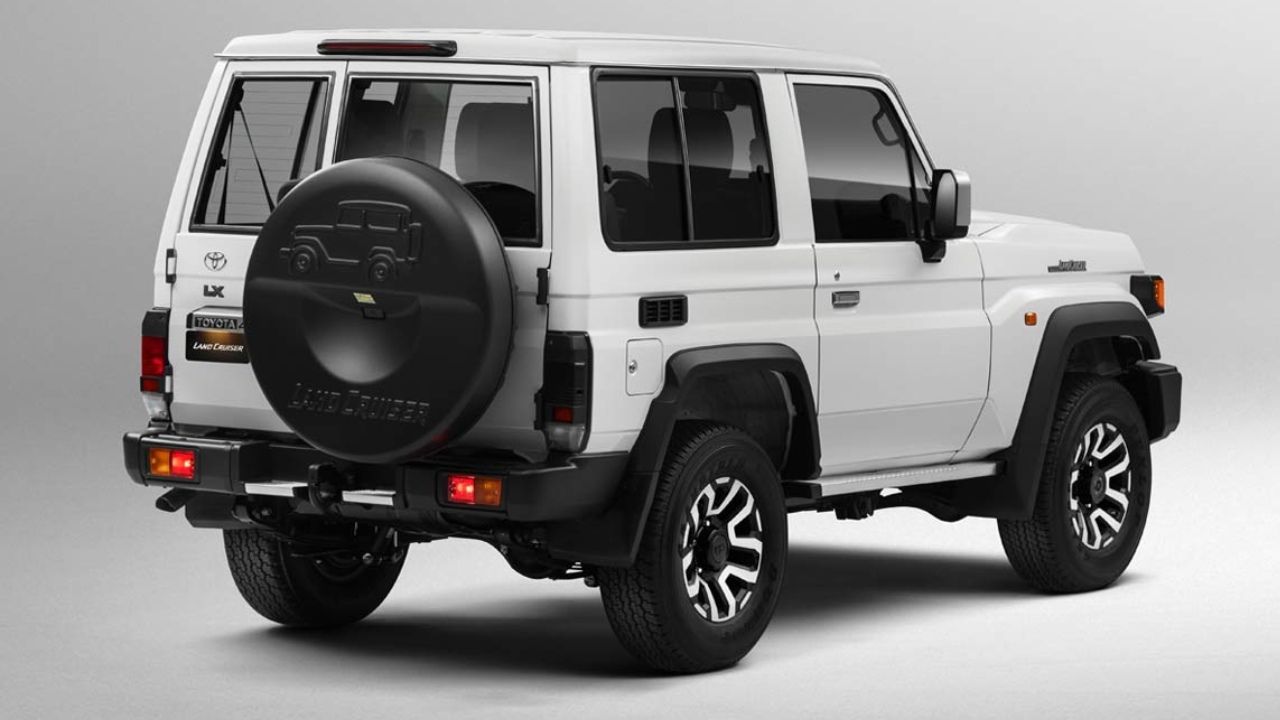
- Airport delivery and collection
- Unlimited mileage
- Comprehensive insurance
- Camping equipment
- Additional driver
- Taxes
- Roadside assistance
- Vehicle replacement after mechanical failure
- Cross-border paperwork
- Cleaning fee
- One-way drop-off fee
A low advertised rate may exclude several mandatory charges. Compare the final rental price rather than the headline daily rate.
Security Deposit and Payment Terms
Most rental companies require a refundable security deposit. The amount depends on the vehicle, insurance and rental conditions.
The company may hold the deposit on a credit card or request payment before vehicle collection. Confirm how and when the funds will be released after the vehicle is returned.
Read the cancellation conditions before paying. Understand which deposits are refundable and which costs become nonrefundable close to the rental date.
Keep copies of the quotation, payment receipt, rental agreement and vehicle inventory.
Understanding Rental Insurance
Insurance is one of the most important parts of a self-drive booking.
Ask whether the vehicle has comprehensive insurance or third-party-only coverage. Comprehensive insurance may still contain a deductible or excess that the renter must pay after an accident.
Common exclusions may include:
- Tire and wheel damage
- Windscreen damage
- Underbody damage
- Roof or tent damage
- Water damage
- Driving on prohibited roads
- Single-vehicle accidents
- Negligent driving
- Unauthorized drivers
- Driving outside Kenya without permission
- Driving under the influence of alcohol or drugs
Some policies do not cover recovery from remote areas. Confirm who pays towing and recovery expenses.
Do not assume the rental vehicle’s insurance covers personal medical treatment, evacuation or trip cancellation. Travelers still need comprehensive travel insurance.
Driver’s Licence Requirements
International visitors need a valid national driver’s licence. Depending on nationality and licence language, an International Driving Permit may also be required or recommended.
The name on the licence should match the passport and rental agreement.
Rental companies may set a minimum driver age and require a certain number of years of driving experience.
Every person who may drive should appear in the contract. Insurance may not cover an accident involving an unauthorized driver.
Keep the original licence, passport copy, rental agreement and insurance details inside the vehicle.
Driving Rules in Kenya
Kenya drives on the left side of the road. The steering wheel is therefore on the right side of the vehicle.
Seat belts should be worn by every passenger. Follow posted speed limits and reduce speed in villages, towns and wildlife areas.
Police checks may occur along major roads. Remain polite and present the required documents when requested.
Avoid using a phone while driving unless the vehicle has a legal hands-free system.
Never drink alcohol before driving. Apart from the legal and insurance consequences, safari roads require constant concentration.
Road Conditions
Kenya contains excellent highways as well as rough gravel tracks, corrugated roads and muddy park routes.
The main routes between Nairobi and larger towns are generally paved. Conditions become less predictable after entering conservancies, national reserves and remote regions.
Rain can transform an easy track into deep mud within a short time. Dry-season roads may develop dust, loose stones and heavy corrugation.
Google Maps does not always understand seasonal road conditions, private land or damaged bridges. Follow current local advice rather than relying entirely on a navigation application.
Avoid unofficial shortcuts. A route that looks shorter on the map may pass through private property or become impassable.
Four-Wheel-Drive Training
The rental company should explain how and when to engage four-wheel drive, low-range gearing and differential locks.
Do not wait until the vehicle becomes stuck before learning the controls.
Engage the correct drive setting before entering deep sand, mud or steep terrain. Sudden acceleration may cause wheelspin and reduce traction.
Lowering tire pressure can help in sand, but only experienced drivers should do this. Tires must be reinflated before returning to faster roads.
If you are uncertain about a river crossing or muddy section, stop and assess the route. Turning around is often safer than risking water damage or a difficult recovery.
Fuel Planning
Fuel stations are common around Nairobi and major towns but become less frequent in remote areas.
Fill the tank before entering a national park or beginning a long rural section. Do not rely on a station being open or having your required fuel.
Ask the rental company whether the vehicle uses petrol or diesel and how far it can travel on a full tank.
A well-planned route should include a safety margin. Never calculate fuel needs based only on the exact distance between two destinations.
Driving in low-range gear, deep sand or mud increases consumption. Carrying tents and camping equipment also affects fuel economy.
Where Can You Camp in Kenya?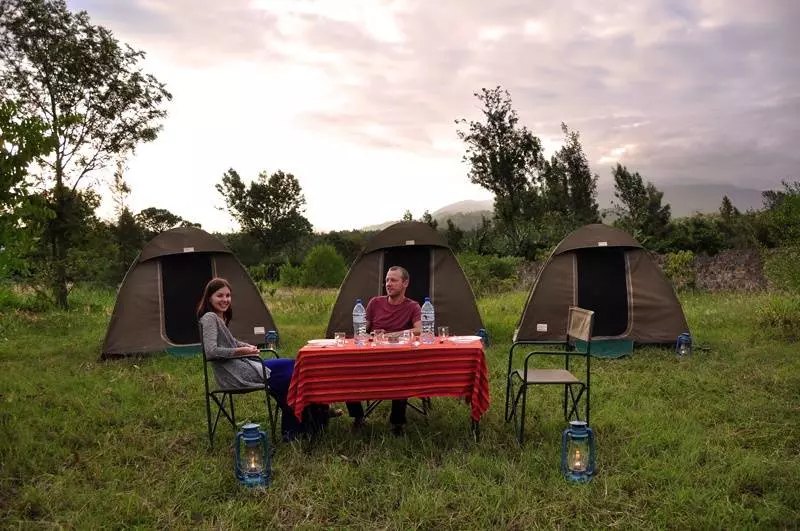
Having a roof-top tent does not permit travelers to camp anywhere they choose.
Use recognized public, private or special campsites. National parks, reserves, conservancies and private properties have different rules and fees.
Public campsites may offer shared toilets, showers and cooking areas. Facilities can be basic, especially in remote parks.
Special campsites provide greater privacy but may have no permanent facilities. Some require advance booking and additional arrangements.
Private campsites at lodges or farms can offer hot showers, electricity, security and meals.
Wild camping outside authorized areas can create safety, legal and environmental risks. It may also bring travelers into conflict with landowners or local communities.
Camping Safely Around Wildlife
A roof-top tent places you above the ground, but it does not protect you from every wildlife risk.
Never leave food, rubbish or cooking equipment outside overnight. Strong smells can attract baboons, hyenas, elephants and other animals.
Cook before dark when possible, particularly in unfenced wildlife areas. Clean the cooking site immediately after eating.
Keep the tent ladder secure and do not leave shoes or loose equipment on the ground.
Avoid walking away from the vehicle after dark. Use campsite escorts when required.
Never camp on animal paths, near water access points or beneath unstable trees.
Elephants, buffaloes and hippos may move through campsites. Remain inside the vehicle or tent and follow instructions from rangers or campsite staff.
A tent roof is not an observation platform. Do not lean outside or attempt to photograph nearby wildlife from an unsafe position.
Best Self-Drive Routes from Nairobi Airport
Nairobi–Lake Naivasha–Lake Nakuru–Maasai Mara
This is one of the best routes for first-time visitors. It combines manageable driving distances, Rift Valley scenery and outstanding wildlife.
Begin with Lake Naivasha for boat trips, birdwatching and nearby Hell’s Gate National Park. Continue to Lake Nakuru for rhinos, giraffes and buffaloes before traveling to the Maasai Mara.
Allow at least seven days. Nine or ten days create a more relaxed itinerary.
Nairobi–Amboseli–Tsavo–Kenyan Coast
This southern route connects Mount Kilimanjaro views, elephant country, Tsavo’s wilderness and the Indian Ocean.
Travel from Nairobi to Amboseli, then continue through Tsavo West and Tsavo East before reaching Mombasa, Watamu or Diani Beach.
A one-way vehicle drop-off near the coast may be possible for an additional fee. Confirm this before booking.
Allow ten to fourteen days for a comfortable journey.
Nairobi–Ol Pejeta–Samburu–Lake Nakuru–Maasai Mara
This northern and central circuit offers exceptional variety. Ol Pejeta provides rhino conservation experiences, while Samburu introduces dry landscapes and northern wildlife species.
Continue south through the Rift Valley before finishing in the Maasai Mara.
This route suits travelers with at least twelve to fourteen days.
Nairobi–Mount Kenya–Aberdares–Naivasha
A shorter central Kenya itinerary can combine mountain scenery, forests and Rift Valley activities.
This circuit works well for travelers interested in hiking, birdwatching and scenic camping rather than focusing entirely on big-game reserves.
Nairobi–Maasai Mara–Serengeti–Ngorongoro
A Kenya and Tanzania self-drive journey requires more preparation. Rental companies must authorize border crossings and provide the correct documentation.
Vehicle entry rules, national park regulations and insurance conditions differ between countries.
Some companies do not permit self-drive vehicles into specific Tanzanian wildlife areas. Confirm every restriction in writing before paying.
Suggested 10-Day Kenya Roof-Top Tent Itinerary
Day 1: Arrival at Nairobi Airport
Meet the rental representative and transfer to your airport hotel or rental office.
Complete the vehicle inspection and equipment inventory. Buy food, drinking water and a local SIM card if time allows.
Spend the night in Nairobi rather than beginning a long drive after your flight.
Day 2: Nairobi to Lake Naivasha
Leave Nairobi after breakfast and travel toward the Great Rift Valley.
Stop at a viewpoint when conditions permit. Continue to your campsite near Lake Naivasha and set up the roof-top tent.
Enjoy an afternoon boat excursion or relax at the campsite.
Day 3: Naivasha and Hell’s Gate
Visit Hell’s Gate National Park for a drive, walk or cycling experience where permitted.
Return to the Naivasha campsite before dark. Prepare dinner and organize the vehicle for the next morning.
Day 4: Lake Naivasha to Lake Nakuru
Drive to Lake Nakuru National Park and enjoy an afternoon game drive.
Search for rhinos, buffaloes, giraffes, zebras and woodland wildlife.
Camp at an authorized site inside or near the park.
Day 5: Lake Nakuru to Maasai Mara
Leave early and travel toward the Maasai Mara. Road conditions can vary, so follow current advice rather than the shortest digital route.
Arrive at your reserved campsite and set up before dark.
Days 6 and 7: Maasai Mara Safari
Spend two full days exploring the reserve or permitted conservancy areas.
Start early and return before gates close. Carry drinking water, food, recovery equipment and offline navigation.
During migration season, follow ranger guidance and avoid overcrowding animals.
Day 8: Maasai Mara to Nairobi Region
Leave the Mara after breakfast and drive toward Nairobi.
Depending on time, camp outside the city or stay at a secure property with established facilities.
Day 9: Nairobi National Park or City Rest Day
Use the day to visit Nairobi National Park or relax after several days of driving.
Inspect the vehicle, clean the camping equipment and organize your luggage.
Day 10: Vehicle Return and Airport Drop-Off
Refuel according to the rental agreement and return the vehicle at the agreed time.
Complete a joint inspection and confirm the process for releasing your security deposit.
Transfer to Jomo Kenyatta International Airport for departure.
Grocery Shopping and Supplies in Nairobi
Nairobi is the best place to purchase food and camping supplies before leaving for remote areas.
Buy nonperishable items such as rice, pasta, canned food, coffee, tea, spices and snacks. Fresh vegetables, meat and dairy products should be stored in a working refrigerator or reliable cooler.
Carry more drinking water than you expect to use. Water is also necessary for cooking and cleaning.
Do not overfill the vehicle. Extra weight affects fuel consumption, handling and interior organization.
Restock in larger towns whenever possible instead of waiting until every item has run out.
Navigation and Communication
Download offline maps before leaving Nairobi. Mobile coverage may be weak inside parks and remote areas.
Carry a charging cable, power bank and vehicle charger. Some rental vehicles include a dual-battery system for running a refrigerator and charging electronics.
A local SIM card helps with calls, mobile data and emergency communication.
Share your itinerary with the rental company or a trusted contact. Notify someone when you change routes or expect to enter an area without coverage.
Do not depend on one phone. A second device or physical road map provides useful backup.
Breakdown and Emergency Support
Ask whether the rental company provides 24-hour telephone assistance. Confirm the geographical limits of roadside support.
After a breakdown, move the vehicle to a safe position if possible. Use hazard lights and warning triangles.
Do not attempt complicated mechanical repairs unless the company authorizes them.
Photograph the situation and provide your GPS coordinates. Clear information helps the support team assess whether you need guidance, a mechanic, towing or a replacement vehicle.
In remote wildlife areas, remain with the vehicle unless a ranger instructs you otherwise.
Cross-Border Rental from Nairobi
Some travelers want to collect a vehicle in Nairobi and continue to Tanzania, Uganda or Rwanda.
This may be possible, but it must be authorized in advance. Do not cross an international border using a standard Kenya-only rental contract.
The rental company may need to provide:
- A vehicle authorization letter
- Original or certified registration documents
- Cross-border insurance
- COMESA Yellow Card insurance
- Temporary import documents
- Contact details for regional support
Border fees and one-way charges may apply. Insurance coverage may change after leaving Kenya.
Confirm whether the vehicle may enter every planned national park. Certain routes or regions may be prohibited by the rental contract.
Kenya Electronic Travel Authorization
Many international visitors need an Electronic Travel Authorization before traveling to Kenya.
The official Kenya eTA platform normally asks applicants for a passport valid for at least six months with one blank page, a recent photograph, contact information, travel details, accommodation confirmation and a payment method.
Travelers should check the official government website because requirements and exemptions depend on nationality and may change. Official Kenya eTA portal
If you plan to cross into another country, verify that country’s separate entry requirements.
Best Time for a Kenya Self-Drive Camping Safari
January and February
These months often bring dry conditions in many safari regions. Road access is generally easier, while wildlife concentrates around permanent water sources.
Daytime temperatures can be warm, but nights in higher areas may remain cool.
March to May
The long rains can make unpaved roads muddy and difficult. Some tracks may become impassable, while river levels can rise quickly.
Experienced drivers with well-equipped vehicles can still travel, but routes must remain flexible.
Campgrounds may be quieter, and landscapes become beautifully green.
June to October
This dry period is popular for Kenya safaris. Roads are often easier to navigate, and wildlife viewing remains productive.
July through October is also associated with migration activity in the Maasai Mara. Campsites and rental vehicles may sell out early.
November and December
Short rains can create muddy roads, but showers may be brief. Green scenery and migratory birds make this an attractive period.
Demand increases around Christmas and New Year.
Roof-Top Tent Camping During Rain
Close all windows and covers before heavy rain arrives. Make sure the rainfly does not touch the inner tent fabric.
Choose level, firm ground rather than a low area where water collects.
Do not park beneath dead branches. Wet soil and strong wind can bring trees or branches down.
Dry the tent as soon as conditions improve. Packing damp canvas for several days can create odors and mildew.
Carry waterproof bags for clothing, electronics and bedding.
Self-Drive or Driver-Guide Rental?
Self-drive rental offers maximum independence and privacy. It suits experienced drivers who enjoy navigation, vehicle management and camping.
A driver-guide removes much of the logistical pressure. The guide handles routes, park procedures and wildlife identification.
Travelers who have never driven in Africa may prefer a driver for the first safari. Some companies allow a combination in which a guide joins for difficult sections.
Families, photographers and travelers with limited time may gain more from a professional guide because less time is spent navigating unfamiliar roads.
Is a Roof-Top Tent Safe?
A properly installed tent used in an authorized campsite can provide a safe camping experience. However, safety depends on human behavior, vehicle condition and campsite rules.
The tent must be securely closed before driving. Check every strap, latch and cover.
Never climb into the tent while the vehicle is parked on a steep slope or unstable ground.
Keep children supervised on the ladder. Do not exceed the tent’s stated weight limit.
Never sleep in a dry riverbed, on an animal path or beside an unfenced water source.
Common Rental Mistakes to Avoid
Do not book a vehicle based only on the cheapest daily price. Poor tires, weak maintenance or limited emergency support can create serious problems.
Avoid driving long distances immediately after an international flight.
Do not accept the vehicle without photographing existing damage and testing the equipment.
Never assume cross-border travel is automatically permitted.
Do not leave campsite reservations until arrival during high season.
Avoid driving in national parks after authorized hours. Park rules exist for safety and conservation.
Finally, do not plan unrealistic distances. A route that appears short on a map may take many hours on rough roads.
Questions to Ask Before Booking
Ask the rental company for the vehicle model, production year, transmission and fuel type.
Request recent photographs of the actual vehicle and tent rather than only advertising images.
Confirm the number and condition of spare tires, insurance excess, mileage policy and emergency procedure.
Ask for the full camping-equipment list and roof-top tent dimensions.
Determine whether airport delivery, taxes, cleaning and additional drivers are included.
For cross-border travel, request written confirmation of permitted countries and supplied documents.
A professional company should answer these questions clearly before requesting payment.
Why Book Roof-Top Tent Car Rental from Nairobi Airport in Advance?
Kenya has a limited number of fully equipped expedition vehicles compared with ordinary rental cars.
Demand increases from June through October and during the Christmas season. Vehicles with two tents and family configurations often sell out first.
Booking early gives you better control over the model, transmission and camping equipment.
It also provides time to plan campsites, park reservations, insurance and cross-border documentation.
Last-minute rentals may still be available, but travelers could receive a different vehicle or pay a higher rate.
Final Thoughts
A roof-top tent car rental from Nairobi Airport provides one of the most flexible ways to explore Kenya. It allows travelers to connect the Rift Valley, national parks, conservancies, mountain regions and Indian Ocean coast in one independent journey.
The freedom of self-drive travel comes with responsibility. You must understand the vehicle, manage fuel, respect wildlife and follow park and campsite regulations.
Choose a reliable 4×4 rather than an ordinary city SUV. Inspect the tires, recovery equipment and camping inventory before leaving Nairobi.
Allow realistic driving times and avoid traveling after dark. Reserve authorized campsites, carry sufficient water and keep your route flexible during the rainy season.
With the right preparation, your rental vehicle becomes much more than transportation. It becomes your bedroom, kitchen, storage area and base for exploring Kenya’s extraordinary landscapes.
Book a Roof-Top Tent Car Rental from Nairobi Airport
Universal Ventures Rwanda organizes customized East African self-drive adventures, 4×4 rentals, camping safaris and cross-border journeys through Kenya, Rwanda, Uganda and Tanzania.
Contact our team to request a vehicle according to your dates, group size, preferred route and roof-top tent requirements.
Email: info@universalventuresrwanda.com
Call or WhatsApp: +250 781 441 853
Address: KK 15 Road, Kigali, Rwanda
Website: Universal Ventures Rwanda