


Kenya is one of Africa’s most exciting destinations for an independent road trip. Its famous national parks, wildlife-rich conservancies, mountain landscapes, Rift Valley lakes and Indian Ocean coastline create almost unlimited possibilities for adventure. Choosing Roof-tent car hire Kenya allows you to experience these destinations with greater freedom while carrying your accommodation, kitchen and essential camping equipment in one vehicle.
A rooftop-tent safari is different from a conventional lodge tour. Instead of following a fixed schedule, you can wake beside a national park, prepare coffee beneath an acacia tree and begin exploring shortly after sunrise. You can spend several nights in the Masai Mara, drive through the open landscapes of Amboseli or camp among the red-earth scenery of Tsavo.
The vehicle becomes an essential part of the journey. It provides transport, storage, shelter and access to remote areas. A properly equipped four-wheel-drive rental may include a rooftop tent, mattress, bedding, refrigerator, stove, cooking utensils, chairs, table, water containers, recovery tools and emergency equipment.
However, a successful Kenya self-drive safari requires more than collecting a vehicle and choosing a road. Travelers must understand driving conditions, camping rules, national park procedures, fuel planning, rental insurance and wildlife safety. Routes that look short on a map may require many hours because of traffic, rough roads or game-viewing stops.
This comprehensive guide explains how to select a 4×4, compare rooftop tents, calculate rental costs, reserve campsites and design a realistic itinerary. It also covers border crossings, family travel, road safety, packing, vehicle inspections and responsible camping.
Whether you are planning a short escape from Nairobi or a multi-country East African expedition, the right preparation will turn your roof-tent rental into a practical and memorable safari experience.
What Is Roof-Tent Car Hire Kenya?
Roof-tent car hire Kenya refers to renting a vehicle fitted with one or more tents mounted on its roof. The tent normally folds into a compact shell or covered platform while driving. At camp, it opens to create an elevated sleeping area reached by a ladder.
Most vehicles used for serious safari travel are four-wheel drives. Common choices include the Toyota Land Cruiser, Toyota Hilux, Land Rover Defender and other capable pickup or sport utility vehicles. Exact models depend on the rental company’s fleet.
A complete camping package usually combines the vehicle with sleeping, cooking and recovery equipment. Instead of booking a room every night, travelers stay at public campsites, private conservancy camps, community sites or commercial campgrounds.
Rooftop tents are popular because they are faster to set up than many ground tents and keep the sleeping platform away from mud, insects and minor surface flooding. The built-in mattress also removes the need to inflate and pack a separate bed every day.
The experience should not be confused with luxury mobile camping. A self-drive rooftop safari requires guests to prepare meals, organize equipment, monitor fuel and take responsibility for the campsite. The comfort level depends on the tent, vehicle, facilities and traveler’s preparation.
Some campsites provide showers, toilets, water and electricity. Others may offer only a designated area and basic sanitation. Special wilderness campsites can be remote and require complete self-sufficiency.
For many travelers, that independence is the main attraction. The reward is a closer relationship with the landscape and the satisfaction of managing a personal African road adventure.
Why Choose Roof-Tent Car Hire Kenya?
A rooftop-tent vehicle combines flexibility with practical accommodation. It allows travelers to move between wildlife reserves, highland regions and the coast without booking a conventional hotel every night.
The freedom is particularly valuable when exploring Kenya’s less-visited areas. Instead of returning to a town after every activity, travelers can stay closer to nature and begin driving early.
Camping can also control accommodation costs. Park entry and fuel remain significant expenses, but public campsites are often less expensive than safari lodges. The savings are greatest for couples or small families who use one vehicle and tent system efficiently.
A roof tent provides a consistent sleeping environment. You use the same mattress and bedding each night, regardless of the campsite. Travelers who enjoy routine may appreciate knowing exactly how their sleeping setup works.
Self-catering creates additional control. Guests can prepare meals according to their budget, dietary preferences and schedule. A simple breakfast before sunrise may be more practical than waiting for a lodge dining room to open.
The journey also encourages exploration between major attractions. Scenic roads, small towns, farms and local markets become part of the experience rather than spaces passed over by air.
Most importantly, a rooftop-tent safari feels personal. You select the route, decide how long to remain at a viewpoint and experience the sounds of the African night from your campsite.
That freedom comes with responsibility. Drivers must respect wildlife, park regulations, local communities and rental conditions. Independent travel works best when flexibility is supported by careful planning.
Is a Kenya Rooftop-Tent Safari Right for You?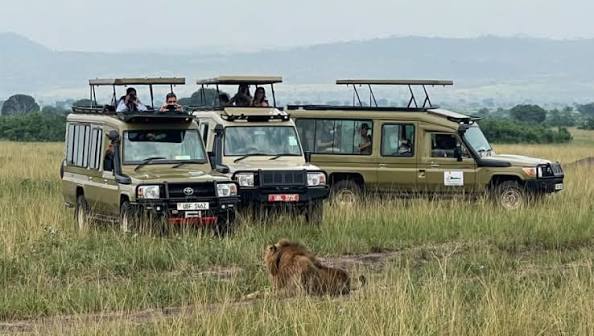
Rooftop camping suits travelers who enjoy independence and are comfortable handling basic outdoor tasks. It is ideal for people who want more flexibility than a guided group tour provides.
You should be willing to set up and close the tent, prepare meals, organize luggage and complete daily vehicle checks. None of these tasks is particularly difficult, but they require consistency.
A self-drive safari also demands patience. Roads may be slower than expected, wildlife can block a track and weather may change the route. Mobile coverage is not reliable everywhere.
Travelers who enjoy camping in Europe, North America or Australia often adapt quickly. However, camping around African wildlife introduces different safety requirements. You cannot walk around freely at every campsite, and food must be stored carefully.
The arrangement may be less suitable for guests who dislike climbing ladders, require frequent nighttime access to a bathroom or expect hotel-style service. Ground tents, lodge stays or a driver-guided camping safari may be better alternatives.
Couples often find a rooftop tent convenient. Families need to examine the number of beds, ladder design, privacy and weight capacity carefully. Two tents may be necessary.
Senior travelers can enjoy rooftop camping if they are comfortable with the ladder. A demonstration before departure is essential. Never assume that every roof tent has the same access system.
The best approach is honest self-assessment. A roof-tent holiday should feel adventurous and comfortable enough to enjoy, not like a daily physical test.
Choosing the Best 4×4 for Roof-Tent Car Hire Kenya
The vehicle is the foundation of a self-drive safari. Selecting it only by daily price can result in limited space, insufficient ground clearance or poor performance on difficult roads.
A strong rental vehicle should match the route, number of travelers, luggage and season. A couple following paved highways and established park tracks has different requirements from a family crossing remote northern Kenya.
Toyota Land Cruiser Roof-Tent Rental
The Toyota Land Cruiser is one of the most respected safari vehicles in East Africa. Its durability, four-wheel-drive capability and established service network make it suitable for national parks and remote routes.
Different Land Cruiser models provide different levels of comfort and space. A shorter vehicle may be easier to handle, while an extended model can carry more luggage and camping equipment.
Diesel engines are common because of their torque and fuel efficiency. However, fuel type and consumption depend on the exact vehicle.
Land Cruisers usually command a higher rental price than smaller four-wheel drives. The extra cost may be worthwhile for routes involving rough tracks, mud, deep ruts or extended travel away from major towns.
Ask about vehicle age, service history and tire condition rather than relying on the model name alone. A poorly maintained Land Cruiser is not automatically safer than a well-maintained alternative.
Toyota Hilux Camping Rental
A Toyota Hilux pickup can provide an excellent platform for rooftop camping. Its cargo area carries water, recovery gear, food and cooking equipment without occupying passenger space.
Double-cab models accommodate up to four or five passengers, but comfort depends on luggage volume and trip length. Four adults with equipment may feel crowded.
A lockable canopy over the pickup bed protects supplies from dust, rain and opportunistic theft. Storage should be organized into secure compartments so that heavy items cannot move on rough roads.
Hilux rentals may carry one rooftop tent above the canopy or two tents in a specially designed setup. Verify the total roof-load rating and installation quality.
Compact 4×4 Vehicles
Smaller four-wheel drives may be suitable for couples traveling during dry conditions on established routes. They often use less fuel and cost less to rent.
However, compact vehicles provide limited storage. Camping equipment, water, food and luggage quickly occupy the available space.
Some smaller models use all-wheel drive rather than a true low-range four-wheel-drive system. This distinction matters on mud, steep tracks, loose sand and difficult campsite access roads.
Before choosing a compact vehicle, send the rental provider your intended route. Written confirmation that the vehicle is permitted and suitable for those areas reduces uncertainty.
Manual Versus Automatic Transmission
Automatic vehicles are comfortable in Nairobi traffic and reduce driver workload on long journeys. They are also helpful for travelers unfamiliar with driving on the left.
Manual vehicles may provide greater control in selected off-road conditions and are sometimes less expensive. However, the driver must be confident using the clutch on steep or uneven terrain.
The best option is the transmission you can operate safely under pressure. An African safari is not the ideal time to learn an unfamiliar driving system.
Choosing a Rooftop Tent
A roof tent should be evaluated as carefully as the vehicle. Design, mattress quality, ventilation and setup time affect every night of the safari.
Soft-Shell Rooftop Tents
Soft-shell tents fold outward and usually open to create a sleeping platform larger than the vehicle roof. They are widely used and can offer generous interior space.
The tent is protected by a travel cover when closed. At camp, the cover is removed, the ladder is extended and the sleeping platform unfolds.
These tents are practical but may take longer to close, especially when bedding must be arranged carefully. Dust can collect around the cover and straps.
Soft-shell tents are often more affordable than hard-shell designs. Their large sleeping area makes them popular with couples.
Hard-Shell Rooftop Tents
A hard-shell tent opens by lifting or expanding a rigid outer case. Setup can be very fast, which is useful during frequent one-night stops.
The hard exterior generally offers strong protection from branches, rain and wind while driving. The aerodynamic profile may also reduce drag compared with a bulky soft cover, although fuel use still increases when carrying roof equipment.
Sleeping width can be more limited than in some folding tents. Taller travelers should check the internal length.
Hard-shell systems usually cost more. Whether the premium is justified depends on trip duration and how often the camp will be moved.
Rooftop Tent Mattress and Bedding
Mattress thickness alone does not determine comfort. Density, support and the condition of the foam matter.
Ask whether bedding is included. A complete package may provide sheets, pillows, blankets or sleeping bags. Other rentals supply only the mattress.
Kenyan highland nights can be cool, particularly around the Aberdares, Mount Kenya, Laikipia and the Rift Valley. A warm sleeping bag or duvet is important.
Ventilation panels reduce condensation. Insects can enter through damaged screens, so inspect every mesh panel and zipper during handover.
One Tent or Two?
One standard rooftop tent normally suits two adults. Some wider models can accommodate a small child, but this should be confirmed rather than assumed.
Families or groups may require a second rooftop tent or an additional ground tent. Two roof tents increase vehicle weight and height, affecting fuel consumption and handling.
Ask the rental provider for the exact sleeping dimensions, weight limit and recommended occupancy. Photographs can make a tent look larger than it is.
What Should a Roof-Tent Rental Include?
A properly equipped safari vehicle should provide more than a tent. The precise inventory varies, so request a written list before booking.
The kitchen setup may include a gas stove, fuel bottle or cylinder, cookware, plates, cups, cutlery, knives, chopping board and washing container. A small refrigerator or powered cooler is highly valuable in warm conditions.
Camping furniture usually includes folding chairs and a table. A shade awning can make midday stops significantly more comfortable.
Water storage is essential. The vehicle should carry sufficient drinking and washing water for the route, with a reserve for delays.
Recovery equipment may include a jack, wheel spanner, spare tire, tow rope, shovel, traction boards and tire-pressure gauge. Remote routes may justify two spare tires.
Safety equipment should include a first-aid kit, fire extinguisher, reflective triangle and high-visibility vest. Check expiry dates and completeness rather than merely confirming the presence of a box.
Electrical equipment may include USB charging points, a secondary battery, solar panel or power inverter. Confirm what devices can be charged safely.
A paper map remains useful even when using digital navigation. Phones can fail, overheat or lose signal.
Before accepting the vehicle, check every item against the inventory. Photograph existing damage and report missing equipment immediately.
Roof-Tent Car Hire Kenya Costs
The price of Roof-tent car hire Kenya varies according to vehicle model, season, trip length, equipment and insurance.
A compact camping 4×4 generally costs less than a fully equipped Land Cruiser. Automatic transmission, two rooftop tents, premium bedding and extensive recovery gear can increase the daily rate.
Peak-season demand is strongest around July, August, September, Christmas and New Year. Vehicles may sell out months in advance.
Long rentals sometimes qualify for reduced daily rates. However, total cost depends on more than the advertised base price.
Fuel is normally paid by the renter. A heavily loaded four-wheel drive with a rooftop tent uses more fuel than an ordinary road car.
Park entrance, vehicle entry and camping fees are separate unless explicitly included. Kenya’s protected areas are managed by different authorities, so payment systems and pricing vary. KWS-managed parks use official government services, while reserves such as the Masai Mara operate under county systems.
Insurance may include an excess or deductible. Additional protection can reduce financial exposure but may still exclude tires, glass, underbody damage, water crossings or negligent use.
Other possible costs include airport delivery, one-way drop-off, extra drivers, satellite communication, child seats, border documentation and late returns.
A transparent quotation should identify taxes, insurance, equipment, mileage policy, deposit and excluded charges. Compare total trip cost instead of choosing the lowest daily rate.
Understanding Rental Insurance
Vehicle insurance is one of the most important parts of the rental agreement. Travelers should understand it before paying a deposit.
Standard coverage may include collision damage and third-party liability, subject to an excess. If the vehicle is damaged, the renter may remain responsible up to the excess amount.
Some agreements exclude particular components. Tires, windscreens, roof equipment, suspension and the vehicle’s underside may not be covered.
Damage caused by driving through water, using prohibited roads, speeding or operating the vehicle while intoxicated is usually excluded.
Single-vehicle incidents can be treated differently from collisions involving another road user. Ask for written clarification.
The rooftop tent and camping equipment may have a separate damage or loss policy. Missing chairs, damaged zippers or lost kitchen equipment can be charged at replacement cost.
A security deposit is commonly held on a credit card or paid before collection. Confirm when it will be released and what documentation is provided if deductions occur.
Travel insurance does not automatically replace rental-vehicle coverage. Some premium credit cards offer collision protection, but four-wheel drives, off-road use and African rentals may be excluded.
Read the complete agreement. If a clause is unclear, ask the provider to explain it in writing.
Unlimited Mileage and Restricted Roads
Many rental companies advertise unlimited mileage, but this does not necessarily mean every road is permitted.
Certain remote regions, border areas, sand tracks or poorly maintained routes may require advance authorization. Some companies prohibit specific roads entirely.
Driving outside permitted areas can invalidate insurance. This is true even when the vehicle is physically capable of completing the route.
Share a detailed itinerary with the provider. If you plan to visit Lake Turkana, northern conservancies or remote sections of Tsavo, obtain written approval.
Mileage policies may also contain a fair-use condition. Check whether there is a daily or total limit and whether unused distance carries over.
GPS trackers are commonly installed in rental vehicles. They can help with recovery and emergency response, but they may also record speeding and unauthorized travel.
Kenya Self-Drive Safari Rules
Kenya drives on the left. Drivers should allow time to adjust, especially when joining traffic, entering roundabouts or turning after a stop.
A valid driving license is required. Depending on nationality and document language, an International Driving Permit may also be advisable or necessary. Confirm current requirements with the rental provider and official authorities.
Seat belts should be worn by all occupants. Mobile phones should not be handled while driving.
Speed limits vary according to the road, vehicle and area. Road signs and local regulations take priority over navigation estimates.
Speed bumps are common and may not always be clearly marked. Reduce speed when approaching towns, schools and villages.
Never drive under the influence of alcohol or drugs. Kenya Wildlife Service also expressly prohibits driving under the influence inside its parks.
National parks enforce gate hours. KWS park information commonly states opening at 6:00 a.m. and closing at 6:00 p.m., although travelers must verify the applicable times for each destination. Kenya Wildlife Service
Night driving should be avoided whenever possible. Unlit vehicles, pedestrians, livestock, wildlife and road damage are harder to detect after dark.
Driving Inside Kenyan National Parks
Park driving requires patience and respect. Wildlife always has priority.
Stay on authorized tracks unless a ranger specifically directs otherwise. Off-road driving damages vegetation, disturbs animals and can lead to fines.
Move slowly near wildlife. Sudden acceleration, engine revving and hooting can cause stress or provoke dangerous behavior.
Do not block an animal’s direction of movement. Elephants in particular need space. If an elephant shows signs of agitation, reverse calmly and increase the distance.
Predator sightings can attract many vehicles. Avoid surrounding the animal, blocking other drivers or pushing into prohibited areas.
Remain inside the vehicle except at designated locations. A peaceful-looking picnic site may still be visited by dangerous animals.
Food should not be offered to wildlife. Feeding animals changes natural behavior and can make them aggressive around future visitors.
Observe gate closing times carefully. Plan enough time to leave the park or reach an authorized campsite without speeding.
Kenya Wildlife Service advises visitors to move quietly, obey entry and exit times and remember that national parks are the animals’ home. Kenya Wildlife Service
Camping in Kenya’s National Parks
Camping inside or near a national park creates an immersive safari experience. However, facilities and rules vary considerably.
Public Campsites
Public campsites are shared with other travelers. They may provide toilets, showers, water and basic cooking areas.
Facilities can be simple, but public sites are usually more affordable and easier to reserve than exclusive camps.
The presence of other campers creates a social atmosphere. It can also provide reassurance for first-time visitors.
Noise should remain low, particularly after dark. Generators, music and bright lights can disturb wildlife and other guests.
Special Campsites
Special campsites provide a more private wilderness setting. They are often located away from large public camping areas.
Facilities may be extremely limited or nonexistent. Campers must bring water, food, shelter, lighting and waste-management supplies.
Some special sites require advance booking, ranger arrangements or minimum charges. Availability can be limited during peak periods.
Privacy increases responsibility. Travelers must understand wildlife safety and emergency procedures.
KWS describes some wilderness camping experiences as requiring visitors to be fully self-sufficient with their own tents, food, cooking equipment and supplies. Kenya Wildlife Service
Private and Community Campsites
Private campsites outside protected areas can provide hot showers, electricity, restaurants and secure parking. They are convenient for resupplying and recovering between remote camps.
Community conservancies may operate campsites that support local employment and wildlife conservation. Rules and facilities differ by location.
A campsite outside the main reserve can reduce accommodation costs, but daily park entry and driving time must be considered.
Wildlife Safety at a Rooftop-Tent Campsite
Sleeping above the ground does not make a campsite completely safe from wildlife. A rooftop tent offers separation from small crawling animals and surface water, but it is not a fortified structure.
Follow instructions from rangers, campsite staff and the rental provider.
Keep food sealed inside the vehicle or in secure storage. Never leave meat, fruit or rubbish exposed overnight.
Do not store strongly scented items carelessly. Baboons, monkeys and other animals can damage tents and vehicles when searching for food.
Avoid walking away from camp after dark. Use designated bathroom facilities and ask about escort procedures where predators or large mammals are active.
Before descending the ladder at night, use a light to check the immediate area. Listen for movement and avoid surprising an animal.
Do not sleep with food inside the tent. Close mesh panels and zippers properly.
Maintain a clean camp. Wash cooking equipment and dispose of wastewater according to site rules.
Never position the vehicle on an animal path, directly beside water or beneath a visibly unstable tree.
If elephants enter the campsite, remain calm and quiet. Do not attempt to drive past them or use lights aggressively.
Wildlife safety depends more on behavior than tent height.
Setting Up a Rooftop Tent
Ask the rental company to provide a complete demonstration. You should personally open and close the tent before departure.
Choose level, firm ground. Check for sharp rocks, deep holes, mud and loose sand.
Look above the vehicle for dead branches. Falling limbs can damage the tent or cause serious injury.
Position the vehicle according to wind direction and morning sun when practical. The tent entrance should not face directly into strong wind.
Apply the parking brake and engage the appropriate gear. Wheel chocks may be useful on sloping ground.
Remove the travel cover, release straps and extend the tent according to its design. Make sure the ladder is locked and placed on stable ground.
Some ladders support part of the sleeping platform. Incorrect placement can damage the tent or create a fall risk.
Keep the area around the ladder clear. Shoes, bags and cooking equipment become hazards in darkness.
Before closing the tent, remove moisture where possible and arrange bedding so that hinges and zippers are not strained.
Never drive with loose straps, an unsecured ladder or an improperly closed cover.
Cooking During a Kenya Camping Safari
Self-catering adds flexibility, but food planning should match the route and storage capacity.
Nairobi, Naivasha, Nanyuki and other major towns have supermarkets where travelers can purchase dry goods, vegetables, meat and water.
Remote villages may have basic ingredients but limited refrigerated products. Stock carefully before entering isolated areas.
Plan simple meals that use one stove and limited cookware. Pasta, rice, eggs, vegetables, canned beans and grilled foods are practical.
A refrigerator improves food safety, particularly for meat and dairy products. Confirm whether it runs from a secondary battery when the engine is switched off.
Do not cook inside the rooftop tent. Open flames, fuel and confined fabric spaces create serious fire and carbon-monoxide risks.
Position the stove on a stable surface away from dry grass. Keep a fire extinguisher accessible.
Store food securely after cooking. Clean cookware and surfaces to remove scents that attract animals.
Use campfires only where expressly permitted. Dry-season fire risk can be severe, and many camps restrict open flames.
Carry enough drinking water for the planned route plus an emergency reserve. Do not depend on every campsite having safe water.
Water, Fuel and Power Planning
A self-drive safari must maintain three essential reserves: drinking water, fuel and electrical power.
Water requirements depend on temperature, group size and campsite facilities. Carry separate containers for drinking and washing when possible.
Refill only from trusted sources. A filter or treatment method provides additional protection, but its capability must match local risks.
Fuel stations are common along major highways and in towns. They become less reliable in remote northern areas and near isolated parks.
Refuel before the tank becomes low. Do not pass a reliable station assuming the next one will be open.
A jerry can may provide an emergency reserve, but fuel must be stored in an approved container mounted safely outside the passenger area.
Confirm whether the vehicle uses diesel or petrol. Filling with the wrong fuel can cause major damage that insurance may not cover.
A dual-battery system allows the refrigerator and lights to operate without draining the starter battery. Ask how the system works and whether a voltage monitor is installed.
Solar panels can support longer remote stays, although output depends on weather and setup.
Carry power banks and charging cables. Keep a manual flashlight accessible rather than relying entirely on phones.
Best Destinations for Roof-Tent Car Hire Kenya
Kenya offers many possible self-drive routes. The most suitable destinations depend on the season, driver experience and rental restrictions.
Roof-Tent Car Hire Kenya for the Masai Mara
The Masai Mara is one of Africa’s most famous wildlife destinations. Its grasslands support lions, leopards, cheetahs, elephants, buffaloes, giraffes and large antelope populations.
From roughly July through October, migratory wildebeest and zebras may enter the Mara from Tanzania. Timing changes each year because movement depends on rainfall and grazing.
The roads from Nairobi to the reserve vary according to the selected gate. Some sections can become corrugated, muddy or slow.
A four-wheel drive is strongly recommended, particularly during rain. Black-cotton soil can become extremely slippery.
Campsites are available inside and around the reserve, but arrangements depend on the specific management area or conservancy.
Masai Mara fees and policies are separate from KWS-managed parks because the reserve falls under county administration. Verify current entry, camping and vehicle charges before travel.
Wildlife sightings can attract many vehicles. Responsible self-drivers should remain on authorized tracks and avoid joining aggressive crowding around predators.
Allow at least three nights if the Mara is the primary destination. This provides two full days for exploration and reduces pressure to rush.
Masai Mara Conservancies
Private and community conservancies border the national reserve. They often limit vehicle numbers and support local landowners through tourism arrangements.
Many conservancies require accommodation at an approved camp. Independent self-driving and public camping may be restricted.
Before including a conservancy, confirm whether your rental vehicle is permitted and whether a guide is compulsory.
Do not assume that paying a Masai Mara fee grants access to neighboring conservancies. Each area has separate policies.
Roof-Tent Car Hire Kenya for Amboseli National Park
Amboseli is famous for elephants and views of Mount Kilimanjaro across the border in Tanzania.
The mountain is often clearest in the early morning before clouds develop. A campsite near the park makes a sunrise start much easier.
Amboseli’s wetlands attract elephants, buffaloes, hippos and birds. Open plains support zebras, wildebeest, gazelles and predators.
Dust can be intense during dry conditions. Keep camera equipment covered and close vehicle windows when following another car closely.
Rain may create muddy sections. Drivers should avoid unnecessary risk and ask rangers about track conditions.
Amboseli works well in a southern Kenya itinerary that includes Tsavo West and Tsavo East. It can also be reached from Nairobi as a shorter safari.
The park’s official information emphasizes adherence to gate hours and general road rules. Check current camping and entry arrangements through KWS before arrival. Kenya Wildlife Service
Roof-Tent Car Hire Kenya for Tsavo East and Tsavo West
Tsavo is divided into eastern and western national parks. Together they create an enormous protected landscape between Nairobi and the coast.
Tsavo East is known for open terrain, the Galana River and elephants colored red by the park’s soil. Long sightlines make some wildlife easier to observe.
Tsavo West has a more varied landscape of volcanic hills, lava flows, woodland and springs. Mzima Springs is one of its best-known attractions.
The parks are vast, so route planning matters. A campsite that appears central on a map may still be several hours from a chosen gate or attraction.
Fuel should be managed carefully. Do not rely on facilities inside remote sections without recent confirmation.
Some tracks become challenging after heavy rain. Ask at the gate about current conditions and avoid crossing flowing water without reliable local advice.
Tsavo fits naturally into a Nairobi-to-Mombasa self-drive itinerary. Travelers can combine wildlife camping with several days on Kenya’s coast.
Lake Nakuru National Park
Lake Nakuru lies within the Rift Valley and is accessible from Nairobi. The park is known for rhinos, giraffes, buffaloes and scenic viewpoints.
Flamingo numbers change according to water levels and food conditions. Travelers should view them as one part of a wider wildlife experience rather than a guaranteed mass spectacle.
The park’s relatively compact size makes it suitable for a one- or two-night visit. It also combines well with Lake Naivasha and the Masai Mara.
Some campsites may be inside or near wildlife areas, requiring strict food and movement precautions.
KWS advises visitors to obey park entry times and general road rules. Confirm current fees and campground availability before departure. Kenya Wildlife Service
Lake Naivasha and Hell’s Gate
Lake Naivasha provides boat trips, birdwatching and access to several private wildlife areas. Hippos inhabit the lake, so swimming and unsupervised shoreline walking are unsafe.
Commercial campsites around Naivasha offer varying levels of comfort. Some include restaurants, showers, electricity and grassy parking areas.
Hell’s Gate National Park is known for cliffs, geothermal landscapes and opportunities to cycle or walk in designated areas. Wildlife includes zebras, giraffes, buffaloes and antelopes.
Visitors must follow current safety instructions because gorge access and geothermal conditions can change.
Hell’s Gate is one of the easier additions to a Nairobi-based self-drive itinerary. It also provides a more active experience between traditional game drives.
Samburu National Reserve
Samburu lies in Kenya’s drier north and protects wildlife associated with semi-arid environments.
Travelers may search for Grevy’s zebras, reticulated giraffes, gerenuks, Beisa oryx and Somali ostriches. Elephants often move along the Ewaso Ng’iro River.
The landscape is striking, with dry hills, riverine woodland and open plains. Temperatures can be high during the day.
Samburu, Buffalo Springs and Shaba are separate protected areas with their own access arrangements. Confirm whether fees cover one reserve or multiple areas.
Camping options exist in the region, but water and shade should be evaluated carefully.
The drive from Nairobi can be combined with Mount Kenya, Nanyuki or Ol Pejeta. Road conditions are generally manageable on main approaches, though park tracks vary.
Ol Pejeta and Laikipia
Ol Pejeta Conservancy is known for rhino conservation and a broad selection of wildlife. It also contains a chimpanzee sanctuary.
Self-drive access, campsite availability and activity rules should be confirmed directly with the conservancy.
The wider Laikipia region includes private ranches, community conservancies and wildlife areas. Each property has different policies.
Some permit self-drive visitors, while others require guided activities or overnight stays at designated accommodation.
Laikipia is attractive for travelers seeking a quieter alternative to the busiest national parks. It combines naturally with Mount Kenya and Samburu.
Meru National Park
Meru offers a less crowded safari experience with rivers, woodland and open grassland. Elephants, buffaloes, giraffes, lions and rhinos may be encountered.
The park’s size and relatively low vehicle numbers create a strong sense of exploration. They also mean drivers must be well prepared.
Carry sufficient fuel, water and food. Ask at the gate about track conditions and recent wildlife movement.
Campsites may be basic, making Meru especially suitable for travelers comfortable with self-sufficient camping.
At least two nights are recommended because access takes time and the park covers a large area.
Nairobi National Park
Nairobi National Park offers wildlife viewing close to Kenya’s capital. Lions, rhinos, giraffes, buffaloes and antelopes may be seen with the city skyline in the distance.
The park works well on the first or final day of a rental, depending on flight and vehicle collection times.
Traffic outside the park can be heavy, so allow generous time when traveling to the airport or accommodation.
KWS states that the park gates operate from 6:00 a.m. to 6:00 p.m. and that general road rules apply. Verify these details and current entry arrangements before visiting. Kenya Wildlife Service
Camping nearby may be more practical than remaining inside the park. Confirm secure overnight parking for a loaded safari vehicle.
Mount Kenya and the Central Highlands
The Mount Kenya region offers hiking, forest scenery, trout-fishing areas and cooler temperatures.
Rooftop campers should prepare for cold nights. A sleeping setup that feels comfortable in Tsavo may be insufficient at higher elevation.
Various campsites, lodges and mountain bases operate around Nanyuki, Naromoru and the park approaches.
Serious mountain routes require guides, permits and suitable equipment. The rooftop vehicle serves as transport and base accommodation rather than a substitute for proper trekking arrangements.
The region combines well with Ol Pejeta, Laikipia and Samburu.
Northern Kenya and Lake Turkana
Northern Kenya offers spectacular landscapes and a profound sense of adventure. Routes may pass Marsabit, Samburu, desert regions and Lake Turkana.
This is not an appropriate first self-drive itinerary for every traveler. Distances are long, fuel can be limited and road conditions change.
Mobile coverage may disappear. Mechanical support can be far away, while flash floods may affect dry riverbeds.
A convoy, local guide or satellite communication device may be appropriate. Two spare tires and advanced recovery equipment are strongly recommended.
Rental permission must be obtained in writing. Some companies prohibit particular northern routes or require an additional support package.
Travelers should also check current security guidance. Conditions near remote borders can change.
Northern Kenya rewards preparation with volcanic landscapes, desert scenery and cultural experiences unlike the classic southern safari circuit.
Kenya Coast Road Trip
A rooftop-tent journey can combine national parks with the Indian Ocean coast.
Tsavo East and Tsavo West lie naturally along the route between Nairobi and Mombasa. From the coast, travelers can continue toward Diani, Watamu or other destinations.
Coastal heat and humidity affect camping comfort. Ventilation is important, and shaded campsites are desirable.
Salt air can affect equipment, while sand requires appropriate tire-pressure and recovery knowledge.
Wild camping on beaches should not be assumed safe or legal. Use recognized campsites or accommodation with secure parking.
Many travelers combine camping in the parks with hotel accommodation at the coast. This provides a comfortable break after dusty road travel.
Suggested 7-Day Kenya Roof-Tent Itinerary
A one-week road trip should focus on a compact route rather than attempting to cover the entire country.
Begin in Nairobi with vehicle collection, inspection and food shopping. Spend the first night near Lake Naivasha or Hell’s Gate.
Continue to Lake Nakuru for rhino viewing and an overnight campsite. Then travel toward the Masai Mara for three nights.
Use two full days to explore the Mara before returning toward Nairobi. A final night near the capital reduces the risk of missing a flight because of traffic or vehicle-return delays.
This route combines Rift Valley scenery with Kenya’s best-known wildlife reserve. It also avoids the long distances required to include Amboseli and Tsavo.
Suggested 10-Day Kenya Self-Drive Safari
A ten-day itinerary can combine Nairobi, Amboseli, Tsavo West, Tsavo East and the coast.
After collecting the vehicle, spend the first night near Nairobi or drive a short distance depending on arrival time.
Continue to Amboseli for two or three nights. Explore the wetlands, search for elephants and photograph Mount Kilimanjaro when visible.
Drive to Tsavo West for volcanic landscapes, wildlife and Mzima Springs. Spend two nights before continuing into Tsavo East.
After two nights in Tsavo East, travel to the coast. End with two nights at an established campground or beach property before returning the vehicle in Mombasa if one-way rental is permitted.
The itinerary can also operate in reverse. One-way fees and vehicle collection logistics must be confirmed.
Suggested 14-Day Kenya Camping Safari
Two weeks provide enough time for a broader circuit.
Begin in Nairobi and travel north toward Mount Kenya or Ol Pejeta. Continue to Samburu for two or three nights.
Return through the Rift Valley, visiting Lake Nakuru and Lake Naivasha. Then continue into the Masai Mara for at least three nights.
The final section can include Amboseli before returning to Nairobi. Alternatively, replace Amboseli with more time in Laikipia or the Mara.
Avoid including every famous destination. Long transfers reduce wildlife-viewing time and increase fuel costs.
A balanced itinerary should include occasional two- or three-night stops. Opening and closing the tent every day becomes tiring.
Roof-Tent Car Hire Kenya for Families
A family rooftop safari can be memorable, but the setup needs careful planning.
Confirm the exact sleeping capacity. A tent advertised for three people may be comfortable for two adults and a young child but too small for three older travelers.
Two rooftop tents provide more space but increase vehicle height and weight. A second ground tent may be easier at some campsites.
Children must be supervised around ladders, cooking equipment and wildlife. They should never leave the tent or vehicle without an adult.
Choose campsites with toilets, showers and secure boundaries for the first nights. Remote bush camps can be added after the family becomes familiar with the routine.
Long driving days should be limited. Include activities such as boat trips, short walks and swimming at safe facilities.
Use proper child restraints appropriate to age and size. Confirm availability before booking because rental supply may be limited.
Pack familiar snacks, medication and entertainment. Dust, heat and travel delays can be harder for children than for adults.
Roof-Tent Car Hire Kenya for Couples
Couples are ideally suited to many rooftop-tent systems. One vehicle and tent provide enough sleeping space without excessive equipment.
Responsibilities should be divided. One person can manage the tent while the other prepares the kitchen or checks the campsite.
Both travelers should understand the vehicle, even if only one plans to drive. In an emergency, the second person may need to operate it.
A private rooftop safari provides flexibility for photography, birding and quiet camps. It also suits adventurous honeymooners.
Couples should keep passports, cash and emergency contacts accessible to both people rather than storing everything with one person.
Driving From Kenya Into Uganda, Rwanda or Tanzania
Cross-border road trips are possible only when the rental company provides written authorization and the correct vehicle documents.
The company may need to issue a permission letter, provide certified registration documents and arrange regional insurance.
Additional fees often apply. Some vehicles are permitted in Uganda and Rwanda but not Tanzania, or vice versa.
One-way international drop-offs are uncommon and can be expensive. Most rental companies require the vehicle to return to Kenya.
Border opening hours and immigration procedures should be confirmed before travel. Do not arrive near closing time.
Travelers must meet the entry requirements of every country. Kenya’s official eTA system states that foreign visitors, except exempt categories such as citizens of East African Community member states, must submit the required travel information before departure. Kenya eTA
Current eTA documentation may include a passport, photograph, contact details, itinerary, accommodation confirmation and payment method. Requirements should always be checked on the official portal. Kenya eTA application guidance
A cross-border itinerary must allow time for customs and vehicle processing. Ask the rental provider whether any taxes, road permits or temporary import procedures apply.
Navigation and Communication
Offline navigation is essential. Download maps before leaving Nairobi and carry a charging cable and power bank.
Digital maps can contain outdated tracks. A route shown as a road may be private, damaged or impassable.
Use park maps, gate advice and local information. Rangers often know which tracks have become muddy or closed.
A paper map provides valuable backup. Mark planned fuel stops, campsites and exit gates.
Share the itinerary with the rental company and a trusted contact. Provide updates after remote sections when possible.
A local SIM card improves communication, but coverage cannot be guaranteed in parks.
Satellite messengers or phones may be appropriate for northern Kenya and other isolated routes. Understand how to activate emergency services before departure.
Store emergency numbers offline. Include the rental company, insurer, police, medical assistance and campsite contacts.
Vehicle Handover Checklist
A detailed handover reduces the likelihood of problems later.
Inspect the body, roof, windscreen and underside. Photograph every scratch, dent and damaged component.
Check tire tread, pressure and sidewalls. Confirm that the spare tire is inflated and accessible.
Start the engine and watch for warning lights. Test brakes, headlights, indicators, wipers, horn, air conditioning and charging points.
Engage four-wheel drive and low range during the demonstration. Make sure you understand differential locks if fitted.
Open and close the rooftop tent yourself. Test the ladder, mattress, zippers, windows and travel cover.
Run the refrigerator and confirm the secondary battery system. Light the stove safely and inspect the gas connection.
Count chairs, cookware, cutlery, bedding and water containers against the inventory.
Locate the jack, tools, towing points and fire extinguisher. Ask how to change a tire on the specific vehicle.
Confirm fuel type, tank capacity, tire-pressure recommendations and service intervals.
Do not rush the handover because you want to leave Nairobi. One careful hour can prevent several difficult days.
What to Do if the Vehicle Breaks Down
Move to a safe location if possible. Switch on hazard lights and place warning triangles where other drivers can see them.
Contact the rental provider before authorizing repairs. The company may have a preferred workshop or send assistance.
Provide your location, photographs and a clear description of the problem. GPS coordinates are useful in remote areas.
Do not continue driving when the engine overheats, oil pressure disappears or a serious warning light appears. Continuing may turn a minor fault into major damage.
For a puncture, move away from traffic and wildlife before changing the wheel. Inside a national park, contact rangers if the location is unsafe.
Keep water, food and warm clothing accessible while waiting. Assistance may take several hours outside major towns.
Never abandon the vehicle without informing the rental provider and authorities.
Mud, Sand and Water Crossings
Four-wheel drive improves capability but does not eliminate risk.
In mud, maintain gentle momentum and avoid aggressive steering. Spinning wheels dig the vehicle deeper.
Lower tire pressure can improve traction in sand, but pressures must be restored before high-speed road travel. Use a reliable gauge and compressor.
Do not enter a water crossing simply because another vehicle completed it. Water depth, current and the riverbed may have changed.
Walk a crossing only when it is safe from wildlife and fast-moving water. In many safari environments, this is not advisable.
If uncertain, turn around or wait for reliable local guidance. A delayed itinerary is better than a flooded engine.
Recovery points must be rated and clearly identified. Attaching a tow strap to an unsuitable component can cause injury or serious damage.
Stand clear of tensioned straps during recovery.
Responsible Rooftop Camping
Independent travelers have a duty to leave campsites and wildlife areas in good condition.
Carry out all non-biodegradable waste. Do not burn plastic, glass or metal.
Use designated toilets. Where wilderness procedures are permitted, follow local instructions for human waste and maintain distance from water sources.
Avoid washing dishes directly in rivers and lakes. Use a container and dispose of wastewater responsibly.
Keep noise low. Wildlife and other campers should not be disturbed by music or generators.
Do not collect firewood unless explicitly permitted. Fallen wood provides habitat and nutrients.
Camp only in authorized locations. Unplanned roadside camping can create security, land-access and environmental problems.
Purchase supplies and services from local businesses when practical. Community campsites can direct tourism revenue toward residents and conservation.
Common Roof-Tent Rental Mistakes
The first common mistake is choosing a vehicle that is too small. Camping equipment occupies more space than expected, especially when carrying water and food.
Another mistake is creating an unrealistic itinerary. Driving every day leaves little time for wildlife and makes camp setup feel like a burden.
Travelers also underestimate park fees. Camping may be economical, but daily conservation charges remain significant.
Poor fuel planning causes avoidable stress. Fill the tank early and confirm remote availability.
Some renters fail to inspect the tent. Missing poles, broken zippers or a damaged ladder become serious problems at the first campsite.
Overconfidence in four-wheel drive can lead to vehicles becoming stuck. The safest decision is often to avoid a questionable track.
Many campers bring too much food but not enough water. Both require deliberate planning.
Finally, travelers sometimes arrive at a park without a confirmed campsite. Peak-season space can be limited, and special camps require advance arrangements.
Best Time for a Kenya Rooftop-Tent Safari
Kenya can be explored throughout the year, but weather strongly affects self-driving and camping.
The long dry season from approximately June through October is popular for wildlife viewing. Roads are often easier, and animals may concentrate near water.
July through October is associated with the Great Migration in the Masai Mara, though exact timing varies. Demand and prices are high.
January and February are generally warm and relatively dry in many regions. These months can provide excellent travel conditions.
The long rains often occur from March through May. Heavy rain can turn black-cotton soil into deep mud and make some tracks difficult.
Short rains may occur around October through December, though seasonal patterns vary.
Rain brings green landscapes, fewer visitors and strong birding. Experienced self-drivers with capable vehicles may enjoy these conditions, but route flexibility is essential.
Coastal areas remain warm and humid, while highland nights can be cold throughout the year.
Packing for Roof-Tent Car Hire Kenya
Clothing should cover warm days, cool nights and sudden rain. Lightweight layers are more useful than heavy single-purpose garments.
Bring neutral safari clothing, a warm fleece, waterproof jacket, sun hat and comfortable closed shoes.
Personal camping items may include a headlamp, reusable bottle, small towel, sleeping-bag liner and earplugs.
Pack sunscreen, insect repellent and personal medication. A professionally prepared medical kit is advisable for remote routes.
Binoculars improve wildlife viewing. Cameras need spare batteries, memory cards and dust protection.
A compact pair of gloves is useful when handling recovery equipment or firewood where permitted.
Dry bags protect passports and electronics from dust and rain.
Do not carry prohibited plastic items into protected areas. Kenya’s parks emphasize plastic-free travel, and visitors should follow current environmental regulations.
Frequently Asked Questions About Roof-Tent Car Hire Kenya
Is roof-tent car hire safe in Kenya?
It can be safe when travelers use a reliable vehicle, recognized campsites and sensible routes. Drivers must follow park rules, avoid night travel and maintain distance from wildlife.
Safety depends on preparation and behavior. A roof tent does not replace good judgment.
Do I need a 4×4 in Kenya?
A four-wheel drive is recommended for national parks, conservancies and remote campsites. Some paved routes can be completed in an ordinary car, but conditions change during rain.
A proper 4×4 provides ground clearance, traction and stronger recovery options.
Can I drive in Kenya with a foreign license?
Requirements depend on the license and length of stay. An International Driving Permit may be required or advisable.
Confirm current rules with the rental provider and official Kenyan authorities before travel.
Is unlimited mileage included?
Some rental companies provide unlimited mileage, while others impose daily or total limits.
Unlimited mileage does not automatically authorize travel on every road. Restricted areas must still be respected.
How many people fit in a rooftop tent?
Most standard rooftop tents comfortably sleep two adults. Wider tents may accommodate a child.
Ask for exact interior dimensions and weight limits before booking.
Can children sleep in a rooftop tent?
Yes, when the tent capacity and ladder arrangement are suitable. Children require close supervision.
Families may prefer two tents or a combination of rooftop and ground accommodation.
Does the rental include bedding?
Some packages include sheets, pillows, blankets or sleeping bags. Others provide only a mattress.
Request a detailed equipment list.
Are campsites fenced?
Some commercial campsites are fenced, while many wilderness sites are not.
Always ask about local wildlife and nighttime movement procedures.
Can animals climb into a rooftop tent?
A correctly closed rooftop tent provides useful separation from the ground, but it should never be considered wildlife-proof.
Food must not be stored in the tent, and campsite rules remain essential.
Can I camp anywhere in Kenya?
No. Camp only on authorized land or with the owner’s clear permission.
Wild camping can create legal, environmental and security problems.
Do I need to book campsites?
Advance booking is strongly recommended for national parks, special campsites and peak-season travel.
Commercial campsites may accept arrivals without reservations, but availability is not guaranteed.
How much water should I carry?
The correct quantity depends on temperature, group size and distance between reliable sources.
Carry enough for drinking, cooking and emergencies. Ask the rental provider for route-specific advice.
Is fuel easy to find?
Fuel is widely available on major roads and in towns. Remote northern routes require careful planning.
Refuel before entering parks or isolated areas.
Can I drive at night?
Night driving should be avoided. Roads may contain pedestrians, livestock, wildlife, unlit vehicles and unexpected damage.
National parks also enforce gate and driving hours.
Can I take the vehicle across borders?
Only with written authorization and the correct documents and insurance.
International one-way rental is rarely included automatically.
What happens if I damage the rooftop tent?
Report the damage immediately. Charges depend on the rental agreement and insurance.
Tent damage may have different coverage from vehicle collision damage.
Is a rooftop safari cheaper than staying in lodges?
It can reduce accommodation and meal costs, especially for couples and longer trips.
Park fees, fuel, insurance and vehicle rental remain substantial, so compare the total cost.
Can I hire a driver with the camping vehicle?
Many companies can provide a driver-guide with a roof-tent vehicle.
This option combines camping freedom with local knowledge and reduces driving pressure.
Is a guided safari better than self-driving?
Neither is universally better. Self-driving provides independence, while a guided safari adds wildlife knowledge and logistical support.
First-time African drivers may prefer a guide for difficult or remote routes.
How early should I reserve the vehicle?
Book several months ahead for July through October and the Christmas period.
Vehicles with automatic transmission or two roof tents can sell out particularly early.
How to Book Roof-Tent Car Hire Kenya
Begin by defining your route, travel dates and group size. The rental company needs this information to recommend the correct vehicle.
Request a written quotation showing the vehicle model or category, tent type, equipment, insurance, deposit, mileage and taxes.
Ask whether the vehicle is authorized for every intended destination. Obtain written permission for remote roads and borders.
Review the cancellation policy. Vehicle rentals often require a non-refundable deposit during peak season.
Provide flight details if airport delivery is requested. Allow sufficient time for handover before driving away.
Reserve campsites separately unless the rental company offers a complete booking service.
Send identification and driving-license documents through the company’s secure process. Do not share sensitive information through unverified messaging accounts.
Before payment, confirm the company’s physical location, emergency support and replacement-vehicle policy.
Why Book a Kenya Camping Safari Through Universal Ventures Rwanda?
Universal Ventures Rwanda organizes customized East African road trips and safari itineraries across Rwanda, Uganda and neighboring destinations.
We can help travelers plan a Kenya camping route, choose a suitable four-wheel-drive vehicle and coordinate safari logistics according to the intended season and destinations.
A complete arrangement may include a rooftop-tent vehicle, camping equipment, airport transfers, park planning, cross-border documentation and a professional driver-guide when requested.
Travelers combining Kenya with Uganda or Rwanda can receive one coordinated itinerary. This may include Kenya’s savannah parks, Uganda’s mountain gorillas and Rwanda’s Volcanoes National Park, Lake Kivu or Akagera National Park.
Routes can be prepared for couples, families, photographers, small groups and long-distance overland travelers. Accommodation nights can also be mixed with camping to provide rest and access to laundry or other services.
Final Thoughts on Roof-Tent Car Hire Kenya
A rooftop-tent safari is one of the most flexible ways to explore Kenya. It combines transport, accommodation and outdoor living in a single well-equipped vehicle.
The experience makes it possible to wake near wildlife areas, cook meals beneath open skies and travel between very different landscapes at your own pace.
Success depends on choosing the correct vehicle, understanding insurance, reserving legal campsites and designing a realistic route. A capable four-wheel drive cannot compensate for careless driving or poor preparation.
The Masai Mara offers famous predators and seasonal migration activity. Amboseli combines elephants with views of Kilimanjaro. Tsavo creates a vast wilderness journey between Nairobi and the coast. Samburu, Meru and Laikipia introduce drier northern landscapes and distinctive wildlife.
Lake Nakuru, Lake Naivasha and Hell’s Gate work well on a Rift Valley route. More experienced travelers can consider Lake Turkana and remote northern Kenya after confirming security, road conditions and rental permission.
A roof tent provides freedom, but that freedom should be exercised responsibly. Camp only in approved areas, protect wildlife, control waste and respect local communities.
For many travelers, the greatest reward is not simply saving money on accommodation. It is the feeling of becoming part of the journey. Every morning requires a decision, every road reveals a new landscape and every campsite becomes a temporary home.
With a reliable vehicle, suitable equipment and thoughtful preparation, Roof-tent car hire Kenya can deliver one of East Africa’s most memorable self-drive adventures.
Contact Universal Ventures Rwanda
Universal Ventures Rwanda
Telephone and WhatsApp: +250 781 441 853
Email: info@universalventuresrwanda.com
Address: Kigali, Rwanda
Website: www.universalventuresrwanda.com
