


Choosing the best roof-tent car hire company in Kenya can determine whether your self-drive safari becomes an unforgettable adventure or a stressful journey filled with mechanical and logistical problems.
Kenya is one of Africa’s most exciting road-trip destinations. Travelers can drive through the Great Rift Valley, camp near the Maasai Mara, watch elephants below Mount Kilimanjaro in Amboseli and continue across Tsavo toward the Indian Ocean coast.
However, Kenya’s safari routes include paved highways, gravel roads, deep corrugations, mud, sand and remote tracks. Therefore, vehicle reliability matters as much as rental price. A strong 4×4, quality tires and dependable emergency support provide far more value than an attractive tent attached to a poorly maintained vehicle.
The best rental companies supply a complete travel system rather than only a car. That system should include a reliable 4×4, secure roof tent, appropriate camping equipment, transparent insurance, route guidance and responsive roadside assistance.
This comprehensive guide explains how to identify a professional roof-tent rental company, compare vehicles and understand rental costs. It also covers camping equipment, insurance, airport collection, one-way hire and cross-border travel through East Africa.
Why Choose a Roof-Tent Car for a Kenya Safari?
A roof-tent vehicle combines transport and accommodation, giving travelers greater flexibility than a traditional lodge-based safari.
You can move between campsites without packing a separate ground tent into the vehicle every morning. Most roof tents contain a built-in mattress, screened windows, ventilation panels and a ladder.
The elevated sleeping platform keeps you away from damp or uneven ground. It also reduces contact with crawling insects and small animals. Nevertheless, travelers must still camp in authorized locations and follow wildlife-safety rules.
A self-drive camping safari allows you to control your itinerary. You can spend additional time at Lake Naivasha, extend your stay in Samburu or adjust the route according to current road conditions.
Roof-tent travel may also reduce accommodation costs. However, travelers must budget for campsites, park entrance fees, fuel, food, insurance and optional equipment.
What Defines the Best Roof-Tent Car Hire Company in Kenya?
The best company is not necessarily the one with the lowest advertised price. Several practical standards separate a professional rental provider from an unreliable one.
Reliable and Well-Maintained Vehicles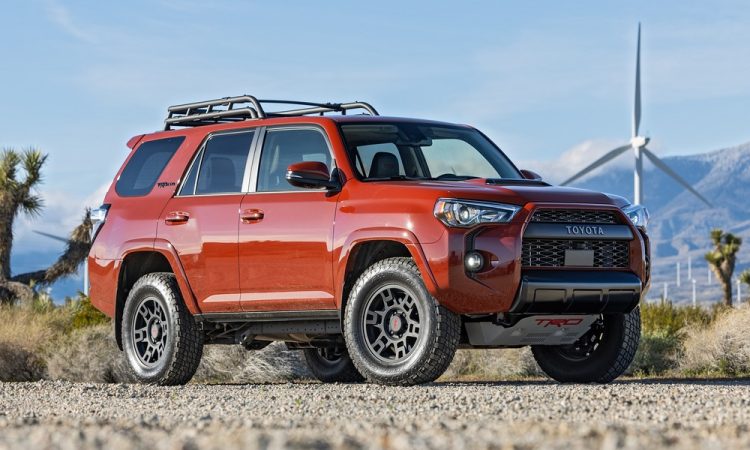
Vehicle condition should be the first consideration. Kenya’s national parks and rural regions can place considerable pressure on tires, suspension, brakes and cooling systems.
A professional company follows a documented maintenance schedule and inspects every vehicle before rental.
Ask when the vehicle last received mechanical service. Request information about tire age, tread depth, spare tires and previous major repairs.
The company should supply at least one full-size spare tire. Two spare tires provide greater security on remote routes such as northern Kenya.
Check that the jack, wheel spanner, warning triangle and basic toolkit are present. A roof tent is of little value when a simple tire problem leaves you stranded without the correct equipment.
High-Quality Roof Tents
A good roof tent should open and close smoothly. Its frame, ladder, hinges, canvas, mosquito screens and waterproof cover must remain in excellent condition.
The mattress should be clean, dry and thick enough for several nights of comfortable sleep.
Ask for the internal dimensions rather than depending on labels such as “double” or “family.” Tent capacity differs between manufacturers.
A family traveling with children may need one larger tent, while four adults will usually appreciate two separate tents.
Complete Camping Equipment
The best roof-tent car hire company in Kenya provides a clear camping-equipment inventory before booking.
Equipment may include a refrigerator, gas stove, cookware, utensils, water containers, chairs, table, bedding and lighting.
Current Kenyan rental providers commonly advertise packages containing roof tents, mattresses and full camping equipment. Some specialized vehicles also include water systems, shower facilities, dual-battery setups and fridge-freezer combinations. Intu Africa 4×4
Confirm exactly what your quotation includes. The phrase “full camping gear” has no universal definition.
Transparent Rental Prices
A professional company explains the complete cost before requesting payment.
The quotation should specify the daily vehicle rate, camping-equipment charge, insurance, taxes, airport delivery, extra drivers, one-way fees and cross-border documents.
Be cautious when the final price is much higher than the rate advertised on the website.
Mileage policy also affects the total. Some companies include unlimited kilometers, while others charge for distances above a daily allowance.
Clear Insurance Conditions
The company should provide a written explanation of insurance coverage and exclusions.
Ask whether the vehicle carries comprehensive or third-party insurance. Determine the excess or deductible that you must pay after an accident.
Insurance may exclude tires, windscreen, roof, tent, underbody and water damage. It may also exclude prohibited roads, unauthorized drivers and cross-border use without permission.
Never rely on verbal promises. Every important insurance condition should appear in the rental agreement.
Dependable Roadside Assistance
Mechanical problems can occur even with well-maintained vehicles. What matters is how quickly and professionally the company responds.
The provider should offer a working emergency number and clear instructions for reporting a breakdown.
Ask whether support operates 24 hours a day and whether it covers every region on your planned itinerary.
Determine who pays for towing or recovery from remote areas. Confirm whether the company supplies a replacement vehicle after a serious mechanical failure.
Some competitors advertise unlimited mileage and 24-hour roadside assistance as part of their rental packages, illustrating the service level travelers should request. Drive East Africa
Professional Vehicle Handover
The vehicle handover should include more than signing a contract and receiving the keys.
Staff should explain the four-wheel-drive controls, spare-wheel system, jack, refrigerator, dual battery, stove and roof tent.
They should demonstrate how to open, secure and close the tent. You should then repeat the process while the representative watches.
The company should record existing vehicle damage and provide a signed equipment inventory.
Route-Planning Support
Local advice can prevent difficult and expensive mistakes.
The rental team should explain seasonal road conditions, realistic driving times, fuel stops and campsites. It should warn travelers about prohibited or unsuitable routes.
However, rental-company guidance does not replace official park information. Conditions can change after rain, flooding, roadwork or wildlife movement.
Recent and Independent Reviews
Read recent reviews across more than one platform. Look for comments about vehicle maintenance, customer service, emergency support and security-deposit refunds.
A perfect rating based on a few old reviews provides limited evidence. Recent detailed reviews offer more useful information.
Give particular attention to how the company responds to criticism. Mechanical problems happen, but poor communication and unfair charges reveal deeper service issues.
Best Vehicles for Roof-Tent Car Hire in Kenya
The correct vehicle depends on your route, group size, driving experience and budget.
Toyota Land Cruiser Prado
The Land Cruiser Prado combines comfort with dependable four-wheel-drive capability. It suits couples and solo travelers following established safari routes.
Automatic transmission makes it easier for drivers unfamiliar with manual gearboxes. Air conditioning and comfortable seats help during long transfers.
Interior storage can become limited after loading camping gear, food, water and luggage. A Prado is most comfortable for two travelers using one roof tent.
Toyota Land Cruiser LX or GX
The LX and GX provide greater space and stronger expedition capability. Depending on the configuration, they can carry one family tent or two double tents.
These vehicles work well for longer Kenya trips and authorized cross-border travel.
Ask whether the model uses petrol or diesel. Fuel consumption and availability can affect your budget and route.
Toyota Land Cruiser 70 Series
The Land Cruiser 70 Series is a classic African expedition vehicle. Its durable construction, high clearance and strong off-road performance make it suitable for remote journeys.
Hardtop and Troop Carrier versions provide generous storage. Double-cab versions balance passenger comfort with separate equipment space.
Many 70 Series vehicles use manual transmission. Drivers should be comfortable operating a manual 4×4 before booking.
Land Cruiser V8
The V8 offers power, comfortable seating and excellent long-distance performance.
It works well for couples, families and travelers who want greater comfort. However, fuel consumption may be higher than that of smaller diesel vehicles.
Toyota Hilux Double Cab
A Hilux provides a separate rear canopy for luggage and camping equipment. This improves organization and keeps the passenger cabin less crowded.
The Hilux handles mixed road conditions well. Check rear-seat comfort if four adults will travel together.
Safari Land Cruiser with Pop-Up Roof
A safari-converted Land Cruiser provides better wildlife viewing because passengers can stand beneath the raised roof inside parks.
However, not every pop-up safari vehicle can safely carry sleeping tents at the same time. Confirm the exact configuration.
A conventional expedition vehicle with roof tents may have standard side windows instead of a game-viewing roof.
Single, Double or Family Roof Tent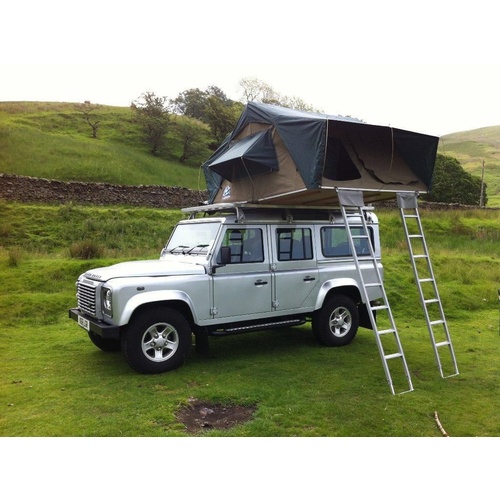
A single roof tent generally sleeps two adults. It works well for couples or solo travelers who want additional sleeping space.
Double-tent configurations use two separate tents and usually accommodate four people. They provide better privacy for friends, two couples or families with older children.
A family roof tent may sleep two adults and one or two children. Request the exact sleeping dimensions because larger capacity does not always mean comfortable space for four adults.
Consider the ladder placement. Two tents require enough room for both ladders without blocking doors or equipment compartments.
Tent weight also affects vehicle handling. A professional rental company uses an appropriate roof rack and respects the vehicle’s roof-load limits.
What Camping Equipment Should Be Included?
A properly equipped rental should help travelers sleep, cook, eat and manage water independently.
Sleeping Equipment
The package may include:
- Roof tent with built-in mattress
- Mattress protector
- Sheets
- Pillows
- Blankets or sleeping bags
- Mosquito screens
- Tent ladder
- Rain cover
Check bedding cleanliness during the handover. Bring a personal sleeping liner if you prefer.
Cooking Equipment
A complete kitchen kit may contain:
- Gas stove
- Gas cylinder
- Pots and frying pan
- Plates and bowls
- Cups and glasses
- Cutlery
- Cooking utensils
- Sharp knife
- Cutting board
- Bottle opener
- Washing basin
- Dishcloth and sponge
Ask whether the stove fuel is full at pickup and whether replacement cylinders are readily available.
Food and Water Storage
A refrigerator provides greater convenience than a basic cooler. It helps preserve meat, dairy products and vegetables during long journeys.
The vehicle needs a reliable secondary battery to run the refrigerator without draining the starter battery.
Water containers should be clean, secure and easy to refill. A separate container for drinking water reduces contamination risk.
Campsite Furniture
At minimum, the company should provide one strong chair per traveler and a stable table.
Inspect chair fabric, hinges and table legs before leaving. Damaged furniture is difficult to replace in remote areas.
Vehicle and Recovery Equipment
Important items include:
- Full-size spare tire
- Jack and wheel spanner
- Tire compressor
- Tire-pressure gauge
- Recovery strap
- Jumper cables
- Warning triangle
- Fire extinguisher
- First-aid kit
- Basic tools
- Torch or headlamp
- Reflective vest
Some demanding routes may require traction boards, a shovel or winch. These items do not replace safe driving judgment.
Roof-Tent Car Hire Prices in Kenya
Rental prices depend on vehicle model, travel season, rental duration, tent configuration and equipment.
A basic equipped 4×4 may start from approximately USD 100–160 per day. Larger Land Cruisers with one or two roof tents may range from about USD 160–250 or more per day.
These figures are broad estimates rather than confirmed prices. Some current market listings advertise certain equipped Land Cruiser models from around USD 140 per day, but dates and inclusions affect the final amount.
Luxury expedition vehicles with a shower system, large refrigerator, dual batteries and advanced storage may cost more.
Long-term bookings often receive lower daily rates. Peak-season rentals between June and October can carry higher prices or stricter minimum rental periods.
Costs That May Not Appear in the Daily Rate
The quoted price may exclude:
- Airport delivery
- Airport parking
- Additional driver
- Roof tent
- Bedding
- Refrigerator
- Camping equipment
- Comprehensive insurance
- Insurance excess reduction
- Cross-border documentation
- One-way drop-off
- Extra mileage
- Late return
- Final cleaning
- Gas-cylinder refill
- Tire or windscreen cover
Request an itemized quotation before comparing companies.
A USD 120 vehicle with many additional charges may cost more than a USD 160 package that includes camping equipment, insurance and unlimited mileage.
Security Deposit
Most companies require a security deposit before releasing the vehicle.
The amount depends on the vehicle and insurance excess. Payment may be blocked on a credit card or collected through another approved method.
Ask how long the company takes to release or refund the deposit after vehicle return.
Complete a joint return inspection and obtain written confirmation when the vehicle has been accepted without new damage.
Insurance and Rental Agreement
Read the complete agreement before paying the final balance.
The contract should identify the vehicle, authorized drivers, rental dates, permitted countries and mileage policy.
It should also explain accident reporting, repair authorization, breakdown assistance and prohibited roads.
Common exclusions may include:
- Damage caused by speeding
- Driving under the influence
- Unauthorized off-road use
- Water crossings
- Underbody damage
- Roof and tent damage
- Incorrect fuel
- Tire damage
- Lost keys
- Negligence
- Driving after dark in restricted areas
Ask whether the insurance covers theft of personal belongings. In many cases, it does not.
Purchase separate travel insurance for medical treatment, evacuation, trip interruption and luggage.
Vehicle Inspection Checklist
Inspect the rental car in daylight whenever possible.
Walk around the vehicle and photograph every side. Record scratches, dents, cracked lights and windscreen chips.
Check all tires, including the spare. Tires should have adequate tread and no visible sidewall damage.
Test the headlights, indicators, brake lights, horn, air conditioning and windscreen wipers.
Start the engine and look for warning lights. Test the brakes and steering during a short drive.
Open and close every roof tent. Inspect the ladder, mattress, mosquito screens, zippers, hinges and waterproof cover.
Test the refrigerator, power sockets and camping lights.
Count all equipment and compare it with the signed inventory.
Nairobi Airport Delivery and Collection
Many travelers prefer to receive the vehicle at Jomo Kenyatta International Airport.
The rental representative may meet you at arrivals and conduct the handover in a designated parking area. Some companies transfer guests to an office near the airport.
Ask whether airport delivery is included or charged separately.
A thorough vehicle demonstration can take one or two hours. Late-night arrivals are therefore better followed by a hotel stay and daylight handover the next morning.
Avoid beginning a long drive immediately after an overnight international flight. Fatigue and unfamiliar traffic create unnecessary risks.
Self-Drive or Driver-Guide Rental
The best roof-tent car hire company in Kenya should offer a solution that matches your driving confidence.
Self-Drive Rental
Self-drive rental provides privacy and complete itinerary control. It suits travelers with off-road experience and sufficient time.
The driver must manage navigation, park procedures, fuel, campsite setup and mechanical issues.
Rental with a Driver-Guide
A professional driver-guide handles difficult roads and helps locate wildlife. The guide also understands park rules, realistic driving times and appropriate fuel stops.
This arrangement works well for first-time Africa visitors, families and photographers.
The driver’s daily fee, accommodation, meals and park costs should appear clearly in the quotation.
Partly Guided Rental
Some travelers hire a guide for the first section and continue independently afterward.
Another option involves meeting local guides at destinations such as the Maasai Mara or Samburu.
This combination provides support where it matters most while preserving some independence.
Where to Travel with a Roof-Tent Vehicle
Maasai Mara National Reserve
The Maasai Mara offers lions, cheetahs, elephants, buffaloes and the seasonal wildebeest migration.
Road conditions can become difficult after heavy rain. Use a genuine 4×4 and follow gate, campsite and driving-hour regulations.
Reserve campsites early during migration season.
Amboseli National Park
Amboseli is famous for elephants and views of Mount Kilimanjaro.
The park includes dusty plains, wetlands and seasonal muddy sections. Early morning often provides the clearest mountain views.
Lake Naivasha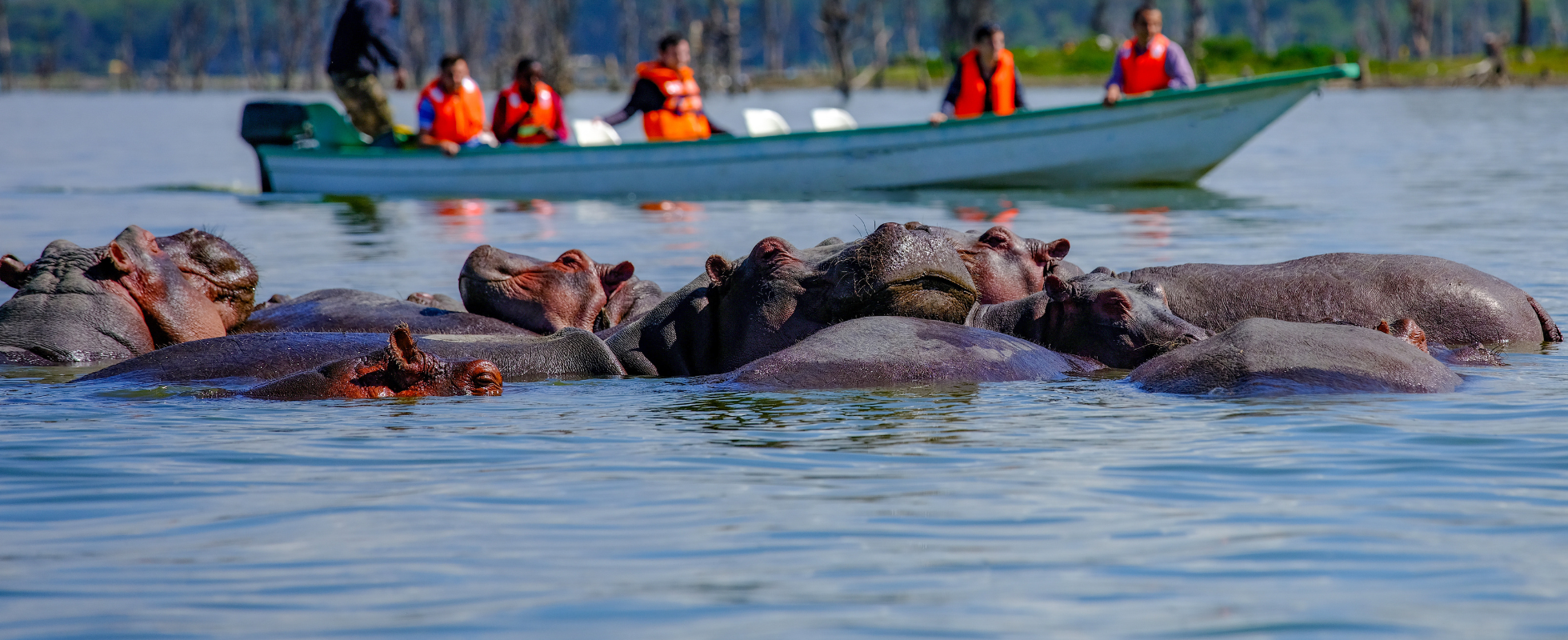
Lake Naivasha offers organized campsites, boat trips and easy access to Hell’s Gate National Park.
Its relative proximity to Nairobi makes it an excellent first stop for travelers becoming familiar with their vehicle.
Lake Nakuru National Park
Lake Nakuru is known for rhinos, giraffes, buffaloes and Rift Valley scenery.
It combines naturally with Naivasha and the Maasai Mara.
Samburu National Reserve
Samburu offers arid landscapes and northern species such as Grevy’s zebras, reticulated giraffes and gerenuks.
Fuel and water planning become more important when traveling north.
Ol Pejeta Conservancy
Ol Pejeta combines general wildlife viewing with important rhino-conservation experiences.
The conservancy fits well into a route connecting Nairobi, Mount Kenya and Samburu.
Tsavo East and Tsavo West
The Tsavo parks create an adventurous overland route between Nairobi and the Kenyan coast.
Tsavo East is known for vast plains and red-dust elephants. Tsavo West offers hills, lava landscapes and springs.
Diani, Mombasa and Watamu
A roof-tent journey can finish beside the Indian Ocean. Travelers may stay at organized coastal campsites or change to a beach hotel.
Ask whether one-way vehicle return at the coast is possible.
Recommended 14-Day Kenya Self-Drive Route
Days 1–2: Nairobi and Lake Naivasha
Collect the vehicle in daylight and complete the inspection. Buy groceries, water and a local SIM card.
Travel to Lake Naivasha the next morning. Enjoy a boat excursion or visit Hell’s Gate National Park.
Days 3–4: Lake Nakuru
Drive to Lake Nakuru and spend time searching for rhinos, buffaloes and giraffes.
Use an authorized campsite and follow all park regulations.
Days 5–7: Maasai Mara
Travel to the Maasai Mara using current local route advice.
Spend at least two full days on game drives. During migration season, allow enough time for unpredictable herd movement.
Day 8: Return Toward Nairobi
Leave the Mara early and travel toward Nairobi or a secure campsite outside the city.
Restock food, drinking water and fuel.
Days 9–10: Amboseli
Drive south to Amboseli for elephants, wetlands and potential Kilimanjaro views.
Early morning and late afternoon provide attractive wildlife-viewing conditions.
Days 11–12: Tsavo West and Tsavo East
Continue through Tsavo West before exploring the open landscapes of Tsavo East.
Plan fuel carefully and avoid unrealistic travel distances.
Days 13–14: Kenyan Coast
Finish near Mombasa, Diani or Watamu.
Return the vehicle at an authorized location or drive back to Nairobi according to the rental agreement.
Cross-Border Roof-Tent Car Hire
A Kenya rental may be permitted to enter Tanzania, Uganda or Rwanda. However, the company must authorize the journey before departure.
Necessary documents can include a vehicle authorization letter, registration papers, cross-border insurance and a COMESA Yellow Card.
The renter may also need temporary import documentation at the border.
One-way rentals between Nairobi, Kampala, Kigali or Arusha can involve significant relocation fees.
Confirm regional roadside assistance. A company with strong support in Nairobi may have limited capacity after you cross into another country.
Never enter another country without written permission. Standard insurance may become invalid immediately.
Camping and Wildlife Safety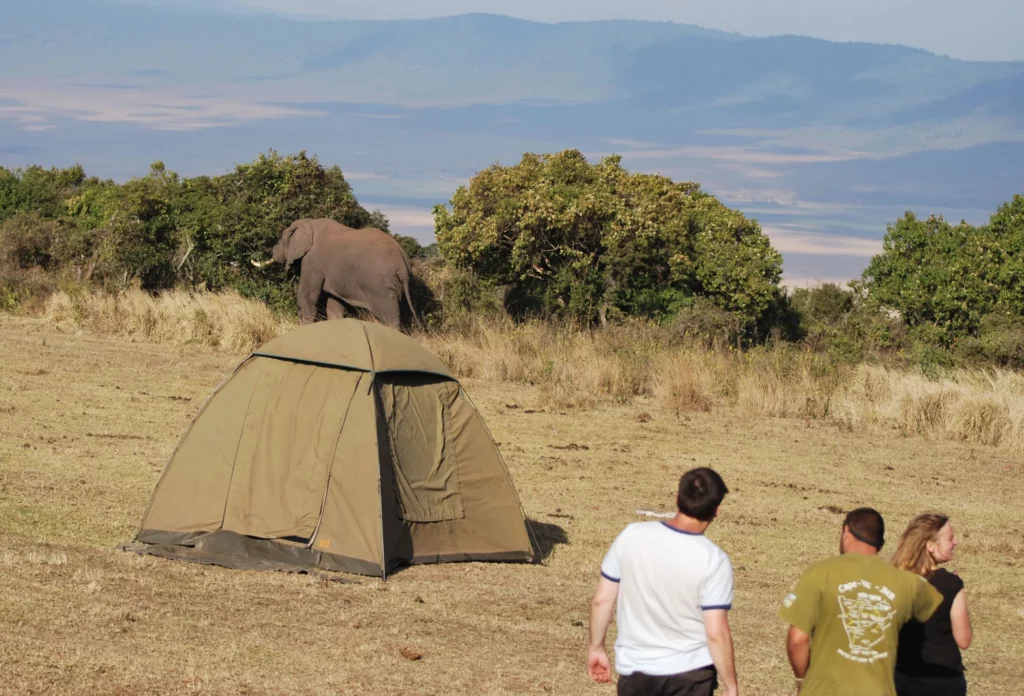
A roof tent does not give you permission to camp anywhere. Use authorized public, private or special campsites.
Never camp in a dry riverbed, on an animal path or close to a water source used by wildlife.
Keep food, rubbish and cooking equipment secured inside the vehicle. Do not leave meat or strong-smelling food outside overnight.
Cook before dark when possible. Clean the area immediately after eating.
Avoid walking away from the vehicle in an unfenced wildlife area. Follow ranger or campsite instructions concerning escorts.
Elephants, buffaloes, lions, hyenas and hippos may move through campsites. Remain calm and never approach an animal for photographs.
Best Time for a Roof-Tent Safari
January and February often bring dry conditions and easier road access.
The long rains typically affect parts of March, April and May. Muddy roads may require strong driving skills and flexible route planning.
June through October is popular because of drier conditions and strong wildlife viewing. Rental vehicles and campsites can sell out early.
November and December may bring shorter rains, green landscapes and good birdwatching. Holiday dates create additional demand.
Weather patterns vary, so request recent road information before leaving Nairobi.
Common Mistakes to Avoid
Choosing the cheapest vehicle without checking maintenance history is one of the most serious mistakes.
Other common problems include accepting worn tires, skipping the tent demonstration and failing to test the refrigerator.
Do not plan driving distances based only on online maps. Rough roads can make short distances take many hours.
Never begin a long journey after a tiring overnight flight.
Avoid driving after dark because of pedestrians, animals, motorcycles, speed humps and unlit vehicles.
Do not cross international borders without written authorization.
Finally, never assume that an elevated tent makes an unauthorized campsite safe.
Why Universal Ventures Rwanda?
Universal Ventures Rwanda organizes customized East African self-drive safaris, roof-tent vehicle rentals and cross-border tours.
Our regional knowledge helps travelers connect Kenya with Rwanda, Uganda or Tanzania. We can assist with vehicle selection, route planning, camping equipment and airport delivery arrangements.
Travelers can request a vehicle for a Kenya-only safari or a longer East African journey. Options may include a single roof tent for couples, double tents for four travelers and family configurations.
The final vehicle and price depend on travel dates, rental duration, route and availability.
Frequently Asked Questions
Which vehicle is best for a Kenya camping safari?
A Toyota Land Cruiser is usually the strongest choice for mixed safari routes. A Prado suits couples, while a 70 Series, LX, GX or double-cab vehicle offers greater space for longer expeditions.
How much does roof-tent car rental cost?
A fully equipped 4×4 may cost approximately USD 100–250 or more per day. The final rate depends on the vehicle, season, equipment, insurance and rental duration.
Can I collect the vehicle at Nairobi Airport?
Yes. Many companies arrange delivery to Jomo Kenyatta International Airport or transfer travelers to a nearby rental office.
Can I drive to the Maasai Mara?
Yes, but use a genuine 4×4 and obtain current route information. Conditions become difficult during heavy rain.
Can I hire a driver?
Yes. Many companies offer a professional driver or safari guide for an additional daily charge.
Can four people sleep in roof tents?
Yes. The vehicle may carry two separate double tents or one large family tent. Confirm mattress dimensions and weight limits.
Is camping equipment included?
It depends on the company and package. Ask for a written equipment inventory before booking.
Can I cross into Tanzania or Rwanda?
Cross-border travel may be possible with advance authorization and the correct insurance and vehicle documents.
Is unlimited mileage included?
Some companies include unlimited mileage, while others impose daily or total limits. Check the rental agreement.
Is self-driving in Kenya safe?
A carefully planned self-drive journey can be safe for experienced drivers. Use a reliable vehicle, avoid night driving and follow park and road rules.
Final Thoughts
The best roof-tent car hire company in Kenya should provide much more than a vehicle with a tent on its roof.
It should offer a mechanically reliable 4×4, strong tires, clean camping equipment, transparent pricing and clear insurance. Professional airport delivery, route guidance and dependable roadside assistance are equally important.
Compare the total package rather than choosing the lowest daily rate. Inspect the vehicle carefully, photograph existing damage and test every important item before leaving Nairobi.
Plan reasonable driving distances and reserve authorized campsites. Carry sufficient fuel, water and emergency supplies, especially when traveling through northern or remote regions.
With a dependable rental partner and careful preparation, a roof-tent safari offers freedom, privacy and a close connection with Kenya’s landscapes.
Contact Universal Ventures Rwanda
Contact Universal Ventures Rwanda to request a customized roof-tent car rental in Kenya or a cross-border self-drive safari through East Africa.
Email: info@universalventuresrwanda.com
Call or WhatsApp: +250 781 441 853
Address: KK 15 Road, Kigali, Rwanda
Website: Universal Ventures Rwanda
