
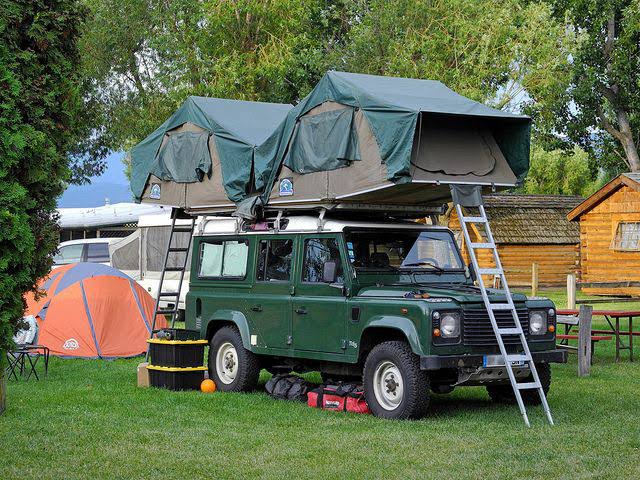
Choosing roof-tent car hire Tanzania services is one of the most adventurous and flexible ways to explore the country’s famous national parks. Instead of following a fixed group itinerary or changing lodges every night, you travel in a fully equipped four-wheel-drive vehicle that provides transportation, accommodation, storage and cooking facilities in one convenient package.
A rooftop-tent safari gives you the freedom to explore Tanzania at your own pace. You can watch elephants gathering around the Tarangire River, drive through the endless plains of Serengeti National Park, camp near the Ngorongoro Conservation Area and discover the remote landscapes around Lake Natron. At the end of each day, you unfold your rooftop tent and sleep beneath the African sky.
However, self-driving in Tanzania requires more preparation than an ordinary road trip. Long distances, rough park tracks, changing weather, wildlife, remote campsites and limited mobile coverage must all be considered. Travelers need a properly maintained 4×4, reliable camping equipment, an appropriate route, accurate park information and dependable roadside support.
This complete guide explains how roof-tent car rental works in Tanzania, how much it costs, which vehicles are most suitable and what equipment should be included. It also covers the best self-drive routes, campsites, national parks, driving conditions, insurance, fuel planning, border crossings and common mistakes.
Whether you are planning a short camping safari from Arusha or a multi-country East African expedition, this guide will help you arrange a safer and more rewarding self-drive adventure.
What Is Roof-Tent Car Hire in Tanzania?
Roof-tent car hire involves renting a four-wheel-drive vehicle fitted with one or more tents mounted securely on its roof. When folded, the tent remains compact and protected by a durable cover. At the campsite, travelers park on level ground, open the tent, extend the ladder and prepare their sleeping area.
Most rooftop tents include a built-in mattress, wi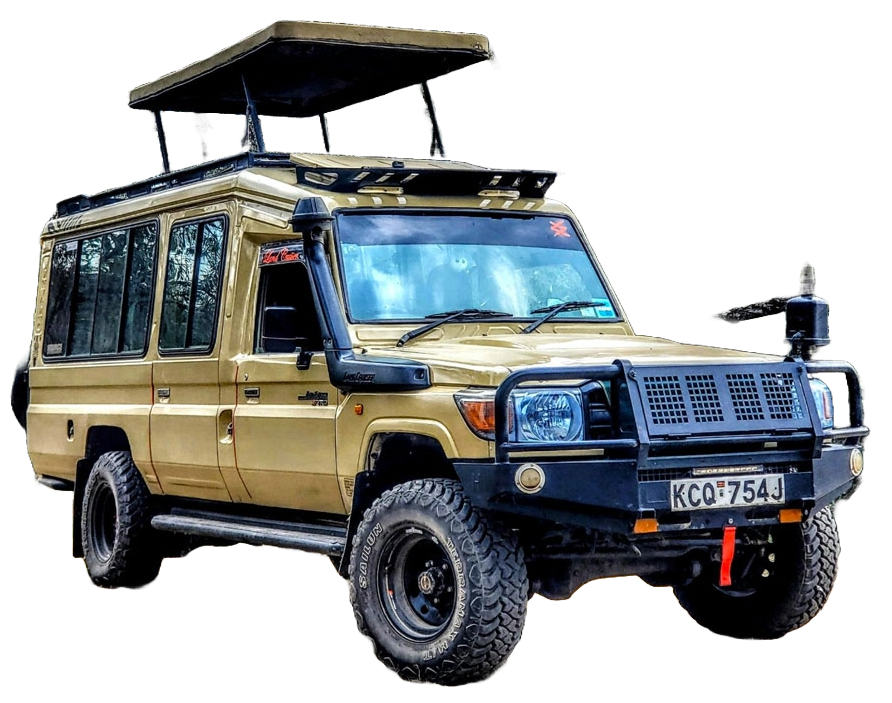 ndows with mosquito screens, weather-resistant canvas and a secure ladder. Bedding may be included, although travelers should always confirm this before booking.
The rental vehicle may also carry:
- Camping chairs and table
- Gas cooker and fuel cylinder
- Cooking utensils
- Plates, cups and cutlery
- Water containers
- Electric refrigerator or cool box
- Recovery equipment
- Spare tires
- Basic tools
- First-aid kit
- Fire extinguisher
- Bedding and pillows
- Interior lighting
- Power inverter or charging ports
The exact inventory varies between rental companies. Never assume that the words “fully equipped” have the same meaning everywhere. Ask for a written equipment list and inspect every item during the handover.
Some vehicles have one rooftop tent suitable for two adults. Others carry two tents or a larger family model that can accommodate three to five people. Ground tents may also be added when the group is larger than the rooftop sleeping capacity.
Why Choose Roof-Tent Car Hire Tanzania?
A rooftop-tent vehicle combines independence with direct access to Tanzania’s wilderness. You decide where to travel, how long to remain at a wildlife sighting and when to take a break. This freedom is particularly attractive to photographers, couples, families, overlanders and travelers who have already experienced guided African safaris.
Camping also creates a closer connection with nature. Instead of returning to a conventional hotel after a game drive, you remain within or near the wildlife area. You may hear hyenas calling, lions roaring or zebras moving beyond the campsite after dark.
A roof tent is usually faster to set up than a traditional ground tent. The mattress remains inside many models, reducing the amount of equipment that must be packed every morning. The elevated sleeping platform also keeps the sleeping area away from mud, insects and water running across the ground.
Most importantly, a self-drive camping safari can reduce accommodation expenses. Campsites are generally less expensive than safari lodges, although park fees, vehicle charges, fuel and conservation fees still make Tanzania a relatively costly destination.
The strongest reasons for choosing roof-tent car hire Tanzania include:
- Freedom to design a personalized route
- Flexible departure and game-drive times
- Transportation and accommodation in one package
- Lower accommodation expenses
- Access to remote destinations
- A private travel experience
- More time surrounded by nature
- Excellent opportunities for landscape and wildlife photography
- Freedom to combine campsites and lodges
- Possibility of cross-border travel when authorized
A rooftop-tent journey is not suitable for everyone. Travelers must be comfortable driving long distances, setting up camp, cooking, navigating and handling simple roadside challenges. Those who want complete relaxation may prefer a guided lodge safari.
How Much Does Roof-Tent Car Hire Tanzania Cost?
A properly equipped 4×4 with a rooftop tent generally costs between USD 150 and USD 280 per vehicle per day. Prices depend on the vehicle model, age, tent configuration, season, rental duration, insurance and equipment included.
Current operator listings commonly place a single-tent Land Cruiser at approximately USD 150–230 per day, while larger family or dual-tent configurations can reach around USD 210–300 per day. Longer rentals frequently attract lower daily prices.
The following figures provide a useful planning guide:
| Roof-tent rental package | Estimated daily cost |
|---|---|
| Basic 4×4 without camping equipment | USD 120–190 |
| 4×4 with one rooftop tent | USD 150–230 |
| Land Cruiser with one rooftop tent and camping kit | USD 180–250 |
| 4×4 with two rooftop tents | USD 190–300 |
| Family rooftop-tent vehicle | USD 210–300 |
| Rooftop-tent vehicle with driver | USD 200–350 |
| Long-term roof-tent rental | USD 130–210 |
A current Arusha-based rental example starts at USD 170 per day for a Land Cruiser carrying four passengers, two rooftop tents, a refrigerator, dual-battery system and recovery equipment. The same company lists a Hilux with two tents from USD 200 per day.
These prices normally exclude fuel, national park entrance fees, campsite fees, food, Ngorongoro charges, border documentation, optional drivers and personal travel expenses.
What Determines the Rental Price?
The daily price of a rooftop-tent vehicle is influenced by several factors. A newer Toyota Land Cruiser with two tents, a dual-battery system and a refrigerator will cost more than an older compact SUV with a simple camping setup.
The travel season also matters. June through October and the Christmas period normally attract strong demand. Vehicles may sell out, and some companies apply higher rates. The rainy months often provide better availability and lower prices.
Rental duration is another major consideration. Companies commonly provide discounted rates for reservations lasting ten, fourteen, twenty-one or thirty days. Delivery outside Arusha may create a relocation charge, while collecting and returning the vehicle at the company’s base is generally less expensive.
Before comparing prices, check:
- Vehicle model and production year
- Manual or automatic transmission
- Number and size of rooftop tents
- Camping equipment included
- Unlimited or restricted mileage
- Insurance level and excess
- Security deposit
- Roadside assistance
- Airport delivery
- One-way drop-off fees
- Additional driver charges
- Cross-border permission
- Taxes
- Cleaning fee
- Refrigerator and power system
- Number of spare tires
- Recovery equipment
- Emergency communication support
A cheap daily rate is not automatically good value if it excludes essential equipment or provides only basic insurance.
Complete Roof-Tent Safari Budget
The rental vehicle is only one component of the total safari cost. Travelers must also budget for fuel, campsites, park fees, food, insurance, accommodation before and after the safari, and optional activities.
A couple sharing one rooftop-tent Land Cruiser might use the following daily planning estimate:
| Expense | Estimated daily amount |
|---|---|
| Roof-tent 4×4 rental | USD 160–250 |
| Fuel | USD 40–100 |
| Food and drinking water | USD 25–60 |
| Public campsite | USD 30–60 per person |
| Park fees | Varies by destination |
| Vehicle entrance charges | Varies by vehicle |
| Additional insurance | USD 10–30 |
| Miscellaneous expenses | USD 10–30 |
The total can exceed USD 300 per day before major national park fees are added. However, the vehicle cost becomes more economical per person when three or four travelers share it.
Travelers should not compare a rooftop-tent rental price directly with a fully inclusive guided safari. The guided package may already include park entry, campsite or lodge accommodation, meals, fuel, vehicle charges and guide services. Compare the final trip totals rather than only the headline rental rate.
Best Vehicles for a Tanzania Rooftop-Tent Safari
Toyota Land Cruiser Hardtop
The Toyota Land Cruiser Hardtop is one of the most suitable vehicles for remote travel in East Africa. It has strong suspension, good ground clearance, reliable four-wheel-drive capability and enough space for camping supplies.
A Hardtop can be fitted with one or two rooftop tents. It is particularly appropriate for the Serengeti, Ngorongoro, Lake Natron, Ruaha and long-distance overland routes.
The vehicle is rugged rather than luxurious. Passengers should expect a firm ride and a functional interior. For rough safari tracks, however, reliability is usually more valuable than luxury.
Toyota Land Cruiser Prado
The Prado offers greater passenger comfort and is easier to drive than some traditional safari vehicles. It can carry one rooftop tent and is suitable for couples or small families.
A Prado works well on the Northern Circuit, provided it has been properly prepared with suitable tires, recovery equipment and an adequate spare-wheel system. Luggage capacity should be checked because the tent, refrigerator, water and camping equipment occupy significant space.
Toyota Hilux
A Toyota Hilux provides strong four-wheel-drive performance and practical cargo capacity. The rear section can carry kitchen equipment, water, luggage and a refrigerator, while one or two rooftop tents are mounted above the vehicle or canopy.
Hilux setups are popular with couples and small groups planning longer overland journeys. A well-equipped Hilux can be more expensive than a basic Land Cruiser because of its specialized camping conversion.
Land Cruiser Safari Vehicle With Pop-Up Roof
Traditional safari Land Cruisers have a raised or opening roof that provides excellent visibility during game drives. However, a pop-up viewing roof and a rooftop sleeping tent are different systems.
Some specially converted vehicles can support both safari viewing and camping, but travelers must confirm how each component functions. A rental company should demonstrate the setup and explain any limitations.
Compact 4×4 Vehicles
Compact four-wheel-drive vehicles can be affordable and fuel-efficient, but not every model is suitable for remote national parks. Limited ground clearance, luggage capacity and fuel range can become serious concerns.
A compact vehicle may work for highways, towns and established camps outside national parks. For deep mud, river crossings or isolated tracks, a Land Cruiser or equivalent heavy-duty vehicle is safer.
Single, Double and Family Rooftop Tents
Single Rooftop Tent
A single rooftop tent usually accommodates two adults. It is the simplest setup and is ideal for couples or solo travelers.
The tent should have a comfortable mattress, mosquito screens, ventilation panels, waterproof canvas and a stable ladder. Ask for the internal dimensions because the term “two-person tent” does not guarantee the same sleeping space across different brands.
Dual Rooftop Tents
Two rooftop tents normally accommodate up to four adults. They are suitable for friends, families or two couples sharing one vehicle.
The additional tent increases the vehicle’s height, weight and fuel consumption. It may also take longer to open and close. Nevertheless, sharing one vehicle can make a dual-tent arrangement economical.
Family Rooftop Tent
A family rooftop tent has a larger sleeping area and may accommodate two adults with two or three children. Some models include separate sections or an annex.
Families should confirm the maximum supported weight, mattress arrangement, ladder access and whether children can enter and exit safely.
A family setup should never be selected only according to the manufacturer’s maximum capacity. Personal space, luggage and the children’s ages must also be considered.
Rooftop Tent With Ground Tent
Combining a rooftop tent with a ground tent is a flexible option for larger families. The rooftop tent can accommodate adults while older children or friends use the ground tent.
The disadvantage is that ground tents require more setup time and provide less separation from mud, insects and animals. They should only be used in designated campsites.
What Should a Fully Equipped Roof-Tent Vehicle Include?
A professional roof-tent car hire Tanzania company should provide a clear inventory. Equipment must be suitable for the number of travelers and the planned route.
Sleeping Equipment
The sleeping kit should include the rooftop tent, mattress, ladder, pillows, sheets or sleeping bags and warm blankets. Temperatures on the Ngorongoro rim can become cold at night, so lightweight summer bedding may not be sufficient.
Inspect the tent fabric, poles, hinges, zippers and mosquito screens. Check that the travel cover closes properly and that the ladder locks securely.
Kitchen Equipment
A complete kitchen setup should provide a stove, gas cylinder, lighter, cooking pots, frying pan, utensils, knives, cutting board, plates, bowls, cups and washing equipment.
A refrigerator is extremely useful for meat, dairy products, vegetables and cold drinks. Ask whether it runs from a dual-battery system so that it does not drain the vehicle’s main starting battery.
Water Storage
The vehicle should have adequate water containers. Water is required for drinking, cooking and washing, and campsites do not always provide safe drinking water.
Travelers should refill whenever reliable water is available rather than waiting until containers are nearly empty.
Recovery Equipment
Important recovery items include a jack, wheel spanner, tow rope, shovel, traction boards, warning triangle, compressor, tire-pressure gauge and basic tools.
At least one good spare tire is essential. Two spares are preferable for remote routes such as western Tanzania, Lake Natron or long southern-circuit journeys.
Safety and Emergency Equipment
The vehicle should carry a first-aid kit and fire extinguisher. Travelers should also have offline maps, emergency telephone numbers and a charged mobile phone.
A satellite communicator can provide extra security on very remote routes. It does not replace careful planning, but it may allow travelers to contact support when ordinary mobile networks are unavailable.
Roof-Tent Car Hire From Arusha
Arusha is the most popular collection point for rooftop-tent vehicles because it is the main gateway to Tanzania’s Northern Safari Circuit. Tarangire, Lake Manyara, Ngorongoro and the Serengeti can all be combined in a logical driving route.
Rental companies may deliver vehicles to an Arusha hotel, Arusha Airport or Kilimanjaro International Airport. Airport delivery may be free, included for longer rentals or charged separately.
A typical Northern Circuit rooftop-tent trip lasts ten to fifteen days. Shorter four- to six-day journeys can cover Tarangire, Lake Manyara and the Ngorongoro area, but including the central Serengeti requires more time.
Travelers should spend at least one night in Arusha before collecting the vehicle. International flights can be delayed, and a thorough vehicle handover takes time. Beginning a long safari immediately after an overnight flight increases fatigue and reduces the opportunity to inspect the equipment carefully.
Roof-Tent Car Hire From Kilimanjaro Airport
Kilimanjaro International Airport is convenient for travelers arriving specifically for the Northern Circuit. Many Arusha companies can organize vehicle delivery or a transfer from the airport.
Confirm the delivery charge, meeting location and procedure for delayed flights. Handover should take place during daylight whenever possible so that vehicle damage, tire condition and equipment can be inspected properly.
Roof-Tent Car Hire From Dar es Salaam
Dar es Salaam is useful for travelers exploring Mikumi, Nyerere National Park, Udzungwa Mountains, Ruaha or the coast. Vehicle availability can be more limited than in Arusha, and one-way relocation fees may apply.
A southern Tanzania self-drive safari requires careful distance planning. The region is vast, road conditions vary and fuel stations are widely separated on some routes.
One-Way Car Hire in Tanzania
One-way rental allows travelers to collect a vehicle in Arusha and return it in Dar es Salaam, Mwanza or another authorized location. It can save time and create interesting routes, but the rental company must recover the vehicle.
Relocation charges depend on distance, road access and whether another booking matches the direction of travel. Always receive written authorization for the agreed return point.
Best Tanzania Destinations for Roof-Tent Camping
Serengeti National Park
Serengeti National Park is the centerpiece of many Tanzania self-drive safaris. Its plains support lions, leopards, cheetahs, elephants, giraffes, buffaloes, hyenas and vast herds of grazing animals.
The park is enormous, and distances are easy to underestimate. A route that appears short on a map can require several hours because of rough tracks, wildlife stops and speed restrictions.
Rooftop-tent travelers can use designated campsites. Facilities vary, and public campsites may have basic toilets, showers and cooking areas. Wildlife can move through unfenced camps, so visitors must follow park and campsite rules.
Self-drivers should avoid traveling after dark, maintain adequate fuel and download offline maps. They should also confirm campsite availability and park-payment procedures before arrival.
Ngorongoro Conservation Area
The Ngorongoro Conservation Area includes the famous Ngorongoro Crater, volcanic highlands and routes toward the Serengeti. Its scenery is extraordinary, but costs and regulations can make it one of the more expensive parts of a self-drive trip.
Travelers must budget for conservation entry, vehicle charges, camping and any applicable crater fees. Charges can change, so they should be verified directly when booking.
Camping on the crater rim can be cold, windy and damp. Warm sleeping bags, layered clothing and rain protection are essential.
The descent roads can be steep and may become slippery. Drivers must understand four-wheel-drive selection and low-range operation before beginning the route.
Tarangire National Park
Tarangire is an excellent destination for first-time self-drivers. It is relatively accessible from Arusha and is known for elephants, baobab trees and seasonal wildlife concentrations along the Tarangire River.
The park deserves at least two nights. A quick day visit reveals only a small part of its landscapes.
Road conditions are generally manageable during the dry season, but black-cotton soil can become extremely slippery after rain. Drivers should avoid attempting uncertain tracks simply because another vehicle previously used them.
Lake Manyara National Park
Lake Manyara is conveniently positioned between Arusha, Tarangire and Ngorongoro. The park contains groundwater forest, open areas, wetlands and escarpment scenery.
It can be explored in a day, although travelers should check current road access because water levels and weather may affect some sections.
Campsites and other accommodation are available outside the park, making Lake Manyara a useful stop between longer destinations.
Lake Natron
Lake Natron offers dramatic volcanic landscapes, flamingos and views toward Ol Doinyo Lengai. It is rewarding for experienced self-drivers but requires realistic travel times and a capable vehicle.
Roads are rough, services are limited and temperatures can be intense. Carry sufficient fuel, water and emergency supplies. Local guidance may be required for certain walks and cultural experiences.
Lake Natron can be combined with the northern Serengeti, but route conditions should be confirmed shortly before departure.
Arusha National Park
Arusha National Park is convenient for the beginning or end of a self-drive holiday. It features Mount Meru, forest, lakes and varied wildlife.
Some activities, including walking safaris, require an authorized ranger or guide. The park is not a substitute for the Serengeti, but it provides an attractive introduction to Tanzania’s landscapes.
Mikumi National Park
Mikumi is accessible from Dar es Salaam and forms a practical entry point to the Southern Circuit. The park contains open plains and a variety of large mammals.
It can be combined with Udzungwa Mountains and longer journeys toward Ruaha or Nyerere. Travelers must account for traffic and road conditions when estimating travel time from Dar es Salaam.
Ruaha National Park
Ruaha is one of Tanzania’s most impressive wilderness areas. It offers excellent wildlife, beautiful river landscapes and fewer visitors than many Northern Circuit parks.
However, it is remote and better suited to experienced self-drivers. Fuel, water, food and vehicle reliability are critical. Road conditions can deteriorate sharply during the rains.
Anyone planning an independent Ruaha journey should discuss the route with the rental company and obtain current information before departure.
Nyerere National Park
Nyerere offers a vast wilderness experience in southern Tanzania. Some areas are explored through organized game drives and boat safaris, and local regulations should be confirmed before planning an independent route.
Self-drivers need accurate entrance, campsite and activity arrangements. Distances are substantial, and road access depends on the season.
Gombe and Mahale
Gombe Stream and Mahale Mountains are not conventional self-drive destinations because access normally involves boats and specialist arrangements. A rooftop-tent vehicle can be used for part of a western Tanzania journey, but the final park access requires advance coordination.
Recommended Northern Tanzania Roof-Tent Itinerary
Day 1: Arrival in Arusha
Arrive in Arusha, rest at a hotel and prepare for the journey. Purchase food, drinking water and personal supplies. Confirm the next day’s vehicle handover.
Day 2: Vehicle Handover and Arusha
Inspect the vehicle, test the rooftop tent and review the equipment inventory. Learn how to operate four-wheel drive, change a tire, use the refrigerator and contact emergency support.
Spend the night at a campsite near Arusha rather than immediately beginning a long journey.
Days 3–4: Tarangire National Park
Drive to Tarangire and enjoy two days of wildlife viewing. Focus on the river, baobab landscapes and productive game-viewing circuits.
Camp inside or outside the park according to availability and budget.
Day 5: Lake Manyara and Mto wa Mbu
Explore Lake Manyara or enjoy cultural activities around Mto wa Mbu. Refill fuel, water and groceries before traveling into more remote areas.
Day 6: Ngorongoro Highlands
Drive to the Ngorongoro Conservation Area and camp near the crater rim. Prepare warm clothing for the evening.
Day 7: Ngorongoro Crater
Descend into the crater early and spend the permitted time viewing wildlife. Return to the rim or continue toward the Serengeti, depending on gate times and the itinerary.
Days 8–10: Central Serengeti
Explore the central Serengeti, allowing sufficient time for wildlife sightings and photography. Avoid rushing between distant regions.
Days 11–12: Northern or Southern Serengeti
Select the region according to the season. The northern Serengeti is popular during the migration period, while the southern plains are important during the calving season.
Day 13: Return Toward Karatu
Begin the return journey through the conservation area and stay near Karatu.
Day 14: Return to Arusha
Drive back to Arusha, refuel the vehicle, clean personal equipment and complete the return inspection.
This itinerary can be shortened or extended according to the season, campsite availability and travelers’ experience.
Campsites in Tanzania
Public Campsites
Public campsites are shared by independent travelers and organized safari groups. They generally provide basic toilets, showers and cooking areas, although standards vary considerably.
These camps are often unfenced. Animals may pass through during the day or night, and food must be stored securely inside the vehicle.
Public campsites are usually more affordable and easier to arrange than special campsites. They can also be social places where travelers exchange road and wildlife information.
Special Campsites
Special campsites are more private and remote. Despite the name, “special” does not always mean luxurious. Some have few or no permanent facilities.
Travelers may need to be completely self-sufficient, including carrying water and toilet arrangements. Booking and payment usually require advance organization.
These sites suit experienced campers who want solitude but should not be selected without understanding their exact facilities.
Private Campsites
Private campsites operated by lodges, farms or independent businesses are available outside several national parks. Facilities may include hot showers, restaurants, electricity and Wi-Fi.
They are useful for restocking, charging equipment and enjoying a comfortable break between remote camps.
Driving Conditions in Tanzania
Main highways between major towns may be paved, but national park roads are usually gravel, dirt, sand or volcanic soil. Corrugations, rocks, potholes, dust and mud are common.
During the dry season, dust reduces visibility and enters the vehicle. During the rainy season, roads can become slippery or impassable.
Self-drivers should reduce speed and allow vehicles ahead to create distance. Driving too quickly over corrugations increases the risk of tire, suspension and equipment damage.
Never rely exclusively on online travel-time estimates. Map applications calculate ordinary road speeds and may not reflect current safari conditions.
Driving After Dark
Avoid driving after dark. Unlit vehicles, pedestrians, livestock, potholes and wildlife create serious risks. Vehicle recovery is also more difficult at night.
Plan to arrive at each destination well before sunset. Setting up a rooftop tent for the first time in darkness is frustrating and increases the chance of damaging equipment.
Wildlife on the Road
Animals always have priority inside wildlife areas. Maintain a respectful distance and never block their movement.
Do not leave the vehicle except in designated areas. Even when no large animals are visible, predators or dangerous herbivores may be nearby.
Elephants require particular caution. Never drive between family members, approach calves or block an elephant’s route. Reverse slowly if an elephant shows signs of discomfort.
Speed Limits
Observe all national and park speed limits. Speeding increases accident risks, disturbs wildlife and can result in fines. An official TANAPA guide lists penalties for overspeeding and for vehicles causing accidents inside national parks.
Fuel Planning
Fuel stations are common in towns but limited inside or between remote wildlife areas. Fill the tank whenever a reliable opportunity is available.
Ask the rental company about the vehicle’s average fuel consumption and tank capacity. Consumption increases on rough tracks, in sand, when using four-wheel drive and when carrying heavy rooftop equipment.
A long-range tank or authorized fuel containers may be necessary for remote itineraries. Fuel must be stored safely and never close to open flames.
Travelers should calculate their route with a reserve rather than expecting to arrive at the next station with an almost empty tank.
Navigation and Communication
Mobile coverage is unreliable in remote areas. Download offline maps before departure and carry a paper map as backup.
GPS applications are useful but may display closed, seasonal or unofficial tracks. Follow marked park roads and local instructions.
The rental company should provide emergency contact numbers. A responsible operator also offers route advice and support when mechanical problems occur.
Some current Tanzania rental packages include GPS, an inverter, a refrigerator and a pre-departure guide explaining vehicle operation and park driving.
Self-Drive Safari Safety
A Tanzania self-drive safari can be safe when travelers use a suitable vehicle, follow park rules and make conservative decisions.
The greatest risks often come from excessive speed, fatigue, poor navigation, unsuitable routes and driving through deep water.
Before each morning’s departure:
- Check tires for damage
- Look beneath the vehicle for leaks
- Confirm fuel level
- Secure the rooftop tent
- Lock storage compartments
- Verify water supply
- Check the refrigerator battery
- Confirm the day’s route
- Review gate and campsite times
When mechanical trouble occurs, contact the rental company before attempting major repairs. Unauthorized repairs may affect insurance coverage.
Insurance and Security Deposits
Rental insurance requires careful attention. “Comprehensive insurance” does not mean every type of damage is covered.
Common exclusions include:
- Tire damage
- Windscreen damage
- Underbody damage
- Rooftop-tent damage
- Water damage
- Negligent driving
- Driving after dark
- Unauthorized roads
- Single-vehicle accidents
- Rollovers
- Incorrect fuel
- Lost keys
- Recovery costs
- Damage caused outside permitted countries
One published Tanzania rental agreement, for example, excludes rooftop tents and camping equipment from vehicle insurance and assigns replacement responsibility to the renter. This demonstrates why travelers must read the specific contract rather than relying on general descriptions.
A refundable security deposit may range from several hundred to more than USD 1,500. One current rental listing shows a USD 1,500 security hold and the same amount as its insurance excess.
Ask how the deposit is collected, how long refunds take and which circumstances permit deductions.
Driver’s Licence Requirements
Travelers need a valid driving licence accepted in Tanzania. An International Driving Permit may also be necessary or strongly recommended, depending on the issuing country and rental company’s rules.
Carry the original licence, passport, rental agreement, insurance documents and vehicle papers. Photocopies and digital backups are helpful but may not replace original documents during official checks.
Confirm age restrictions. Many rental companies establish a minimum driver age and may charge additional fees for young drivers.
Roof-Tent Hire With a Driver-Guide
Travelers who enjoy camping but do not want to drive can rent a rooftop-tent vehicle with a professional driver-guide.
This option combines flexible camping with local knowledge. The guide manages navigation, park procedures, road conditions and many vehicle-related responsibilities.
A driver-guide can add approximately USD 40–100 or more per day, depending on qualifications and whether meals and accommodation are included. Some current listings advertise an optional guide from around USD 40 per day, although the complete cost should be confirmed for the itinerary.
You may need to provide a separate ground tent, meals and campsite fees for the guide. These expenses should appear clearly in the quotation.
Cross-Border Roof-Tent Car Hire
Tanzania can be combined with Kenya, Uganda, Rwanda, Zambia or Malawi, but cross-border travel requires written permission from the rental company.
Documents may include:
- Authorization letter
- Vehicle registration documents
- Cross-border insurance
- COMESA Yellow Card
- Temporary import documentation
- National road or vehicle charges
- Copies of the rental agreement
- Driver identification
A cross-border vehicle should never be taken into another country without authorization. Insurance may become invalid, and border officials can refuse entry.
One-way international rental is more complicated because the company must retrieve its vehicle. Relocation costs can be high.
Travelers planning a Kenya and Tanzania self-drive safari should also confirm whether the selected border crossing allows foreign rental vehicles and whether the vehicle is permitted in every planned park.
What to Pack for a Tanzania Rooftop-Tent Safari
Pack practical, lightweight clothing in soft-sided bags. Hard suitcases take up unnecessary space and are difficult to store inside a camping vehicle.
Essential personal items include neutral-colored safari clothing, a warm jacket, rain protection, comfortable shoes, sandals, sun protection, insect repellent, personal medicine, headlamp, reusable water bottle and power bank.
Binoculars improve wildlife viewing, while photographers should bring spare batteries, memory cards and dust-protection equipment.
Avoid leaving shoes outside overnight. Insects and small animals may enter them. Keep the sleeping area organized and close the mosquito screens before switching on lights.
At campsites, secure all food and rubbish. Never store food inside the rooftop tent.
Food and Cooking on a Self-Drive Safari
Arusha, Moshi, Karatu, Dar es Salaam and other towns have supermarkets and markets where travelers can purchase supplies.
Plan meals that require limited preparation and water. Rice, pasta, vegetables, eggs, canned foods, bread and fruit are practical. Fresh meat and dairy products require a reliable refrigerator.
Purchase fresh supplies whenever passing through a town. Avoid carrying unnecessary quantities of perishable food.
Cooking should take place only in approved areas. Never leave a stove unattended, and make sure the flame is extinguished before connecting or disconnecting gas equipment.
Clean immediately after eating. Food scraps attract animals, including hyenas, baboons and monkeys.
Best Time for a Roof-Tent Safari in Tanzania
June to October
The long dry season generally provides favorable road conditions and excellent wildlife viewing. It is also the busiest period, so vehicles and campsites should be booked early.
Nights can be cold, particularly in the highlands and around Ngorongoro. Dust is common on heavily traveled tracks.
November to December
The short rains can transform the landscapes and reduce dust. Rain is often intermittent, although weather patterns are never guaranteed.
Roads may become muddy, but the period can provide good value outside the holiday weeks.
January to March
January and February can provide excellent self-drive conditions. The southern Serengeti and Ndutu region attract travelers interested in the wildebeest calving season.
Some roads become busy, and campsite reservations remain important.
April and May
The long rains bring green scenery, fewer visitors and lower prices. However, road conditions can be challenging, and some camps close temporarily.
These months are best for confident drivers with flexible itineraries. Ask the rental company whether your proposed roads are suitable.
Common Roof-Tent Car Hire Mistakes
Choosing the Cheapest Vehicle
An unusually cheap vehicle may have old tires, weak suspension, incomplete insurance or unreliable camping equipment. Mechanical problems in a remote park can cost more than the initial savings.
Planning Excessive Daily Distances
Tanzania is larger than many travelers expect. Driving from one distant park to another every day creates fatigue and reduces wildlife-viewing time.
Skipping the Vehicle Inspection
Photograph all existing damage during collection. Test the refrigerator, lights, locks, stove, tent, ladder, jack and spare tires.
Ignoring Insurance Exclusions
Ask direct questions about tires, glass, underbody damage, rooftop equipment, water crossings, rollovers and recovery expenses.
Arriving at Camp After Dark
Late arrival creates navigation problems and makes campsite setup more difficult. Leave enough time for road delays and wildlife sightings.
Leaving Food Outside
Food attracts animals and can create dangerous situations. Store everything inside closed vehicle compartments.
Depending Entirely on Mobile Internet
Download navigation and reservation information before entering remote areas. Carry emergency numbers on paper.
Driving Through Water Without Checking
Water can be much deeper than it appears. Entering deep water can destroy the engine and may invalidate insurance.
Forgetting Park and Campsite Charges
The vehicle price does not include all safari expenses. Calculate conservation, camping, vehicle and activity fees before confirming the trip.
Is Roof-Tent Camping Safe Around Wildlife?
Rooftop tents are widely used in African campsites, but sleeping above the ground does not make visitors invulnerable. Safety depends on responsible behavior.
Use only designated campsites. Do not camp beside an unapproved road, near an animal carcass or along an obvious wildlife path.
After dark, remain close to the vehicle and avoid walking around unnecessarily. Use a torch to scan the area before descending the ladder.
Never feed animals. Baboons, monkeys, hyenas and other wildlife quickly learn to associate camps with food.
Listen to instructions from rangers and campsite staff. Local information about recent animal activity is more valuable than assumptions.
Roof-Tent Safari Versus Lodge Safari
A rooftop-tent safari provides freedom, adventure and potential accommodation savings. A lodge safari provides more comfort, less daily work and professional hospitality.
| Roof-tent safari | Lodge safari |
|---|---|
| Greater independence | More structured experience |
| Cooking may be required | Meals are prepared |
| Basic campsite facilities | Private bathroom and room |
| Setup and packing each day | No camping equipment |
| Lower accommodation cost | Higher accommodation cost |
| Close connection with nature | More physical comfort |
| Requires driving experience | Guide manages transportation |
| Flexible route | Planned game-drive program |
Many travelers combine both. They camp for several nights and reserve a lodge every three or four days for laundry, rest and a comfortable shower.
Frequently Asked Questions About Roof-Tent Car Hire Tanzania
How much is roof-tent car hire in Tanzania?
A fully equipped roof-tent 4×4 usually costs approximately USD 150–280 per vehicle per day. Larger dual-tent and family setups may cost USD 200–300 or more.
Can tourists self-drive in Tanzania?
Yes, tourists can arrange self-drive holidays in Tanzania, provided they meet the licence and rental requirements and observe park and road regulations. Some locations or activities may require authorized guides.
Can I self-drive in Serengeti National Park?
Independent travelers can drive in permitted parts of Serengeti National Park. They must use designated roads, comply with park regulations, arrange the required payments and use authorized campsites.
Is a 4×4 necessary in Tanzania?
A 4×4 is strongly recommended for national parks, remote areas and rainy-season routes. A standard city vehicle is unsuitable for many safari tracks.
Is unlimited mileage included?
Many specialist self-drive companies include unlimited mileage, but this must be confirmed in writing. Some rental agreements limit daily distance or exclude particular regions.
Does roof-tent rental include camping equipment?
Many packages include basic camping equipment, but inventories vary. Ask for a detailed list covering bedding, kitchen supplies, chairs, table, water storage and refrigerator.
Are park fees included in the rental rate?
Normally, no. National park entrance fees, vehicle fees, Ngorongoro charges and campsite fees are usually paid separately.
Can I collect the vehicle at Kilimanjaro Airport?
Many Arusha-based companies provide delivery to Kilimanjaro International Airport. A fee may apply, especially for short rentals or late-night delivery.
Can I rent a rooftop-tent vehicle with a driver?
Yes. A driver-guide can be added to many rentals. Confirm the guide’s daily rate, meals, accommodation and campsite arrangements.
Can families use rooftop tents?
Yes. Family and dual-tent configurations can accommodate parents and children. Check the ladder, weight limit, sleeping dimensions and campsite safety.
Are rooftop tents waterproof?
Quality rooftop tents are designed to withstand rain, but fabric, seams, zippers and covers must be maintained. Inspect the tent before departure.
Can I drive from Tanzania to Kenya?
Cross-border travel may be permitted with written authorization, suitable insurance and the required vehicle documents. Confirm all arrangements before booking.
How many days are recommended?
Ten to fourteen days provide a comfortable Northern Circuit trip. A shorter journey can cover Tarangire, Lake Manyara and Ngorongoro, while remote regions require additional time.
What happens if the vehicle breaks down?
Contact the rental company immediately. The response will depend on location, mechanical problem and contract. Confirm roadside-support procedures before leaving.
Is rooftop-tent camping cheaper than staying in lodges?
It can reduce accommodation costs, especially for groups sharing one vehicle. However, park fees, fuel, campsite charges and vehicle rental remain significant.
Final Advice for Booking Roof-Tent Car Hire Tanzania
The best roof-tent car hire Tanzania experience begins with a reliable vehicle and a realistic itinerary. Select a Land Cruiser, Hilux or equivalent 4×4 that has been prepared for safari travel. Confirm that the rooftop tent, tires, spare wheels, refrigerator, recovery tools and camping equipment are in good condition.
Allow enough time for the journey. Tanzania should not be rushed. Two or three nights in each major wildlife area produce a better experience than changing camps every day.
Read the rental agreement carefully and understand the insurance excess, security deposit and exclusions. Obtain written permission for cross-border travel and never use unauthorized roads.
Budget beyond the rental price. Fuel, campsites, park fees, food, conservation charges, border paperwork and emergency expenses must all be considered.
Most importantly, drive conservatively. Avoid traveling at night, respect wildlife and ask for local advice whenever road conditions are uncertain.
With careful planning, roof-tent car hire Tanzania allows travelers to experience the Serengeti, Ngorongoro, Tarangire and other spectacular landscapes with exceptional independence. Your vehicle becomes your transport, kitchen, storage area and home beneath the African sky.
Book Roof-Tent Car Hire in Tanzania
Universal Ventures Rwanda organizes tailor-made East African journeys, including Tanzania self-drive safaris, roof-tent car rental, Kenya wildlife tours, Rwanda gorilla trekking and cross-border adventures.
Contact us with your travel dates, collection location, number of travelers, preferred vehicle and planned route. We will help you select an appropriate 4×4 and prepare a personalized quotation.
Universal Ventures Rwanda
Email: info@universalventuresrwanda.com
Telephone/WhatsApp: +250 781 441 853
Address: Kigali, Rwanda
Website: www.universalventuresrwanda.com