

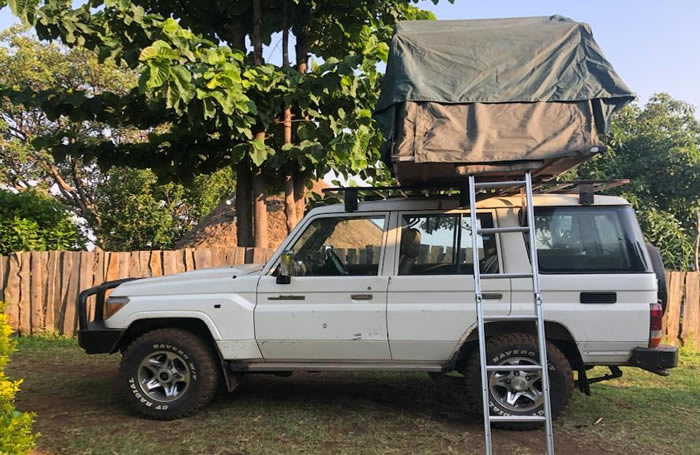
With self-drive roof-tent car hire Tanzania, your vehicle becomes both your transport and your mobile accommodation. Instead of following a fixed guided-safari schedule, you can travel at your preferred pace, stay at campsites close to nature and enjoy greater flexibility throughout your journey.
Tanzania is made for adventurous road trips. Endless savannahs, wildlife-rich national parks, volcanic landscapes, remote villages and scenic mountain roads create an extraordinary setting for travelers who prefer exploring independently.
Moreover, a properly equipped 4×4 allows you to explore famous destinations such as Serengeti National Park, Ngorongoro Conservation Area, Tarangire National Park, Lake Manyara and Lake Natron while carrying essential camping equipment with you.
Why Choose Self-Drive Roof-Tent Car Hire Tanzania?
A rooftop-tent safari offers a sense of freedom that conventional safari packages cannot always provide.
Rather than changing hotels every night, you can drive between selected campsites and enjoy a more adventurous way of experiencing Tanzania. Your rooftop tent remains securely folded while driving and can then be opened when you arrive at camp.
In addition, many safari vehicles are supplied with cooking equipment, chairs, tables, mattresses, water containers, storage space and recovery tools.
Therefore, one rental can combine transportation, camping accommodation and essential safari equipment.
For travelers who enjoy independent travel, outdoor adventure and flexible itineraries, this combination can be extremely practical.
What Is Self-Drive Roof-Tent Car Hire Tanzania?
Self-drive roof-tent car hire Tanzania refers to renting a four-wheel-drive safari vehicle equipped with a rooftop sleeping tent.
Usually, travelers drive the vehicle themselves rather than hiring a full-time driver-guide. Depending on the rental package, vehicles may be equipped with one or two rooftop tents.
Popular options include Toyota Land Cruisers, Land Cruiser Prado models and Toyota Hilux vehicles.
Furthermore, specialized camping vehicles often include essential equipment for preparing meals and spending nights at designated campsites.
Once you arrive at camp, the rooftop tent unfolds above the vehicle and is reached using a ladder. Because the sleeping platform is elevated, you avoid many of the inconveniences associated with sleeping directly on uneven or wet ground.
Freedom to Explore Tanzania at Your Own Pace
One of the strongest reasons to choose a self-drive safari is flexibility.
You determine when the day begins, how long you stay at a viewpoint and where you stop for breaks. Consequently, your journey can feel much more personal than a tightly scheduled safari.
For example, you may enjoy Tarangire so much that you decide to spend an additional morning exploring its baobab landscapes.
Alternatively, you might discover that a particular region feels too busy and choose to continue to a quieter campsite.
Of course, national park bookings, campsite reservations and permit conditions may limit completely spontaneous changes. Nevertheless, self-driving still gives you far more control over your daily schedule.
Best Vehicles for Tanzania Self-Drive Safaris
Choosing the right vehicle is extremely important.
Tanzania has paved highways, gravel roads, corrugated tracks, rocky sections, muddy routes and remote safari roads. Therefore, a normal city car may not be suitable for many adventurous itineraries.
For national parks and wilderness travel, a capable 4×4 is usually the better choice.
Toyota Land Cruiser With Rooftop Tent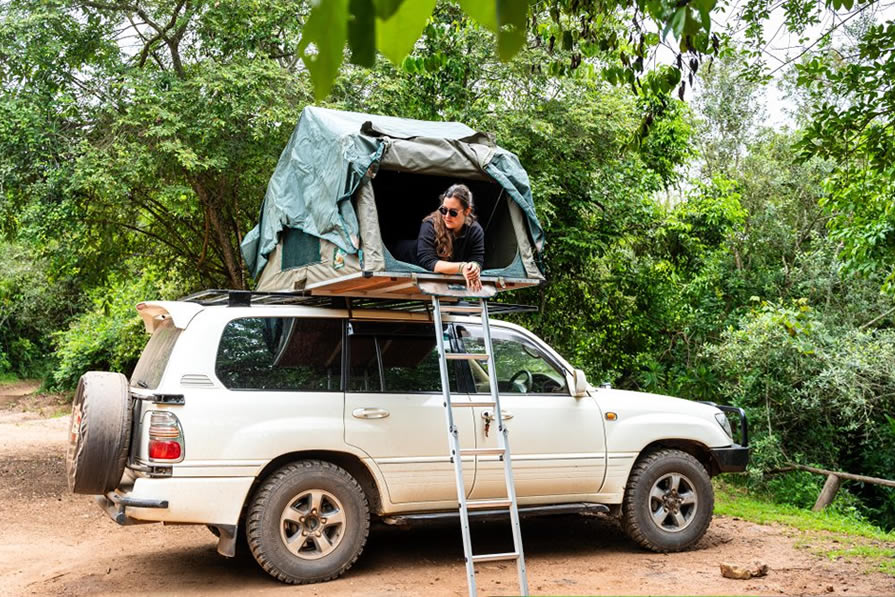
The Toyota Land Cruiser remains one of the most popular safari vehicles in East Africa.
Its reputation comes from strong off-road capability, durability and suitability for difficult road conditions.
Moreover, Land Cruisers provide enough space for luggage, camping equipment and important supplies.
Couples can usually travel comfortably with one rooftop tent, while larger groups may prefer a vehicle fitted with two tents.
Land Cruiser Prado Roof-Tent Rental Tanzania
Travelers who want comfort combined with four-wheel-drive capability often consider the Toyota Land Cruiser Prado.
The Prado can be especially attractive for itineraries combining national parks with long stretches of paved road.
In addition, it generally provides a comfortable driving position and useful luggage capacity.
Before booking, however, confirm the exact model, vehicle condition, rooftop-tent configuration and camping equipment provided.
Toyota Hilux Rooftop Camper Tanzania
The Toyota Hilux is another excellent option for adventurous Tanzania road trips.
Because of its pickup-style configuration, it can provide generous equipment and storage space.
Furthermore, a Hilux 4×4 is well suited to travelers carrying food, water and camping supplies over longer distances.
The most important factor is not simply the model name. Instead, consider maintenance quality, tire condition, recovery equipment, service history and roadside support.
What Should Your Rooftop-Tent Rental Include?
A properly equipped Tanzania camping vehicle should include more than a rooftop tent.
Depending on the rental company, your package may provide a mattress, bedding, camping chairs, table, cooking utensils, gas stove, kitchen equipment, water storage and a refrigerator or cooler.
Furthermore, essential vehicle equipment should include a spare wheel, jack, wheel spanner, warning triangle and basic recovery tools.
Before departure, request a complete equipment inventory.
That simple step can prevent frustration after reaching a remote campsite.
For instance, discovering that cooking utensils or essential sleeping equipment are missing after entering Serengeti would create unnecessary problems.
Single or Double Rooftop Tent?
Your group size will determine the best tent arrangement.
A single rooftop tent normally works well for solo travelers and couples.
On the other hand, families or groups of three to four people may need two rooftop tents or a larger family camping setup.
Importantly, the number of passenger seats does not automatically equal rooftop sleeping capacity.
Therefore, confirm how many adults each tent can accommodate comfortably before making the reservation.
Is a Tanzania Rooftop Tent Comfortable?
Yes, a quality rooftop tent can be surprisingly comfortable.
Most models provide an integrated mattress and ventilation openings. In addition, the elevated platform usually creates a flat sleeping surface above uneven terrain.
Nevertheless, comfort also depends on your expectations.
A rooftop tent is still camping. Therefore, travelers expecting hotel-style bathrooms, electricity and room service may prefer mixing camping nights with lodge accommodation.
By contrast, adventure travelers often enjoy the simplicity.
After several nights, setting up camp usually becomes a quick routine.
Best Destinations for Self-Drive Roof-Tent Car Hire Tanzania
Tanzania covers a huge area. Consequently, trying to visit every famous attraction on one short holiday can lead to exhausting driving days.
A better strategy is to choose one geographical circuit and explore it properly.
For first-time visitors, northern Tanzania is particularly attractive because several famous safari destinations can be combined into one logical route.
Arusha – The Main Starting Point
Arusha is one of the best places to begin a northern Tanzania self-drive safari.
The city provides convenient access to Tarangire, Lake Manyara, Ngorongoro and Serengeti.
Moreover, it offers supermarkets, fuel stations, accommodation and other services that make final preparation easier.
After collecting your vehicle, take time to check the equipment carefully.
Rather than immediately starting a long safari drive, consider spending your first day organizing food, water, fuel and route information.
As a result, you begin your adventure feeling prepared rather than rushed.
Tarangire National Park
Tarangire is a fantastic destination for a Tanzania self-drive safari.
The park is famous for elephants, ancient baobab trees and beautiful seasonal wildlife concentrations.
During the dry season, animals often gather near the Tarangire River and other dependable water sources.
Therefore, patient self-drivers can enjoy rewarding wildlife encounters without constantly covering large distances.
Instead of treating Tarangire as a quick stop before Serengeti, consider spending at least two nights in the region.
That gives you more time for both morning and afternoon game drives.
Lake Manyara National Park
Lake Manyara offers a completely different environment.
Set beneath the dramatic Great Rift Valley escarpment, the park combines forest, open landscapes, wetlands and lake scenery.
Consequently, it provides excellent variety within a northern Tanzania road trip.
Travelers can combine a Lake Manyara visit with accommodation or camping near Mto wa Mbu, Karatu or the Ngorongoro highlands.
Because the park is smaller than Serengeti, it can also fit comfortably into a shorter itinerary.
Ngorongoro Conservation Area
Ngorongoro is one of Tanzania’s most recognizable safari destinations.
The spectacular crater, surrounding highlands and extensive conservation landscape make the region a highlight of many northern itineraries.
A descent into Ngorongoro Crater can provide excellent opportunities to see large mammals within a relatively concentrated area.
However, self-drive travelers need to understand the applicable entry procedures, campsite arrangements and road conditions before arrival.
Rules and fees can change. Therefore, confirm current requirements during your trip-planning stage.
Self-Drive Serengeti Safari
Serengeti is often the main reason travelers choose self-drive roof-tent car hire Tanzania.
Its enormous plains, seasonal wildlife movements and abundant predators create one of Africa’s most famous safari environments.
Yet Serengeti rewards slow exploration.
Instead of trying to drive across the park quickly, allow several nights wherever possible.
For example, spending two or three days around one region allows you to explore different tracks during the morning and afternoon.
Moreover, wildlife sightings can happen unexpectedly.
Lions may appear beside the road, elephants can move through woodland, giraffes cross open plains and enormous herds may stretch across the horizon.
As a result, rushing from one destination to another can cause you to miss the best moments.
Rooftop-Tent Camping in Serengeti
Camping transforms your Serengeti experience.
During the evening, many day visitors leave while the sounds of the wilderness become increasingly noticeable.
Meanwhile, mornings often begin with birdsong and dramatic light across the plains.
However, camping inside wildlife areas requires responsible behavior.
Food should be stored properly, waste must be managed carefully and visitors should follow campsite instructions.
Most importantly, never treat wild animals as if they were accustomed pets.
You are staying in their habitat.
Lake Natron Self-Drive Adventure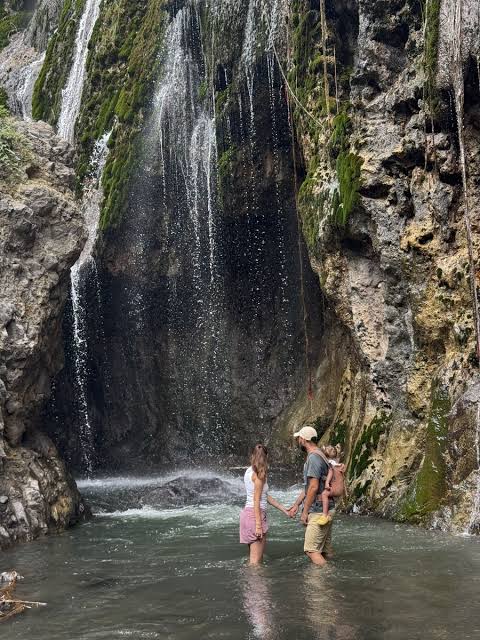
Lake Natron attracts travelers looking for something more remote.
The surrounding landscapes are dramatic, volcanic and very different from central Serengeti.
In addition, Ol Doinyo Lengai rises prominently above parts of the region.
Flamingos are another major attraction associated with Lake Natron.
Road conditions can be challenging, however, especially during wet periods.
Consequently, travelers should confirm current conditions before beginning the journey.
West Kilimanjaro
West Kilimanjaro can add beautiful scenery to an independent Tanzania safari.
The region offers open landscapes, Maasai country and impressive mountain views when weather conditions are favorable.
Furthermore, it provides a useful connection for travelers interested in routes toward Kenya.
Unlike heavily visited safari areas, West Kilimanjaro can feel quieter and more open.
Therefore, it suits travelers who want landscapes and cultural scenery alongside wildlife experiences.
Mikumi National Park
Travelers beginning in Dar es Salaam can consider Mikumi National Park.
Its relative accessibility makes it one of the more practical southern Tanzania wildlife destinations.
Moreover, the park can form part of a longer journey toward other southern safari regions.
For travelers who have already explored northern Tanzania, the south provides a noticeably different road-trip experience.
Nyerere National Park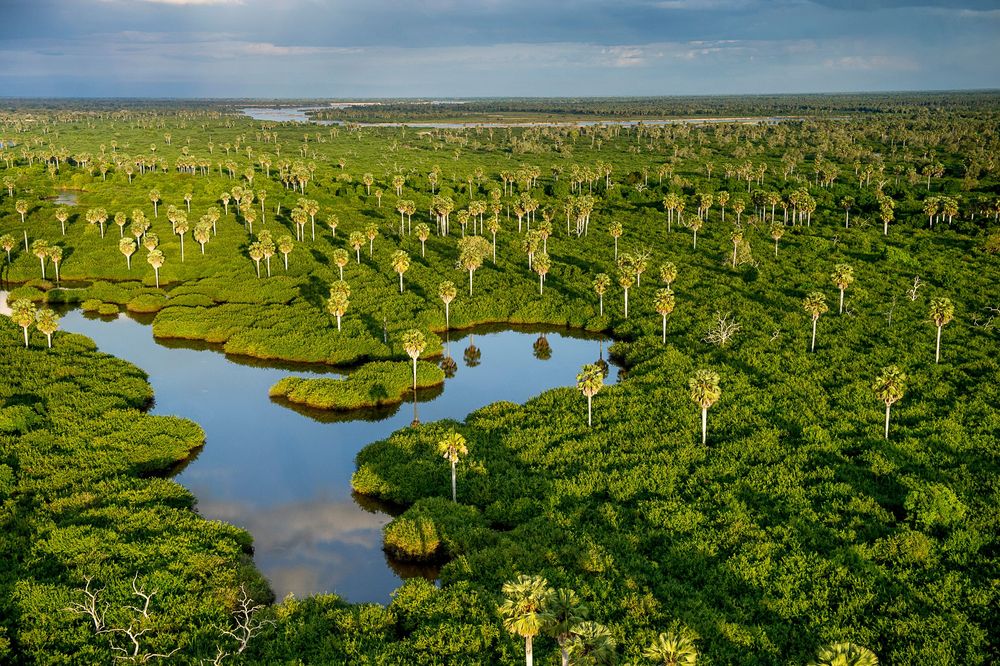
Nyerere appeals to travelers searching for greater wilderness and fewer safari vehicles.
Its vast scale creates exciting opportunities for independent exploration.
However, remote southern routes require significantly more preparation.
Fuel planning, water management, communication and realistic driving distances become increasingly important.
Therefore, inexperienced self-drivers should research this region carefully before committing to an ambitious route.
Ruaha National Park
Ruaha is another exceptional destination for travelers who prefer remote wilderness.
Its dramatic landscapes and wildlife populations make it one of Tanzania’s most rewarding parks.
At the same time, reaching Ruaha involves longer driving distances than many northern-circuit destinations.
Consequently, your vehicle must be dependable.
Carry adequate water, maintain healthy fuel reserves and avoid overly demanding daily schedules.
A Classic Northern Tanzania Self-Drive Route
The northern safari circuit offers one of the best introductions to Tanzania road travel.
Start in Arusha before continuing toward Tarangire.
Next, travel to Lake Manyara or Karatu.
From there, continue through Ngorongoro and eventually enter Serengeti.
With additional time, you can add Lake Natron before returning toward Arusha.
Ideally, allow around ten to fourteen days.
If you only have six or seven days, reduce the number of destinations instead of increasing your daily driving hours.
Sample 10-Day Tanzania Rooftop-Tent Safari
Begin your first day in Arusha by collecting the vehicle, checking the rooftop tent and purchasing supplies.
On the second day, drive toward Tarangire National Park and enjoy an afternoon safari.
Day three can then be dedicated to a full Tarangire game drive.
Afterwards, continue toward Lake Manyara or Karatu on day four.
Visit Ngorongoro on day five before moving toward Serengeti on day six.
Days seven and eight can be used for extensive Serengeti exploration.
Then, on day nine, begin your journey back through the Ngorongoro highlands.
Finally, return to Arusha on day ten.
This route provides enough variety without turning every day into a long-distance transfer.
Two-Week Self-Drive Safari Tanzania
A fourteen-day journey creates even more flexibility.
For example, you can add extra nights in Serengeti, include Lake Natron or explore West Kilimanjaro.
Alternatively, simply slow the entire itinerary down.
For photographers, fewer overnight locations can actually produce better results.
You gain more time to revisit promising wildlife areas and explore them during different lighting conditions.
Families also benefit from shorter driving days.
As a result, everyone has more time to relax, prepare meals and enjoy the campsite.
How Much Does Self-Drive Roof-Tent Car Hire Tanzania Cost?
The total cost depends on several factors.
Vehicle model, travel season, rental duration, equipment package, insurance and pickup location can all influence the daily rate.
Moreover, larger vehicles with two rooftop tents generally cost more than simpler two-person setups.
When comparing offers, consider the complete safari budget rather than focusing only on the rental price.
You may also need to budget for fuel, national park fees, conservation charges, camping fees, food, additional insurance, campsite reservations and optional equipment.
Consequently, the cheapest advertised vehicle may not deliver the lowest overall trip cost.
Rooftop Camping vs Safari Lodges
Rooftop camping can reduce accommodation expenses, particularly during longer journeys.
However, campsites are not always inexpensive, especially inside protected areas.
National park charges also remain applicable regardless of whether you sleep in a tent or lodge.
Therefore, rooftop camping should not be viewed only as a money-saving strategy.
The real advantage comes from combining mobility, accommodation and independence.
On the other hand, lodges provide greater comfort.
For that reason, many travelers combine several camping nights with occasional lodge stays.
Best Time for a Tanzania Self-Drive Safari
Tanzania offers travel opportunities throughout much of the year.
Nevertheless, weather conditions greatly influence the self-drive experience.
Dry periods generally provide easier road conditions and excellent wildlife viewing.
Meanwhile, wetter months create greener landscapes, fewer visitors and excellent birdlife.
For inexperienced self-drivers, the dry season may be more straightforward.
However, confident travelers can also enjoy green-season adventures with proper preparation.
Driving During the Dry Season
Dry roads are usually easier to manage.
Nevertheless, they can become extremely dusty and heavily corrugated.
Therefore, keep a safe distance behind other vehicles.
Dust clouds may significantly reduce visibility.
In addition, driving too quickly over corrugations can damage tires and suspension.
Slow down whenever conditions deteriorate.
A relaxed driving style protects both passengers and the vehicle.
Driving During the Rainy Season
Rain can transform road conditions within a short period.
For instance, dry tracks can become muddy and slippery after heavy rainfall.
Some soil types become particularly difficult when saturated.
Although four-wheel drive improves traction, it cannot overcome every situation.
Therefore, avoid unnecessary risks.
If you are uncertain about a muddy section or water crossing, assess it carefully before proceeding.
Better still, ask local drivers or park staff about current conditions.
Tanzania Road Conditions
Road quality varies dramatically.
Major highways may be paved and relatively straightforward.
By contrast, national park roads can include gravel, rocks, loose sand, corrugations, mud and deep potholes.
Consequently, never estimate travel time using distance alone.
A 150-kilometer journey through remote terrain may take far longer than the same distance on a highway.
This is one of the most important principles of Tanzania self-drive planning.
Fuel Planning
Large 4×4 vehicles consume more fuel than standard cars.
For that reason, understand your vehicle’s approximate range before leaving the rental station.
Fuel is readily available around major towns, but availability becomes less predictable on remote routes.
Whenever you travel toward isolated areas, fill the tank before departure.
Moreover, avoid waiting until the fuel gauge approaches empty.
Maintaining a healthy reserve provides greater security.
Water Management
Water deserves equal attention.
You will need drinking water as well as water for cooking and basic washing.
Therefore, carry more than you expect to use when traveling through remote regions.
Whenever reliable refill opportunities appear, use them.
Do not assume another water source will always be available farther along the route.
Good preparation makes wilderness travel safer and less stressful.
Food for a Tanzania Camping Safari
Cooking at camp is an enjoyable part of a rooftop safari.
Before leaving Arusha or another major town, buy enough basic food for the first stages of your journey.
Simple meals are usually best.
For example, pasta, rice, vegetables, eggs, bread, fruit and canned foods are easy to prepare.
If your vehicle includes a refrigerator, you can carry a wider variety of fresh ingredients.
Nevertheless, avoid planning complicated dinners every night.
After several hours of game driving, a simple meal can feel surprisingly satisfying.
Navigation and Offline Maps
Digital navigation makes self-driving significantly easier.
However, internet coverage may disappear inside remote national parks.
Therefore, download offline maps before departure.
Also ask your rental company about recommended routes.
Local campsite staff and park authorities can provide useful information as well.
Most importantly, do not automatically follow every shortcut suggested by a navigation application.
A digitally mapped route may be unsuitable during certain seasons.
Mobile Coverage and Communication
Mobile coverage is reasonably good around many towns and populated areas.
Nevertheless, remote national parks can have limited or unreliable service.
Prepare accordingly.
Save important contact numbers offline and keep the rental company’s emergency details accessible.
In addition, download booking confirmations and important travel documents before entering remote areas.
For very isolated journeys, discuss additional communication options with your rental provider.
Tire Safety on Tanzania Roads
Tires are one of the most important parts of your safari vehicle.
Before leaving the rental station, inspect the tread and general tire condition.
Also confirm that the spare wheel is properly inflated and usable.
Next, locate the jack and wheel-changing tools.
If you do not know where the correct jacking points are located, ask for a demonstration.
Above all, reduce your speed on rocky and badly corrugated roads.
Careful driving prevents many tire problems.
Vehicle Breakdown Support
Mechanical problems are possible even with well-maintained 4×4 vehicles.
Therefore, understand the roadside-assistance procedure before beginning your journey.
Ask the rental company whom you should contact if something happens.
In addition, confirm whether they have support partners along your intended route.
You should also understand who is responsible for repair costs and whether authorization is required before visiting a mechanic.
Having clear procedures in advance prevents confusion later.
Insurance for Tanzania 4×4 Rental
Insurance deserves careful attention.
Do not simply accept the statement that the vehicle is insured.
Instead, ask what the policy actually covers.
For example, check the excess amount and whether tires, windows, underbody damage, towing or water-related incidents are excluded.
Additionally, ask whether camping equipment and rooftop tents are covered.
Rental conditions differ between operators.
Therefore, read your contract carefully before signing.
Driving Documents
International visitors should confirm the current driving-document requirements before arriving in Tanzania.
Carry your valid driving license and any additional documentation applicable to your circumstances.
Moreover, check minimum-age requirements with the rental company.
Additional drivers should also be properly registered if required under the rental agreement.
Because rules can change, current official information should always take priority over old travel blogs.
Picking Up Your 4×4 in Arusha
Vehicle collection should never be rushed.
Ideally, arrange the handover during daylight.
First, walk around the vehicle and photograph any existing damage.
Next, inspect the tires, windscreen, lights and mirrors.
After that, open the rooftop tent completely.
Test the refrigerator and inspect camping equipment.
Then, locate the spare wheel, jack and recovery tools.
Finally, ask the rental representative to explain anything you do not understand.
A thorough inspection can save considerable trouble later.
Picking Up a Self-Drive Vehicle in Dar es Salaam
Dar es Salaam can be a practical starting point for southern Tanzania.
However, city traffic may feel challenging to international visitors.
Therefore, avoid collecting the vehicle immediately before attempting a long remote transfer.
Instead, consider spending the first night nearby.
Once rested, begin your road trip during daylight.
This approach helps you become familiar with the vehicle before tackling more demanding conditions.
One-Way Car Hire Tanzania
Some travelers prefer to collect their vehicle in one city and return it elsewhere.
For instance, you might begin in Arusha and finish in Dar es Salaam.
One-way rentals can make linear routes more convenient.
However, they may involve relocation charges.
Availability also depends on the rental company’s operating network.
Therefore, confirm these arrangements before paying your deposit.
Cross-Border 4×4 Rental Tanzania
Longer East African road trips can potentially combine Tanzania with neighboring countries.
However, international vehicle travel requires advance authorization.
Your rental company may need to provide ownership documents, cross-border permission and additional insurance paperwork.
Furthermore, each country has its own immigration and vehicle-entry procedures.
Never take a rental vehicle across an international border without written permission.
Tanzania and Kenya Self-Drive Safari
Combining Tanzania and Kenya can create an exceptional wildlife journey.
Travelers may link northern Tanzania with famous Kenyan safari areas depending on vehicle permissions and border arrangements.
Nevertheless, this type of itinerary requires careful planning.
Driving distances can be significant.
Therefore, build enough time into your schedule and avoid rushing between countries.
Tanzania, Rwanda and Uganda Road Trips
Travelers with several weeks may consider combining Tanzania with Rwanda and Uganda.
Such an itinerary can connect savannah safaris with primate experiences, including gorilla trekking.
However, this is a major overland journey.
Consequently, travelers should carefully consider total distance, border requirements, park arrangements and vehicle permissions.
For most visitors, a slower multi-country itinerary is better than trying to cover East Africa too quickly.
Safety During a Tanzania Self-Drive Safari
Good preparation greatly improves safety.
Whenever possible, avoid unnecessary driving after dark.
Nighttime conditions may involve livestock, wildlife, pedestrians, bicycles and vehicles that are difficult to see.
Furthermore, unfamiliar roads become harder to navigate at night.
Plan to reach campsites before sunset.
Maintain sufficient fuel and water supplies.
Keep your emergency contacts accessible.
Above all, never allow a tight itinerary to pressure you into taking unnecessary risks.
Wildlife Safety While Camping
Camping in wildlife areas is unforgettable, but it also requires discipline.
Always follow campsite instructions.
Keep food secure and dispose of waste properly.
Furthermore, avoid wandering unnecessarily after dark.
Children should be closely supervised.
Never feed wild animals or encourage them to approach your campsite.
Ultimately, remember that you are a visitor inside their natural environment.
Driving Around Elephants
Elephants need space.
If a herd approaches the road, stop at a respectful distance.
Never block their movement.
Likewise, avoid positioning your vehicle between members of the same herd.
If an elephant appears uncomfortable, move away when it is safe to do so.
Good safari driving is based on respect rather than getting the closest photograph.
Photography on a Self-Drive Safari
Self-driving provides excellent photographic flexibility.
You can spend longer at interesting sightings and wait for better light.
However, the driver should remain focused on controlling the vehicle.
When you want to take photographs, stop safely first.
Meanwhile, passengers can help with navigation and wildlife spotting.
Binoculars are also extremely useful, especially for distant animals and birds.
Why Slow Travel Works Better
Many travelers underestimate Tanzania’s size.
Consequently, they create itineraries filled with long daily transfers.
A better approach is to explore fewer places more thoroughly.
Three nights in one safari region can be more rewarding than sleeping in three different places over three nights.
Moreover, slower travel reduces fuel use, vehicle wear and fatigue.
Your rooftop tent gives you freedom.
Use that freedom to enjoy the journey rather than racing through it.
Self-Drive Roof-Tent Car Hire Tanzania for Couples
Rooftop camping is particularly suitable for couples.
A single tent often provides enough sleeping space, while luggage remains relatively easy to manage.
Furthermore, two travelers can divide responsibilities effectively.
One person can open the tent while the other prepares dinner.
During the day, one drives while the other manages navigation.
As a result, the journey becomes a shared adventure.
Tanzania Rooftop Safari for Families
Families can also enjoy rooftop safaris.
However, more careful planning is necessary.
Choose a vehicle with enough passenger space, storage and sleeping capacity.
In addition, keep daily driving distances realistic.
Children may need more frequent breaks, snacks and comfortable campsite routines.
Therefore, slower itineraries are usually more enjoyable for family groups.
First-Time Self-Drive Travelers
You do not need expedition-driving experience to explore Tanzania independently.
Nevertheless, you should be comfortable behind the wheel and willing to prepare properly.
First-time African self-drivers can begin with established northern routes.
Moreover, choosing a dependable rental company can provide valuable local support.
Avoid overly remote routes until you understand local road conditions and vehicle handling.
Confidence usually increases naturally as the journey progresses.
Guided Safari vs Self-Drive Tanzania Safari
Both options have advantages.
A professional safari guide provides wildlife knowledge, local experience and navigation expertise.
On the other hand, self-driving offers privacy, flexibility and a stronger sense of adventure.
Some travelers combine the two approaches.
For instance, you can rent a vehicle for the overall road trip and hire local guides for selected activities.
This hybrid arrangement provides both independence and professional expertise.
Rooftop Tent vs Safari Lodge
Safari lodges offer greater convenience and comfort.
You arrive, enjoy a prepared meal, shower and sleep without setting up equipment.
By contrast, rooftop camping requires active participation.
You prepare your campsite, organize food and manage equipment.
However, that involvement is part of the appeal.
A camping safari feels more like an expedition.
Therefore, choose the style that matches your preferred experience rather than focusing only on price.
Common Tanzania Self-Drive Mistakes
One common mistake is choosing the cheapest vehicle without considering reliability.
Another is planning excessive daily distances.
Travelers also sometimes assume that four-wheel drive makes every road easy.
Unfortunately, it does not.
Poor judgment can still result in getting stuck or damaging the vehicle.
Additionally, some travelers fail to inspect the camping equipment before departure.
A careful vehicle handover helps prevent many of these problems.
Choosing a Reliable Tanzania 4×4 Rental Company
Look beyond attractive vehicle photographs.
A reliable company should provide clear rental conditions, responsive communication and practical route advice.
Moreover, the operator should explain insurance, breakdown support and equipment inclusions before payment.
Ask about vehicle maintenance.
Request written confirmation of important promises.
In addition, read reviews from previous travelers where possible.
Reliable support can be more valuable than saving a small amount on the daily rental rate.
Why Extremely Cheap Car Hire Can Cost More
Very low rental prices may come with compromises.
For example, an older vehicle can experience mechanical issues or consume more fuel.
Poor camping equipment may also reduce comfort.
Likewise, limited insurance can expose you to unexpected expenses.
Therefore, compare total value rather than focusing entirely on the headline price.
Your vehicle serves as transport, accommodation and equipment storage.
Reliability matters.
Booking Self-Drive Roof-Tent Car Hire Tanzania Early
Booking early is wise during popular travel months.
The number of well-equipped camping vehicles is limited compared with ordinary rental cars.
Furthermore, vehicles with two rooftop tents may sell out earlier than standard configurations.
Early reservations provide another advantage.
You have more time to discuss your itinerary, border requirements, camping locations and equipment needs with the operator.
Consequently, your final travel plan is usually better organized.
Sustainable Self-Drive Travel
Independent travel comes with responsibilities.
Stay on designated roads and use authorized campsites.
In addition, dispose of rubbish properly.
Avoid disturbing wildlife for photographs.
Where practical, reduce single-use plastics and refill reusable water bottles.
Support local shops, restaurants and communities along your route.
Responsible travel protects the landscapes that make Tanzania special.
Cultural Respect During Your Road Trip
Tanzania offers much more than national parks.
Road travel brings you into contact with towns, villages and local communities.
Therefore, approach those encounters respectfully.
Learning a few Swahili greetings can improve everyday interactions.
For example, simple words such as “Jambo” and “Habari” are useful introductions.
Always ask before photographing people.
Furthermore, dress respectfully when traveling outside safari areas.
Combining a Rooftop Safari With Zanzibar
A safari-and-beach combination is one of Tanzania’s most popular travel styles.
First, complete your mainland road trip.
Then, return the rental vehicle and fly to Zanzibar.
After several days of dusty safari roads and camping, Zanzibar provides a refreshing contrast.
Stone Town, Indian Ocean beaches, seafood and island culture create an excellent ending to the adventure.
Combining Kilimanjaro With a Self-Drive Safari
Travelers climbing Mount Kilimanjaro can also add a self-drive safari.
Usually, it is best to complete the climb separately with an authorized trekking operator.
Afterwards, collect your rental vehicle and begin the road trip.
However, allow enough recovery time after climbing.
Tired travelers should not immediately begin demanding long-distance driving.
A rest day can make the next stage much more enjoyable.
Tanzania Self-Drive Honeymoon
Not every honeymoon needs to revolve around luxury lodges.
Adventure-loving couples may prefer a private rooftop-tent safari.
Imagine watching sunset beside your 4×4, preparing dinner together and waking close to Tanzania’s wilderness.
Nevertheless, camping and luxury can easily be combined.
For instance, spend several nights under canvas before enjoying a premium safari lodge or Zanzibar beach hotel.
Luxury and Camping Combination
Longer Tanzania journeys often benefit from mixed accommodation.
After several camping nights, staying at a lodge allows you to enjoy a hot shower, restaurant dinner, comfortable bed and laundry services.
Then you can return to rooftop camping feeling refreshed.
Consequently, you do not need to choose between complete luxury and complete camping.
A carefully balanced itinerary can provide both.
Emergency Preparation
Preparation does not need to make your safari complicated.
Instead, it helps you travel with confidence.
Save important phone numbers in your mobile device and keep a written copy.
Carry a basic first-aid kit.
Download offline copies of essential documents.
Know which larger towns are located along remote sections of your route.
Furthermore, keep the rental company’s emergency contact information readily available.
If something goes wrong, organized travelers can react more calmly.
Why Self-Drive Roof-Tent Car Hire Tanzania Is Worth It
There are easier ways to travel through Tanzania.
You can join a guided safari, stay in luxury lodges or fly between remote camps.
However, self-driving offers a different experience.
You become part of the journey rather than simply being transported through it.
You choose your route, organize your camp and decide when a landscape deserves more time.
Moreover, the moments between major attractions often become some of the most memorable parts of the holiday.
That sense of independence explains why self-drive roof-tent car hire Tanzania continues to attract adventurous travelers.
Frequently Asked Questions About Self-Drive Roof-Tent Car Hire Tanzania
Can Tourists Self-Drive in Tanzania?
Yes, self-drive rental options are available to international travelers who meet the applicable driving and rental requirements.
However, documentation requirements should always be confirmed before departure.
Do I Need a 4×4 in Tanzania?
Not every Tanzanian road requires four-wheel drive.
Nevertheless, a proper 4×4 is strongly recommended for many safari parks, remote routes and adventurous camping itineraries.
Can I Rent a Land Cruiser With a Rooftop Tent?
Yes. Land Cruisers are among the most popular vehicles for Tanzania rooftop camping safaris.
Different models and tent configurations may be available depending on the operator.
Can I Self-Drive in Serengeti?
Self-drive safari travel is possible subject to applicable park regulations and entry requirements.
Therefore, confirm current conditions before your visit.
Is Rooftop Camping Safe?
Camping can be safe when travelers use authorized campsites and follow wildlife-safety instructions.
However, you must remember that many camps are located inside genuine wilderness areas.
Can I Camp Anywhere With My Rooftop Tent?
No.
A rooftop tent does not give travelers permission to camp wherever they choose.
Instead, use designated or legally authorized campsites.
How Many People Can Sleep in a Rooftop Tent?
Standard rooftop tents often suit two adults.
Larger tents and two-tent setups may accommodate families or small groups.
Always check exact capacity with the rental company.
Does the Rental Include Camping Equipment?
Many specialist companies include camping equipment.
However, packages vary significantly.
Therefore, request an itemized equipment list before making payment.
Is a Rooftop Tent Better Than a Ground Tent?
For road trips, rooftop tents are convenient because they are quick to set up and provide an elevated sleeping platform.
Ground tents, on the other hand, can offer more floor space.
Your preferred travel style should guide the decision.
Can I Drive From Tanzania to Kenya?
Potentially, yes, if your rental company authorizes cross-border travel and provides the required vehicle documents.
Immigration and insurance conditions must also be satisfied.
Can I Drive From Tanzania to Rwanda or Uganda?
Some rental arrangements may permit multi-country journeys.
Nevertheless, advance authorization is essential.
Discuss the entire route with your rental provider before booking.
Should I Drive at Night?
Daylight driving is generally preferable for visiting self-drivers.
Road hazards become harder to identify after dark.
Therefore, organize your itinerary so you reach the next destination before sunset whenever possible.
How Far Should I Drive Each Day?
There is no perfect daily distance.
Road conditions matter more than kilometers.
Consequently, avoid planning your itinerary using highway driving times alone.
Do I Need Previous Camping Experience?
Extensive camping experience is not necessary.
A good rental company should explain how to operate the rooftop tent and other equipment.
Nevertheless, you should feel comfortable with simple outdoor living.
Should Campsites Be Booked in Advance?
During peak periods, advance reservations are recommended.
This is particularly important for popular safari destinations.
Planning accommodation beforehand also makes your driving schedule more predictable.
How to Plan the Perfect Tanzania Rooftop Safari
Start by deciding how many full travel days you have.
Next, choose one main safari region.
After that, select a vehicle suitable for your group size and itinerary.
Then organize accommodation and campsites.
Once the route is clear, review fuel stops, water requirements and food supplies.
Finally, check driving documents, insurance and park arrangements.
Following this order helps create a realistic itinerary.
More importantly, it prevents you from squeezing too many destinations into limited time.
Why Choose Universal Ventures Rwanda for East African Adventures?
Universal Ventures Rwanda specializes in customized safari planning across Rwanda and the wider East African region.
Travelers planning Tanzania, Rwanda and Uganda combinations can benefit from having regional logistics organized into one practical itinerary.
For example, a longer East African journey may combine a Tanzania wildlife safari with gorilla trekking in Rwanda or Uganda.
However, multi-country travel involves border procedures, transport arrangements, accommodation reservations, park activities and realistic transfer times.
Professional planning can therefore simplify the entire journey.
Final Thoughts on Self-Drive Roof-Tent Car Hire Tanzania
Tanzania is one of Africa’s most rewarding destinations for independent adventure travel.
Choosing self-drive roof-tent car hire Tanzania gives you the freedom to combine transportation, accommodation and safari exploration in one flexible journey.
You can explore Tarangire’s baobab landscapes, experience Ngorongoro, cross the legendary Serengeti and venture into quieter corners of the country.
However, a successful trip depends on preparation.
Choose a reliable vehicle, understand your equipment and create realistic daily driving schedules.
Furthermore, carry sufficient water, monitor your fuel supply and respect all wildlife and park regulations.
Most importantly, avoid rushing.
Tanzania rewards travelers who allow enough time to experience the landscape rather than simply driving through it.
Ultimately, a rooftop-tent safari is more than an alternative form of accommodation. The changing roads, campsites, sunsets, wildlife encounters and unexpected discoveries become an essential part of the adventure.
For travelers who value independence, wilderness and flexibility, self-drive roof-tent car hire Tanzania can provide an unforgettable way to explore East Africa.
Book Your Tanzania and East Africa Safari
Planning a Tanzania self-drive safari, Rwanda gorilla trekking adventure, Uganda safari extension or a complete East African journey?
Universal Ventures Rwanda can help arrange customized safari itineraries, transport logistics, gorilla trekking experiences and multi-country adventures.
Universal Ventures Rwanda
Email: info@universalventuresrwanda.com
Phone / WhatsApp: +250 781 441 853
Address: Kigali, Rwanda
